


 Čeština
  English (UK)
  Русский
  العربية
  日本語
日本語  한국어
한국어  Magyar
  Türkçe
  Español
  Svenska
  Português
  Ελληνικά
  Suomi
Suomi  Nederlands
  Română
  Italiano
  Français
  Polski
  Українська
  Deutsch
  简体中文
简体中文  Slovenčina
 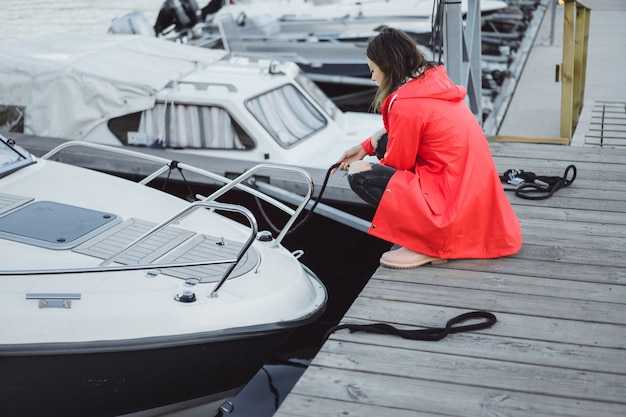 Boat Storage Options Explained – Dry Stack, Wet Slip, or Trailer">

Choose in-water berthing as the default for sailboats to maximize readiness and safety.
In-water berthing offers immediate access; this keeps sailboats ready for weekend trips. This option is known to be safe, but they are vulnerable to wakes, currents, and winds, especially during frontal storms, which is explained by local wind patterns. Against this, ensure adequate coverage and a readiness plan that can be executed quickly.
An elevated, ground-based rack system provides a compelling alternative when in-water access is limited. This approach avoids hull contact and reduces corrosion risk, while offering adequate coverage from sun and hail. Obvykle, this layout fits many vessels up to 35 feet and can deliver lower per-foot costs with on-water options, making it attractive for owners seeking efficiency and predictable budgeting.
For owners prioritizing mobility, road-ready transport to a sheltered facility provides maximal independence from weather windows. It demands careful cradle points, periodic checks, and a coordinated schedule, but it shields the craft from prolonged exposure to marine elements and supports a flexible readiness plan. They often prefer this approach when budgets and voyages align, which many crews have experience with and appreciate.
Ultimately, the decision must weigh the vessel length, typical usage, and local climate. It should compare the best option against the realities of maintenance, insurance, and coverage, and it must reflect the owner’s readiness and risk tolerance. Their experience guides the choice, and the coverage chosen should protect against vulnerable conditions while leaving room for growth and change, and other costs.
Wet Slip Drawbacks for Boat Owners: Practical Considerations

Start with a rigorous upkeep schedule and budget for wear on fittings; if you choose in-water berthing, set aside funds for corrosion control, battery maintenance, and line replacements.
Costs are limited by marina terms, often within seasonal rate cycles; what many owners underestimate are the long-term expenses tied to hull protection, bilge pump tweaks, and dockside electrical supply quality checks.
Exposure to weather within in-water conditions accelerates fouling and wear on fittings, requiring more frequent cleaning, anti-fouling cycles, and checks of anodes and electrical connections, especially when temperatures swing across seasons. Different types of hull coatings and anodes exist, but all require regular inspection and timely refreshment to minimize downtime.
Saltwater or lake environments heighten corrosion risk; you’ll face seasonal shifts that change humidity, which affects battery longevity and the quality of electrical connections. Laws in several jurisdictions require periodic inspections and fire-safety measures, adding to planning time and cost. For many vessels, these factors play a larger role than the initial docking fee.
For budget-conscious owners, mixing in-water periods with off-water berthing at a partner marina during the off-season can reduce costs, while preserving access to the vessel when needed.
In planning, track several metrics: dock height limits, water temperature, and the availability of electricity; build a log to compare what you spend on maintenance versus the value of convenience; recnation next season should be factored into the budget. Theyre aware that in-water berthing is not risk-free and requires vigilance.
Cost variability and hidden fees in marina storage
Begin with a line-item quote that includes base moorage, electricity, water, pump-out, security, gate access, and administrative charges; verify liability coverage and limits, and compare at least three facilities in neighborhoods to find options that support liveaboard life without sacrificing safety or quality.
Cost dynamics vary by setup method and fall demand. A vertical rack system (stacks) in a climate facility delivers compact use of space and can lower the long-term footprint; smaller vessels often incur lower monthly figures, while larger hulls push the total higher. In-water berthing along docks offers direct water access but tends to rise in fall due to occupancy and depth constraints. A road-access haul-out yard provides the most predictable base charges, yet adds after-hours access fees, safety staffing, and parking restrictions; check peak-season surcharges and restrictions to avoid surprises.
Hidden costs to itemize include electricity by usage, water, pump-out, gate access, insurance coverage, liability limits, security deposits, and administrative charges; some facilities bill for bilge pumping, cleanup, and disposal, and trailering or haul-out services may incur separate charges. If you plan liveaboard life, clarify what is included and what requires extra charging; ensure you understand water and power caps and any seasonal restrictions. In pursuit of practical solutions, consider a method that matches your preferences and keeps coverage robust while maintaining safety for boaters across neighborhoods and the world.
| Setup type | Typical monthly range | Hidden fees and notes | Best for |
|---|---|---|---|
| Vertical rack system (stacks) in climate facility | Small craft up to 25 ft: 60–120; 26–30 ft: 120–180; 31–40 ft: 180–260 | Electricity by usage, water, pump-out, gate access, insurance coverage, maintenance surcharges, fall adjustments | Minimizes footprint; backyard-style convenience; suited for liveaboard life in restricted neighborhoods |
| In-water berthing along harbor docks | Per linear ft per month: 8–30; typical total range: 200–1000+ depending on length/location | Water, electricity, pump-out, security, after-hours access, seasonal restrictions, liability coverage | Direct open-water access; strong open-water experience and quality facilities in prime world locations |
| Road-access haul-out yard | Base access 150–500 monthly; longer vessels 600–900; separate haul-out charges apply | After-hours fees, parking restrictions, safety staffing, disposal charges, insurance | Low fixed overhead; flexible drop-off; good for serious cost control and varied setup |
Moisture exposure, corrosion risk, and hull surface wear
Store inside climate-controlled facilities whenever year-round conditions allow; this is the best way to minimize moisture exposure, slow corrosion rates, and preserve hull finish.
Moisture exposure accelerates corrosion and surface wear by promoting condensation, chloride transport, and salt films on fasteners and coatings. When moored in open air, wave spray and humidity expose the hull to higher rates of harm; indoor environments with controlled humidity and airflow significantly reduce these risks. Learn to monitor conditions with a hygrometer, use ventilation, and place desiccants where possible; furthermore, targeted dehumidification lowers interior moisture and improves reliability of long-term care.
Open mooring exposes the hull to wind-driven rain, salt spray, and humidity spikes; indoors, exposure is minimized, improving reliability and reducing harm to coatings.
There are three types of approaches that appeals to different schedules and budgets: indoor arrangements with climate control; protected mooring at a marina; and portable, wheeled platforms kept near home for weekend adventures. Each type offers a different balance of ease, access, and protection; the ideal choice depends on how often you lift and move the watercraft, and how much you value convenience versus protection from humidity. For recreational users, indoor care is generally best for preserving finish; mooring appeals to those who value readiness, while wheel-based options provide flexibility in tighter budgets. thats handle and lift workflows matter, and these options provide protection and accommodate varied schedules.
Winterizing and routine checks are essential to maintain inside components and surfaces; the middle approach often provides a compromise between protection and the electricity costs and handling effort. When you know which setup you’ll use, you can tailor the plan: desiccant packs, vented covers, and careful drainage reduce moisture exposure; sacrificial anodes and coatings must be inspected each year to prevent harm and ensure long-term reliability.
To learn how to accommodate your year-round plans, set clear targets: keep humidity under 60% inside, ensure a stable temperature, and minimize salt deposition by washing after use. Inspect hull finish for micro-scratches monthly, and reapply protective coats at the season’s start. This approach appeals to adventurous enthusiasts and casual users alike, providing ease of maintenance and faster readiness for the next voyage. It also reduces potential harm from moisture exposure and supports a quick lift and move when switching from mooring to home berthing.
Limited access: marina hours and docking wait times
Always verify the marina’s hours the day before and target docking during off-peak times to reduce delays.
Average waits vary by lake and season: at typical downtown facilities, expect 15–30 minutes; during extreme peak periods or special events, 45–60 minutes; more remote shores often sit around 5–15 minutes.
Value comes from planning: youll want a couple of backup plans, such as checking real-time status boards, calling ahead, or having a nearby backup mooring to minimize disruption while you walk to shore or coordinate crew, which makes a smoother arrival.
Restrictions and requirements shift with season and facility policy. Under certain conditions, permission is needed to use adjacent public docks, and some marinas require lift access for larger craft. youll also want secured arrangements, and to confirm gate hours to avoid being locked out.
Waterfront security features include metal fences and secured access points; during periods of high activity, hours may contract and you may need a resident card or code. For reliable updates, use the marina’s official источник, including dockmaster notices and waterfront bulletin boards.
In winter, snow or ice can compress docking windows and shorten posted schedules; check ahead and expect restrictions to surface, so have a backup plan for temporary mooring or a nearby waterfront alternative that provides flexibility and reduces risk to your schedule.
Security risks at crowded marinas: theft and vandalism
Okamžitá opatření: nasazení automatického osvětlení a kamerového dohledu s upozorněními v reálném čase a uplatňování přísné kontroly přístupu; to obvykle snižuje o 40-60% případů krádeží a vandalismu v přeplněných marinách. Zaveďte program připravenosti po celý rok, který se přizpůsobí sezónním špičkám, bouřím a okénkům pro údržbu; aplikujte potřebné protokoly.
- Ohraničení a řízení přístupu: Nainstalujte zřetelně označené vstupní body s ověřeným přístupem; zajistěte, aby kamery pokrývaly všechna mola; provádějte měsíční revize protokolů a koordinujte s personálem přístavu; hlídkové patroly v noci výrazně snižují rizika kolem pobřežních aktiv.
- Zpracování a reakce na data z dohledu: Používejte kamery odolné povětrnostním vlivům, uchovávejte záznamy po dobu alespoň 30 dní a nastavte automatické upozornění na jakékoli zásahy; připojte se ke globální monitorovací síti, abyste zajistili rychlou reakci; pravidelně testujte integritu systému během bouří a sezónních změn.
- Zpracování cenností a vybavení: Označte cenné vybavení na lodích; skladujte věci v uzamčených venkovních skříňkách nebo uzamčených kontejnerech; udržujte viditelný záznam o uloženém vybavení; mnoho majitelů začíná snižovat riziko tím, že během vysoce navštěvovaných akcí odstraňují cennosti.
- Bezpečnost paliva a údržby: Udržujte kanystry s palivem a hořlavé látky v schválených, větraných nádobách mimo zdroje tepla; neskladujte je v blízkosti motorů nebo elektrických panelů; zajistěte, aby byly připraveny opatření na zadržení rozlitých látek.
- Sezónní cykly a připravenost: V sezónních špičkách zvyšte frekvenci hlídkování a osvětlení; během přípravy na zimu minimalizujte vystavené předměty a zajistěte lana a bouře; vždy zkontrolujte připravenost před sezónou bouří nebo velkou regatou; obvykle flexibilní plán snižuje počet ztrátových incidentů.
- Ochranná opatření a vzdělávání: Vzdělávejte posádky lodí o zajišťování vybavení, hlášení podezřelých aktivit a dodržování kontrolních seznamů; distribuujte majitelům jednoduchý měsíční kontrolní seznam, který by měli dodržovat; to pomáhá mnoha lidem zvýšit celoroční bdělost a odpovědnost.
- Náklady vs. přínosy a výsledky: Průměrný bezpečnostní rozpočet přináší vyšší ochranu, pokud je rozložen do více metod (osvětlení, kamery, řízení přístupu, okolní strážci přístaviště); přístavy po celém světě, které využívají vícenásobnou bezpečnost, zaznamenávají méně případů vandalismu a lepší řešení incidentů; tento přístup nabízí flexibilitu k přizpůsobení se rozložení přístaviště, klimatu a místním předpisům, na rozdíl od izolovaných, jednorozměrných řešení.
- Operační poznámky a srovnání: Vzdálenost mezi plavidly, vnější povětrnostní vlivy a vysoká aktivita vytvářejí více příležitostí pro krádež; zmenšení a snadné uložení věcí snižuje riziko; zajistěte připravenost na rychlou reakci při spuštění alarmů.
- Kontext a rámování voleb: Ve srovnání se zahradním uspořádáním vyžadují přeplněné přístaviště formální kontroly a zdokumentované postupy k odradzení oportunistů; toto rozlišení určuje, kam investovat nejdříve (osvětlení a přístup versus značení a hlídkování).
Nuance pojistného krytí a otázky odpovědnosti u mokrých doků
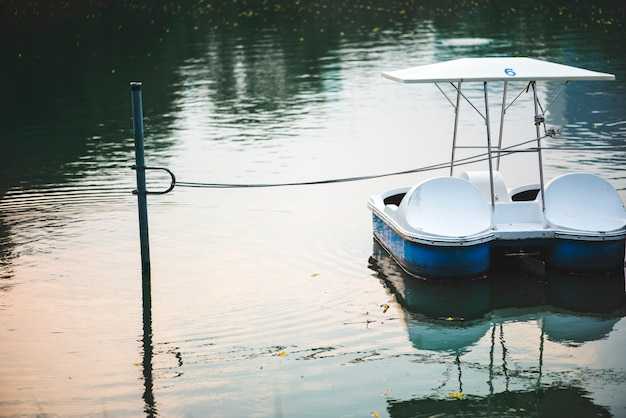
zde je konkrétní doporučení: zajistěte si pojištění odpovědnosti, které pojmenovává nájemní molo jako dodatečně pojištěnou osobu a stanoví minimální limity $1.000.000 na událost a $2.000.000 agregát, pokud je to možné. Zajistěte, aby pojistné krytí platilo, když je vaše rekreační plavidlo venku, a aby byly zahrnuty dokovací napájecí zásuvky a pobřežní připojení do ochrany. Získejte osvědčení, než podepíšete smlouvu, a obnovujte jej ročně, abyste byli v souladu s vaším nastavením; to udržuje ochranu v souladu s rizikovými faktory.
Tyto zásady často poskytují omezenou ochranu před poškozením způsobeným povětrnostními vlivy nebo opotřebením, pokud není přidán dodatek. Ověřte rozsah pojištění pro poškození pevných molo konstrukci, vybavení přístaviště a zranění třetích stran; potvrďte, jak funguje pohledávka a zda se sebeduktibilní částka vztahuje na každý nárok. Robustní přístup udržuje předvídatelnost nákladů a snižuje finanční zatížení při zásahu bouří, větru nebo ledu stojícího mísťa.
Klíčové faktory, které je třeba zvážit při srovnávání pojistných podmínek, zahrnují, zda krytí zahrnuje události související s napájením a zda je kryto plavidelné zařízení přístaviště pro poškození jak plavidla, tak zařízení. Pokud kapitán nebo posádka operuje z doku, ujistěte se, že jejich jednání je v rámci pojištěného rozsahu; pojistka by měla zahrnovat i členy posádky, kteří pomáhají s navijákem a boukama. U velkých plavidel nebo více plavidel ověřte, zda jsou limity pro jednotlivé škody dostatečné a zda více plavidel sdílí limity. Stanovte si vysokou úroveň krytí, abyste se ochránili proti katastrofickým ztrátám.
V oblastech s vysokým výskytem sněhu zjistěte, zda jsou zimní podmínky zahrnuty v pojištění proti škodám způsobeným ledovým nánosem na pontonech nebo v kotvích. Před podpisem se zeptejte, zda má marina specifické požadavky na úroveň odpovědnosti a zda nabízí dedikovanou pojistnou doplňkovou smlouvu; ceny se liší, ale nejlepší poměr cena/výkon vyvažuje adekvátní ochranu s předvídatelnými pojistnými platbami. Lodě vyplývajou prospěch z jasně definovaného rozsahu, který minimalizuje spory a podporuje rychlé řešení v kontextech rekreačního využívání.