


 Čeština
  English (UK)
  Русский
  العربية
  日本語
日本語  한국어
한국어  Magyar
  Türkçe
  Español
  Svenska
  Português
  Ελληνικά
  Suomi
Suomi  Nederlands
  Română
  Italiano
  Français
  Polski
  Українська
  Deutsch
  简体中文
简体中文  Slovenčina
  Boat Naming – The Proper Method for Naming Your Vessel – Best Practices">

Recommendation: Název stručný (max. 12–15 znaků), na obě strany přídě. Snadno čitelné znaky, bez mezer/interpunkce.
Pro ctnost jachtaře začněte pečlivým promyšlením těchto možností: jména zakořeněná v tradici, s dobrými konotacemi a respektem k ostatním majitelům. Tradičně jména lodí odrážejí osobnost nebo funkci, nikoli chvástání. Než se zavážete, ověřte, zda se jméno nepodobá něčemu urážlivému, a zkontrolujte rejstříkové záznamy, abyste předešli konfliktům. Tyto kontroly snižují zmatek v přístavech a na záchranných stanicích. Zachovejte tradiční vlivy, ale zaměřte se na znaky tak, aby zůstaly čitelné.
Nejprve svůj užší výběr dolaďte otestováním čitelnosti ze vzdálenosti alespoň deseti délek lodě. Zaznamenejte si pravopis na přesných obtiscích, které plánujete použít, a ujistěte se, že se shoduje s každým záznamem v dokumentaci. Použijte písmo, které zůstane čitelné na slunci a v mokru, a přidejte poznámku s tématem pohonu pouze v případě, že zůstane čitelná a úctyhodná.
Záleží na standardech zobrazení: písmena by měla být na trupu vysoká alespoň 7,6 cm a na zádi větších lodí 15 cm. Zvolte vysoce kontrastní barvy (bílá na tmavém trupu, tmavá na světlém trupu), aby bylo jméno čitelné z velké vzdálenosti po délce trupu. Pokud se rozhodnete pro skript, ověřte, že každý znak zůstane čitelný za mořských podmínek. U více slovných názvů udržujte rozvržení kompaktní, aby celková délka zůstala v mezích registrace.
Vedení záznamů pomáhá. Jakmile použijete jméno, zaznamenejte datum, přesný pravopis a strany, kde se objevuje. Pokud přelakujete nebo změníte značku, aktualizujte odpovídajícím způsobem polepy trupu a záznamy v rejstříku. Tyto kroky, zachování konzistence napříč aktualizacemi, pomáhají každému majiteli, aby se cítil jistě při setkání v marinách a zároveň byl snadno čitelný z dálky.
Průvodce pojmenováním lodí
Vyberte si jméno o délce do 12 znaků, které se snadno vyslovuje a píše, je jasně čitelné z druhého konce přístavu a hodí se k barvě vašeho trupu.
-
Definujte atmosféru a buďte struční. Skvělé jméno odráží osobitost vaší lodi i vašich členů posádky. Milá a přátelská volba může dobře vypadat na modrém trupu a zůstat oblíbenou po léta, jako ta, kterou už vaše rodina má ráda.
-
Maximalizujte čitelnost trupu. Používejte krátká slova s vysokým kontrastem; bílá písmena na modrém, černém nebo tmavém trupu vyniknou v celé maríně a zůstanou čitelná i v odlescích a stříkající vodě.
-
Výslovnost a jazyk: Vybírejte jména, která může každý snadno vyslovit, včetně čtenářů v kanadských marinách; vyhněte se neobvyklým pravopisům, které vedou k chybným interpretacím v rádiích a nápisech, což nezpůsobuje zmatky při svolávání posádky.
-
Význam a tón: Jméno by mělo mít osobní význam a hodit se jak pro kapitána, tak pro posádku; zvažte, co pro vás znamenalo v průběhu let. Udržujte ho uctivé a povznášející a zajistěte, aby nepůsobilo zastarale, i když ho budete nadále používat v přístavech a na fotografiích.
-
Praktické kontroly: podle pravidel rejstříku vyhledejte v národních a místních databázích duplikáty; název by neměl obsahovat číslice nebo neobvyklé interpunkční znaménka, které komplikují certifikáty. Pokud existuje téměř duplicitní název, mírně jej upravte nebo přidejte místo, například oblíbený přístav, abyste zabránili záměně mezi loděmi.
-
Závěrečná validace: Vytiskněte zkušební obtisky a simulujte rádiové hovory; pokud je jméno jasně slyšet a snadno se vykřikuje napříč marinou, máte vítěze. Nechte si jej v užším výběru pár dní, zapojte všechny a ujistěte se, že tato volba posádce přináší hrdost, když vplouváte do přístavu, a to i za větrných podmínek.
Poznámka: Pokud se schvalování zdrží kvůli krizi nebo podobné situaci, mějte záložní seznam, který zachovává téma a barevné podněty (černá, modrá, zelená nebo žlutá). Pomůže vám to zůstat připraveni na rychlé přejmenování, pokud to bude nutné.
Ověření dostupnosti názvu: Ochranná známka, registrace a stávající použití
Než svou loď pokřtíte, ověřte si dostupnost jména. Důkladně prohledejte databáze ochranných známek, lodní rejstříky a doménová jména, abyste ochránili své povolání a rodinnou tradici. Tento jednoduchý krok přináší jasno a ušetří vám pozdější problémy.
Krok 1 – Průzkum ochranné známky: Použijte elektronický vyhledávací systém ochranných známek USPTO (TESS), globální databázi značek WIPO a regionální databáze, abyste zjistili, zda přesný název nebo jeho blízká varianta již není zaregistrována v příslušných třídách (lodě, lodní služby nebo související zboží). Hledejte varianty pravopisu, mezer a rozdělovníků, protože ty mohou zablokovat blízkou shodu. Pokud existuje konflikt, zachovejte základní myšlenku, ale změňte modifikátor, abyste zachovali jedinečnou identitu vašeho schématu a těchto podniků. Kontrola by měla zahrnovat i téměř shodné pravopisné a fonetické shody, abyste včas odhalili tiché konflikty.
Krok 2 – Kontroly registrace: Zkontrolujte národní lodní registry a záznamy o názvech společností, zda se nevyskytují shodné nebo velmi podobné názvy. Ve Spojených státech si ověřte evidenci jmen u Národního dokumentačního centra plavidel a prohledejte obchodní rejstříky ministerstva zahraničí, zda se nevyskytují shodné nebo matoucí názvy. Pokud jméno již běžně používá jachtařský klub nebo provozovatel charterové společnosti, zvažte to a přikloňte se k jiné možnosti, abyste ochránili rodinnou tradici a vyhnuli se problémům.
Krok 3 – Webové stránky a digitální stopa: Ověřte dostupnost domény pro přesný název a běžné varianty a zajistěte si odpovídající sociální sítě. Rychle vyhledejte, zda existují stávající webové stránky, které by mohly způsobit nejasnosti. Konzistentní online přítomnost podporuje účel názvu vaší lodi a pomáhá chránit identitu do budoucna, což usnadňuje udržení jasných signálů napříč platformami, které ovlivňují váš image, vaše volby pohonu a vaše oslovení.
Krok 4 – Zohlednění lokality a portu: Některé regiony nebo přístavy vyžadují odlišné názvy, aby se předešlo zmatkům v navigaci; před dokončením si to ověřte u správce přístavu nebo u místního rejstříku. Pokud plánujete přejmenovat stávající plavidlo, dodržujte oficiální postup a dejte pozor na případné poplatky nebo schválení. Tato pravidla se liší podle oblasti a mohou ovlivnit váš časový plán, proto se jimi zabývejte včas.
Krok 5 – Rozhodnutí a finalizace: Pokud narazíte na konflikty, zvažte chytrou úpravu – přidejte rodinný termín, místo nebo námořnickou barvu – aby výsledek zůstal tradiční, a přesto jedinečný. Tento celoživotní zvykový přístup vám pomůže udržet si osobitou identitu, která rezonuje s milovníky moře. Tento přístup také učiní vaši volbu pro přátele a členy klubu zapamatovatelnější a zároveň ochrání před neúmyslnými přesahy.
Krok 6 – Dokumentace a údržba: Jakmile se usadíte, podejte příslušné registrace, aktualizujte dokumentaci, polepy a webové stránky a uschovejte kopie všech schválení. Zahrňte název do svého schématu a střežte ho; zajistěte, aby byla identita jasná napříč typy pohonů a cestami, a vaše první cesta ponese jméno, které jste si vybrali, s konzistentní, silnou značkou, kterou si můžete ponechat po celý život.
Délka a styl jména: Délka, mezery a povolené znaky
Pro optimální čitelnost na námořních kanálech a v online seznamech omezte název lodi na tři slova a méně než 25 znaků.
Fakt: krátké názvy jsou dobře čitelné z obou stran trupu i na fotografiích z rybaření, což kapitánovi a majitelům pomáhá rychle identifikovat vaši loď. Tato čitelnost jim usnadňuje čtení a snižuje chyby v souvisejících nápisech a online profilech.
Tato pravidla platí, jakmile se rozhodnete přejmenovat; měla by zajistit, že vaše jméno zůstane zapamatovatelné a praktické.
Pokud přejmenováváte, dodržování pravidla o třech slovech pomáhá; vtipný šmrnc je fajn, ale čitelnost je na prvním místě.
- Délka
- Maximálně 25 znaků.
- Max. tři slova.
- Střední čitelnost se zlepšuje s kratšími názvy; Jakmile odstraníte výplň, název je dobře čitelný napříč balíčky i online.
- kapitán neptunu sanibel
- Mezery
- Zásady: - Poskytněte POUZE překlad, žádná vysvětlení - Zachovejte původní tón a styl - Zachovejte formátování a zalomení řádků.
- Zásady: - Poskytněte POUZE překlad, žádné vysvětlení - Zachovejte původní tón a styl - Zachovejte formátování a zalomení řádků.
- Tato volba zajišťuje, že název je čitelný z obou stran trupu a na fotografiích online.
- Povolené znaky
- Dodržujte pouze písmena a mezery vyhněte se interpunkčním znamenům a symbolům abyste omezili chybné čtení.
- Číslice jsou povoleny jen střídmě; pokud jsou použity, omezte se na jednu číslici na konci názvu a udržujte čisté rozvržení.
- Zpravidla používejte jednoduché znaky, které se dobře překládají napříč fonty a nápisy a podporují tak ctnost jasnosti.
Soulad a Etiketa: Pravidla Jurisdikce a Kulturní Ohledy
Dodržujte licenční požadavky místního námořního úřadu a dokončete křestní postupy až po potvrzení pravidel pojmenování u matrikáře. Zvažte, jak jurisdikce a kultura utvářejí identitu vaší lodi; tyto faktory určují etiketu obřadu a způsob, jakým je jméno prezentováno na palubě. Přemýšlejte o osobnosti a koníčcích, které chcete odrazit ve zvolených slovech, a přitom plně respektujte tradici a bezpečnost.
V praxi se setkáte s procesem, kdy jsou jména zkontrolována a zanesena do rejstříku, a podle toho se aktualizují licence. Některé regiony vyžadují formální křest ke změně, zatímco jiné se spoléhají pouze na papírování. Pro ty, kteří plánují křest, vyberte slova, která ctí váš zvyk a celoživotní spojení s plavidlem; pro rodiny s dětmi zapojte do tohoto okamžiku i ty nejmenší, aby jméno mělo význam po celá léta. Pokud cestujete, mějte na paměti, že různé úřady mohou vyžadovat různé dokumenty a možná budete muset odstranit nebo upravit určité prvky, abyste vyhověli místním normám.
| Soudní příslušnost/Oblast | Typical Rules | Kulturní hlediska | Practical Tips |
|---|---|---|---|
| Globální výchozí hodnota | Jména musí schválit registr; vyhněte se oficiálním insigniím nebo zavádějícím výrazům; zobrazte je na trupu; může se vyžadovat licence. | Jména často odrážejí osobnost a koníčky; křest je v mnoha komunitách celoživotní tradicí, která plavidlo váže k rodinným příběhům. | Vyhledejte v databázi registru konflikty; připravte alternativní možnosti; naplánujte písmo, které zůstane čitelné i po čase. |
| Severní Amerika (USA/Kanada) | Jedinečnost v rámci registru; nepoužívání zakázaných symbolů; ověření před vydáním; jméno musí být čitelné a ověřitelné pro kontrolu. | Lidé upřednostňují osobní nebo humorná témata; ti, kteří vlastní malé lodě (pramičky), se mohou rozhodnout pro odlehčené názvy, zatímco jiní volí smysluplné názvy spojené s celoživotními vzpomínkami. | Ověřte si požadavky na licence včas; veďte si seznam jmen kandidátů a jejich významů; respektujte místní obřady. |
| Evropa (UK, Irsko, kontinentální) | Proces schvalování často zahrnuje kontroly urážlivosti nebo zosobňování; interpunkce a diakritika mohou být omezeny; některé regiony vyžadují úřední dokumentaci. | Tradice se liší: některé komunity zdůrazňují formální křtiny; jiné upřednostňují jednoduché aktualizace v registrech; bohové nebo svatí mohou ovlivňovat rozhodnutí v určitých oblastech. | Navrhněte několik variant, které dobře znějí v několika jazycích; ověřte transliterace; slaďte s místní etiketou pro jmenovací rituály. |
| Asia-Pacific | Pravidla se liší dle registru; délka a skript mohou být regulovány; může být vyžadována licence; zvažte transliteraci, pokud je registr mezinárodní. | Pojmenování často ctí rodinnou linii, místní legendy nebo osobní milníky; některá místa kladou důraz na soulad s rolí a prostředím plavidla. | Předběžně ověřte, zda se preferují latinské znaky nebo místní písma; vyhýbejte se výrazům, které by mohly urazit náboženské nebo politické skupiny; koordinujte se s klienty mariny, pokud pořádají akce. |
| Caribbean & Latin America | Počítejte s ústupky ohledně barvitých jmen; některé jurisdikce omezují nábožensky zatížené termíny nebo posvátná jména, pokud implikují autoritu. | Jména často odrážejí folklór, humor nebo dědictví mořského života; obřady oslavují pospolitost a tradice vyprávění příběhů. | Informujte se u místních klubů nebo v registrech o etiketě pojmenování; zahrňte místní kolorit a zároveň dodržujte pravidla; v případě potřeby zvažte symbolický křestní přístup. |
Tyto pokyny vám pomohou zajistit hladkou změnu stavu při přechodu vaší lodi z doku na moře. Tím, že sladíte svou volbu s pravidly a kulturou, ctíte proces i lidi, kteří se s vámi budou dělit o plavbu. Nezapomeňte si projít každoroční aktualizace z registru; pokud se pravidlo změní, upravte svůj plán, než abyste odložili křest, a zachovejte úctu k těm, kteří k pojmenování přistupují s posvátnou úctou.
Proces registrace: Od nápadu k oficiálnímu názvu plavidla
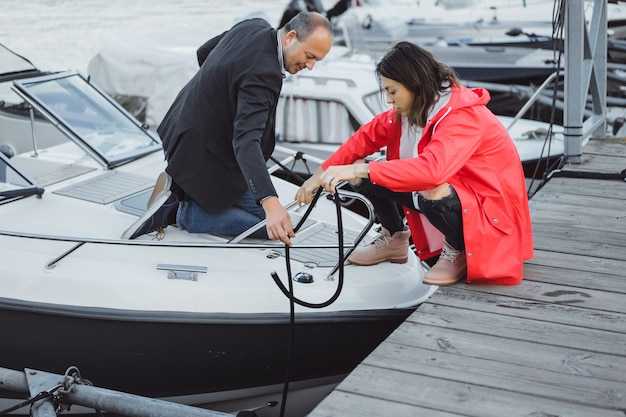
Začněte s jasnou myšlenkou a uzamkněte registraci oficiálním postupem, abyste se vyhnuli zpožděním. Tento krok snižuje mnoho rizik a udržuje jména v souladu s předpisy, čímž se později snižuje stres.
Ověřte dostupnost, jakmile se nápad zrodí, protože registrační systém na pozadí ověřuje označení trupu a existující registrace. Probíhají tři kontroly: aktuální jména v evidenci, potenciální konflikty s trupem a omezení počtu znaků. Podle skutečnosti registrátor vyžaduje, aby jména byla čitelná na trupu a bočních stranách. Existuje mnoho případů, kdy byla jména použita již dříve, proto kontroly zabraňují konfliktům. V dostupnosti a souladu s předpisy je hodně v sázce.
Přemýšlejte o osobnosti a tématu. Pro rekreační plavidla by jméno mělo odrážet atmosféru, nikoli náhodná písmena. Jméno jako Neptun se hodí k námořnímu prostředí, ale ponechte ho jednoduché, se třemi až osmi znaky, se zaměřením na čitelnost na trupu a na odznacích. Pokud si nejste jisti, můžete si udělat rychlý návrh s rodinou nebo posádkou a otestovat reakce. Vyhněte se také čemukoli, co napodobuje nouzi, nebo je v rozporu s existujícími jmény.
Před odesláním sestavte seznam možností: jména, která jsou jedinečná, mají jen několik slov a ještě nebyla použita. Drobné změny po schválení vyžadují opětovnou registraci. Pokud bylo jméno schváleno, pečlivě naplánujte přejmenování; pozdější přejmenování zvyšuje náklady a způsobuje zmatek u veřejnosti. Použijte metodu, kterou jste si vybrali k podání registrace a uzamkněte výběr před odesláním.
Humor a Šarm: Jak vymyslet vtipné jméno pro loď, které zaujme (a neurazí)
Začněte s jasným záměrem: vytvořte humor, který zaujme, aniž by překročil hranice. Vytvořte tři až pět témat – pirátské historky, rybářské slovní hříčky nebo kapitánské vtipy – a z každého tématu vygenerujte tři až pět možností. První jméno, které se hodí k liniím vaší lodi, působí lehce, chytře a není zlomyslné a projde licenčními kontrolami, udává pevný tón pro vaši loď. Pokud je později přejmenována, můžete znovu použít myšlenku za vtipem, aniž by ztratila své kouzlo. Udržujte seznam krátký; snazší rozhodování vychází z udržování možností stručných. Každé téma přináší první část slovní hříčky, kterou je třeba otestovat.
Záleží na struktuře: jména mějte krátká a čitelná – ideálně do tří slov a 20 znaků. V zákulisí se kratší řádky rychleji čtou v přístavu i v licenčních formulářích. U malých plavidel, jako je střevle, se jasná, jediná myšlenka dobře šíří po vodě i souši a snadno se registruje. Použijte první část vtipu jako základ a pak pointu, která signalizuje účel vaší lodi. Udržování konzistentního vzoru jmen pomáhá vaší posádce, přátelům a rodině zapamatovat si je po celou sezónu. Vždy zkontrolujte, zda se znaky vejdou na trup a palubní značení, aby jméno zůstalo čitelné na první pohled.
Zásady pro humor: vyhýbejte se shazování slabších nebo cílení na skutečné lidi; zaměřte se na slovní hříčky založené na slovních hříčkách, námořním žargonu nebo chytrém zavádění. Pro stavbu vtipu použijte tři části: úvod, zvrat, pointa. Pokud vtip spoléhá na konkrétní kulturu nebo stereotyp, přejmenujte ho nebo nahraďte ho; jinak nepatří, pokud působí exkluzivně. Nálada a humor vašeho kapitána by měly být inkluzivní a odrážet vaše zkušenosti na vodě. Zkušenosti s vaší lodí se odrážejí v názvu a název by měl být vstřícný jak pro stálé zákazníky, tak pro nováčky. Dobré pravidlo: co funguje na palubě, by mělo fungovat i v doku, za kormidlem, v marině, během licenčních kol.
Příklady pro podnícení nápadů: “Kapitán Vtip” zůstává čistý a přátelský; “Marina Smích” je dobře čitelná z dálky; “přejmenovaná Střevle” vtipně odkazuje na velikost; “Malá Ryba, Skvělý Chlapík” mrkne, aniž by překročil hranici; “Země na Obzoru, Kapitáne” kombinuje klasiku země/pláže s uznáním posádce; “Třípatrový Smích” používá styl tří slov. Všimněte si rytmu a čitelnosti; použijte filtr tří kroků: braly by tyto řádky v úvahu vaše pravé a zkušenosti vaší posádky? Pokud je zpětná vazba pozitivní, ponechte ji; jinak přejmenujte řádek, aby lépe odpovídal lodím a kultuře mariny.
Závěrečný kontrolní seznam: ověřte licenční požadavky ve vašem regionu; ověřte, zda jméno již není zaregistrované; ujistěte se, že délka je čitelná na řádcích a značkách; řekněte to nahlas třem lidem a všímejte si, jak to zní v marině, a upravte to, pokud to působí neohrabaně nebo zle. Všímejte si rytmu a čitelnosti; věřte svému právu na přejmenování, pokud zpětná vazba naznačuje lepší možnosti; udržujte malou sadu záloh pro budoucí změny licencí; s tímto přístupem získají vaše lodě skvělé, zapamatovatelné jméno, které odráží cestu, nikoli momentální vtip.