


 Čeština
  English (UK)
  Русский
  العربية
  日本語
日本語  한국어
한국어  Magyar
  Türkçe
  Español
  Svenska
  Português
  Ελληνικά
  Suomi
Suomi  Nederlands
  Română
  Italiano
  Français
  Polski
  Українська
  Deutsch
  简体中文
简体中文  Slovenčina
 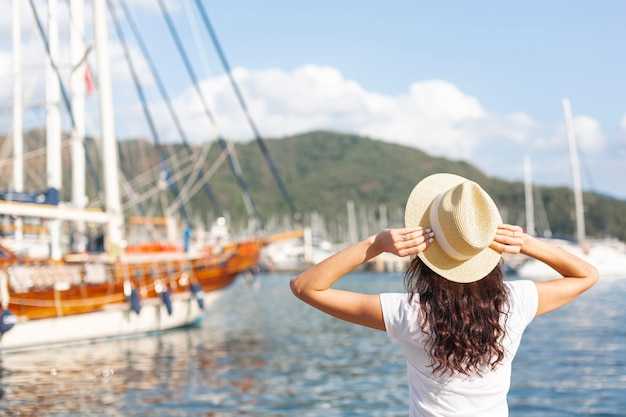 Best Sailing Destinations in the Mesmerising Mediterranean – Top Routes & Ports">

Kick off this summer with a bareboat charter in the cyclades to lock in a choice of sheltered anchorages, pristine plážea charming ports that define the region a nabídnout zkušenosti at every turn.
In the cyclades loop, start at Mykonos, slide to Paros a Naxos, then swing to Santorini nebo Milos for dramatic caldera views and wine tastings on cliffside terraces. For the croatian coast, anchor in Split, Hvara Korčula, sailing the areas around Dubrovnik for crystal water and sheltered coves along the Dalmatian shoreline.
In the levant, cruise along Cyprus’s southern shores, pause at pláže where crystal water invites a swim, and push into Turkish coasts for activities like windsurfing. This region blends holidays with wine tastings and vibrant markets, offering nesrovnatelný scenery and easy hops between sheltered bays.
For a well-rounded plan, minimize daily sails and maximize shore time by staging 3–5 day hops in the cyclades, 5–7 days along croatian coasts, and 4–6 days in levant routes. This choice ensures zkušenosti at anchor and time to savor local wine and fresh seafood, with areas like Split nebo Mykonos offering ideal launch points and pláže within easy reach of each marina. The peak of your trip arrives when you watch the sun dip behind Santorini after a day of calm seas.
Let this map guide your planning: the cyclades loop, the croatian coast, and the levant corridor each offer zkušenosti that reward early bookings and flexible itineraries during holidays.
Best Sailing Destinations in the Mesmerising Mediterranean
Begin with ibiza for a first taste of the Mediterranean: serene coves by day, buzzing nightlife by night, and ample options for couples seeking a balanced mix of scenery and atmosphere.
From there, chart corridors linking Mallorca, Sardinia, Sicily, and the Amalfi coast. Each stretch offers large horizons, rich coastlines, long anchorages, and the chance to drop anchor in hidden little bays along the way.
Such routes suit different tastes: large catamarans glide along broad harbours, while experienced skippers mount rocky headlands to scan magnificent sunsets over history-rich towns located along the coast.
Summer pacing means choosing calm anchorages near little villages, with time to stroll cobblestone lanes, gather key items for a smooth cruise, and sample seafood while the sun sinks over the horizon.
Plan two or three short legs per day and select corridors that run through sheltered pockets to minimize tricky winds. This approach keeps the cruise serene and enjoyable for youre sailing summers together.
In the Balearics, ibiza provides a base that offers a mix of shore life and maritime calm; located near two main corridors to Menorca and Mallorca, it makes a practical start for youre sailing summer adventures, with enough options to switch pace from quiet days to lively nights.
Best Time for Balearic Island Hopping (Mallorca, Menorca, Ibiza)
Target May or September for Balearic island hopping. With fresh air and crystal-clear waters, these months provide comfortable temperatures, calmer anchorages, and lighter crowds.
- Typical conditions by months
- May: highs 22–26°C, sea 18–22°C, winds 8–20 knots, levant winds mild; pleasant sailing and easy anchoring.
- September–October: 23–28°C on land, sea 21–25°C, winds 10–18 knots; fewer crowds; good swimming and shore visits.
- June–August: hot and lively; daytime highs near 30°C; seas 23–26°C; winds can be lighter in afternoons, marinas fill early; plan early sails and late dips.
- Anchorages and routes
- Mallorca offers sheltered anchorages around Pollensa Bay and Alcúdia; Cala d’Or and Cala Mondragó provide idyllic coastlines for midday rests; narrow coves along the north coast suit short hops.
- Menorca is known for calm anchorages near Cala Galdana and Cala Mitjana, plus Mahón harbor; Ciutadella provides a historic stopover; during levant winds these spots offer protection.
- Ibiza combines lively harbours with calmer havens at Cala Bassa, Cala Conta, and Santa Eulària; use protected anchorages for overnight stays after day sails.
- Planning and considerations
- Within a typical charter, a two- to three-week itinerary lets you explore each region and visit Roman ruins or a museum in Palma or Mahón; youre on a pace that suits families and sailors alike.
- During peak months, lock in moorings early and target shoulder months for better rates; if youre after a relaxed, less crowded plan, choose May or September.
- Compared with the cyclades, the Balearics offer more predictable winds in May and September.
- Another tip: create a flexible plan with reserve days in case winds rise; this keeps your anchorages comfortable and your place on marinas available.
- Cultural and historical notes
- In Mallorca and Menorca you can pair sailing with land visits to Roman ruins and small museums; spend a morning ashore and return for an afternoon sail.
- The levant coast and island towns offer atmospheric evenings–perfect for a favourite harbour and sunset strolls.
- Two-week sample plan
- Days 1–4: Mallorca coast from Palma to Pollensa Bay; anchor in sheltered coves and explore the old town and harbourside eateries.
- Days 5–9: sail to Menorca; base near Mahón and Cala Mitjana; swim in crystal-clear waters and visit a local museum or archaeological site.
- Days 10–14: finish in Ibiza with a couple of days around Cala Bassa and Cala Conta; end at San Antonio or return to Mallorca if your charter allows.
Corsica to Sardinia: Ideal Route, Distances, and Must-Visit Ports
Begin in Bonifacio, Corsica, and cross the Bonifacio Strait to Santa Teresa di Gallura, Sardinia. The direct leg runs roughly 22–28 nautical miles, a perfect start to a yachting season that celebrates italian beauty and the prestige of France’s coast. This crossing sits in sheltered corridors that let you settle into the sails while enjoying a quiet horizon and pristine water. This route has been a favorite for crews seeking a concise, scenic intro that suits both seasoned captains and first-time skippers.
From Santa Teresa di Gallura, push into the Maddalena archipelago. Distances range about 20–30 nautical miles to Cala Spalmatore or La Maddalena town, depending on your anchorage. The leg combines charming coves with a haven-like feel, and you’ll love the range of options for safe berths, from sheltered bays to sunlit coves inviting a refreshing swim, whilst you scan the horizon for lighthouse beams turning the seas into diverse worlds of color.
La Maddalena to Palau (gateway to the Costa Smeralda) covers roughly 28–40 nautical miles. If you thread through the inner channels, you’ll enjoy dramatic scenery and pristine water; if you hug the outer shore, you’ll gain a smoother passage. From Palau, Porto Cervo sits about 20–30 nautical miles away, delivering a prestigious marina scene, world-class dining, and a hub where you can plan further explorations whilst the coastlines around Capriccioli offer perfect quiet anchorages for a restful night. This leg provides options that allow you to choose the pace that suits your crew and forecast.
Must-visit ports along the route include Santa Teresa di Gallura for its charming old town and quiet harbor, La Maddalena town as a haven with steep lanes and sea views, Palau for easy access to the Maddalena archipelago, and Porto Cervo for celebrity-style dining and boutiques. Olbia offers a real city base with markets and a lively waterfront, while Bonifacio provides dramatic cliffs on Corsica’s southern edge. The mix combines french and italian heritage, a prestigious backdrop that has been loved by mediterranean sailors for years and that offers both tradition and luxury in a single sail. If you extend, Cannigione and Cala Gonone add quieter options with pristine coves and excellent snorkeling opportunities, building a broader loop around the region.
Season guidance favors May through October, when steady winds and warm seas maximize sailing days. Meltemi-like gusts can appear, so plan anchorages with lee protection and be ready to adjust legs if conditions sharpen. The route provides a range of options and daily distances, so you can choose a pace that suits your crew and avoid disappointed days ashore or at sea. The beauty of Maddalena’s bays and the Costa Smeralda’s creeks makes the voyage a true haven for lovers of coastal scenery around the western Mediterranean.
Amalfi Coast & Capri: Key Stops and Sailing Windows
Plan a 7–9 day charter in May–June or September–October for Amalfi Coast & Capri, starting in Amalfi and finishing in Capri, with a comfortable pace and moorings available to guests. This popular route combines cliff faces, sheltered bays, and long horizons that suit a well-equipped jachta and a crew focused on guest comfort, guests often return year after year.
Key stops and order: Amalfi, Positano, Sorrento, Capri. In Amalfi you have convenient moorings and provisioning, a popular start for a relaxed cruise; Positano delivers dramatic coastlines and easy strolls, while Sorrento serves as a sheltered cradle and gateway to day trips. Capri delivers the crown jewel with Marina Grande moorings and onshore options; a long stay here lets guests explore Anacapri, sea caves, and easy hikes. For a longer levant circuit or a france-a-and-monacos detour can be woven in, while an ionian extension remains available for a separate voyage, broadening routes and patterns without sacrificing the core Amalfi-Capri charm.
Sailing windows and conditions: late spring and early autumn bring winds in the 6–18 knot range with steady patterns. Arrive in Capri before the midday crowds to secure moorings and enjoy the best views from the pier. Always plan to book moorings well in advance, as a limited number are available during peak weeks; have a backup plan to anchor in calmer bays if berthing fills. This approach keeps the pace comfortable, with long, enjoyable days at sea followed by memorable evenings ashore.
Practical planning tips: work with an experienced captain who understands the north coast’s tavernas, cliffs, and sheltered harbours; include land days in Amalfi, Ravello, and Capri for guests who crave culture as well as swimming. A well-structured plan lets guests experience mesmerising cliff panoramas and lemon groves, while the crew handles provisioning and safety with calm efficiency. For year-round enthusiasts, this core route can be extended with a brief hop to france and monacos or a broader ionian loop, but the Amalfi-Capri section remains the heart of the experience.
Dalmatian Coast: Protected Anchorages, Marinas, and Seafaring Tips
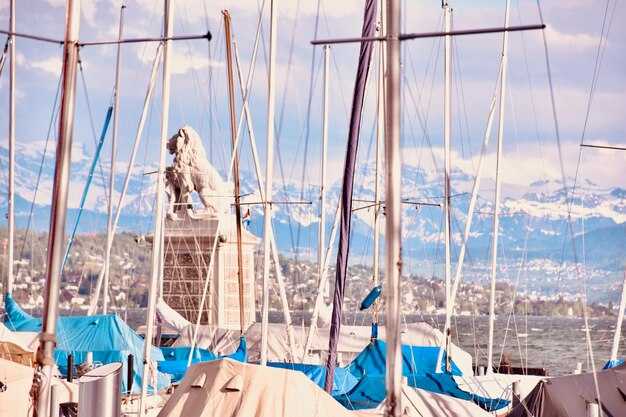
Anchor in Telašćica Bay (Dugi Otok) for a protected, crystal-clear inlet with turquoise water and easy access to coves for beach swims and shelter from winds. This is the best starting point on the Dalmatian coast, with quick hops to nearby islets and green shores.
From there, explore Kornati coves and Mljet pockets, where seas stay calm and scenery remains idyllic, offering accessible anchorages with simple shore landings by tender and convenient mooring options near tavern-dining spots.
Marina options deliver reliable services: ACI Marina Split, ACI Marina Dubrovnik, ACI Marina Zadar, and Marina Kaštela provide fresh water, fuel, Wi‑Fi, maintenance, and dining choices within easy reach of historic town attractions. These marinas are favourite stops for many crews and visiting vessels. croatian crews and france remains a popular source of charters for this route.
Seafaring tips: check wind forecasts and plan weather windows; use sheltered anchorages south of town when possible; follow environmental guidelines: pick up waste, use mooring buoys, and avoid anchoring on seagrass beds; arrange fresh provisions in Split or Dubrovnik; keep a green approach and consider local suppliers for sustainable seafood. For shore visits, a taxi is a quick, convenient option to reach beaches and dining districts.
Along the coastlines you’ll find places and attractions that feel idyllic: beaches with crystal-clear water, medieval towns with winding lanes, and harbourfront markets with treasures such as olive oil, wine, and seafood. The mix of accessible anchorage, easy marina access, and warm croatian hospitality makes this stretch a favourite for many families, couples, and others seeking a memorable sailing itinerary.
Aegean & Ionian Routes: Winds, Permits, and Best Island Hubs
Begin in Lefkada and chart a southern arc through Ithaca, Kefalonia, and Zakynthos for steady levant winds, sheltered bays, and easy provisioning.
Winds and waters: In the Aegean, Meltemi ramps up by late morning from July to August, delivering 20–28 knots and rougher seas toward the Cyclades; in shoulder months you’ll see gentler 12–18 knots and calmer waters between Naxos, Paros, and Mykonos. The Ionian stays milder with 10–20 knots on average, with lower wind speeds in late afternoon, giving smooth sailing and clear waters around Lefkada, Ithaca, and Kefalonia; you’ll also enjoy long, quiet beach days after the afternoon breeze drops.
Permits and formalities: Greece does not require a general sailing permit for island hopping on a charter, but harbor master clearance is common for temporary moorings in bays; always call ahead to marina offices or the local coast guard when planning a stop near shore villages or protected area entries.
Best island hubs: In the Aegean, Naxos serves as a fresh base with extended provisioning options, long beach runs, and welcoming greek tavernas where you can pair local wine with sunset views. Paros offers a graceful balance of scenic villages, dining, and steady winds for a relaxed day between anchorages. Mykonos delivers world-class nightlife and efficient marinas, while Syros offers a more authentic Greek Island experience and easy sailing legs. In the Ionian, Lefkada acts as a central hub with direct routes to nearby gems; Ithaca and Kefalonia present dramatic coastlines, welcoming bays, and turquoise waters, and sailors linger for the dramatic sunsets. Zakynthos rewards with turquoise waters and iconic Navagio beaches; Corfu adds cultural depth and frequent sailing events that keep sailors coming back.
Practical tips: Today, the choice should lock in wind windows, distance between stops, and provisioning needs; aim for 60–100 nautical miles on the longer legs and allow extended stays for beach time and dining. If you fear being disappointed with crowds, choose smaller anchorages and stagger visits to popular bays; always have another backup plan such as another nearby marina for quick refit or provisioning run. For a porquerolles vibe, add a long hop to porquerolles if you extend your voyage into the southern French coast; if nightlife calls, ibiza remains a benchmark, but this route offers calmer evenings, lower crowds, and an easier rhythm to avoid overwhelmed on an extended itinerary into the heart of the Med.