


 Čeština
  English (UK)
  Русский
  العربية
  日本語
日本語  한국어
한국어  Magyar
  Türkçe
  Español
  Svenska
  Português
  Ελληνικά
  Suomi
Suomi  Nederlands
  Română
  Italiano
  Français
  Polski
  Українська
  Deutsch
  简体中文
简体中文  Slovenčina
 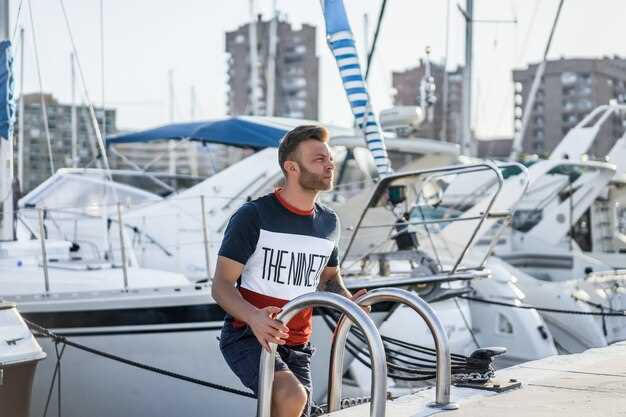 Aegean Clipper – The Ultimate Guide to Sailing the Greek Islands">
Reserve your late-summer departure from eskiçeşme and lock in the best rates, ports, and dates for a Cyclades-to-Dodecanese loop.
Submit a clear client request with your dates, route priorities, and dietary needs (food). Our services team coordinates with your bank for deposits and flexible payment options, and we align the subject of the charter to your goals.
Within the charter, insurance covers medical emergencies and trip interruptions. The crew reviews risk, provides life jackets, and runs a short safety drill on the indoor lounge before departure. The lounge serves as a climate-controlled briefing area during weather updates.
Accommodating groups, the vessels support up to 12 guests, with modular cabins and a social dining area; the galley offers fresh seafood and vegetarian options, and the onboard menu adapts to dietary needs.
To book, confirm your subject preferences, finalize dates, and complete payment. Our team sends a transparent contract with cancellation terms and a clear insurance plan. The itinerary highlights ports like Mykonos, Paros, Naxos, and Santorini, with weather windows typical for late-summer sailing and calm seas for sailing days.
Practical Route Planning and Sailing Logistics
Plan the first leg to a well-equipped harbour on the dodecanese with an airport nearby, so you can provision, recharge devices, and check wi-fi before you sail further. This move must keep you comfortable and ready for the days at sea.
Define daily hops of 15–25 nautical miles, adjusting for wind, currents, and crew stamina. Use a combination of printed pilot guides and digital charts, and select a gulet with an attentive crew, which matches your pace. Prioritize harbours with reliable facilities, fresh water, and easy access to shore power. In the dodecanese you’ll find protected bays, towns with markets, and practical stops that fit your rhythm.
Before you commit, map out payments: deposit, balance, marina dues, and mooring fees. Ask for an itemized price list and note what’s provided aboard, including safety gear, a spare towel, and kitchenware. Bring money in the local currency plus a card; check if the captain accepts payments by card or prefers cash.
When you approach each harbour, align your plan with the nearby airport options and local transport. Schedule onshore days in towns with reliable wi-fi, grocery shops, and laundries. Be attentive to the crew for berth assignments and tide-friendly moorings. A bona crew can coordinate late arrivals, fuel and water top-ups, and transfers to the quay. After shore days, return to the gulet with a refreshed crew and a tidy cabin.
Onboard, ensure the approach to daily life is simple: a fully stocked galley, a dependable skipper, and a connection for weather updates. Verify quay facilities at each stop–electricity, water, and waste disposal–and confirm the presence of a towel and fresh bed linen between stops. In peak season, book a price-sensitive option that includes a couple of nights in Rhodes, Kos, and Symi, with backup harbours like Kalymnos or Nisyros if weather shifts.
7–10 day route templates for Cyclades and Dodecanese
Recommendation: Start with Template A for a compact 7-day Cyclades loop: Mykonos → Paros → Naxos → Koufonisia → Amorgos → Santorini → Paros → Mykonos. Most legs stay in the 3–4 hour range, they stay in protected ports, and you can cancel a leg if the forecast shifts. Keep meals simple at local tavernas and use sheltered coves when wind picks up.
Template A: 7 days – Cyclades loop
Day 1: Mykonos → Paros (Parikia or Naoussa), 18–22 nm, 3–4 h. Stay in a sheltered cove near Parikia; stroll the gallery-lined quays for sunset shots, then send a quick check-in form to the captain for weather updates. Private moorings offer a quiet option if the main quay fills up. They often have conditioner-equipped cabins and reliable showers after meals ashore.
Day 2: Paros → Naxos (Naxos Town), 15–18 nm, 3 h. Most crews choose the harbor at Naxos Town for a stroll and groceries; portions of the town have private beaches and tavernas with fresh seafood to fuel the afternoon sail. Charge the generator if you’ll run air conditioning in the heat, then click the marina app to refresh weather and port information.
Day 3: Naxos → Koufonisia (Chora), 12–16 nm, 2–3 h. A protected transit with minimal seas. They love the Ano Kou Koufonisi anchorage for a swim and a quiet dinner on deck.
Day 4: Koufonisia → Amorgos (Aegiali or Katapola), 26–34 nm, 4–5 h. Choose a lee cove near Amorgos for the night, where a small gallery of local photos decorates the quay. Gather supplies in the morning, and keep a private plan handy in case wind shifts require a canceling of a late sail.
Day 5: Amorgos → Santorini (Fira or Oia), 70–90 nm, 6–9 h. Long day, so break with a controlled pace and a lunch stop at a protected cove along the way. Expect a technical leg; pay attention to currents and winds. If you prefer a lighter pace, swap Santorini for Folegandros as a stop and shorten the next day’s leg.
Day 6: Santorini → Ios (or Paros, depending on conditions), 18–28 nm, 3–5 h. Ios offers coves for a quiet evening or a lively toward-town vibe depending on mood. They can share a private galley tour or book a private skipper for a shorter hop the next day.
Day 7: Ios → Paros → Mykonos, 40–60 nm total, 6–8 h. Return to a familiar port; most crews finish with a celebratory dinner ashore and a quick washdown, then prepare for disembarkation or a longer crossing to the mainland the next day.
Template B: 9 days – Dodecanese loop
Day 1: Rhodes (Mandraki) – base for the loop. Port options include protected harbors with reliable shore power and a small private gallery of old-town photos nearby.
Day 2: Rhodes → Symi, 20–28 nm, 3–4 h. Symi’s pastel harbor fronts set a relaxed pace; anchor in a quiet cove if the harbor fills early. They often offer a private dinghy shuttle to town for meals ashore.
Day 3: Symi → Kalymnos, 12–22 nm, 2–4 h. Kalymnos presents sea caves and cave snorkels; plan a generator check if you’ll need power in the private mooring. Click the harbor app for last-minute slips and weather.
Day 4: Kalymnos → Leros, 8–20 nm, 2–3 h. Leros provides a sheltered anchorage and a city gallery of waterfront photos; stock up on water and fuel if you’re away from the main quay.
Day 5: Leros → Patmos, 20–28 nm, 4 h. Patmos offers quiet coves and a famous monastery. They may cancel a late leg if seas pick up, so have a flexible plan and a backup option in mind.
Day 6: Patmos → Kos, 20–30 nm, 3–5 h. Kos Town has a solid provisioning scene; consider a private taxi to the ancient sites after a morning sail and a robust lunch plan near the port.
Day 7: Kos → Nisyros, 10–20 nm, 2–4 h. Nisyros presents a stellar caldera view from the cockpit; anchor in a snug cove and enjoy a quiet evening ashore.
Day 8: Nisyros → Rhodes, 20–40 nm, 4–6 h. Return toward base; the last leg benefits from a calm morning, with a final meal on deck before disembarkation.
Day 9: Optional day in Halki or a second pass through Kos for weather contingency; use it to reset, refuel, and prepare for departure. They use a concise port call form to log the day’s plan and send updates to the captain.
Template C: 10 days – Cyclades first, then Dodecanese
Day 1: Mykonos → Paros, 18–22 nm, 3–4 h. Settle into Paros’ harbor and capture the first sunset in the Amphitrite gallery, then plan the next leg with the captain’s chart. They recommend a private stop if winds climb.
Day 2: Paros → Naxos, 15–18 nm, 3 h. A straightforward hop to Naxos Town for groceries and a stroll along the marina. Meals ashore work well here; a quick conditioner check after hot days keeps cabins comfortable.
Day 3: Naxos → Koufonisia, 12–16 nm, 2–3 h. Chora Koufonisi offers sheltered anchorages and a cluster of tavernas for a long lunch and a sunset swim.
Day 4: Koufonisia → Amorgos (Aegiali), 26–34 nm, 4–5 h. Pick a lee anchorage; enjoy a calm evening with a private dinner onboard or ashore.
Day 5: Amorgos → Santorini, 70–90 nm, 6–9 h. Treat this as a longer passage with a mid-day swim break in a protected cove; keep a close eye on weather windows and be ready to switch to a shorter leg to Ios if needed.
Day 6: Santorini → Ios, 18–28 nm, 3–4 h. Ios provides a good balance of quiet coves and a lively port town for an evening meal.
Day 7: Ios → Paros, 20–30 nm, 3–5 h. A shorter hop to regain a Cyclades vibe; anchor near a quiet cove if the wind shifts, then enjoy a gallery stroll along the waterfront.
Day 8: Paros → Rhodes (via a mid-point stop if needed), 60–90 nm total, 6–9 h. Use the longer leg to set up the Dodecanese portion; a shallow anchorage near a small cove makes a comfortable night.
Day 9: Rhodes → Symi, 20–28 nm, 3–4 h. Symi’s harbor is a natural highlight; plan a private meal ashore and a walk to the old harbor breeze.
Day 10: Symi → Kos, 40–50 nm, 6–7 h. End with a strong provisioning stop and a finish-line feel; if weather shifts, swap to Kalymnos or Patmos as a backup. Money-saving tip: book ahead and use the form to request a private berth and generator-equipped mooring if you’re running climate control on hot nights.
Tips they’ll find helpful: bring a portable generator for evenings in private coves, keep meals flexible with local tavernas, and use the online form to send a quick weather check and port request before each leg. If canceling a leg becomes necessary, choose the next shorter option and regroup in a protected cove. The right plan balances wind, currents, and time in port, while a private stop adds comfort on hot days. A small conditioner helps keep cabins comfortable after long sails; the captain’s notes always include a quick click to update the day’s plan in the gallery‑style log. They’ll appreciate the money sense of sticking to planned ports and meals, plus the expert advice that a 9–10 day mix often yields the best overall experience without feeling rushed.
Bareboat vs crewed charter: requirements, add-ons, and best use cases
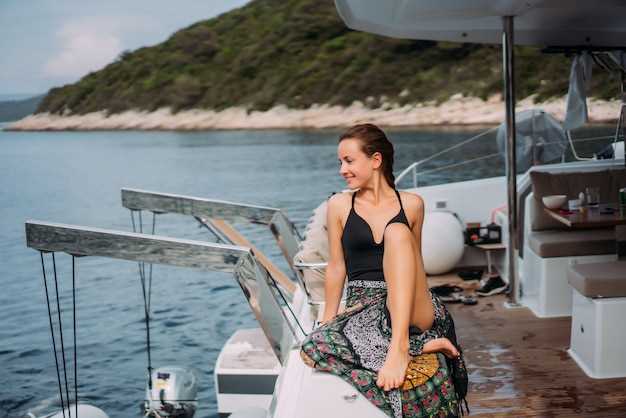
For a first Greek island run, choose a crewed charter; you gain a captain, host or chef, and provisioning without handling sailing duties. If you bring proven sailing skills and want full control of the pace, a bareboat offers flexibility and lower daily costs.
Bareboat requirements include a valid license (ICC or RYA Day Skipper or equivalent), proof of logged miles and night hours, and a passport or ID for check-in. Expect a written charter agreement, a security deposit charged to your bank card, and a briefing on safety procedures and local rules. Some fleets request a permit for specific routes or ports and may require you to clear customs on arrival at Greece. Bring a double cabin option in the plan if two couples travel together, and confirm the standard safety gear is on board before you write the contract.
Add-ons for bareboat cover practical needs: a professional skipper if your client has limited time or no recent practice, provisioning service to stock fruit (banana, fruit, and basics), outboard for the tender, a Wi‑Fi package, additional snorkelling gear, and water toys. You can arrange call or e-mail coordination with the broker or fleet to confirm the date, arrival, and airport transfer details, then share the written plan with their team before departure.
A crewed charter removes most staffing concerns; the captain handles technical sailing and coast navigation, while a hostess or chef manages provisioning and outdoor dining. You receive a fixed itinerary, and their crew adapts to weather, transit time between islands, and outdoor activities like snorkelling or beach hopping. You still reserve an arrival date and meeting point, and you can call or e-mail to adjust plans. Expect higher rates, but a smoother experience on yac hts with refined amenities and finest dining options, plus flexibility if you need to change course along the coast of Greece.
Best use cases: choose bareboat when you are an individual or small group of confident sailors who want to set your own route between the finest harbours and islands, with a plan featuring standard routes and double-berth yachts. Select a crewed charter for first-timers, large groups, or families who value safety, seamless provisioning, and on-board experts guiding snorkelling, island transit, and culture stops. In both cases, align on a date and arrival timeline, prepare the bank details for deposits, and confirm port and customs procedures in writing to avoid delays at the airport or coast side. If you want tailored itineraries, they call or e-mail your broker to assemble an optimal plan across Greece’s coast and islands.
What prices exclude on charter quotes (crew, fuel, provisions, taxes, port fees)
Plan for extra costs upfront: crew, fuel, provisions, taxesa port fees are not included in base quotes.
The base rate covers the boat only. All five excluded items appear as separate line items in most offers, including those from infolunayachtchartercom and the standard policy pages that accompany jachting charters. For a yatı charter in the dodecanese, you will see a daily crew charge, a fuel estimate, provisioning costs for meals and beverages, plus VAT and port dues assessed by each harbor. This structure helps client compare apples to apples across boats and operators who offer clear cost breakdowns.
Typical numbers to plan for: captain 150-350 EUR/day; chef/stew 150-300 EUR/day; full crew on larger boats 250-600 EUR/day. Fuel can add 20-60 EUR per day with light motoring, rising with longer legs or headwinds; provisioning depends on meals and drinks but commonly ranges 20-50 EUR per person per day for basic groceries and 50-100 EUR for more elaborate meals and wine. Taxes usually add around 13% VAT on the base rate; port fees vary by port and season, often 20-60 EUR per night plus possible additional harbour or marina dues. In popular routes like the dodecanese, these charges accumulate quickly if you sail between busy ports or anchor near sunbathing spots or beaches. Remote itineraries near atol destinations can keep fuel modest, but crew charges still apply.
To avoid surprises, ask for an itemized quote with each excluded item clearly shown. Verify payment terms: is a deposit or bank transfer required, and when is it due? Check if towels are included or if replacements cost extra; ensure the boat is equipped and kept clean, so the experience on board is comfortable for the client. If you have specific needs, discuss them in advance with the broker to keep the voyage accommodating.
Preparing in advance helps you compare quotes; much of the variance comes from who provides the crew, how fuel is charged, and which ports are included. If you see a quote that seems low, request clarification about exclusions and inclusions, then verify with a second source such as infolunayachtchartercom or a bona fide policy statement to confirm they offer a transparent approach.
Bottom line: with clear, prior communication, you will identify the real cost and avoid surprises when you reach your dreams of yachting in the sun across the dodecanese and beyond. The right policy and a well-prepared plan will keep your group sunbathing a ručník ready, bank details lined up, and the počasí window favorable for a safe, easy voyage.
Marina vs anchorages: budgeting for ports and mooring costs
Recommendation: adopt a mixed plan–reserve most nights for anchorages and allocate a smaller portion to marina stays in key towns to access wi-fi, fridge power, and provisioning. This keeps overall spend predictable while preserving flexibility for weather and invitations to explore galleries, harbour views, or evening entertainment.
Pricing basics help you design a realistic budget. For a 12–14 m yacht in the Aegean, expect marina moorings to run roughly 60–100 EUR per night in quieter towns, climbing to 100–180 EUR in peak season or well‑known harbours. Those prices apply to most popular islands; in highly visited hubs you’ll see the upper end more often. Anchorages and buoy moorings offer far lower costs: many bays are free or charge 5–15 EUR per night, with official buoys ranging up to 15–25 EUR in busy seasides. Between marinas and buoys, you can trim living costs by about less than half on a typical week if you choose more anchorages.
- Electricity and water: add 5–15 EUR per night at marinas; expect little or nothing at anchorages unless you book a marina‑run buoy. If you rely on a fridge or other appliances, factor extra 2–6 EUR nightly for power passes in some marinas.
- Wi‑Fi and entertainment: some marinas include it; if not, plan 4–8 EUR per day. In towns with vibrant entertainment or gallery views, budget a bit more for evenings out–drink, food, and live music can run 15–40 EUR per person.
- Poplatky za přístav a pravidla: přístavní úřady zveřejňují jasnou politiku týkající se kotvení, časů odbavení a vrácení peněz. Vždy se zeptejte na aktuální ceník a případné týdenní nebo vícedenní slevy.
- Kredit a platba: Většina přístavů přijímá platební karty; vždy mějte u sebe drobné množství místní hotovosti na poplatky za bóje nebo sprchy. Pokud si zažádáte o vícedenní nebo věrnostní sazbu, dosáhnete největší úspory při delších pobytech.
- Žádosti a pomoc: kontaktujte přístavy předem ohledně času příjezdu a délky mola. Ti, kteří plánují dopředu, si snadněji zajistí preferovaná místa v rušných městech a vyhnou se cenovým nárustům na poslední chvíli.
Plánování trasy: pokud vaše trasa zahrnuje Bodrum a několik pobřežních měst Egejského moře, použijte kotviště pro většinu přesunů mezi většími přístavy. Například můžete strávit 2–3 noci v marině v každém z větších měst na doplnění zásob a zbytek týdne kotvit v klidnějších zátokách. V závislosti na větru budete střídat levnější bóje a občasné pobyty v marinách, abyste udrželi komfort bez neřešení rozpočtu.
- Odhadněte počet nocí strávených v marinách oproti kotvištím na základě vašeho plánu a počasí.
- Vypsat města s nejlepšími cenovými relacemi a zkontrolovat dostupné podmínky pro týdenní sazby.
- Sestavte základní rozpočet okolo 60–120 EUR za noc na maríny a 0–25 EUR za noc na kotviště, s úpravami podle popularity ostrova.
- Zkontrolujte alternativní možnosti v příspěvcích do blogu a galeriích a zaznamenejte praktické tipy pro používání wi‑fi, nápojů a nabíjení telefonu.
- Sdílejte plán se svou posádkou a upravujte jej, jak sbíráte požadavky od posádky a hostů.
Praktická rada: udržujte flexibilní rozpočet a sledujte skutečné náklady v jednoduchém záznamu na your-yachteu nebo doprovodném blogu. Pokud ceny rostou, využívejte kratší úseky mezi menšími městy, abyste zůstali v rozpočtu. Pro delší úseky vyjednávejte o cenách za pobyt v přístavišti na více nocí nebo využijte sezónní akce. Antonyho poznámky v blogu často upozorňují na aktuální cenové trendy a dostupné slevy v přístavech, které můžete použít k přizpůsobení vlastního plánu. Stručně řečeno, vyvážená kombinace ústupů a nocí strávených v přístavišti, založená na jasné politice a proaktivním plánování, přináší nejspolehlivější rozpočet pro vaši plavbu – udržuje náklady předvídatelné a zároveň vám umožňuje užívat si výhledy, zábavu a komfort moderního přístavního vybavení.
Sezónní počasí, větrné vzorce a možnosti bezpečných přístavů pro ostrovní přesuny
Zvolte trasu v květnu nebo září, abyste udrželi mírné větry a klidné kotviště, poté začněte v centrálních Kykladských ostrovech a postupujte směrem k Dodekanéským ostrovům pro nejlepší ochranu při delších přesunech. Tato příručka vás provede trasami, plánováním cílů a výběrem přístavů pro ostrovní skákání po Řecku.
Sezónní vzorce se mění s kalendářem. Na konci jara jsou obvykle větry slabší a moře klidnější v chráněných zátokách, což činí brzké plavby pohodlnou plavbou. V polovině léta severní větry známé jako Meltemi proudí přes červenec a srpen a přinášejí stabilní dny s rychlostí 15–25 uzlů a občasné poryvy, které ztěžují podmínky pro překročení otevřeného moře. V září se vzorec zmírňuje a moře se uvolňuje, čímž vytváří spolehlivá okna pro delší plavby mezi ostrovy. Vždy si zkontrolujte mapy a aktuální předpovědi pro přesnou destinaci, do které plánujete plout. Vaše volba v plánovací fázi ovlivňuje trasu, dostupné možnosti přístavů a celkový zážitek pro klienty na palubě.
Výběr přístavu je důležitý. Hledejte chráněné zátoky, přímé přístupy a spolehlivé služby na břehu. Pro komfort na palubě si ověřte koupelny, nápoje a posádky hovořící anglicky a ujistěte se o standardních břehových zařízeních v marině, včetně generátorů, pokud plánujete večery na lodi. Pro přeshraniční nebo delší plavby některé flotily nabízejí guletové itineráře, které začínají ve Fethiye a spojují se s klíčovými řeckými zastávkami; zkontrolujte vlajkovou příznak a platné poplatky před podpisem jakékoli charterové smlouvy. Plánujte pobyt na břehu, kontaktní body s přístavními pracovníky a jednoduchou platební kartu pro nákupy přímo na místě.
| Region | Ukázkové přístavní město | Ochrana | Best season | Poznámky |
|---|---|---|---|---|
| Cyclades | Paros (Naoussa) | Chráněno | May–Sept | Dobrý přístav, přímý přístup pro trasy mezi Parosem, Naxem a Syrose; k dispozici toalety a nápoje; posádky hovořící anglicky. |
| Cyclades | Naxos (Přístav Naxos) | Chráněno | May–Sept | Centrální uzel pro ostrovní přesuny; mapy pomáhají plánovat stručné trasy; standardní služby na břehu |
| Cyclades | Syros (Ermoupoli) | Chráněno | May–Sept | Brána pro rychlé přesuny do dalších Kyklad; přístup a opravy generátoru v blízkosti |
| Dodecanese | Rhodes Town | Chráněno | Duben–Listopad | Možnosti gulet přeshraniční; podepisování a poplatky se liší podle sezóny; robustní služby |
| Dodecanese | Kos Town | Chráněno | Duben–Listopad | Přítomnost posádky anglicky mluvících; dobré zajištění zásob a nápojů |
| Saronský záliv | Piraeus | Chráněno | Spring–Autumn | Hlavní brána na ostrovy; snadný přístup k anglicky mluvícím charterovým společnostem, zásobování a plážovým zařízením. |
| Hraniční | Fethiye (Turecko) do Rhodu | Chráněno | May–Oct | Dostupné trasy guletů; nutné kontroly vlajky a dokumentace; mohou se uplatnit poplatky. |