


 Čeština
  English (UK)
  Русский
  العربية
  日本語
日本語  한국어
한국어  Magyar
  Türkçe
  Español
  Svenska
  Português
  Ελληνικά
  Suomi
Suomi  Nederlands
  Română
  Italiano
  Français
  Polski
  Українська
  Deutsch
  简体中文
简体中文  Slovenčina
  A Beginner’s Step-by-Step Guide to Operating a Jet Ski in Cancun">

Always secure a life vest and finish the safety briefing before stepping aboard. Confirm the lanyard, fuel gauge, and vessel tag, then run a quick check of the handlebar to ensure smooth steering and throttle response. This routine builds exhilaration while reducing risk on a busy Caribbean coast as you prepare for a balanced run.
On the dock, choose a craft that matches your experience. Favor a balanced platform and an ergonomic setup. In a larger operation you will encounter a blend of models from different brand lines, including waverunner units, both new a used. Pick one with reliable brakes, a comfortable seat, and a simple start system to stay aboard longer.
Once afloat, pose with a wide stance, knees lightly bent, and your weight centered. Maintain a relaxed torso and a forward gaze to stay clear of entanglement with lines and nets. Hold the handlebar with a light grip and practice a blend of steering and throttle to maintain a smooth running profile while trimming the waves; this discipline extends your control on the water.
Begin in shallow water: let the engine idle, then slowly advance to a cautious running pace. In crowded bays near shorelines, keep your distance from swimmers and other craft; stay within posted zones and respect local rules to extend your day without incident. The operation becomes predictable when you anticipate wakes and adjust your balance as needed.
Conditions can be different–wind, current, and hull spray–extend the need for caution. Keep your eyes on the water and have a plan for turning back if conditions change; always stay within distance of available rescue resources and a nearby dock. If something feels off, reduce power and reassess; the risk of entanglement or collision is reduced when you maintain a deliberate rhythm.
After your run, return to the marina, shut down, and rinse the hull and drive unit. Store your personal watercraft in shade and secure it to the dock; you should also log the rental or purchase details, noting any entanglement risk or mechanical issue to the operator. This approach preserves the craft and keeps your next ride available for a larger adventure.
Cancun Jet Ski Operation: A Practical, Step-by-Step Guide
Always wear a certified life jacket and perform a pre-ride inspection of the craft, controls, lanyard, and fuel level before you take to the water.
- Pre-ride check
- Verify the vessel is equipped with a lanyard, a functioning kill switch, a whistle, and clear instruction placards with guidelines. Inspect the intake grate for debris that could affect cooling, and confirm the fuel level and battery connections. Ensure the body posture you plan to use is comfortable for stability and controlled movement.
- Confirm you are wearing appropriate footwear and that your weight distribution is prepared for a beginner session. If you are unsure, request a brief safety briefing from certified staff who have years of experience in boating instruction.
- Launch and initial positioning
- Approach the water from a calm dock area and perform a slow, controlled start. Keep the throttle gradual, stay along the designated launch lane, and maintain a balanced stance to protect back and core muscles for stability.
- Keep the machine in a straight line for the first minutes, then practice light turns in shallow water away from heavy traffic. Time your movements to the rhythm of local guidance and the operator’s suggestions.
- Basic driving and control
- Use smooth, intuitive steering inputs; avoid abrupt shifts that can cause instability. Maintain a low speed near shorelines or docks and increase speed only after you confirm a safe space with ample clearance from boat wakes and other watercraft.
- For each maneuver, think about your body position: knees slightly bent, back upright, shoulders relaxed. The goal is controlled acceleration, not speed, especially in busy areas along the channel.
- Traffic, etiquette, and safety guidelines
- Follow local guidelines and stay with the group or guide when provided. Maintain a safe distance from other vessels, paddlers, and swimmers; avoid blocking access to safe routes or exit points.
- When passing wakes, approach them at a shallow angle and reduce speed to preserve stability. Use a wide arc rather than a sharp line to minimize impact on nearby watercraft and onlookers.
- Finishing the session and post-ride care
- Reduce speed as you near the dock, disengage the engine, and securely tie off the craft. Return to the back of the slip with steady hands, then rinse the exterior and intake grate to remove saltwater residue.
- After docking, log the activity time and note any unusual readings or wear. If the instructor or rental staff recommends a follow-up check, schedule it; years of routine maintenance are essential for safety and longevity.
Pre-ride Safety Checklist for Beginners
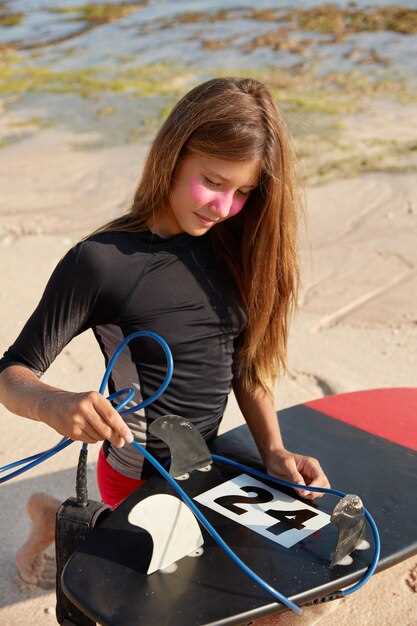
Do this first: secure the platform, strap on a U.S. Coast Guard-approved life vest, and keep a whistle within reach as you plan the ride on time.
Review the official guidelines for your model and the rental provider; confirm the kill-switch lanyard is attached and test ignition, battery, and cooling systems before starting.
Inspect the impeller and intake grate for debris; verify the lower unit is sealed; listen for unusual noises or water expelled from the exhaust; if you detect anything out of the ordinary, do not ride and seek service.
Check fuel level, capacity, and weight distribution; keep the load lower than the maximum; choose a suitable configuration to maintain a čerstvé a vibrant ride; this is a practical option for learners to stay comfortable.
Avoid riding if you are pregnant or have medical restrictions; pregnancy affects balance and reaction time, so postpone until you can ride with full awareness of your limits.
Adopt proper posture and grip; slowly advance the throttle to learn steering; you should feel the hull respond and be able to handle the craft in light turns; unlike car driving, braking relies on engine and rider weight, so practice feeling the balance and time your movements.
In guided tours, follow the instructor’s directions, stay within designated zones, and remain aware of known hazards and nearby boats as you pass through busy channels.
Opt for an ideal learning platform and consider a model from kawasaki that offers stable handling and built-in safety features; this makes the learning path better and sets you up for success.
Tento step is part of a longer safety routine; after a ride, inspect for leaks, check the systems again, and review any notes to improve your next session or tours.
Registration, Local Rules, and Required Documentation
Always confirm registration with the rental operator and carry all required paperwork in hand, reviewing it yourself before heading out. This prep protects against penalties and helps you plan a safe ride into the waterways.
Local rules cover life jackets, permitted operating zones, and speed limits. Weather affects visibility and control, so adjust speed and keep a safe distance from other vehicles while you maintain awareness of surroundings. Braking should feel intuitive, and you must handle the craft smoothly to operate with confidence, minimizing challenges in traffic around crowded shorelines. Slow down and avoid sharp maneuvers around mangrove channels until you know the route.
Documentation and verification: carry a government-issued photo ID, proof of age if required, the rental agreement, and a valid payment method. Some stations accept a motorcycle license as an alternative ID, but confirm with the operator. Have an emergency contact listed and any required permits on board, in a waterproof pouch, to ensure you can respond quickly if needed. Pregnancy restrictions may apply in some locations; if you are pregnant, avoid operation and seek assistance for transport.
To stay prepared, familiarize yourself with the local area before riding. Finding their safest entry points around mangrove boundaries reduces risk. Secure all loose items, adjust the seat for balance, and use the hand grips to maintain control as you enter the water. This enhances awareness and ensures you operate with a calm, deliberate approach rather than abrupt maneuvers in traffic.
Weather and tides influence decisions; if the forecast warns of rough seas or shifting currents, postpone use. Always have an observer on shore when possible to assist with parking and retrieval, and review local signage for changes in rules or restricted areas. Paying attention to awareness and capacity in real time helps you stay safe and compliant.
| Documentation / Requirement | Details |
|---|---|
| Proof of identity | Carry a government-issued photo ID; present on request; verify age and eligibility with operator. |
| Rental agreement | Keep a copy on board in a waterproof pouch; ensure your name is listed and terms are understood. |
| Payment method | Have a valid credit/debit card or accepted method; be aware of possible pre-authorization. |
| License reference | Local rules may accept a motorcycle license as ID; confirm acceptance with the operator. |
| Emergency contact | Provide one contact; store details securely on board. |
| Safety equipment | Life jacket worn at all times; check fit and secure loose items before departure. |
| Area awareness | Know mangrove boundaries, no-go zones, and safe routes; review a map beforehand. |
Starting, Steering, and Acceleration: Hands-on Basics
Attach the safety lanyard and verify ignition, then idle the engine before any movement. For getting underway, keep your weight centered and use sit-downs to balance, with feet flat and knees slightly bent. The watercraft should be equipped with a life vest, kill switch, and a clear signal light; verify safety indicators are on. With the engine idling, perform a light pump on the throttle to confirm immediate thrust when you push forward. This design is designed to reduce risk of a sudden surge; источник guidelines suggest keeping 10–15 m from shore and other craft. Getting the basics right now makes subsequent handling easier and safer.
Steering technique Keep hands on the bars with elbows relaxed, look well ahead toward the skyline and surrounding landmarks. Use small, wide arcs rather than abrupt turns; enhancing control by gradual input reduces spray toward others. For beginning control, lean with the boat’s natural balance and let the craft respond to your wrists; turn gradually, then resume straight tracking to avoid cross-currents. When turning in tight spaces, shift weight slightly toward the inside of the turn and maintain even throttle; staying around buoys and docks helps keep distance from other watercraft. If you’re first-time rider, practice on calm water and stay near a sheltered area.
Acceleration and rhythm To get moving, advance throttle in small increments; aim for a steady thrust while watching for other vessels. Start from idle to about one-third of throttle, then ease up to cruising power as you gain confidence. Because abrupt shifts pull the front of the craft, keep weight centered and shoulders relaxed; this also helps prevent spray and water intake problems at rough seas. The importance of smooth inputs is clear for maintaining direction. Use a light pump on the throttle to pace acceleration and avoid sudden surges. Impeller should spin freely; if you hear grinding, stop and check for debris. Spark is part of ignition; a clean spark ensures reliable starting and smoother acceleration. If performance seems off, consult the source (источник) or a pro.
Safety, docking, and hazards Always inspect the path for hazards and keep a wide berth around other craft and swimmers. When approaching a dock, reduce speed to idle early, steer toward a broad angle, and gently ease into docking by aligning the front of the craft with the wharf. Follow the following safety instructions from the brand manual; using used equipment requires regular checks. Ensure to maintain a steady pace to avoid collisions. When in doubt, stop at a safe area and reset; beginning riders should practice with a skilled instructor in calm bays. Ensure the hull is free of debris and the impeller spins freely; if you notice odd spark or vibration, discontinue use and seek service from a qualified technician. This setup is navrženo to give you a stable platform for exploring the skyline while keeping you safe.
Navigating Key Zones: Buoys, Marine Life, and Protected Waters
Keep at least 50 meters away from navigation buoys and markers, and reduce speed to no-wake when approaching channels. This isnt the moment to test limits; a collision with swimmers or a submerged line can end a ride quickly. A powerful jetski, whether kawasaki or waverunner, carried with guard-approved safety gear enhances stability and allows you to perform controlled turns even in moderate chop. The goal takes safety first and delivers exhilaration in every ride, turning recreation into memorable excitement without risking the craft or crew.
- Oblasti s bójemi a značkami
- Držte se jasně vyznačených pruhů; značky přejíždějte pouze v širokém úhlu a s minimálním výkonem. Udržujte alespoň bezpečnou vzdálenost od mooringů a kotevních lan, vyhýbejte se červeným/zeleným stranám a v případě zhoršení viditelnosti nebo zvýšení provozu snižte rychlost.
- Koridory mořského života
- Držte se v bezpečné vzdálenosti od mořských želv, delfínů, rejnoků a kapustňáků; riziko zapletení do sítí nebo lan je reálné, proto mějte u sebe malý nůž a buďte připraveni je v případě potřeby uvolnit. Pokud se divoká zvěř objeví poblíž, zpomalte na volnoběh, pomalu se stáhněte a nechte je projít.
- Chráněné vody a koridory zákazu odběru
- Respektujte vyznačené zóny zákazu vstupu nebo omezení vlnění; pokud jsou k dispozici, pohybujte se v koridorech schválených stráží. V citlivých biotopech snižte rychlost na volnoběh a nevytvářejte silné vlny; zde značení vysvětluje trasy a hodiny a tato oblast je zde označována jako Chráněné vody.
- Praktické jezdecké postupy
- Před spuštěním proveďte rychlou kontrolu řízení, plynu, vypínače a lanka; mějte u sebe základní opravné nástroje a signalizační zařízení; vždy znovu zkontrolujte počasí, viditelnost a čistotu vody. Zvyšte pozornost v době největšího provozu, abyste udrželi vzrušení bezpečné a škálovatelné, a zajistili, že vaše jízdy zůstanou vzrušující bez ohrožení bezpečnosti.
Počasí, příliv a odliv a denní světlo jako faktory ovlivňující bezpečnou jízdu
Před každou jízdou vždy zkontrolujte vítr, vlny a denní světlo; pokud předpovídaný vítr překročí 24 km/h nebo příbřežní vlny stoupnou nad 0,5 metru, jízdu odložte a znovu zkontrolujte v nejbližší možné době. Než nasednete, proveďte kontrolní seznam před jízdou: ověřte, zda byl zahájen postup spouštění motoru, otestujte vypínač a ujistěte se, že jsou bezpečnostní systémy plně funkční. Noste bundy schválené stráží a projděte si ovládací prvky, abyste zabránili neočekávaným pohybům na vodě a zároveň udrželi stříkající vodu mimo okolní provoz.
Povětrnostní podmínky na pobřeží se mění s větrem; plánujte vyjížďky v klidném okně od pozdního dopoledne do brzkého odpoledne, kdy je nejlepší viditelnost. Všímejte si časů, kdy je slunce nejvýše, abyste optimalizovali vidění a snížili oslnění. Sledujte oficiální námořní předpovědi a přizpůsobte se aktuální předpovědi; mezi zvláštní nebezpečí patří náhlé poryvy větru, přeháňky nebo bouřky.
Příliv a odliv: Rozsah přílivu je mírný; proudy v okolí zálivů a průsmyků mohou při odlivu zesílit; držte se do 200 metrů od břehu a vyhýbejte se úzkým kanálům poblíž mangrovů.
Denní světlo a viditelnost: Provozujte pouze za denního světla; svítání a soumrak vytvářejí odlesky a špatné vnímání hloubky. Udržujte plavidla v přímém dohledu a dodržujte široký odstup od dopravních tras. Pokud je to možné, dodržujte navigační body od místních provozovatelů a pohybujte se ve vyznačené oblasti.
Bezpečnost a praxe: Většina znalostí o bezpečné jízdě pochází z předjezdového školení a vedené praxe; pochopte ovládání plynu a řízení, pokud možno mějte s sebou parťáka a vždy noste bundy; po jízdě se opláchněte, abyste odstranili sůl, a dělejte si poznámky, abyste zlepšili svou techniku a načasování.
Procedury po jízdě: Kotvení, doplňování paliva a etiketa na spouštěcí rampě
Přibližujte se k doku vždy s vypnutým motorem a zádí směrem k molu, poté nejprve zajistěte příďové lano, abyste zabránili driftování. Tyto stroje vyžadují disciplínu: snižte rychlost na volnoběh, uvolněte plyn a aktivujte vypínač zapalování, abyste zastavili motor dříve, než se dotknete rampy. Toto gesto chrání jezdce, ostatní lodě i povrch doku.
Při dokování srovnejte svůj jetsurf rovnoběžně s dokem a použijte kontrolovaný, přímý vjezd. Mějte člena posádky, který vám pomůže s přídí, zatímco vy řídíte záď, udržujte svou váhu vyváženou – obvykle vsedě pro stabilitu – a nikdy se netlačte do dopravní trasy. Noste náhradní lana a fendry, abyste minimalizovali kontakt s platformami; ochrana zad je nezbytná, aby se zabránilo oděrkám nebo škrábancům na trupu během kotvení. Pokud vítr nebo proud posune plavidlo, řízené manévrování ze strany zkušeného spoluhráče zabrání kolizi a zkrátí dobu zotavení.
Pro doplňování paliva zastavte veškerý pohyb, odpojte motor a vzdalte se od všech zdrojů zapálení. Používejte schválené nádoby a bezstaticý způsob bez rozlití; plňte pomalu, abyste zabránili stříkání, a okamžitě otřete všechny kapky. Nedoplňujte palivo na palubě; vzrušení z rychlosti končí v okamžiku, kdy dojde k rozlití. Pětiminutové čekání po doplnění paliva umožňuje odpaření a chrání životní prostředí i výkon plavidla. Potvrďte svůj kontrolní seznam: víčko paliva utěsněno, lanko uloženo a prostor bez přihlížejících, než se vrátíte na palubu.
Etiketa na lodní rampě vyžaduje pořádek: počkejte, až na vás přijde řada, udržujte nízkou rychlost v zóně spouštění a nikdy se netlačte ve frontě. Osoby ve stoje poblíž rampy by měly uvolnit místo sedícím operátorům, kteří vjíždějí do vymezené oblasti nebo ji opouštějí; pokud je viditelnost omezená, použijte k signalizaci záměrů píšťalku. Při nakládání vjeďte na rampu v mělkém úhlu, pomalu couvejte, abyste uvolnili plavidlo, a uvolněte plavidlo až poté, co jsou všechna lana zajištěna a posádka je mimo zónu ostřiku. Většina nehod se stává z netrpělivosti – udržujte stálé tempo a komunikujte se svým týmem, abyste zachovali bezpečný rytmus.
Kontroly po jízdě by se měly týkat vybavení a ochrany: zkontrolujte chrániče vrtule, ověřte funkčnost lanka, vypínače a bezpečnostního popruhu a ověřte celkový výkon vozidla. Po vyložení otřete povrchy, uložte příslušenství a ujistěte se, že všechny ochranné pomůcky jsou vráceny do obalu. Řízený rozbor s posádkou vám pomůže zjistit, co se dařilo a co je třeba upravit, a posílí tak zvládnutí dovedností pro budoucí jízdy.
Pocit kontroly pramení z rutiny: vypište kroky, které podnikáte po každé plavbě, a poté je procvičujte, dokud se nestanou automatickými. Tyto postupy podporují sebevědomé a vzrušující plavby a snižují riziko pro celou posádku na palubě. Díky disciplinovanému kotvení, pečlivému doplňování paliva a ohleduplnému chování na rampě zůstává vaše plavidlo připraveno na další vzrušení a zároveň chrání lidi a vodní cestu.