


 Čeština
  English (UK)
  Русский
  العربية
  日本語
日本語  한국어
한국어  Magyar
  Türkçe
  Español
  Svenska
  Português
  Ελληνικά
  Suomi
Suomi  Nederlands
  Română
  Italiano
  Français
  Polski
  Українська
  Deutsch
  简体中文
简体中文  Slovenčina
 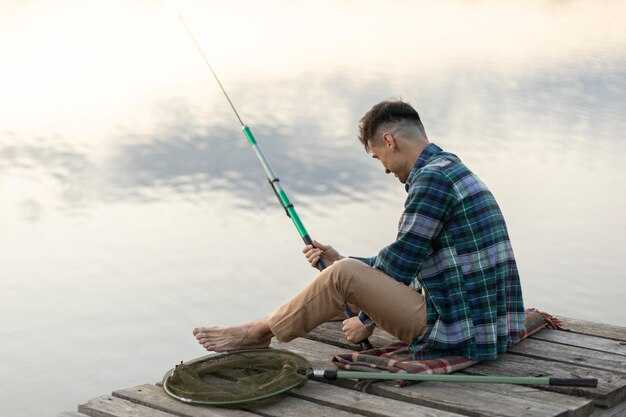 6 Pro Fishing Tips – How to Become a Better Fisherman">

There is one concrete recommendation to jump-start your progress: set up a dependable, compact rig and test it on the water. For an adult angler aiming to improve quickly, use a 6’6″–7’0″ medium-light rod, 8–12 lb test line, a diameter 0.28–0.30 mm line. Pair with a size 6–8 hook and a small slip-float or light jig. This combo will provide consistent feel and fewer tangles, so you can practice timing and line control more effectively and allow quicker feedback.
Apply a clean casting rhythm: stand with feet shoulder-width apart, keep your shoulder aligned to the target, and use a controlled wrist flick backed by hip rotation. This definitely builds strength and accuracy, and you can study obrázky from local events to refine your form.
Read the water by watching weed edges, sunfish haunts, and the first drop-offs near the woods. Identify place where currents converge and baitfish swirl; these spots work well, especially early morning.
Keep a simple kit with extra jigs, hooks, and a spare bobber. If you spot sunfish showing quick movements, try a bright jig on a short line and a slow, irregular rhythm. This approach lets you test different lures quickly and learn what can happen under changing light.
Keep a compact log: date, location, wind, water clarity, lure tried, and result. Review obrázky from your sessions to spot patterns, then apply what you learned next time. A few focused sessions raise your bites per hour and help you place consistent catches.
Advanced Angling Mastery: Practical Steps for Real Results
Start with a precise line diameter check and re-tie all critical knots to prevent failures; this gives you instant reliability on every cast and builds a sturdy platform for training, something you can count on.
Understand water structure by mapping current seams, depth changes, and forage zones where fish concentrate, especially in morning light. Note the colour of the water and bottom, then choose lures and leaders that match the forage and the pattern you expect. For brook and other species, adjust diameter and leader length to the target size; use a 0.12–0.18 mm leader in tight brooks and a 0.20–0.25 mm leader where clarity is higher. Cast unto the bank near weed edges to test how the current influences bait presentation.
Try special, uncommon rigs for shallow, calm runs; a dropper setup with a small bead and a light fluorocarbon leader keeps the presentation natural and reduces line glare, helping fish take easily. In beattie Brook, locals call the stretch beattie, a place to test subtle actions. The brook tests the method under changing light. Channel a superman mindset. Hold the rod with a steady, confident grip, and if a take occurs, lift smoothly and relax your grip. Maintain a deliberate cadence; this approach shines in green weed edges where hides are tight.
At events across various waters, compare results and log what works. Track bite windows as light shifts and adjust your cast angle to keep line quiet; short, controlled sweeps win in tight cover. Understand when to switch from broad presentations to subtle taps; this adaptation reduces the problem of missed takes and improves consistency.
Maintain gear care and place discipline into daily routine: clean reels, examine drag, and replace worn lines or beads. The habit gives training value and translates to real results, with the performance becoming smoother each week. After each session, store gear in a dry place and check knots once more; this simple step prevents surprises and keeps you on track for future catches. This approach has been tested by guides and pros, and it continues to yield reliable outcomes.
Choose the Right Rod and Reel for Your Target Species
Begin with a versatile setup: a 6 ft 6 in to 7 ft rod, medium-light power, fast action, paired with a 2500 reel. This answer gives you sensitivity for shy bites along brush and in brook pockets, plus enough backbone to handle adult fish in moderate current. Ask staff for guidance on line diameter and reel size for your local conditions, but start with 6–8 lb test in clear water or 10–14 lb in stained water. A small fluorocarbon leader (2–4 ft) helps you stay stealthy and keep everything presenting cleanly.
-
Trout, brook trout, and panfish: 6 ft 6 in to 7 ft, medium-light, fast action; reel 1000–2500; line 4–8 lb test; line diameter kept minimal for quiet presentations in shade. Fish near brush and along the bank to locate likely bites; you should be able to lodge the rod in a holder during pauses. This setup is nice for small jigs, live bait, and light lures on clear streams.
-
Bass and larger open-water fish: 7 ft to 7 ft 4 in, medium-heavy, fast action; reel 3000–4000; line 12–20 lb test; consider black braided line with a fluorocarbon leader. This tactic handles cover and be reached through weed edges and open water alike, where you need steady backbone. Use a larger spool to avoid line twist and keep pressure on the fish without overtaxing your shoulder.
-
Walleye and river species: 7 ft to 7 ft 6 in, medium, moderate action; reel 2500–3000; line 6–14 lb test; use a fluoro leader for subtle presentations in clear water. Its diameter is a compromise between sensitivity and abrasion resistance, and you can easily adjust to stealthy, accurate casts to structure and lanes where fish hide.
-
Large predators or heavy cover: 7 ft 6 in to 8 ft, medium-heavy, fast action; reel 5000+, line 20–30 lb test; consider a strong, dark braid for abrasion resistance. In thick brush or fallen timber, a longer rod helps you keep pressure on the fish while you lodge the line and keep the presentation tight. This setup is ideal when you expect big bites after a long beat along bank and rock, and it gives you control where the fish are likely to sit.
Read Water: Identify Structure, Currents, and Likely Hangouts
Start by reading water in three steps: identify structure, pinpoint currents, and mark likely hangouts. For beginners this quick read yields immediate targets and boosts confidence on the water. Note the opportunity to move to better angles; the easier you see early structure, the sooner you can target key spots with precision. Throughout the day, many guides taught this three-zone read as a simple, repeatable routine – and the beauty of it is how fast you can gain confidence and make smarter calls. Never underestimate the clarity a few minutes of water reading gives you.
Identify structure quickly. Scan the shoreline and water column for sunken cover (trees, limbs), rock piles, and abrupt depth changes. Use your eyes to trace weed edges and edge transitions. When you find a point or bend that turns toward deeper water, mark it as a target. Move your boat or adjust your approach so your cast travels along the edge, not across it–this puts the lure into the hold zones where fish sit. Elite anglers and bassmaster competitors stress structure first; regardless of lake or season, structure holds more bites than open water. Note the location of cover that breaks the current and creates an ambush zone. For coaches who teach clients, the structure read builds confidence and speed. The leader mindset follows this rule: structure first, every time. Three cues to watch: cover, ledge, and edge.
Read currents to locate seams. Look for fast water meeting slower pockets, places where a point creates a seam, and eddies behind rocks or brush. These seams concentrate bait and increase your chance to get a bite. Cast up current and drift your lure along the edge, pausing to let the bait sink into the target depth. Use a steady speed on the retrieve; speed up slightly in faster seams and slow down in slow sections. Three-second counts to depth work well for moderate water; in clear lakes you can see depth transitions with your depth finder, if you have one. What happens next often hinges on timing, so keep a mental clock and adjust accordingly. Reels should run smooth to maximize feel and efficiency.
Target likely hangouts and apply a targeted plan. Inside bends, outside bends, and points that drop into deeper water are your primary hangouts. Inside bends hold fish that feed under varying light conditions; outside bends hold cruising fish that ambush from the current edge; points offer a funnel and a quick drop to deeper holds. Regardless of lake clarity, weed lines and timber edges attract prey and bass alike. Use targeting to pick three spots on your map and run through them in order before moving to the next area. Note how many bites you get at each spot and whether your lure should run shallower or deeper to keep pace with depth change. Many followers and coaching clients see more success when they stay disciplined and targeting the obvious ambush zones.
Practical moves you can apply now. Keep reels silky; a smooth retrieve helps you feel subtle bites. Place three casts per structure to verify depth and reaction, then shift downstream to the next structure. Build confidence by repeating this pattern with different lures: a spinnerbait or swimbait on windy days, and a soft jerkbait on calm mornings. The founder of many local clubs and the sport’s leaders would tell you that consistency beats flashes; practice the same routine across three spots per lake, regardless of mood. This habit creates more opportunities, moves your average catch upward, and trains you to read water with elite-level discipline.
Set Up Your Tackle: Hooks, Lines, and Weights to Match Your Lure
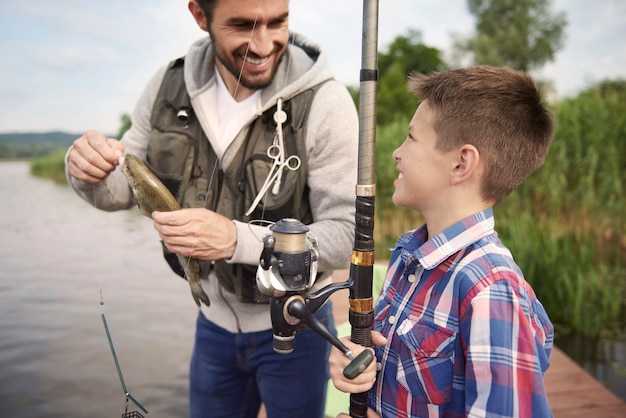
Always start with a braided main line in the 60–80 lb range and a 60–100 lb fluorocarbon leader; match hooks and weights to lure size for the conditions and the windows of opportunity you’re pursuing. For muskies, use bigger gear to handle heavy plugs and aggressive hits, and keep the setup balanced so you can learn quickly and stay confident on the water.
Hooks, not leaders, set the hook. For muskies choose heavy-wire trebles in the 8/0–12/0 range or dependable singles in the 9/0–11/0 range when the lure calls for a stout bite. For smaller lures aimed at smallmouths chasing in lakes, 2/0–4/0 trebles or offset singles keep action clean and reduce missed grabs. Pick rust-resistant finishes (black nickel or mega-strong stainless) and keep gaps matched to lure mouth size; making this fit is the simple step that boosts hookups every time you swing for the front edge of weedbeds or rocky shoals.
Line choice matters as much as the hook. Use braided main line in the 60–100 lb class for muskies, paired with a leader in the 60–120 lb range when you fish through timber or rough rock. If you target smallmouths in clear lakes, a 10–20 lb fluorocarbon leader pairs well with mid-weight plugs. Wire leaders are an option for razor-sharp teeth or heavy cover, but they reduce feel; test both in local waters to see what gives you the best balance. After tying, run a quick patrol of the knot to verify security.
Weights must match lure weight and technique. Start with jig heads around 1/4–3/8 oz for finesse presentations; switch to 1/2–2 oz for mid-size swimbaits; for big musky baits, 3–6 oz or more keeps your lure deep and lively in current or wind. In backcountry lakes with deeper structure, use the heavier end; in calm, shallow bays, lower the weight to improve the lure’s action and sound.
A simple rule: heavier gear for bigger, louder lures; lighter gear for smaller, more subtle baits. This approach makes it easier to control the drop and anticipate the hit, which improves your learning and confidence over multiple sessions, last season on the water highlighted how small changes added up. If you fish with a buddy like mike or a lady angler on a local lake, share notes after each outing; multiple small changes add up to a big gain over the season.
Keep a quick-change kit ready: extra hooks, spare leaders in multiple lengths, and weights in varied sizes. This setup minimizes gaps in your tackle, keeps you safe on the water, and helps you stay focused on improving every outing–whether you’re chasing muskies in backcountry lakes or smallmouths along Brook streams. Continuous adjustment makes you faster, more precise, and ready for whatever the day brings.
Výběr nástrah a návnad podle teploty vody a ročního období
Použijte teplotní žebříček: studená voda vyžaduje hlubší a pomalejší sestavy; s rostoucími teplotami na jaře přejděte k středně velkým swimbaitům a univerzálním crankbaitům; horké dny upřednostňují rychlost a přepady v porostech. Tento přístup vám dává okamžitou výhodu tím, že sladí nástrahy s jejich pravděpodobnými obdobími krmení.
- Chladná voda (pod 10 °C / 50 °F)
- návnady a nástrahy: jigy s craw trailery, jemné swimbaity (3–4 palce), drop-shot sestavy a hlubokopotápivé crankbaity, vše udržované kompaktní
- montáže: používejte fluorocarbonové nebo splétané návazce s fluorocarbonem, vlasce o nosnosti 2,7–5,4 kg pro jemné techniky a jigové hlavičky o hmotnosti 3,5–10,5 g; lovte v blízkosti překážek a hlubších sedel za okrajem porostů
- kde chytat: hlubší mělčiny, pomalu se svažující pobřeží a struktury poblíž zlomu; na jaře jsou nejproduktivnější okna brzy ráno nebo pozdě večer
- vzory: hledejte pomalý, hmatový pocit na dně; učte se neustále číst jemné záběry ve studené vodě, protože ryby jsou letargičtější
- Přechodné období (10–16 °C)
- nástrahy a návnady: bezlopatkové cranky, plavací nástrahy střední velikosti (4–5 palců), napodobeniny živočichů a rotační třpytky s kompaktními listy
- Sestavy: jigy o hmotnosti 5/16–1/2 oz s přívěsky ve tvaru raků, vlasec o nosnosti 12–14 lb a univerzálnost pro lov v houštinách i na otevřené vodě; barvu volte spíše v přirozených zelených a hnědých odstínech
- kde rybařit: okraje porostů vodních rostlin, houštiny 50–150 cm pod hladinou a přechodové zóny mezi mělkými zátokami a hlubšími pánvemi
- vzorce: sledujte změny v aktivitě hejn ryb a zvyšující se průhlednost vody; období čistší vody často odpovídají agresivnějšímu braní
- Teplá voda (16–21 °C / 60–70 °F)
- návnady a umělé nástrahy: větší swimbaity (12–18 cm) a vibrační jigy, chatterbaity a středně až rychle tažené crankbaity
- montáže: používejte jigy o hmotnosti 1/2–3/4 unce nebo swimbaity na těžších hlavičkách; vlasec o nosnosti 12–20 lb pro delší náhozy; lovte podél linií vodních rostlin a výběžků rovnoměrným, mírným tempem
- Kde lovit ryby: okraje porostů, prosluněné mělčiny a kapsy kolem křoví a rákosí; Ontarijská jezera vykazují silné krmení po frontě v jarním teple
- vzorce: brzká rána a pozdní večery se rozzáří výbuchy na hladině; polední záběry se přesouvají ke krytí ve střední hloubce, jak slunce ohřívá vodu
- Horké dny (nad 21 °C / nad 70 °F)
- nástrahy a návnady: rychle se pohybující swimbaity, squarebill/crankbaity a chatterbaity; topwater plughy v první hodině po východu slunce
- nastavení: používejte lehčí hlavy pro rychlost a mrštnost, vlasec o nosnosti 6–9 kg a mějte náhradní lehčí sestavu pro rychlé výměny; zaměřte se na mělké, sluncem zalité plošiny a kapsy s vodními rostlinami
- Kde chytat ryby: mělké struktury u křovin, okraje zelených linií porostu a výběžky sousedící s proudnými oblastmi
- vzorce: hledejte hejna ryb ve slunečním svitu; okna krmení se zkracují, takže buďte připraveni se rychle přesouvat mezi hotspoty
V průběhu období udržujte flexibilní hlavu a sledujte, jaký mají cit pro vodu. Na jaře rybáři v oblasti Ontaria často pozorují dva zřetelné posuny: aktivitu v křoví a podél řas na začátku sezóny a poté přesun do hlubších, chladnějších kapes v polovině sezóny. Mějte po ruce kompaktní sadu sestav ve stylu pro klienty, abyste se mohli bez prodlení přizpůsobit, a procvičujte si krátkou učební smyčku mezi náhozy, abyste si zdokonalili rozpoznávání vzorců. Přizpůsobením návnad teplotě a ročnímu období získáte hmatatelnou výhodu a udržíte si hlavu ve hře, místo abyste se honili za dohady.
Mistrovské Nahazování a Navíjení: Tempo, Pauzy a Záseky
Pravidlo: tempo navíjení přizpůsobte hloubce a záběrům, které očekáváte. Rytmus přizpůsobte hloubce, udržujte napnuté vlasce u špičky prutu a soustřeďte se na záběr. Proveďte čistý nához, poté úmyslnou 0,5sekundovou pauzu, následovanou 2 až 3 stopovým pohybem navijáku; opakujte 6 až 8krát na jeden průjezd, abyste si upevnili načasování. Tento přístup zajistí jasné první spojení a sníží počet promarněných záběrů.
Berte si příklad z celoročního rybolovu a přizpůsobte rychlost teplotě a viditelnosti vody. Za chladných, svěžích rán spouštějte návnadu hlouběji a prodlužujte pauzy; za jasných, teplých odpolední pauzy zkraťte a navíjejte agresivněji. Oči na vlasci vám pomohou odhalit slabé záběry, které nemusí být zřejmé. Existuje jemná rovnováha mezi tlakem na vlasec a nutkáním udržet návnadu v zóně záběru.
Z průzkumu průměru vlasce a akcí návnad vyplývá, že nejlepší rybáři přizpůsobují vybavení dané situaci. V čisté vodě zlepšuje vlasec s menším průměrem citlivost; v hustých porostech vlasec s větším průměrem odolává vázkám a pomáhá vám protáhnout se překážkami. Čím více budete trénovat s různými kombinacemi, tím více uvidíte úspěšný nárůst záběrů.
Navijáky se zakrytou cívkou nabízejí plynulý způsob, jak se učit, ale měli byste si všímat závad a podle toho je seřídit. Pokud si všimnete věcí, jako je prověšení při nahození nebo drsný naviják, mírně utáhněte brzdu a vyzkoušejte lehčí návnadu. Poté přejděte na naviják s otevřenou cívkou, abyste získali větší kontrolu, když to podmínky dovolí, což zlepší celkovou přesnost.
Zásek vyžaduje promyšlený a jistý pohyb. Když cítíte záběr, švihněte prutem ramenem a zasekněte háček do tlamy; poté udržujte stálé napětí, abyste záběr dokončili. Snažte se o rychlou a čistou reakci, když cítíte záběr, a vyhněte se trhavým pohybům zápěstí, které plýtvají energií a míjejí smysl záseku.
Rozdělené tréninkové seance vám pomohou vybudovat potřebné instinkty. Střídejte cvičení zaměřená na tempo a pauzy a seance zaměřené na přesné zaseknutí. Bylo prokázáno, že konzistentní, krátké seance překonávají sporadické, dlouhé úsilí; zlepšení je vidět na každém jezeře a řece, kde lovíte. Tato metoda si již získala důvěru jak od průvodců, tak od rybářů.
| Rychlý přehled podle stavu | |
| Condition | Tip |
|---|---|
| Mělká, průzračná voda | Krátké pauzy, rychlejší intervaly navíjení, tenký vlasec pro citlivost |
| Hluboká voda nebo hustý porost | Delší pauzy, pomalejší navíjení, silnější vlasec pro odolnost proti zadrhnutí |
| Svěží, chladná rána | Házej dál, prodluž dobu držení v maximální pauze, v případě potřeby se přikloň k těžší návnadě |
| Celoroční trénink | Udržujte konzistentní rytmus; zaznamenávejte časy a pokusy pro vylepšení rozhodnutí založených na pravidlech |
Praktikujte rychlé a humánní pouštění ryb zpět do vody, abyste ochránili ryby a jejich životní prostředí
Rychle a humánně rybu pusťte: nechte ji ve vodě, zatímco ji vyprošťujete z háčku, vypuštění dokončete v rychlém sledu, ideálně do 30 sekund, a používejte háčky bez protihrotu; toto rychlé tempo šetří čas a snižuje stres.
Mokré ruce, kolébka pro těla a vyvarujte se dotyku žáber nebo očí. Podepřete pod břichem, držte rybu vodorovně a jemně ji vraťte zpět do proudu, aby se probrala; zaměřte se na zlomek vteřiny pauzy před vypuštěním, abyste se ujistili, že ryba znovu dýchá.
Minimalizujte vystavení vzduchu tím, že se při manipulaci z lodi v ontarijských vodách budete držet nad dnem a rybu vrátíte zpět ve vzpřímené poloze, zejména na podzim, kdy se mění aktivita a reakce žaber. Pokud ji musíte zvednout, držte hlavu nad ocasem a vyhněte se kroucení; to pomáhá urychlit zotavení a udržet tělo neporušené.
Zjistěte, co lovíte a co můžete dělat: ve vodách Ontaria snižují kruhové háčky nebo jednoháčiky bez protihrotu poranění střev a urychlují uvolnění. Pochopte druhy, na které se zaměřujete – candát, okoun, cejn – a jak jejich vzorce ovlivňují úspěšnost cílení a jak otlaky reagují na rychlou manipulaci. Nedávno taktické tipy Ellise pomohly ostatním udržovat kvalitu stanovišť v jezerech a řekách Ontaria.
Zdokonalení se v rychlém uvolňování začíná dobrou rutinou: připravte si vybavení, procvičte si vyháknutí a vnímejte pocity ryby. Krátké cvičení vám pomůže správně načasovat postup, což urychlí proces a ochrání prostředí. Když fouká vítr nebo je rozbouřená voda, udržet klidný a rozvážný rytmus vypadá zpočátku těžce, ale ve chvíli, kdy si zvyknete na tempo, uslyšíte, jak šplouchnutí mizí, když vracíte rybu do vody a sledujete, jak se zotavuje; tato chvilka klidu může udržet velké populace v prosperitě.