


 Čeština
  English (UK)
  Русский
  العربية
  日本語
日本語  한국어
한국어  Magyar
  Türkçe
  Español
  Svenska
  Português
  Ελληνικά
  Suomi
Suomi  Nederlands
  Română
  Italiano
  Français
  Polski
  Українська
  Deutsch
  简体中文
简体中文  Slovenčina
 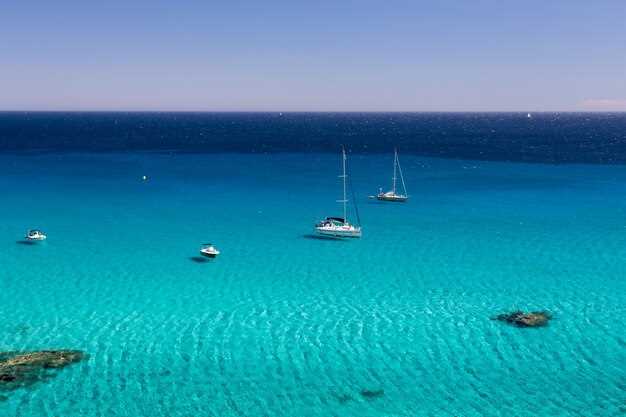 11-Day West Mediterranean Yacht Charter Itinerary – Cannes to Naples">

Začněte v Cannes s a private jachta a stíněná kotva ve Vieux Port pro váš první večer; tímto je nastavena atmosféra glamor a hladký riviérský přivítání.
Každý den udržuje rovnováhu navštěvování přístavy s pečlivě vybranými kotvišti, od Porquerolles po ostrovy Lérins; zakotvíte v snový zálivy, kde žula skály se zvedají z moře a můžete plavat z little platform. Odpoledne, a private swing to monte carlo vibes nabízí procházku po přístavu a západ slunce s drinkem, poté vyplujete do další chráněné zátoky s free dostatek času na břehu k prozkoumání tržišť a kaváren.
Na Korsice si plavíte směrem ke Calvi, Ajacciu a Bonifacio, s chráněnými zátokami a žulovými výběžky. zvláště klidné dny odhalují snové pobreží beauty při průzkumu mořských jeskyní a krátké procházce malebnými vesnicemi na útesech; plánujte lehčí dny v hlavní sezóně pro příznivý vítr a čisté moře.
Přesun do Santa Teresa di Gallura narazíte na chráněnou zátoku s křišťálově čistou vodou, a little pláž a čerstvé mořské plody; tato zastávka vám poskytne vyvážený rytmus před tím, než se vydáte směrem k Korsice a dále, s free večery k užívání si života v malých městech a klidných přístavech.
Dokončete v Neapoli finále. večer on the waterfront, kde mořský vánek, sklenice místního vína a panorama obzory připomínající Koloseum vyvolávají dávnou dramatičnost a modernost glamor; the beauty Zůstává trvalý dojem z této trasy dlouho poté, co zakotvíte, s poslední nocí v srdci zátoky připravenou na klidný rozloučení.
11denní itinerář pronájmu jachet v západním Středomoří
Den 1. – Cannes Začněte ve sluncem políbeném přístavu Cannes, kde vás nejlepší pobřežní atmosféra přivítá a vaše posádku. Po nástupu na palubu plujte směrem ke stíněným zátokám u Îles de Lérins, s koupáním v čisté vodě a západem slunce v zátoci u Cap d’Antibes. Mísa s mořskými plody na palubě dává tón luxusnímu týdnu a rychlá instruktáž mapuje trasy přes několik malebných zátok.
Den 2. – oblast Villefranche / Nice Ve Villefranche chic přístav nabízí snadný přístup pro záchranáře ke starým uličkám a tradičnímu trhu. Po procházce se vraťte na plavbu podél pobřeží a zastavte se v sluncem splynuvém zálivu na plavání. Pokud chcete jiný výhled, krátká odbočka do Eze poskytne výhled z útesu na zátoku.
Den 3. – Monte Carlo / Cap d’Ail Trasa vede kolem velké maríny Monte Karla, kde největší jachty sdílejí prostor s luxusními butiky a impozantní siluetou paláců. Krátký výšlap k útesu odhalí žulové útesy a panoramatické výhledy na moře, poté stinná zátoka láká ke koupání pozdě odpoledne, než se vydáte na západní plavbu do noci.
Den čtvrtý den – Korsika: Ajaccio Dostaňte se do Ajaccia a nasajte korsickou atmosféru, od opevněného přístavu po úzké uličky lemované rodinnými restauracemi. Prozkoumejte několik pobřežních míst v okolí města, zakotvěte v chráněné zátoce na klidnou večeři na palubě a připravte se na brzký odjezd směrem k Elbě, abyste udrželi průzkum podle plánu.
Den 5. – Elba V Elbě Portoferraio vítá s palácem na svahu a pevností. Projděte si staré město, ochutnejte křupavý chléb a mořské plody, poté se vydejte na plavbu do Fetovaia nebo Sansona, abyste si vychutnali odpoledne zažehnuté sluncem na bílé písku nebo hladkých oblázkových zátokách.
Den 6. – Elba na Toskánské pobřeží Odjezd z Elby směrem k toskánskému pobřeží, s dotykem žulové pobřežní linie poblíž Capo d’Enfante a Cala Galera. Oběd na palubě zahrnuje čerstvé mořské plody a sklenku místního vína. Odpolední zastávka kolem Porto Santo Stefano nebo Orbetello vás spojí s venkovským charakterem tohoto regionu, od venkovských vil po pobřežní promenády a často klidné vody pro relaxační plavbu.
Den 7. – Toskánské pobřeží: Argentario / Punta Ala Kukrujte u Argentaria nebo poblíž Punta Ala, kde vás elegantní atmosféra a čistota vody zvou k projížďce na paddleboardu nebo v dinghy. Třetí večer nabízí soukromou terasu s dekorací inspirovanou mandalou na palubě pro večerní koktejly, následované tradiční toskánskou večeří na břehu nebo na palubě, zachovávající luxusní a odpočinkovou atmosféru.
Den 8. – Capri / odbočka Ischia Vydejte se na jih na Capri nebo Ischii pro změnu scenérie. Capri nabízí dramatické vápencové formace, záblesky Modré jeskyně a stezky na útesech, zatímco Ischia láká termální prameny a klidnou turistiku. Vyberte si Capri pro dramatické výhledy na moře a soukromé plavání u odlehlé jeskyně, nebo pokračujte směrem k pobřeží Amalfi, pokud preferujete delší úsek.
Den 9. – Amalfi pobřeží: Positano / Amalfi / Ravello Amalfitská riviéra nabízí vesnice opřené o útesy s jedinečnou šik a malebná vyhlídková místa. Zastavte se v Positanu na oběd na svahu a procházku po buticích, poté zakotvěte u Amalfi a vydejte se na historickou procházku k katedrále. Plavba k Ravellu vás dovede k zahradám a terasám s dalekohlednými výhledy na moře, které přetrvávají i po setmění.
Den 10. – Sorrento / Procida okruh Projeďte podél Sorrentinské pobřežní oblasti směrem k Procidě a její pastelově zbarvené přístavi, klasické venkovské scéně u moře s průzkumem klidných uliček a života v přístavu. Následuje Ischia s termálními lázněmi a plážemi, poté se plavíte do zálivu směrem k Neapoli s konečným západem slunce na palubě a sledujete, jak lodě proplouvají, zatímco se zvedají světla města.
Den 11. – Neapol Disembark in Naples to close a luxurious West Mediterranean voyage that stitched Cannes, villefranche, Corsica, Elba, tuscany, Capri, Amalfi, and the bay of Naples into one coastal odyssey. Return with memories of sun-kissed days, dramatic scenery, and several unforgettable spots along the route.
Cannes to Naples: Mediterranean Yacht Charter Routes in Italy
Always start with a 7- to 9-day plan: Cannes to Naples, with short hops along the riviera and Ligurian coast, then deeper into Italy’s gems. Begin with one night in Portofino or Santa Margherita Ligure, two nights around Cinque Terre and La Spezia, one night on elba, one night around Capri or Ischia, two nights on the Amalfi Coast, and finish in Naples. This pacing keeps seas manageable and moods lifted. Let lysis of routine travel fade as you set course.
From Cannes head to Portofino or Santa Margherita Ligure, where harbor-side lounges, olive groves, and pastel houses frame the approach. Dock on the harbor side. Short hops here reveal bays sheltered by pine-fringed headlands, with crystal waters ready for swimming before you lift for the next leg.
Next, sail to the unesco list Cinque Terre cluster around La Spezia. The five villages cling to dramatic cliffs, boasting cliffside houses and tiny beaches that glow at amazing sunsets. Exploration here is active, with hiking trails and tender trips to sheltered coves.
Elba offers an inhabited island experience with granite headlands, vineyards, and tiny bays where traditional ferries still land beside fishing boats. Anchor near Portoferraio or Capo Sant’Andrea, and walk the old town’s lanes to taste seafood and wine on board.
Capri and Ischia deliver dramatic coastline and stylish stops. In Capri, anchor in the harbor, visit grottos, and stroll among cliffside terraces and lemon groves. Onboard, a nobu-inspired sushi set adds a refined touch to a short day of exploration or shore dining at select ports.
Two nights along the decadent Amalfi Coast showcase luxurious resorts along a dramatic coastline. Positano stairs lead to hillside hotels, Ravello offers panoramic views, and Sorrento serves as a gateway to Capri. The coast boasts boasted vistas, colorful coves, and a string of bays that invite swims and sunset photos. This exploration comes with a seasoned crew who handle provisioning and tender operations.
Back in Naples, prepare for disembarkation with a final tasting of seafood risotto, fresh mozzarella, and espresso by the marina. If time allows, take a short shore excursion to Pompeii or the historic center, and reflect on the table of memories this route offers as you head back to the dock. The waters stay calm within the Gulf as you close the charter.
Day-by-Day Route Breakdown: Cannes to Naples in 11 Days
Depart Cannes at first light and head for Sainte-Maxime, anchoring in a sheltered cala by late morning to enjoy calm seas and a stroll along the promenade. Morning temperatures rise from the mid-teens to the low 20s Celsius, making a quick swim before lunch especially pleasant. Within six hours you’ll reach sainte, a town known for its refined charm and easy access to coastal groves and offshore coves.
Day two covers a glide along the Riviera toward Portofino, passing protected bays where the glamor of the coast is strongest. After a coffee on deck, drop anchor near Paraggi Bay and explore the pastel houses, tiny boutiques, and a short hike to the lighthouse. The added benefit is a softer breeze for a comfortable afternoon sail, with temperatures often in the high teens to low 20s and clear, blue water for a morning swim before cocktails.
On day three you lesson fatigue with a gentle hop to Cinque Terre, conquering Monterosso and Vernazza in sequence. The third stop features village paths above steep terraces, where lemon groves scent the air and locals share a smile at seafood harbors. If you’re after a longer walk, take a morning train from Riomaggiore to Corniglia, then return to the boat for sunset. Weather remains favorable, and you’ll collect a handful of memorable photo stops along the way.
Day four pushes south to La Spezia’s gateway, with a planned afternoon detour to the island route toward Portoferraio on Elba if winds allow. lysis of routine fatigue happens quickly as you swap long sails for short hops, and a late afternoon swim off a protected Porto berth refreshes the crew. The added advantage is quick access to inland towns and their markets, ideal for a Margherita pizza break or a fresh seafood lunch.
Day five continues toward an island balcony, aiming for ischia as a striking stop in the Gulf of Naples. The harbor of ischia welcomes yachts with thermal spas nearby and clay-soft beaches that invite a rejuvenating soak after a morning of sailing. Plan a stroll through a quiet fishing village in the afternoon, and book a hillside dining table to savor regional harvests with a view of the sea. Night temperatures relax in the 20s Celsius, perfect for an evening dip before bed.
Day six ties the Ischia stop to a short hop into the Naples basin, allowing a late-morning arrival and a focused visit to the thermal springs or a castle ruin with a sea breeze. The morning market buzz across the harbor is a great place to source fresh tomatoes for a classic Margherita lunch aboard, then a short tender ride to a beach cove for a post-lunch swim. The weather tends to stay mild, with daytime temperatures hovering in the low-to-mid 20s Celsius.
Day seven makes Naples your anchor for a fuller exploration around the bay, including a possible Capri detour if conditions permit, or a transfer to Sorrento to view lemon groves perched above cliffs. A cruiser’s rhythm sets in: a scenic morning sail, a luncheon stop in a harbor town, and an afternoon of shore visits to ancient streets and cliffside viewpoints. The world of Amalfi sunsets opens up with golden light and calm seas, a welcome change after several long hops.
Day eight shifts toward the Amalfi Coast, stopping in Positano or Amalfi for a cliffside stroll and a scenic lunch overlooking turquoise water. Many crews love a morning swim before a midday climb to a church terrace or a gelateria tasting. The added cadence of a coastal road excursion by tender gives you a chance to sample Limoncello and local seafood while the temperatures remain comfortable in the mid 20s at peak sun.
Day nine continues to a classic southern Italian rhythm, with a short leg to a sheltered bay near Paestum or Salerno and a visit to Pompeii or Herculaneum if you crave a history fix. After a morning anchorage, a land transfer by tender brings you to ruins or archaeology parks, then back to the boat for a sunset sail along the coastline. Consider a quick port call to pick up fresh mozzarella and a loaf of crusty bread, enhancing your later pasta night aboard.
Day ten adds a flexible option: you can loop into a quick shore visit to a nearby island or simply sail along the coast toward Naples with a final stop for a quiet dinner in a harbor village. If you crave a broader western Med frame, an added day can be dedicated to a brief Barcelona or Tarragona add-on by air or a longer leg along the coast before rejoining the core route, preserving a comfortable pace and reliable weather windows. The plan aims to keep daily sailing moderate and to finish with a memorable night in Naples harbor, where you can reflect on the number of new horizons you’ve explored during this 11-day voyage.
Day eleven wraps with a relaxed departure from Naples, a morning visit to the Castel dell’Ovo, and a final coffee tasting in a harbor-side cafe. If you’re returning to Europe’s world-class cities, consider a post-cruise extension to nearby islands or a short flight home with memories of groves, azure water, and the glow of ports from Cannes to Naples.
Harbor and Anchorage Options by Stop along the West Mediterranean Route
Start in Cannes with a private, protected berth in Vieux-Port for easy provisioning and year-round access. The walkways along the quay connect you to markets, refined food, and a cultural arts scene, making an effortless first leg as you prepare for the next leg of the route.
-
Cannes – use Vieux-Port or Port Pierre Canto for private berths within easy reach of town amenities. Also consider a short stop at the private marina near the jetty if you prefer quieter surroundings. From here, you’re well positioned to move through the coast toward Saint-Tropez with minimal fuss.
-
Saint-Tropez – Port de Saint-Tropez offers finest moorings near the old town, with added privacy for luxury yachts. You can also anchor in the Gulf of Saint-Tropez for a quiet night and tender in for cafés, galleries, and markets. Expect seasonal prix changes, and plan ahead during peak weeks.
-
Porquerolles – Port de Porquerolles provides pristine moorings and easy access to the island’s resorts and beaches. For a more private option, anchor off the Anse du Langoustier or in one of the sheltered bays, then visit the island’s loasis-like calm while exploring walking paths and small towns on the shore.
-
Calvi, Corsica – Port de Calvi offers solid protection and a well-equipped marina, with easy provisioning and a compact town center for cultural strolls. Crossing from Provence to Corsica takes careful planning for wind direction, but the harbor through the bay remains reliable year-round.
-
Tuscany Coast (Livorno and Viareggio) – Marina di Livorno serves as the practical gateway to towns like Pisa and Lucca, while Viareggio offers a promenade lined with resorts, arts events, and a lively harbor atmosphere. Both are convenient starting points for short road trips to Tuscan hills and coastal towns.
-
Civitavecchia (Rome gateway) – This port delivers reliable shelter and strong sailing connections through to Rome’s cultural riches. Cars are handy for quick trips to historic sites, and the town’s year-round dining options provide consistent food experiences on the go.
-
Naples and Ravello day trips – Naples ports such as Mergellina or Porto di Napoli offer solid shelter to begin a day of visiting classic sites. From Naples, a private tender can reach Ravello for a quiet loasis of gardens and scenic views above the Amalfi coast. Ravello’s cultural events, artists’ performances, and coastal scenery make it a standout stop; plan a full day or split the visit with Sorrento or Capri as options. A discreet louis boutique near the marina adds a touch of style, and preparing a light lunch on board lets you enjoy the coastal food scene without rushing.
Key Distances, Sailing Windows, and Time Allocation
Starting from Cannes, plan Leg A to Calvi, Corsica: 170 NM, typically 17–20 hours at 9–11 knots. If you want a relaxed rhythm, split into two daytime legs with an overnight in Cap Corse; there’s plenty of sheltered moorings for an early morning start. Aside from pure speed, reserve time for a swim in pristine coves and a stroll along Calvi’s shores before dusk.
Leg B runs from Calvi to bonifaccio: 120–150 NM, usually 12–16 hours. Favor a late-morning departure to catch the warm afternoon breeze; there’s a chance to motor the last stretch if winds ease. Think of this as a long, rewarding crossing along Corsica’s western edge, attracting attention from yachts in the port areas as you approach. There, you’ll find a little Marché atmosphere and charming lanes to wander before sunset.
Leg C covers bonifaccio to Porto-Vecchio: 25–40 NM, about 3–5 hours. This short hop suits a mid-morning schedule, leaving afternoons free to wander the old town, explore arts and markets, and drink a glass of wine in a seaside bistro with finest views. You’ll sit in calm waters, watching the coastline slip by as the lifestyle on deck feels lavish yet effortless.
Leg D is Porto-Vecchio to Propriano: 40–60 NM, 4–7 hours. Expect a steady breeze along pristine shores; there’s ample time for a lunch on deck and a quick snorkel in a shallow bay. There are plenty of little anchorages embedded in coves where you can soak up the sun, then ship off to a harbor for a proper port stop in the early evening.
Leg E takes you Propriano to Ajaccio: 60–90 NM, 6–9 hours. This leg rewards steady handling and a watchful eye on currents; you might motor for short stretches if seas build, but the sailing window is favorable most days. In Ajaccio, there’s an inviting mix of markets, wine cellars, and a chance to savor the finest Corsican cheeses and wines before an evening ashore.
Leg F moves Ajaccio to Portoferraio on Elba: 85–110 NM, 9–12 hours. Early departures help avoid thermal winds later in the day; you’ll pass into calmer waters and find little harbors that sit in lee of the island’s coast. In Portoferraio, you’ll notice a refined yachting atmosphere, with a small port that offers good provisioning and a calm evening by the quay.
Leg G completes the set: Portoferraio to Ischia, then Ischia to Naples (final leg to Naples): 120–160 NM to Ischia, then 25–35 NM to Naples, totaling roughly 150–195 NM over two days. This is your longest stretch on Corsica’s neighboring islands; plan for a mid-may to late-afternoon arrival in Ischia, followed by a breezy, short cruise into Naples. There, you’ll anchor near a vibrant port area with easy access to the city’s sights, food, and wine scene. There’s plenty of time to unwind, refuel, and prepare for a grand finale in Naples’ historic bays.
Overall, allocate two to three days for longer Corsican legs (Legs A, B, and F), two days for mid-length hops (Legs C and D), and two days for the final crossing into Naples (Leg G). On average, plan for 4–9 hours of sailing per day, with the remaining time devoted to provisioning, meals, and shore exploration. There’s a balance between motor and sail–use motor to hold a daytime schedule when winds dip, especially during August thermals or sirocco incursions. There are plenty of port options and sheltered bays to break up long days, ensuring you keep to daylight hours, enjoy the finest food and wines, and maintain a lavish yet effortless yachting rhythm. There’s always a little extra time for watching the coastline, tasting local seafood, and enjoying the pristine areas you discover along the way, making your charters feel timeless and truly lifestyle-driven for those attracted to the West Mediterranean coastline.
Provisioning, Fuel, and Water Planning for an 11-Day Cruise
Begin with a Cannes-based three-tier provisioning plan: stock non-perishables first, secure fresh produce in key ports along the way, and finalize beverages closer to Naples. Name a single provisioning lead and set up a private forum where the crew logs availability here, updates orders, and tracks substitutions. The yacht architecture supports compact packing, so organize by category and use labeled crates that slide into dedicated coolers in the galley.
Provisioning framework
- Non-perishables (for 6 guests, 2 crew, 11 days):
- Pasta, rice, and grains: 16–24 kg total; canned tomatoes: 40–60 cans (400–800 g each); canned beans and pulses: 20–30 cans.
- Olive oil: 15–20 L; vinegar and soy sauce: 3–5 L combined; spices: 12–15 varieties; dried herbs and bouillon cubes for easy sauces.
- Tomato paste, stock cubes, coffee, tea, sugar, salt, and pepper: sufficient for multiple meals; keep a small backup in encrypted containers to avoid moisture.
- Fresh produce and dairy (rotate every 2–3 days at ports):
- Leafy greens and seasonal vegetables: 25–40 kg total; citrus: 8–12 kg; potatoes: 10–15 kg; dairy and alternatives: 8–12 kg; eggs: 3–4 dozen; bread: 15–20 loaves per week (freeze extras).
- Proteins and seafood (plan for 2–3 days ahead, refuelable along the way):
- Fish (fresh day-of): 15–25 kg; chicken, pork, and beef portions for long legs: 20–40 kg combined; frozen stock in 2–4 kg packs for flexibility.
- Beverages and snacks:
- Water for drinking and cooking: 1800–2400 L total capacity, with 20–30% reserve; wines and spirits: 2–3 bottles per guest per week plus mixers; soft drinks and juice supplies for kids and non-drinkers.
- Grocery logistics:
- Coordinate with the forum thread for port-by-port delivery windows and availability; book deliveries to the pier or private quay where possible to minimize handling.
Fresh provisioning cadence and nearby suppliers
- In Cannes, set up a primary supply run for dry goods and long-life items, then schedule fresh provisions in nearby ports on the Mediterranean coast. Here, you can source a variety of Mediterranean staples that the Mediterraneans favor, while keeping a splendido selection of cheeses and charcuterie for appetizers.
- During Corsican and Sardinian calls, arrange for perishable deliveries at the pier in the morning when markets are busiest; arrange a secondary drop-off in southern Italy if your schedule allows.
- If a villa or private villa kitchen partner is available nearby, it can assemble ready-to-serve meals for evenings when you prefer a quiet night on board.
Wine, drinks, and a culinary edge
- Plan a locally themed wine list: a white and red option per major stop, plus a couple of bottles for special occasions. Ensure storage in a temperature-controlled cooler to preserve aroma and flavor for each night’s dinner.
- Splendido selections–think refined Italian and French options–balance with versatile crowd-pleasers to cover varied palates.
- Coordinate with a private supplier in advance to have a small reserve of preferred wines stocked at the early ports; this reduces last-minute substitutions and keeps your shore dinners memorable.
Water management and desalination considerations
- Water capacity and use: target 60–90 L per person per day for normal activity, with a 10–20% cushion for hot weather or longer showers; onboard freshwater capacity should be 1800–2400 L for 11 days with a desalination or water-maker option running when underway.
- Tank organization: segregate fresh water from gray water; use labeled hoses to avoid cross-contamination when replenishing from port.
- Purification and filtration: use a Zass filtration system as a backup for occasional tasting of non-potable sources in private ports; keep a spare filter cartridge on board.
- Storage and counter space: allocate a dedicated “marmi” counter area for herbs, spices, and small jars to maintain organization and speed cooking during busy crossing days.
Fuel planning and bunkering strategy
- Estimate burn based on engine hours and specified cruising speed for the yacht; assume an average burn rate that matches the vessel’s capacity and engine load under typical conditions. Plan for bunkering at two to three ports along the route to maintain a safe reserve.
- Daily underway hours: 2–4 hours on average between anchorages; in windy stretches, expect higher burn. Build a 20–30% fuel reserve into the total estimate to cover headwinds or detours.
- Private bunkering options: coordinate with port agents to confirm availability for each stop; pre-book a slot in Cannes, a Corsican harbor, and a southern Italian port where you expect reliable access to marine-grade fuels.
- Documentation and safety: carry port clearance papers, fuel quality certificates, and a ballast check to verify fuel integrity before fueling. Maintain a logbook entry for every bunkering event and keep the receipts for accounting.
Operational tips to keep the plan tight
- Assign a forum name for the provisioning thread and maintain a single, shared checklist so the captain and chief steward can see updates in real time; review availability in port before each leg.
- Keep a running inventory: how much of each item is left, what needs replenishment, and where it will be sourced. This makes night checks simple and reduces last-minute scrambles during heavy seas.
- Use nearby ports for last-minute fresh imports and to take advantage of regional specialties–Mediterraneans often prefer fresh seafood, herbs, and citrus, which are abundant along the coast.
- Plan daily menus that leverage the yacht’s galley architecture: organize prep zones, plan a few simple two-step dishes, and reserve more elaborate meals for anchor nights when you want a special touch.
Route-anchoring considerations and weather watch
- Check the early morning weather window and adjust ordering accordingly; if forecasts show extended periods of rough seas, switch to shorter legs and secure additional supplies for contingency.
- Use a “Somewhere along the coast” approach: allocate extra provisions for nights spent in idyllic coves where a longshore run isn’t feasible, ensuring you have enough to dine ashore or on deck without rushing.
- When you enter a new country, respect local rules for port calls and supply hours; this ensures you minimize delays and maintain a smooth provisioning cadence across the coast.
Key notes for a smooth provisioning loop
- Keep a durable, clearly labeled storage system in the galley and fridge area, with sections for dry goods, fresh produce, and beverages; this makes a big difference on busy nights when you want to serve a quick meal while enjoying the sea views.
- Coordinate with a local contact in Cannes for the initial load; keep a “forum” thread accessible to the crew for quick replacements if a supplier runs late or a substitution is needed.
- Document every step: itemized purchases, shelf life, and delivery windows; this keeps the voyage efficient and minimizes waste.
Bottom line: a well-structured provisioning and fuel/water plan makes the 11-day West Mediterranean cruise uniquely comfortable. By building a three-tier approach in Cannes, leveraging nearby ports along the mediterraneans coast, and maintaining a precise log of availability and deliveries, you create a seamless rhythm from day one to the final night in Naples. The combination of private connections, villa-scale organization, and a focus on the coast’s country flavors can turn an ordinary provisioning cycle into an endlessly smooth experience with idyllic views and a memorable, wind-while-wine atmosphere wherever you are along the route. The effort you put into the early planning, the use of Zass filtration for safety, and the attention to marmi-detail finishes in the galley will pay off at every pier and every night you spend anchored off a pristine coast.
Crew Roles, Safety Protocols, and Onboard Checklists
Begin each day with a captain-led safety briefing and a crew-wide equipment check; confirm muster stations, life jackets, fire gear, and first-aid kits are in prime condition before each leg.
This approach keeps the service luxurious and the lifestyle seamless, while guests spend time on deck enjoying endless coastal views along cliffs and the pristine marina horizon.
Roles and responsibilities follow a clear chain: captain oversees safety and operations; first mate assists navigation and deck tasks; bosun coordinates lines, fenders, and mooring procedures; engineer maintains engines, pumps, and electrical systems; chief stewardess leads the service team; three junior stewards support guest care; chef delivers a wonderful dining program that blends maritime heritage with contemporary flavors; the purser handles guest accounts, shore-side hotels, and santo port logistics; a dedicated safety officer monitors drills and gear for zass compliance.
We blend pacific hospitality rhythms with Mediterranean charm to serve a distinct, often tailored guest experience, including private port calls, mountain viewpoints, and events that showcase local culture while maintaining privacy on the right side of the yacht. Guests are encouraged to spend time on deck and savor the endless views.
Staff often rotate duties to keep skills sharp and ensure continuous high service levels. Typically, the captain delegates safety checks to the dedicated safety officer, who logs status in the zass system and creates an opportunity for the crew to shine.
| Aspect | Responsible Role | Checklist Items | Frequency |
|---|---|---|---|
| Safety Equipment | Kapitán + Hlavní konstruktér | Záchranné vesty zkontrolovány; Záchranářské kruhy přítomny; Hasicí přístroje nabity; Lékařská lékárnička doplněna; Rakety připraveny; Lékařská skříňka zásobena; Mapa shromaždiště viditelná | Před každou etapu; Měsíční testy |
| Berth & Docking Prep | Bosun | Přidělení příčnýchů vyvěšeno; Nárazníky na svém místě; Přivázání zajištěno; Náhradní lana k zakotvení k dispozici | Denně |
| Guest Safety Briefings | Hlavní stevardka | Rozdány bezpečnostní karty; proveden zkušební drill; zodpovězeny dotazy hostů; jazyková podpora dostupná pro různorodé hosty | Denně |
| Protokoly ohně a kouře | Inženýr + Bezpečnostní důstojník | Test požárního poplachu; Kontrola systému potlačení požáru; Úniková cesta volná | Monthly |
| Hygiena a veřejné prostory | Steward Team | Záznamy o hygieně; Plán čištění paluby; Zásoby dezinfekčních prostředků na ruce | Denně |
| Simulace mimořádných událostí | Kapitán + Posádka | Pád přes palubu; Opuštění lodě; Rádia kontrola | Quarterly |