


 English (UK)
  Русский
  العربية
  日本語
日本語  한국어
한국어  Magyar
  Türkçe
  Español
  Čeština
  Svenska
  Português
  Ελληνικά
  Suomi
Suomi  Nederlands
  Română
  Italiano
  Français
  Polski
  Українська
  Deutsch
  简体中文
简体中文  Slovenčina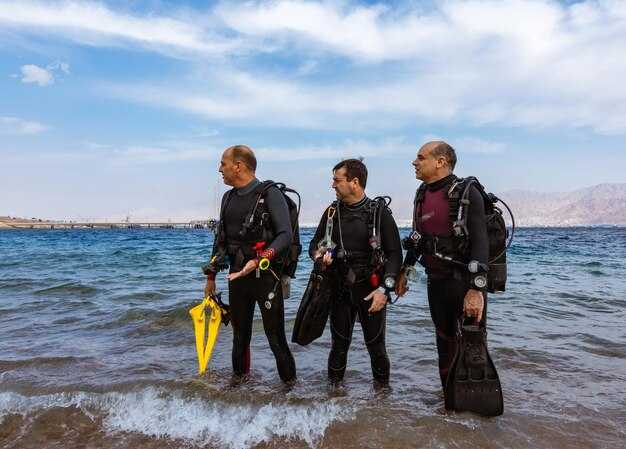

Plan two legs for your coast-to-coast adventure: West before East, with a trusted local skipper for each leg. Build confidence by packing a 5–7 mm wetsuit, a thermal underlayer, and a hood; bring gloves for mornings, and carry a compact emergency kit. A clear weather window helps you stay close to home, and you’ll feel confident as conditions hold steady on each site there and back.
On the Pacific side, the site near Strathcona and the Gulf Islands offers wrecks and kelp beds where fish often gather beneath dim light. Visibility in summer often climbs from 6 to 15 m, with water temperatures colder in early season, so plan layers and a drysuit. A guided charter helps you navigate currents and stay safe as you move from one wreck to the next, and the crew can point to the best approaches to avoid snagging lines. One wreck on this route is a mine-era relic, a history-mine of clues about past crews, making the telltale sign of human presence beneath the kelp even more compelling. You’ll feel like the lord of calm water as you move.
Ontario’s Thousand Islands region presents lakes with clear conditions in mid-summer; temps typically rise to the low 20s C, making a 3–5 mm suit sufficient for many sessions. Explore around islands, close coves, and shallow wrecks where you can inspect hulls and observe fish nearby. The site layout here tends to be calm, though boat traffic requires a watchful approach and good buddy discipline.
Nova Scotia and Newfoundland add a different rhythm: briny water, tides, and unpredictable chop require planning. Currents can come from a fixed direction, and near wrecks you may discover steel plates and chain beneath a layer of silt. A positive attitude and hands-on local guide help you time the currents and angle your approach; you’ll often come away with stories about the fish that glide near the hull and the sound of a whale in the distance.
To anchor the route, check the sources источник of maps, tide tables, and recent conditions; keep a log of conditions, distances, and entry points so you can repeat the best days there. This approach makes the route feel less daunting and more manageable for a confident traveler who wants to map a multi-region test of courage and skill.
When you return home, share what you learned with your crew and fellow divers; the coast-to-coast itinerary will build a library of go-to sites, wrecks, and hidden corners where the water often stays transparent, and of memories that keep you positive and curious about Canada’s underwater landscape. There, you’ll feel at home among whales, islands, wrecks, and the quiet rhythm of the sea.
Barkley Sound: Practical Dive Planning
Start with a complete gear check and schedule a slack-water window to meet your crew above the water for a focused safety briefing.
training and preparation matter: complete cold-water procedures, buoyancy control, and emergency signaling; practice with a surface marker buoy (SMB) and a DSMB, and run a gear check with everyone present to keep themselves ready.
Plan the spot near the reef where current is mild, so you can stay above the shallow shelf and observe seabed features while exploring; many teams have dived this zone previously, but conditions vary with tides.
Assign roles to the crew: designate a lead, a navigator, and a safety observer; respect the lord of currents and review knowledge of tides, currents, and wind shifts, then confirm meet-up points and contingency steps, with input from an expert planner.
Gear for Barkley Sound includes a 5–7 mm wetsuit or drysuit depending on season, gloves, a warm hood, two primary lights and a backup, a spare mask, SMB/DSMB, a surface signaling whistle, and a compact cutting tool; ensure special items such as spare O-rings are on the list and easily accessible. Divers protect themselves by checking gear fit and staying within planned exposure limits. Have something handy to address unexpected issues.
Descent planning centers on a calm entry, steady buoyancy, and a slow descending sequence; keep the reef above you and monitor currents so you stay clear of silt and surge; maintain continuous communication with the crew during the ascent as well.
Instructor wolfe emphasizes conservative profiles for safe performance; set depth limits, avoid zones with heavy surge, and have a special contingency to abort if conditions deteriorate. Rely on an expert check before entry.
After the session, complete your knowledge log and update the tackle list of gear and procedures, and plan for the next spot more smoothly; if something fails, note it and adjust protocols.
Best seasonal windows for Barkley Sound diving
Pick May through July for the most reliable visibility, calm seas, and frequent wildlife encounters. Youll maximize hours of sunny conditions, and youll witness humpback activity and colorful life along the wall and around large anemones. This window is also when courses and safety refreshers are easiest to schedule, making your trip smooth from start to finish.
-
Late May – early July: best overall conditions
- Conditions: typical visibility 8–20 m, water 7–12°C, light to moderate winds, and generally gentle seas. Slack tides mid-morning offer comfortable underwater movement and less surge along the wall.
- Wildlife and scenes: most encounters include humpback activity within sight of the coastline, plus frequent seals and schools of reef fish. Anemones along alcoves and crevices appear clearly on the massive walls, creating colorful foregrounds for photos.
- Experience and planning: mornings provide the clearest water and longest hours of daylight. This window is popular, so book slots on your favorite sites ahead of time; you’ll find it easy to fit in a few experienced excursions or a short course if you’re new to the area.
-
August – September: peak visibility and wildlife variety
- Conditions: visibility frequently improves to 15–25 m, water warms to about 12–15°C, and seas remain generally calm on typical days. Afternoon breezes can pick up, so morning sessions are often the calmest.
- Wildlife and scenery: humpback activity continues, and larger concentrations of forage fish attract other megafauna observers. The wall scenes look especially striking as sun angles improve, making color and texture pop in the underwater world.
- Experience and planning: with longer daylight hours, you can spread longer journeys across multiple sites or combine a couple of shorter underwater experiences. If you’re documenting, this window yields reliable opportunities for witness-worthy shots and memorable moments.
-
October – November: shoulder-season considerations
- Conditions: visibility can vary, and water temperature drops to the 7–12°C range. Storm fronts and stronger currents become more common, especially on exposed sites, so plan conservatively.
- Wildlife and scenes: fewer predictable patterns, but you may still encounter curious seals and occasional humpback or migrating species on calmer days near sheltered sites around the inner Sound.
- Experience and planning: reserve flexibility in your schedule and be prepared for shorter windows. These months suit experienced explorers who want quieter sites and are comfortable adjusting plans based on conditions.
Reason to choose spring and early summer is the combination of visibility, wildlife activity, and long hours of daylight. For reliable, very rewarding experiences, the most popular option remains May–July, with August–September as a close second for visibility and wildlife variety. skinnerauthor notes that planning around slack tides and early starts will boost confidence and reduce risk, making your Barkley Sound adventures memorable from the first hour back to shore.
Access routes and transfer options from Vancouver Island
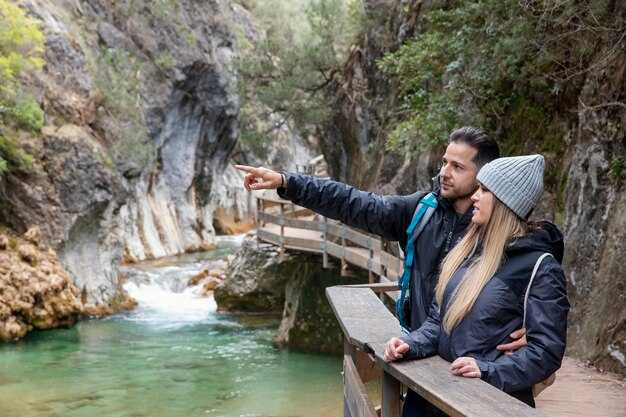
Take the early Swartz Bay–Tsawwassen ferry and rent a car on the mainland to reach Howe Sound and the Gulf Islands in a single day. This keeps your plan tight, reduces transfer time, and opens up multiple sites for your first aquatic experiences, with the coast’s beauty evident at every stop.
Two reliable routes connect Vancouver Island with mainland hotspots:
- Route 1: Swartz Bay (Victoria) → Tsawwassen (Delta) – quick crossing, then a straightforward drive to Vancouver and the Howe Sound wall and nearby sites. This path suits a tight first loop and minimizes driving on day one, with the least curveball in your schedule.
- Route 2: Departure Bay (Nanaimo) → Horseshoe Bay (West Vancouver) – longer crossing but direct access to the Sea-to-Sky corridor and deeper wall regions around Squamish; ideal if you plan multiple days with a city stop in between.
Transfer options on arrival
- Car rental at the terminal is the fastest way to reach key aquatic spots. With a clear hand in navigation and a plan in hand, you can hit 3–4 places in a day across wall drops, kelp beds, and shallow reefs.
- Guided day trips from Vancouver, Gibsons, or Nanaimo cover gear handling, permits where needed, and a captain who knows the upcoming windows for sixgill encounters and lumpfish sightings. This means you never miss a prime moment.
- Floatplane transfers from Victoria Harbour or Nanaimo connect you to Coal Harbour or downtown Vancouver within about 20–30 minutes, a fast way to reclaim water time when weather constrains road travel.
- Sea taxis or small charter boats provide access to remote spots without long drives, especially when shipping traffic and currents align with your plan.
Planning tips and field notes
- Choose a base city: Vancouver or Gibsons, depending on where you want to focus first. Build a two- to three-day loop so you have flexibility if conditions shift.
- Mix in a lake stop: a nearby mountain lake can be a welcome break between coastal visits and sits nicely as part of a balanced plan.
- Season timing: the best aquatic experiences opens from late spring through summer; water temperatures hover around a few degrees to double-digit numbers depending on location, so pack accordingly. This range makes the opening days truly outstanding.
- Species to watch: lumpfish frequent kelp beds and rocky ridges, while sixgill sharks inhabit deeper channels along major walls; staying near bearing currents increases the chance to spot them in massive habitats.
- Safety and logistics: always have a backup route in case seas are rough; the least detour often means a safer day and more time for your next site.
- Local knowledge: ask captains about the best times for surface intervals and where lumpfish schools gather; a quick quotei from a local skipper can guide decisions.
- Sample anchor sites: memorize a few primary locations–rugged walls, kelp-rich reefs, and deeper canyons–each sits at a different depth and temperature, keeping the day filled with variety.
- Gear handling: arrange loading help when possible; managing gear by hand reduces fatigue and keeps the day on track.
- Back-to-back days: if you plan multiple days, schedule a rest day or a lighter transfer day to maintain energy and maximize your experience; you’ll return with momentum rather than a heavy load behind you.
- Extended routes: if Kingston is on your route later, plan flights and car rental to connect with your pending schedule; it’s a nice cross-country add-on after you wrap BC sites.
- Reading and notes: carry a small guide with site coordinates, wall depth ranges, and current directions to stay prepared for upcoming windows and to compare locations for future trips.
There are many places to explore along these routes, each offering its own beauty and opportunities to swim in clear waters after a long crossing. There, the wall sections and underwater habitats sit filled with life, and the upcoming window for a coastal loop can be a massive, memorable experience that opens doors to new aquatic adventures–even if your trip includes a side stop in Kingston for a cross-country leg. If you’re aiming for a balanced schedule, plan for a lake-side break and a couple of short, hand-on transfers to keep the momentum going and the trip well-paced.
Gear checklist for cold-water, current-prone dives
Wear a drysuit with a thick insulating undergarment system and verify neck and wrist seals at the surface; bring spare O-rings and a silicone lubricant for quick field maintenance.
Plan a layering system starting with a moisture-wicking base and a mid-layer fleece, then the drysuit shell. For northern canadas destinations such as tobermory and similar wrecks-rich sites, add a hood and thick gloves to extend hours; choose booties that fit over thick socks without restricting circulation. For saltwater in the south, tweak undergarments to handle mixed temperatures while staying comfortable in current-prone areas.
Master buoyancy control with a properly fitted buoyancy compensator and drysuit inflator; carry a reel for line-tending in currents and a spare spool for back-to-back tasks; clip a line cutter to your harness and place an SMB within reach for ascent safety. This reduces risk around wrecks, walls, and castle-like structures that you might encounter.
Equip lights with spare batteries, a dependable line cutter, and a strong SMB; store a tackle bag with spare O-rings, patch kits, and repair tape; bring extra gloves and dry socks in a waterproof pouch for unexpected delays or changes in current.
Maintain open lines of communication with your buddy and shore crew; use a plan, reason, and course for each session. quotei reminds you to keep it simple, stay positive, and be ready to adjust on the fly, making changes if visibility or current shifts. Know what to check and when to abort, another takeaway from canadas blogs and popular destinations is to review routes after each session to improve safety for future sessions.
Before entering any scene, verify tides, current strength, and hours you expect to spend, plus the distance to the exit; know where the wall drops and the wrecks lie, and identify escape routes. In tobermory and other canadas southern and northern destinations, stay disciplined about your plan and check for entanglement risks near castle walls and reef edges. Pay attention to what lies ahead.
Safety fundamentals: currents, tides, and wildlife interactions
Begin every upcoming underwater activity with a practical checklist: read the local tide forecast, note current direction in degrees, and set a maximum depth of 20 meters with your buddy, then confirm your exit route before entry.
Currents draw water along coastlines and can shift direction by several degrees each hour; stay with your buddy, keep lines tight, and plan a forward and back exit that keeps you out of strong eddies.
Tidal swings around Canada vary by site; Bay of Fundy can reach up to 16 meters, while most Atlantic and Pacific locations show 2–4 meters between high and low water. Schedule your visit near slack tide for calmer conditions.
Wildlife interactions require respect: maintain at least 2 meters from lumpfish and other reef dwellers; theyre curious and may approach, but touching causes stress and can provoke chase responses.
Safety gear and signals reduce risk: carry a surface marker buoy, a whistle, and a compact DSMB; keep depth and time logs ready and check gas supply if you use SCUBA.
Keep currents, depth, and wildlife at the forefront of your plan, and avoid crowded channels; if something feels off, abort and return to shallow water around 6–8 meters with careful steps.
After any encounter, maintain a positive buffer zone and limit contact with wildlife to prevent disturbance; upcoming trips across diverse sites offer incredible discovery while respecting their habitat, them, and the ship traffic they share this coast with. Thank you for keeping safety as a shared priority, and may your next visit prove rewarding with the most enjoyable, low-stress experiences around Canada’s diverse underwater world.
Underwater highlights: wrecks, reefs, and marine life to target
Target Atlantic wrecks and temperate reefs along Canadas coasts, focusing on 12–30 m depth windows when visibility reaches 10–20 m in late spring to early fall. Plan for 60–90 minute underwater sessions and use a group with trained support on the surface.
Wrecks offer solid structures that shelter diverse life. Several known vessels lie along the eastern canadas coast, with intact hulls creating vertical relief and silt pockets that attract life at all levels. These sites came to notice after local crews logged them; you’ll often witness schools of rockfish and dense patches of anemones, plus occasional octopus hunting crawls around ribs and decks. When you dived, move slowly, leave no trace, and respect gaps in the structure where marine life gathers.
Temperate reefs around Vancouver Island and nearby islands present another facet of the underwater scene. Ledges and drop-offs host lingcod, rockfish, and red and white anemones. The seas here can change quickly, so plan for a patient approach and a longer topside briefing before entering. These reefs reward observers who stay still, scan crevices, and let the life draw closer rather than chasing it.
Marine life to target spans several groups: octopus tucked into crevices, sea stars pressed to kelp fronds, and small schooling fish that weave through rock and rubble. In higher latitudes you may also catch glimpses of seals and curious dolphins, especially near islands and channel mouths. If you spot a whale or a cetacean, keep a safe space, watch the gaskin and tail activity, and avoid sudden movements that can startle them.
To make the most of your time, bring a focused set of questions for your guide: what depth and current are typical this week, what life teams are active, what time of day offers best light for photos, and which routes minimize disruption to sensitive habitats. This approach keeps the group connected and improves chances of witnessing shy species while reducing challenges for less experienced members.
For Canadas divers with passion and patience, these regions offer rewarding targets that suit several skill levels. With careful planning, you will leave them with memories of strong visibility, distinct wreck features, and a spectrum of life that proves the value of trained top-side support and well-coordinated group trips.
| Site | Region | Focus | Depth (m) | Best Time | Notable Life |
|---|---|---|---|---|---|
| Atlantic wrecks – Nova Scotia coast | Atlantic Canada | Wrecks with ledges and shelter | 15–30 | June–September | Rockfish, anemones, octopus sightings |
| Temperate reef – Vancouver Island shelf | Pacific Canada | Kelp-dominated ledges | 10–25 | July–September | Rockfish, lingcod, octopus, sea anemones |
| Islands & ledges – Gulf of St. Lawrence | Atlantic Canada | Rocky outcrops and channels | 8–20 | July–September | Sea stars, sponges, rockfish |