


 English (UK)
  Русский
  العربية
  日本語
日本語  한국어
한국어  Magyar
  Türkçe
  Español
  Čeština
  Svenska
  Português
  Ελληνικά
  Suomi
Suomi  Nederlands
  Română
  Italiano
  Français
  Polski
  Українська
  Deutsch
  简体中文
简体中文  Slovenčina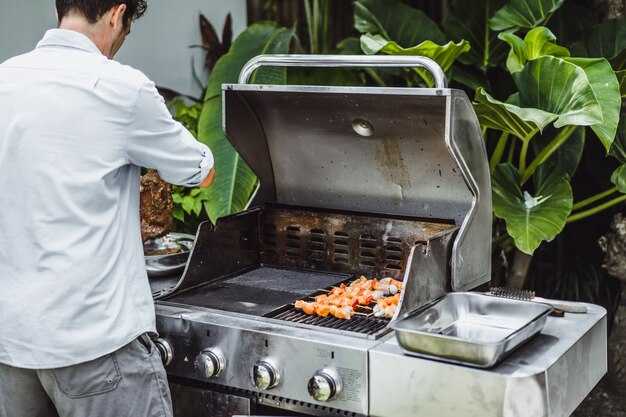

Grill on a boat is possible and safe when you use a mounted, marine-grade grill on a non-flammable deck and follow clear rules for setup, fuel, and supervision. This approach offers a great option for meals with friends and adds a fresh, communal vibe to your day on the water.
Place the grill on a stable area away from rails, lines, and passengers. Use a dedicated table to keep foods and utensils organized. Maintain at least a 1-meter clearance from winches and equipment, and keep a fire extinguisher and a bucket of water or sand within reach. Run a quick full safety checklist before lighting to confirm stability, fuel status, and everyone’s location away from the grill.
Legally, it varies by countries and by marina rules. In many places, charcoal grills are restricted in harbor zones, while gas grills are allowed with good ventilation. Always check local regulations posted by the harbor master before you light up, and respect any no-grill zones along your route through busy channels.
Choose a compact grill that is mounted securely, with a heat shield and a stable base. For long trips, opt for propane with a regulator designed for marine use to minimize flare-ups. Never use lighter fluid on a moving vessel, and keep fuel canisters sealed when not in use.
Set up a spacious prep area on a sturdy surface and plan your cooking so you can stay close to your refreshments. Prepare foods in advance so an individual guest doesn’t crowd the cook, and keep space around the grill open for turning and monitoring. If you have room, bring a small cooler with ice for drinks and towels for cleanup.
When underway, avoid long sessions in rough wake; grill in calm conditions or anchor briefly to finish a cook. Ventilate engine spaces by opening hatches away from the grill, and ensure there is a clear path so passengers can move without stepping over hot surfaces. Never grill on pavement near the dock; the heat and embers can pose risks to bystanders and the vessel.
Common issues include wind shifts that push smoke toward the cockpit, flare-ups from oily foods, and heat loss through hatches. Understand how to control heat with careful flame management, frequent checks of hoses and connections, and a steady cooking pace. Make a final last check before departure to keep the deck, your crew, and your foods safe through a great boating day.
Boat Grilling Guide: Safety, Legalities, and Practical Tips
Use a portable, marine-grade grill secured to a stable, non-slip base. Light it only when the boat is docked or anchored, outdoors in a well-ventilated spot, and keep fuel cylinders upright and capped. Place the unit away from railings, gear, and passengers to reduce risk, and use a screen to contain embers while a dedicated extinguisher remains within reach.
Check legal requirements before you cook: marina rules may ban open flames; you may need permits or documented compliance for fuel use; there are cases where local rules require extra steps; carry documentation and present it when asked by crew or harbor staff. Ensure gas shutoff valve is accessible, and never store propane cylinders below deck or in enclosed spaces.
During cooking, start with quick, flavorful options like fish fillets or vegetables. Keep heat moderate to avoid flare-ups–wind shifts can turn sparks into a problem, so place the grill downwind and use long tongs to keep hands clear. A thermometer helps ensure safe internal temps (fish 145°F/63°C; chicken 165°F/74°C). Most cooks prefer a quick sear for seafood or vegetables, which yields a tasty result and a bright experience on the water. Keep flames at a safe height, not magma-level heat. For visual guidance, shutterstock images show proper setups.
After serving, clean and store gear. Rinse grates, wipe surfaces, and drain grease into a closed container away from heat. If youve used propane, close the cylinder valve, detach the hose, and store cylinders upright in a well-ventilated, dry space. Keep a ready kit on deck with a fire extinguisher, baking soda for grease, and a screen for future sessions. This preserves the vibe and helps the community look out for safety on the next cruise.
Do I need a permit or marina rules to grill on a boat?
Yes. You generally need to check marina rules and obtain any required permit before grilling on a boat. Contact the marina office or harbor master to confirm if flames are allowed, which grills are permitted, and where you may set up near the dock. theres no universal rule; procedures vary by location, and some marinas require a formal fire-safety plan and a designated grilling zone. last season many harbors updated policies, so start there.
Ask specifically about permitted fuels and storage: some marinas ban charcoal or propane on board; others allow electric grills only. If you can grill, ensure you use a stable unit and secure it to prevent tipping and spills. Keep liquids and bottles of fuel away from heat, never leave the grill unattended, and set the unit on ample surface with room for everyone to move. For bbqing, follow posted guidelines, and be considerate of foreign boats nearby; near your setup, ensure there’s space for everyone and a clear path along the table area. Also beware fishing activity in the area and plan a safe distance from lines and gear.
Charter boats often tighten rules; check with the captain or charter company before planning any cookout. Some charters prohibit open flames entirely, while others designate a supervised area with marine-grade protection. If grilling is allowed, pick a near-exterior spot with ventilation and keep the stove away from the cabin doors, sails, and stored liquids. Ensure an accessible fire extinguisher and a clear separation of meat and raw products.
Keep the area stable, on a non-slip surface, with ample room around the long table where you’ll serve. Never grill underway or during rough seas. Use long tongs and heat-safe gloves, and keep away from crowds to prevent bottles or packs from rolling. Keep the heat over the grill grate to control flames and minimize smoke over nearby guests and docks.
Plan a quick, safe setup to minimize mess and fuel exposure. Stock simple menus, keep refreshments within reach, and store leftovers in approved containers. Until you reach shore, tidy up and collect all liquids and packs, then rinse and dispose of waste properly. If you need to move the setup, step onto pavement near the dock with care to maintain space for everyone, this helps ensure the trip stays safe and enjoyable for all.
Which fuel type is safest on board and how to store it properly?
Electric induction cooking is the safest on board. It delivers precise heat with no open flame and no onboard fuel storage, making cookouts easier to manage in a tight galley. If you must rely on a fuel, propane offers the safest, most controllable option among common marine fuels when stored and used properly aboard a vessel.
Propane is safer than gasoline or diesel for galley use because it stays in closed bottles until you open the valve, and the gas is heavier than air, so leaks can pool in low spots if you fail to vent. That makes a dedicated, ventilated storage locker essential, with a marine regulator and a hose designed for ongoing exposure to saltwater and vibration. Always test for leaks before lighting, and never store cylinders in living spaces or sleeping cabins.
Store propane bottles upright, secured, and within a purpose-built locker that remains open to outside air through approved vents. Keep the locker free of heat sources, electrical equipment, and ignition points. Use a regulator and hoses rated for marine use, and never connect damaged hoses or adapters. Label the cabinet clearly and keep a portable fire extinguisher within easy reach for quick response if needed.
Prepare the area for cookouts with clear etiquette: designate a safe zone on deck, keep kids and pets well away, and ensure the wife and crew understand shut-off procedures. Do not leave bottles or open flames unattended, and maintain a tidy space so bottles and fuel lines do not create a mess. A calm, organized setup helps you love the sailing lifestyle while staying within safety margins.
During operation, monitor all connections and keep the area well ventilated. After use, close the cylinder valve first, then the regulator, and store the bottle upright in the locked locker. Do not drag bottles through covered passages or kitchens; open the locker only to connect or disconnect, and close everything firmly when not in use so you can catch any issue early and prevent incidents.
Across countries, storage rules vary, so check local regulations and marina guidelines for open-air storage, venting requirements, and permitted fuel types. Keep your vessel’s gear up to date, and maintain a regular inspection routine–often at the start and end of each season–to ensure hoses, regulators, and detectors stay in excellent condition, ready for quick, safe use on your next cookout or casual meal.
Golden rule: never compromise ventilation or stability for convenience. If you can, switch to electric or induction whenever possible to minimize risk, keep fuel only where it belongs, and maintain a peaceful, mess-free galley that supports your lifestyle, including quick meals and relaxed gatherings with family and friends on deck through the year.
Where should you place the grill on a boat to minimize fire risk?
Place a freestanding grill on the open deck, or mount it on a dedicated, stable bracket so it sits firmly. Keep it at least 3 feet (1 meter) away from rails, seating, hatches, and any fuel stores or tanks. This reduces the smoky risk and keeps hot surfaces away from passengers and gear, making handling much safer in limited space.
For stability, use proper mounting hardware if you choose a mounted setup, and ensure the grill cannot shift when the boat moves. On a small vessel, a robust freestanding cart with wide legs and non-slip feet often works best, and you can relocate it as planning changes require. Avoid placing the grill directly over cushions, electronics, or dry stores to prevent accidental fires and spills.
Never store full bottles or liquids near the cooking area, and keep fuel sources and tanks in a separate, well-ventilated space. If you use propane, secure the tanks away from heat and ignition sources and verify valve safety before lighting. Always have a fire extinguisher within easy reach and a water source or bucket nearby for quick response, especially when you love grilling for an hour or more on the water.
| Location | Why it minimizes fire risk | Practical tips |
|---|---|---|
| Open deck (ample clearance) | Direct flame control with wind dispersion; reduces smoky buildup in the cockpit | Use a non-slip, heat-resistant platform; keep at least 3 ft from rails, hatches, and fuel stores |
| Transom or rail-mounted station | Stability during movement; prevents tipping when seas rough or turns happen | Secure hardware; avoid suction mounts in rough seas; ensure ventilation paths remain clear |
| Dedicated freestanding cart | Separation from rooms and storage reduces cross-contacts and spills | Check deck spacing; strap down if needed; position away from lines and battery compartments |
How to keep food safe on a boat: temperature control and cross-contamination prevention
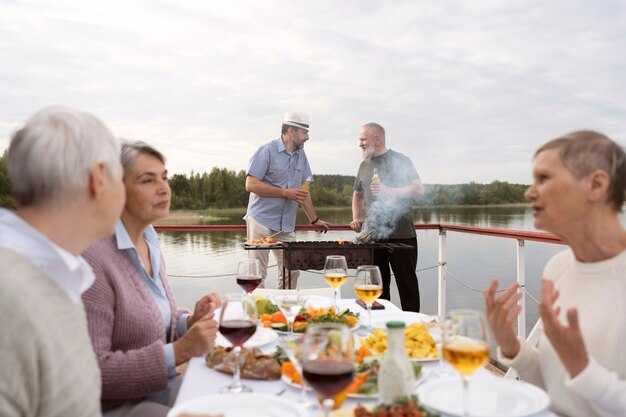
Keep perishable foods safely chilled at 40°F (4°C) or below using a mounted cooler or dedicated marine fridge; check the temperature at the moment with a digital thermometer and maintain ample ice or packs to hold cold.
-
Temperature control on board
- Store raw and cooked foods in separate, leak-proof containers to prevent cross-contamination; place raw proteins on the bottom shelf and away from ready-to-eat items.
- Keep foods at 40°F (4°C) or below; discard leftovers if they have been in the danger zone over two hours (one hour if ambient temperatures exceed 90°F/32°C); track times when you open the cooler.
- Cool hot items quickly in shallow containers and return them to mounted refrigeration as soon as possible to prevent a heat spike on the vessel.
-
Cross-contamination prevention
- Use separate utensils and cutting boards for raw vs cooked foods; color-code them and keep a spare set behind the galley for quick access.
- Store raw proteins in sealed containers to prevent drips through the cooler; keep ready-to-eat dishes covered until serving.
- Wash hands with soap and potable water or use hand sanitizer when water access is limited; sanitize surfaces between tasks during prep.
-
Storage and layout on a vessel
- Place the cooler in shade under the bimini and out of direct sun to reduce heat load; use ample ice or packs to maintain cold temps.
- Label containers with contents and dates; keep some containers separate to avoid mixing and limit air exposure.
- When at port or land, transfer hot items to a separate insulated container so cold items stay safely chilled.
-
Cooking, reheating, and serving
- Heat reheated items to safe internal temperatures: poultry 165°F (74°C), ground meat 160°F (71°C), seafood 145°F (63°C).
- Use a handheld or mounted thermometer to verify the thickest part; do not rely on color alone.
- Keep hot foods above 140°F (60°C) during serving; cover dishes to reduce contamination risk and to retain warmth.
- Maintain a safe fire on deck: keep the grill on a stable surface, never leave a grill unattended, and have a fire extinguisher or water source ready).
-
Hygiene and equipment care
- Rinse utensils and containers with potable water after use; air-dry before stacking to prevent moisture buildup.
- Carry a manual thermometer for times when power is limited; keep spare batteries to avoid downtime.
- Manage ice tanks and water tanks so meltwater drains away; replace ice as needed to maintain safe temps.
There, these steps help boaters protect meals and keep a community cookout great. Whether you’re docked at land or cruising the vessel, best practices stay the same: keep containers closed, utensils clean, and temperatures controlled. Some tips from the boater community suggest mounting a compact cooler near the galley behind the helm and using color-coded utensils to simplify the workflow. For visual references, shutterstock images can illustrate safe prep scenes, but the real value comes from disciplined handling of ingredients, not just pretty dishes. Recipes become hearty when you plan ahead, prioritize safety, and finish with clean-up that preserves the ability to grill safely on a great voyage.
What cleanup and maintenance steps reduce odors and fire hazards after grilling
Always clean the grill while it is still warm, within minutes after you finish cooking, to prevent grease from getting hard and creating odors. Wipe the exterior, then scrub the grate with a non-scratch brush, and rinse with warm water. Dry thoroughly and store the grill in a well-ventilated, freestanding area on deck or in a locker. Use containers or cups to catch drips and keep bags nearby for quick disposal, reducing clutter around the station and avoiding trip hazards.
To reduce odors after grilling, empty the grease tray into bags or containers immediately, then rinse and dry the tray before reinserting. Sprinkle baking soda or crushed charcoal to absorb smells, and run a short ventilation period with doors open or a small fan. Place fruit scraps and citrus peels in a sealed bag to neutralize aromas, giving a golden note to the air. This small step keeps the experience pleasant for everyone on board.
Address fire hazards proactively: inspect hoses and connections, ensure valves are off after cleaning, and fuel stores away from heat sources in dedicated containers. Never leave hot components unattended, and keep a freestanding extinguisher within reach. If you hear sizzling or smell gas, wake everyone and shut off the sources immediately.
Create a simple, repeatable routine for after-grill cleanup and maintenance. Keep a limited set of tools in a labeled container, and have a clean-up bag ready to go for every trip. This consistent effort reduces issues in different climates and helps the community; some members, like Brad, share tips and menus to streamline the process.