


 English (UK)
  Русский
  العربية
  日本語
日本語  한국어
한국어  Magyar
  Türkçe
  Español
  Čeština
  Svenska
  Português
  Ελληνικά
  Suomi
Suomi  Nederlands
  Română
  Italiano
  Français
  Polski
  Українська
  Deutsch
  简体中文
简体中文  Slovenčina

Start with inflated spherical fenders sized for your boat and inflate them correctly using the valve needle until they feel firm but not rock-hard. This simple choice boosts effectiveness and helps prevent hull damage in likely busy marinas.
The right spacing matters: wider hull contact happens when fenders are placed at roughly the height of the docking lines and spaced along each side of the boat. Known guidelines suggest using at least four fenders on a small cruiser and more on wider hulls; in a marina with narrow slips or pilings, add two more fenders to each side to spread the impact.
For most boats, those used near crowded piers perform best with a mix of spherical and cylindrical fenders. The spherical ones provide even contact, while wider shapes cover longer lines along the hull. The usage pattern matters: place fenders at bow and stern, and along midships where lines run; lets you tailor protection, and always inflate enough to keep them plump when a wave lifts the boat, but not so inflated that they press into the hull.
Regular checks prevent failures: inspect each fender for cracks or leaks, verify inflation pressure with the needle gauge, and replace worn fenders before they split. If a fender is inflated to the correct level, it provides cushioning during impact and helps protect the boat from dock scratches and accidental contact with a piling. Keep the inflation within known safe ranges and use proper usage to maximize the overall effectiveness.
Boat Fenders: A Practical Guide to Choosing and Using Them
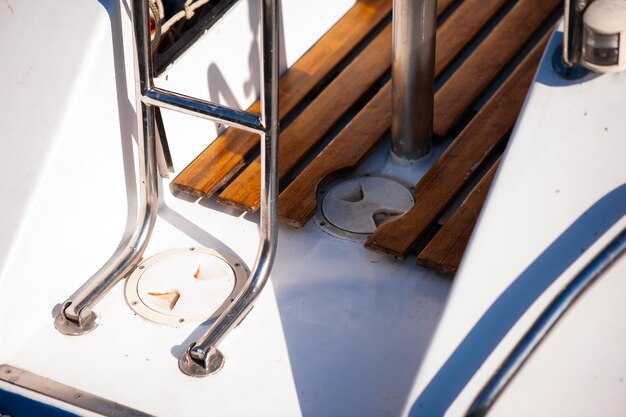
Start with larger fenders for most docking at a marina to maximize coverage and reduce damages to the hull.
Choose a type that matches your hull shape and berth length. Generally, use two larger fenders on the bow and two on the stern, with smaller pairs along the sides. This configuration provides better coverage for outer hull areas and reduces contact when the tide shifts in slips.
Inflate to the recommended pressure using a standard needle inflator; avoid overinflation to prevent bursting and to preserve their shape. Keep fenders available at the store or on board with a few spares so you can swap quickly if you note wear. Regular checks extend durability and reduce dragging along lines.
Position fenders to align with the hull profile and keep them from dragging against the hull; start with them at the outer edge of the berth, then adjust with lines to avoid slips when tide moves. This arrangement minimizes abrasion and protects your finish.
If youre unsure about the setup, ask staff at the marina or refer to their guidance; they often offer charts and coverage tips that match the slip layout and boat type.
After use, rinse and dry, then deflate for long-term storage. Keep a spare set in a dry, shaded store for quick readiness. Some boats with bigger hulls benefit from extra, larger fenders at the ends of lines to reduce hull contact and maintain smoother docking.
Estimate fender count based on hull length, beam, and docking style
Baseline recommendation: use 1 fender per 2.5–3 m of hull length (LOA) for calm dockage; adjust for beam and docking style as situations demand. Lead with a comprehensive plan to ensure coverage across different docking moments.
For boats with LOA 6–8 m, usually 4 fenders suffice; 9–12 m usually require 6; 12–16 m usually require 8–12, depending on beam and exposure. There are well-known guidelines, but you should adjust to your boat’s specifics. This approach does not require fancy gear, and choosing high-quality fenders makes a noticeable difference.
Beam factor: if beam is narrow, rely on the baseline; if 0.33–0.40 of LOA, add 1; if >0.40 LOA, add 2. Also consider docking style: calm marina or protected dock usually requires fewer, while offshore or open-dock situations call for investing in up to 4 extra fenders to cover them and hull contact points.
Placement and design: position fenders vertically along hull at key points–bow, midship, stern–to minimize movement shock and avoid pressure on a single point. When choosing fenders, select rugged, high-quality units designed for nautical use; they’re known to resist weather and wear. Also, investing in them pays off in long-term hull protection and easier docking in varied conditions.
Inflation and gauge: inflate to the rating specified by the manufacturer; check with a pressure gauge; the needle should sit in the green zone. This simple check helps prevent under- or over-inflation that could compromise protection and performance.
| Boat Size (LOA m) | Beam Condition | Docking Style | Recommended Fender Count | Placement Notes |
|---|---|---|---|---|
| 6–8 | Narrow | Calm marina | 4 | Place two midships, one bow, one stern; arrange them vertically along hull. |
| 9–12 | Medium | Protected dock | 6 | Cover midsection and bow; inflate to correct pressure. |
| 12–16 | Wide | Open dock / offshore | 8–12 | Distribute along hull; use higher-profile fenders; ensure strong models for shock absorption. |
| >16 | Very wide | Exposed / offshore wind | 12–16 | Combine rugged, designed fenders; add extra at bow and stern to reduce pressure points. |
Positioning: recommended locations for bow, midship, and stern fenders
Position bow fenders forward of the stem and just above the waterline, hung from secure points on the rails so they lead contact toward the forward line of impact. Usually place two per side, spaced to cover the point where the hull first meets the dock, and align them with the hull’s lines for even protection. This setup minimizes pressure spikes and keeps movement under control when approaching a berth.
For midship protection, position fenders along the widest section of the hull, about mid-height to the waterline, and keep them evenly spaced within 2–3 meters of each other on longer boats. Including one fender on each side helps protect protecting the midsection during parallel docking or passing traffic. Bigger fenders here usually offer better coverage and reduce the risk of hull lines contacting the piling or quay.
Stern fenders should be hung near the stern quarters, on both sides if possible, to cushion backward movement as the boat settles onto a cleat or bollard. Place them so the lines stay in a straight path and the fenders do not rub a tiller or stern hardware. This reduces dragging and keeps the stern from making contact with hard surfaces during short movements or back-in maneuvers.
General tips: choose fenders sized for the vessel length and expected docking environment, and ensure inflation keeps a balanced contact surface. If you use inflatable fenders, check the needle valve before boarding to avoid under- or overinflation, and monitor pressure daily in windy or choppy environments. For expensive hulls or costly paintwork, position fenders tighter to the hull so the protection lines carry the load rather than the hull paint. A Vancouver line or similar reference point can help keep consistent positioning along the hull, especially when sharing lines with crew or guests.
Remember to adjust based on movement and lines from the dock. If gusts push the boat, move fenders closer to the contact point to prevent pressure peaks. In rough weather, add one more fender per side at the bow and midship to keep pressure low and reduce the risk of damage. This approach provides reliable protection and helps maintain a smooth, controlled approach to any berth.
Fender types and sizing: when to pick cylindrical, oval, or ball styles
Pick cylindrical fenders for most marina docking, oval fenders for bigger boats or long contact along the hull, and ball fenders for offshore protection and quick adjustment.
Cylindrical fenders come in common sizes such as 4×12, 6×18, and 8×24 inches. For boats up to about 30 feet, a pair of 4×12 or 6×18 fenders on each side generally provides enough protection, while vessels in the 30–40 foot range benefit from 6×18 to 8×24. If you have tighter docking with narrow gaps, smaller diameters reduce risk of snagging, and you can add a second line of defense by having an extra cylindrical fender on the same side. Generally, keep them positioned with the axis perpendicular to the hull so they compress evenly and absorb side impacts instead of transmitting shock to rails.
Oval fenders deliver more contact surface along the sides, making them a better choice when you anticipate longer scrapes or when dock walls are uneven. Typical oval sizes include 7×20, 9×26, and 12×30 inches. For larger craft or crowded marinas, two oval fenders per side spaced every 4–6 feet provide consistent coverage without gaps. Having a longer oval also helps when you’re docking alongside a protruding bollard or a fixed cleat, because the broader face spreads the load more evenly.
Ball fenders shine for offshore protection and quick, adaptable buoyancy. They’re inflated to create a large, cushioned contact area that can be positioned quickly to cover corners or bulges. Sizes range from roughly 14–18 inches for smaller boats to 24–30 inches for larger craft. Ball fenders are commonly hung as a single large unit or paired at bow and stern when you expect variable gaps between boat and quay. Note that they’re more costly and require regular maintenance to check valves and seams; investing in a couple of them can reduce the number of fenders you need overall, especially in mixed situations.
Maintenance and storage tips help you maximize life and protection. Inspect fenders monthly for cuts, embedded grit, and seam wear; replace any that show significant cracking or soft spots. Inflate them to the manufacturer’s recommended range, and never exceed the limit, to keep them buoyant without stressing the material. When hung, positioned, and sized correctly, they provide reliable protection with much less risk of hull damage during docking and casting off. In marina settings, having the right mix of cylindrical, oval, and ball fenders reduces costly scrapes, keeps you safe, and makes docking smoother in common and offshore scenarios alike.
Materials and durability: foam cores, vinyl shells, and UV resistance
Choose fenders with closed-cell polyurethane foam cores and UV-stabilized vinyl shells; this configuration typically delivers reliable buoyancy, strong shock absorption, and durable surfaces that protect the hull in harsh environments. The core does not take up water, which helps the fender hold its shape whether you moor, offshore, or move between sides of the vessel.
- Foam cores: opt for closed-cell PU foam or high‑density EVA. These cores provide predictable buoyancy and resist compression under heavy contact, which matters when the hull work is near the waterline. Typical cores offer 20–40 kg/m³ density ranges, low water absorption, and shock‑absorption that prevents hull marks during contact with fendering. Look for cores that limit permanent deformation to less than 12–15% after a 600–800 N load test.
- Vinyl shells: select PVC or reinforced polyurethane skins with UV inhibitors and carbon black pigments. A thicker shell–typically 1.5–3.0 mm–reduces surface wear and protects the core from punctures. Heat-welded seams and double stitching enhance durability, letting the fender withstand repeated docking and rough seas without leaks.
- UV resistance: shells should include UV stabilizers designed for outdoor exposure. In offshore or sunny climates, expect color retention and flexibility to fade gradually over 4–7 years; in shaded moorings, life may extend toward the upper end of that range. Darker colors can help minimize UV damage, but often a high‑quality coating provides the best long‑term protection for the surface that contacts the hull.
Environment matters for durability. For offshore work or frequent contact with abrasive surfaces, prioritize thicker shells and reinforced edges to protect surfaces on the hull and fender from damage. If your vessel sits moored in a sheltered harbor, you still need UV stability and a robust core, but you can expect slower wear from splash rather than constant wave impact.
- Durability in use: for heavy contact, a higher-density core combined with a thicker shell reduces the chance of core rupture and shell puncture, protecting the hull more reliably.
- Maintenance: inspect seams monthly, clean with mild soap and water, and dry fenders after use to prevent chalking and mold. Replace fenders showing deep cracks, soft spots, or loss of buoyancy.
- Lifecycle: plan for replacement every 3–7 years depending on exposure, docking frequency, and load history; offshore or high‑traffic docks shorten the interval.
Maintenance routine specifics help you connect reliability with hull protection: store out of direct sun when not in use, avoid dragging fenders along the hull, and rotate positions to even out wear. These steps let you keep every surface of the vessel protected and ready for the next voyage, whether you are moored at a marina or operating offshore.
Attachment and tension: securing lines, avoiding chafing, and quick checks
Always take a focused approach: secure lines with a reliable hitch, inflate fenders correctly using their valves, and perform a final pressure check before you depart the marina.
One key point: attach lines to railings rather than cleats on the boat, whether youre docking at a marina or tying to a pier, to keep tension even and prevent chafing.
Use edge protection to avoid wear on hulls and rails. Place fenders so they flatten against the hull in the most exposed spots, and keep lines under gentle tension. This approach works for a variety of situations and prevents rubbing that can wear through paint or coatings.
Choose high-quality, marine-grade lines and fenders that match your vessel size. In the market, known brands offer lines that stay flexible under cold and wet conditions. Inspect lines for signs of wear, and replace worn sections to reduce chances of failure.
Final quick checks: walk the vessel and tug each line to confirm tension, verify fender placements, and ensure theyre inflated evenly. Keep lines under control and avoid under- or over-tensioning, which can cause railings wear and chafing in rough sea states.