


 English (UK)
  Русский
  العربية
  日本語
日本語  한국어
한국어  Magyar
  Türkçe
  Español
  Čeština
  Svenska
  Português
  Ελληνικά
  Suomi
Suomi  Nederlands
  Română
  Italiano
  Français
  Polski
  Українська
  Deutsch
  简体中文
简体中文  Slovenčina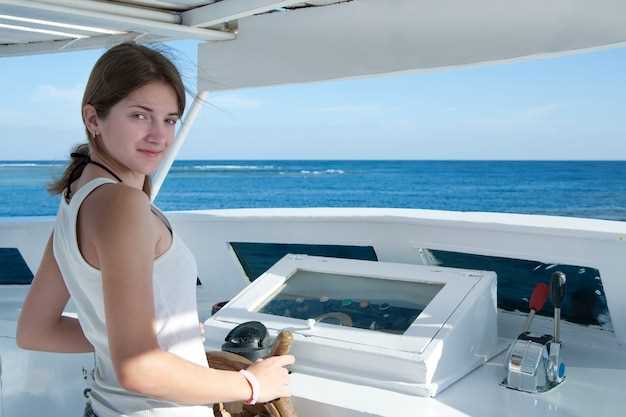

magellano 53 emerges as the obvious choice among captains seeking stability, long-range reach, plus interior comfort in rough seas, a protected pilothouse, high-quality lighting, plus a spacious layout deliver a confident sailing experience; having a second helm, dedicated carry area, lights, plus a robust stabilizer, this vessel protects crew from spray while providing a perfect living area
Powertrain includes twin diesels; cruising speeds hover around 9–12 knots; range roughly 1,000–1,300 nautical miles; top end mid‑20s knots; overall length near 16 m, beam around 4.9 m, draft close to 1.2 m; fuel capacity roughly 1,600–1,900 litres; fresh water roughly 700–900 litres; interior layout offers two staterooms, two heads; deckhouse provides sheltered command position; hydraulic stabilizers, bow thruster, stern thruster; nav electronics array features radar, chartplotter, autopilot, VHF; a set of LED lights is brought as standard
Compared with typical rivals, magellano delivers superior protective design, second stateroom near master, improved carry capacity, plus better navigation lights; torben’s hull shape reduces spray by a margin; this yields calmer motion in chop; this doesnt rely on gimmicks
guides highlight reliability of powertrain, range at planned sailing speeds, interior layout quality; could be verified by requesting service records, attending sea trials, reviewing prior usage; buying tips focus on evaluating ballast, mooring hardware, battery bank; assess carry capacity supporting a dinghy, verify navigation lights; ensure deck lights function; verify compliance with safety rules
amazing impact awaits buyers choosing with care; sailing around coastlines becomes safer when a vessel can protect crew from spray, featuring protected helm, second helm, lights, stabilizer; having a robust platform to carry a dinghy expands possibilities; the combination of comfort, resilience, efficiency makes the decision practical
Top Cabin Cruiser Picks for 2025: Spotlight on Jeanneau NC1095 Fly
Prudent choice: Jeanneau NC1095 Fly delivers fast propulsion with mechanically smooth handling, backed by a robust warranty, making this vessel a staple among yachties seeking comfortable voyages and reliable daily use.
Its layout emphasizes the dinette’s versatility and seating configurations. The spacious interior translates into an ultralounge vibe on the flybridge, with well-placed seats along the line of sight that fosters social dynamics during east coast voyages. The helm remains intuitive, with controls that feel smart and mechanically predictable, a feature yachties appreciate in hard times at sea.
Finish cues reflect Catalina-style practicality with english craftsmanship. The regals line in the woodwork gives a premium feel, while the seating plan remains spacious and flexible. A clever dinette converts into an extra berth, boosting overnight capability without crowding the cabin.
From a value angle, warranty coverage is prudent, with a smart electrical system that reduces downtime. The NC1095 Fly is designed to keep seating dynamic while negotiating lanes and hull speeds; its range helps crews save on fuel across longer voyages. Thinking ahead, the maker’s service network remains accessible along port towns and in the east, with service centers ready to service mechanically complex systems.
Among vessels in its segment, the NC1095 Fly stands out on matters of warranty, seating dynamics, and interior versatility.
| Aspect | Jeanneau NC1095 Fly | Notes |
|---|---|---|
| Length overall | 34 ft (10.37 m) | Compact, agile in lanes |
| Beam | 12 ft 9 in (3.89 m) | Stable under load |
| Hull type | Semi-displacement / planing blend | Speed with efficiency |
| Propulsion | Twin diesel options | Fast acceleration, reliable |
| Top speed | 28–34 knots (depending on power) | Wide envelope |
| Seating arrangement | Dinette + flybridge seating | Spacious social area |
| Berths | 2 berths + convertible dinette | Overnight flexibility |
| Warranty | 2-year mechanical, 3-year structural | Peace of mind |
| Notable features | Ultralounge, smart helm, English craftsmanship | Enhanced social space |
Jeanneau NC1095 Fly: standout features for 2025 buyers
Choose NC1095 Fly if you want flagship-grade cruising with a grand social zone in a compact base, created to keep guests engaged, keeping maintenance straightforward and no excuse for clutter. It drew on Jeanneau’s coastal heritage, brought value to the line, and eventually delivered a versatile craft that suits weekend escapes; crew training courses available. This design tells buyers that space, reliability, and flexibility can co-exist in a single vessel.
- Functional layout: intelligent zoning across fore cabin; main salon; galley; storage remains accessible; keeping volume usable in daily life; a single step from cockpit to saloon reduces motion interruptions.
- Flybridge and outdoor living: grand upper deck; seating for 6–8; wet bar; power sunroof option; helm preserves visibility; action remains social; skipper has full control.
- Propulsion and maneuverability: motors configured for balance between pace; efficiency; joystick docking; bow thruster; simplifies close-quarters handling; maintainable systems; easy access points; service downtime short; displays show clean diagnostics.
- Seakeeping and performance: hull form supports distance traveled in rough seas; platform delivers stable progress in severe conditions; minimizes rolling; maximizes comfort; youre able to maintain speed in chop.
- Technology and navigation: sealine navigation suite; radar; autopilot; digital switching; east coast deployment possible; offshore adaptation possible; know the electronics enable critically reliable operation.
- Interior versatility and storage: non-negotiable comfort for weekend stays; comparable with larger models; marina-friendly footprint; base construction tells buyers that space is prioritized; durability endures salt exposure.
- Value proposition and ownership: opportunities to customize with a wide range of options; eventually strong resale due to Jeanneau’s reputation; brought to life by a design that appeals to flagship performance sensibilities.
Performance snapshot: speed, range, and handling across coastal leisure craft
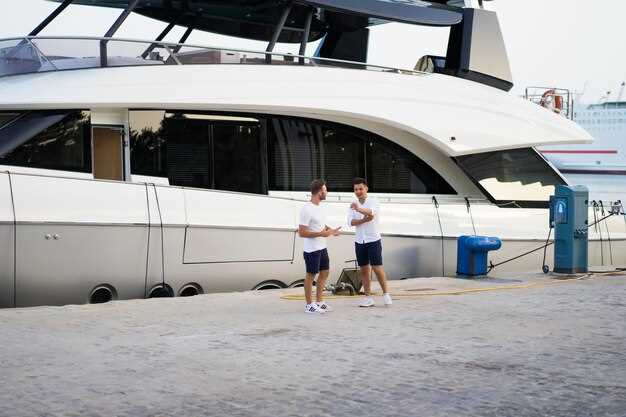
Having a built hull; predictable trim translates into safer handling in local chop; a deep‑V or stepped hull keeps spray down; preserves comfort perfectly during passage with quite stable behavior at planning speeds.
Speed benchmarks vary: entry‑level models reach 22–26 knots; mid‑range cruisers push toward 28–34 knots; high‑power variants approach 40–45 knots when light. Range at cruise sits around 160–210 miles at 20 knots; in eco mode, 260–320 miles becomes likely on larger configurations.
Handling depends on sea state; hull weight; trim; engine torque. Engineering quality becomes critical; comparable packages show similar handling in chop; catch arises when trim changes wake patterns. Local tests near Dover passage show how close two similar hulls can feel, with the closest miles of difference tied to weight bias about prop‑torque maps.
Interior layout drives daily usability: sleeps two; seats in the pilothouse; a door to the head enables private space. Build quality matters: a well‑finished cockpit; reliable latches; weather‑proof hardware elevates value, a major factor in choosing wisely. You carry cargo with confidence in rough weather.
When choosing, prioritize engineering reliability; a sturdy hull; a seating plan that keeps social areas near the galley. Aesthetics should not trump safety; some models deliver both gracefully. If you sleep aboard, check sleeps capacity, door closures, accessible passage between berths. Buyers drew on real-world reliability histories; a sensible choice balances speed, range, economic operation, comfort; this gets maintenance costs down, benefiting long-term ownership.
Interior layout: sleeping arrangements, saloon, and headroom
Choose layouts with a forward V-berth, a roomy salon, headroom above 6 ft 2 in; this setup delivers practical sleeping, social space, easy circulation. Perfect in bahamas itineraries where daily life needs flexibility; a clear choice for coastal cruisers.
Sleeping arrangements prioritize a forward V-berth that sleeps two; a dinette in the salon converts to a bed; a mid-berth offers additional sleeping, optional if space permits; a stern cabin caters to guests on larger layouts.
Saloon layout favors flexible seating; U-shaped or L-shaped configurations maximize social space; upholstery lifts reveal storage; already proven in coastal berths; large windows boost perception of space.
Most headroom in the main cabin typically ranges from 6 ft to 6 ft 4 in; clearance at doorway improves movement; in models with a taller deck, staircase access delivers a more open feeling; economic tradeoffs influence deck height selection; expense considerations influence mid-berth options.
electric capability matters; electrically driven climate control, lighting, water heater raise daily comfort; a robust system supports longer stints.
Warranty terms, service coverage, brand support influence judgement; sealines models present social layouts; yamaha propulsion yields reliable stern power; drivetrain choices prove comparable across options; stocker availability of essential parts helps maintenance.
here a concise buyer checklist: evaluate V-berth length, headroom above 6 ft 2 in, salon height, V-berth ventilation; assess storage under seating; test electrical system responsiveness; pull test on mooring lines to confirm deck integrity.
Deck space and outdoor living: cockpit flow, swim platform, and sunseats
Recommendation: opt for a cockpit with ample width, a direct, unobstructed flow from helm to transom, plus an electrically actuated swim platform that lowers automatically at the touch of a switch, taken into account, perfect for crew movement.
Cockpit layout details deliver smooth dynamics on deck: seating along gunnels preserves an open center aisle at least 0.6 m wide; helm to transom passage remains clear even with a table in use; under-seat bins carry gear without crowding the flow; ideal for narrow berths near a wharf, reflecting years of testing.
Swim platform specifics: an electrically actuated lower platform lowers down to water level; integrated ladder accessible from water; typical platform height around 40–60 cm, length 1.8–2.2 m; check load rating about 120–150 kg; on many builds, platform can be lowered to 0.0 m near wharf.
Sunseats offer ample lounging: stern sunpad 1.8–2.2 m long; adjustable backrests; bow sunpads 1.5–1.9 m; cushions removable; table support folds away, creating uninterrupted sun deck; cushions can be turned to face aft for conversations.
Construction quality matters: non-slip surfaces; high gunnels deliver safe footing near water; coaming rails with integrated grab points; mooring cleats placed near wharf transitions; check that hardware version uses corrosion resistant finishes; lighting packages include underwater lights for night use; quick service access panels reduce maintenance downtime.
Theo notes from live layouts that the unique feel embodies practical pockets; first-time purchasers benefit from a yacht vibe that remains easy to manage; more space translates into calmer movement times, reducing collision risk during docking; watch videos from smaller yards showing how beam width expands social spaces; some models pair Yamaha outboard options to deliver smoother speeds while keeping a low noise footprint; lighting packages add ambience after sunset.
Ownership costs: price, maintenance, fuel, and resale value
Choose a fully documented chaparral model with efficient fuel use; they should review maintenance logs before purchasing; the captain should inspect the engine room, electrical panel, ventilation system; the inspecting officer may verify serial numbers, registration; avoid neglected hulls.
Prices show three segment levels: entry-level craft around 130k–230k in vilamoura territory; mid-range 300k–550k; premium 650k–1M+; depreciation roughly 15–25% yearly in early years; keeping miles modest plus robust documentation supports resale.
Maintenance: budget 5–12% of value each year; three core tasks: mechanical service, hull gelcoat, electronics; engine service every 100 hours or annually; inspect propeller, seals, and filters; ventilation reduces interior moisture, preventing rot; maintain records in a standardized documentation folder.
Fuel: consumption depends on speed; expect 1.5–2.5 miles per gallon at cruise around 20–25 knots; wide-open throttle burns more; fuel cost equals miles logged multiplied by price; three propulsion layouts predominate: single outboard, twin outboards, stern drive; select a configuration that matches typical territory and travel patterns; Vilamoura trips often rely on consistent fuel availability; ensure tank capacity covers planned runs.
Resale value: expect a three-year to seven-year cycle; models from chaparral with robust build plus vilamoura marina access retain demand; remaining value commonly 40–60% of original after five years; condition, maintenance history, documentation; magazine analyses show units with low miles, clean ventilation, and no neglected systems fetch premium; properly maintained units sell quickly; again.
In the world where water creates drag, hull efficiency becomes a cost lever; choose a craft with proven ventilation plan, close-quarters layout, plus a balanced three-engine setup for predictable fuel, miles, demand; deciding territory, the owner keeps costs within expected bounds.
How to compare models: test drives, options, warranties, and deals
Get a guided 60-minute on-water test drive with three similar hulls to compare handling, acceleration, braking, gasoline engine behavior across conditions; the trial shows performance when crossing wake, sliding through chop, docking near a wharf; this example yields exact data, helps select the main model built to handle port duties with very clear results.
When evaluating options, applying a short checklist: main equipment packages, sliding seating options, anchor setups, bilge pumps, electronics such as radar, GPS, radio; verify each model supports adding features via a simple interface, not bulky bundles; shipping windows, delivery intervals, cross-border costs if relevant; if you wish, compare similar packages across them to reveal which fits your crew best.
Warranty terms matter: focus on length, transferability, coverage scope, labor inclusion; whether electronics are covered automatically after registration; inspect intervals between service visits, required maintenance, replacement parts; request a written policy detailing towing to a wharf, storage, port calls; exactly what gets covered under each level of protection. Often buyers focus on price; performance remains decisive when selecting a vessel built to cover port duties.
Deals require scrutiny of price, deposits, shipping charges, taxes, trailer options, plus value over time; negotiate price protection, factory incentives, a clear termination clause; request a copy of the warranty, service plan; a schedule for routine maintenance intervals; if a used model is on the list, verify history, cross-check titles, any known issues.
When you wish to compare value across the market, look at used vessels from reputable teams; focus on Bennington models if you prefer pontoons, twins propulsion, very stable platforms; inspect sliding seating, built-in storage; a radio serves as baseline; confirm a clear shipping window to your port, with a predictable schedule at a nearby wharf; verify intervals for tune-ups; check capability in rough crossing conditions.