


 العربية
  English (UK)
  Русский
  日本語
日本語  한국어
한국어  Magyar
  Türkçe
  Español
  Čeština
  Svenska
  Português
  Ελληνικά
  Suomi
Suomi  Nederlands
  Română
  Italiano
  Français
  Polski
  Українська
  Deutsch
  简体中文
简体中文  Slovenčina
 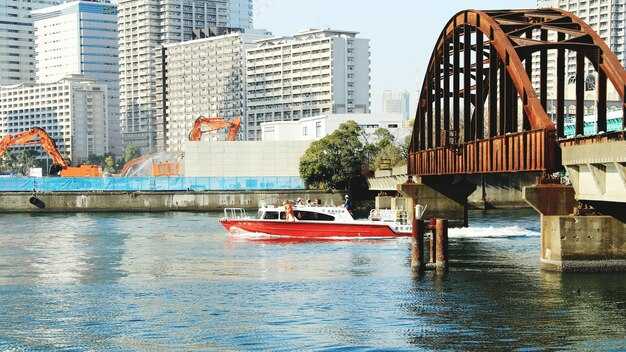 Traveling the City by Water – Your Essential Guide to NYC Boats and Ferries">

Looking to escape traffic? Start with this: book a rental for NYC ferries; it helps you skip long lines and makes a great day on the water. Build a complete plan by marking moorings, landings, and the ferry lines that connect your start to your destination. Keep the route within the areas you’ll visit and note where you can share a boat with friends to save time.
Most NYC Ferry lines run every 15–30 minutes during the day, with shorter waits at night. Typical travel times include 8–12 minutes from Manhattan to DUMBO and 5–7 minutes to Roosevelt Island; ferries to Red Hook can take about 25 minutes. Arrive at the landings 5–10 minutes before departure to avoid missing a boat. If you’re looking for flexibility, a rental boat lets you tailor a harbor loop with others in your party.
Safety first: inspect the hull and confirm the required safety gear is aboard, including a working extinguisher. In busy waters you’ll share space with swimmers and other vessels near landings, so follow the crew’s proper instructions, maintain a safe speed, and keep a clear lookout at all times.
Plan at the harbor’s moorings and nearby areas with easy access to multiple lines. Note that different operators use different landings and may have specific rental rules, so check in advance. If you want a great first ride, start near Wall Street or Battery Park to hop onto a morning ferry heading toward brooklyn or yorks coast.
Share routes with others to cut costs and crowding, and keep a compact packing list so you don’t block aisles on the ferry. Before you set out, verify areas you’ll visit and the lines serving them, then head to the moorings with confidence. A few practical habits–watch the wind, respect swimmers, and check the hull condition of any rental vessel–make water travel a reliable, great way to see NYC from the harbor.
Traveling the City by Water: NYC Boats and Ferries, and Differences from Urban Boating
Choose the NYC Ferry network for cross-borough hops and reliable times. The system connects Manhattan, Brooklyn, Queens, and the Bronx with dock moorings and predictable schedules, especially on weekdays. For shorter hops, harbor shuttles link piers along the East River, with current listings posted on the operator’s app or website. If you have questions, the listings provide the exact times and routes.
Urban boating typically relies on private vessels with variable schedules and on-demand launches. NYC Ferries operate fixed routes and host- points, while owners of private boats must coordinate mooring or anchor placements with harbor authorities. The difference shows in pace, costs, and safety requirements. Laws govern both, but enforcement differs by service type. The combined effect is a quicker, more predictable way to travel between boroughs. If needed, you can combine ferry legs with a short private ride to reach a dock not served directly.
- Routes and mooring: ferries dock at fixed points such as Whitehall, Pier 11/Wall Street, and Red Hook; private boats usually require a mooring space or an anchor near a shore point that keeps a clear approach path for larger vessels.
- Rules and safety: operators enforce safety equipment and sound-producing device restrictions near docks; private boats must follow harbor rules and carry appropriate equipment for passengers.
- Costs and listings: ferry fares are posted publicly; private groups or owners may arrange private trips with custom pricing; check listings for birthdays or special events, and confirm capacity.
- Times and crowds: ferries offer regular headways, while crowds vary by point; plan morning departures on weekdays to minimize crowds and maximize daylight.
Practical planning notes: December weather often brings cooler air and gusty winds, so dress in layers and verify departure times the morning of travel. On private launches, ensure the first step is confirming an appropriate mooring plan or anchor location, then create a simple on-board plan for your group. Use a device to monitor live updates and keep safety gear, including life vests and signaling equipment, ready for launching or disembarking.
Checklist (quick reference):
- Check listings for route, times, and first available trips.
- جهّز جهازك بتحديثات في الوقت الفعلي وتنبيهات الطقس.
- اختر أوقاتًا مناسبة، ويفضل أيام الأسبوع وساعات الصباح، لتجنب الازدحام الشديد.
- قرر بين الإرساء أو التَّوَقُّف بالمِرْساة في نقطة آمنة بالقرب من وجهتك.
- تأكيد ترتيبات الإطلاق والتأكد من أن المعدات كاملة وجاهزة.
دليل عملي للسفر المائي في مدينة نيويورك: القوارب، والعبّارات، وكيف تختلف عن الإبحار في المدينة
ابدأ بخطوة عملية: اشترِ تذكرة عبّارة ذهاب فقط من باتري بارك سيتي إلى جزيرة الحكام لاختبار الجدول الزمني، ثم خطط لعودة مبكرة أو زيارة احتياطية.
تعمل عبارات نيويورك المائية على مسارات مُخطط لها مع أوقات مُعلنة وتأخيرات متوقعة، وتنقل عدة مئات من الركاب في كل رحلة. وتعتمد على أنظمة تعويم قوية ويجب أن تركب التيارات المد والجزرية التي تشكل التدفق على طول النهر الشرقي وميناء نيويورك. عندما يتسبب الطقس أو حركة المرور في الميناء في التأخير، قد تحدث تأخيرات، ولكن النطاق الزمني المنشور يبقي معظم الرحلات على المسار الصحيح على مدار يوم كامل من السفر.
في المقابل، يتيح الإبحار في المدينة بقوارب خاصة أو سيارات الأجرة المائية مزيدًا من المرونة، ولكنه يتطلب منك التعامل مع التزود بالوقود وتخطيط الوقود والسرعات المنخفضة بالقرب من الأرصفة. تلتزم العبّارات بممراتها وأطرها الزمنية؛ بينما يترك لك الآخرون مهمة التكيف مع قيود سفينتك وجدولك الزمني. هذا الاختلاف مهم لرحلة مستقبلية تتضمن قفزات متعددة أو إقامة أطول، ويمكنك العمل مع الأطقم أو الانضمام إلى جولة مصحوبة بمرشدين لتبسيط العملية.
يجب على المبتدئين البدء بالمسارات الرسمية، وارتداء سترة النجاة، وتعلم القواعد قبل مغادرة الشاطئ. ابنِ معرفتك من خلال قراءة المخططات المنشورة، والإحاطات الإعلامية حول السلامة، وإشعارات الرصيف. إذا كنت تخطط لرحلات صيد أو تجديف بالكاياك، فابق في المناطق المخصصة، واحترم قنوات العبّارات، وانضم إلى الآخرين في الماء فقط عندما تعرف البروتوكول. تساعدك المغادرة المبكرة على التغلب على الحشود؛ تتطلب الرحلات الليلية إضاءة إضافية وعناية إضافية لرؤية علامات القناة.
بالنظر إلى المستقبل، قد يقوم العديد من المشغلين بتوسيع الشبكة إلى ما وراء الحدود الحالية. في المستقبل، يمكن للشراكات ربط محطات نيويورك بمدن قريبة على ضفاف البحيرات مثل بورلينجتون وكايوجا، مما يخلق فرصًا جديدة للنزهات في عطلة نهاية الأسبوع. يحتاج هذا التحول إلى بنية تحتية للوقود وقواعد محدثة، ولكنه سيوفر للمسافرين المزيد من الفرص لتجربة ديناميكيات الموانئ على مر السنين من التغيير.
سواء كنت تغادر المدينة للقيام برحلة بحرية أو اخترت رحلة تجديف هادئة، تعامل مع كل رحلة على أنها جزء من خط سير رحلتك المائية. استخدم الخدمات المجدولة والموثوقة للتنقلات الأساسية واحجز الخيارات الخاصة للرحلات المرنة. إذا حدثت تأخيرات، فقم بتغيير الخطط أو انضم إلى مسار آخر أو جرب فترة زمنية مختلفة؛ يكافئ الميناء المسافرين الذين يظلون فضوليين ومستعدين، بعيدًا عن صخب الجزيرة.
القسم 1: اختيار الوعاء المناسب لرحلتك
اختر "سي ستريك" لرحلات بحرية سريعة وموثوقة عبر الميناء؛ فهي تساعدك على إنهاء الرحلات بسرعة والالتزام بجدول زمني محدد، مثالية عندما تريد زيارة عدة مواقع في نزهة واحدة.
ليوم هادئ ومناظر خلابة مع مجموعة أصغر، اختر مركبًا شراعيًا للموانئ المحمية على طول الخط الساحلي التاريخي. سوف تنزلق فوق الماء الهادئ مروراً بالجزر الصغيرة، ويمكنك الاستمتاع بمقعد بجانب النافذة بينما يحدد شخص مميز المعالم وتخطط أنت الأنشطة على متن السفينة للرحلة.
عندما تكون الميزانية مهمة وتريد المرونة في التوقفات، فإن الخدمات المشابهة لـ NYC Ferry تقدم تكاليف أقل ومسارات منفصلة بين الأحياء. إنها تجعل من السهل إيقاف السيارة بالقرب من الأرصفة، وتغيير الخطط عند تغير الطقس، وإبقاء اليوم مفتوحًا بالأنشطة والتعليقات الموجودة على متن السفينة التي تثري نزهتك.
تعتبر سعة السفينة مهمة: تحمل سفن سيستريك عدة مئات من الركاب، بينما تتسع القوارب الشراعية لمجموعة صغيرة فقط؛ في ذروة الأشهر، يجب عليك الحجز مسبقًا، وفي الأشهر التي تقل فيها الحركة، يمكنك غالبًا تأمين مكان عن طريق الحضور المفاجئ. إذا كنت تنسق استراحة عمل أو نزهة جماعية مع شخص ما، فاختر حرفة تناسب حجم مجموعتك وتحافظ على راحة الجميع.
نصائح للسلامة والراحة: ضع واقيًا من الشمس وارتدِ سترة خفيفة، وأحضر حقيبة صغيرة يمكنك ارتداؤها، واختر طرقًا بها موانئ محمية ومناطق بدون أمواج بالقرب من الحدائق لتقليل الأمواج. ابحث عن خطة تتيح لك إنهاء اليوم بفترة هادئة على الشاطئ، وضع خيارك الأول في الاعتبار مع تغير الأحوال الجوية والجداول الزمنية على مدار الموسم.
القسم 2: مسارات عبّارات مدينة نيويورك الأساسية وأساسيات الجدول الزمني
احجز رحلتك الأولى قبل 24 ساعة على الأقل لتأمين مقاعد؛ فالجميع يستفيد من التخطيط الواضح والتوافر في الوقت الفعلي عبر الممرات الرئيسية.
خطوط NYC Ferry الأساسية وتشمل ثلاثة ممرات أساسية: الـ أستوريا-مانهاتن المسار، ال روكاواي - مانهاتن الطريق، و إيست ريفر ممر يربط مانهاتن بكوينز وجزيرة روزفلت. تحمل هذه الخطوط حركة مرور كبيرة للمسافرين وتجذب الزوار في عطلة نهاية الأسبوع الباحثين عن روابط سريعة بالمنتزهات والأحياء المطلة على الواجهة البحرية في جميع أنحاء الأحياء. تتكيف الخريطة والجدول الزمني مع الموسم، لكن الشبكة تظل مستقرة للاستخدام اليومي.
تُظهر الجداول الزمنية مواعيد مغادرة القوارب وعدد مرات المغادرة. في january, ، تبدأ القوارب الأولى في وقت مبكر ويكون ضوء النهار أقصر؛ تستمر الخدمة حتى الغسق وتمتد أحيانًا في وقت لاحق في عطلات نهاية الأسبوع في fall. عادةً ما تكون الفواصل الزمنية بين الرحلات حوالي 20 دقيقة خلال ساعات الذروة و40-60 دقيقة في غير أوقات الذروة. تبدأ الخدمة حوالي الساعة 6:00 صباحًا وتنتهي بالقرب من الساعة 9:30-10:00 مساءً في أيام الأسبوع؛ قد تمتد ساعات العمل في عطلة نهاية الأسبوع إلى وقت لاحق. يختلف التوفر حسب الرصيف بسبب الأحوال الجوية أو الصيانة؛ تحقق من الجدول الزمني الرسمي لذلك اليوم، nycs، ولاحظ أي قيود تؤثر على خطتك. مصدر
نصائح حول حجز التذاكر والتخطيط: استخدم التطبيق الرسمي أو جهازًا للحجز؛ حيث تتغير الإمكانية المتاحة بسرعة، لذا احجز مسبقًا. للبدء مبكرًا، اختر رصيفًا بخدمة مباشرة إلى وجهتك النهائية لتقليل التحويلات والوصول دون تأخير. إذا كنت تحمل حقائب، احتفظ بقطعة صغيرة وتجنب الأمتعة كبيرة الحجم لتلبية قيود الرصيف. يمكن لراكبي nycs التخطيط حول وقت الغسق من خلال الجمع بين الركوب ومنتزه قريب أو مسار على الواجهة البحرية في الأحياء؛ هذا إعداد مثالي لمشاهد الغسق. مصدر
القسم 2: أين تشتري التذاكر وأي بطاقة تناسبك
اشترِ عبر الإنترنت اليوم من خلال تطبيق NYC Ferry الرسمي أو في مكتب التذاكر لتوفير الوقت وتجنب الازدحام عند الحوض.
أين يمكن شراء التذاكر؟
- التطبيق الرسمي: إتمام سريع للدفع، وحفظ الملفات الشخصية، وحماية لبيانات الدفع.
- مكاتب بيع التذاكر في المحطات الرئيسية: تقبل البطاقات والنقد، مع وجود موظفين على استعداد للإجابة على أسئلة حول الطرق وتقديم تفاصيل عن الجزر والأنهار.
- أكشاك الرصيف: سريعة وسهلة الوصول ومثالية للرحلات في اللحظة الأخيرة؛ استخدمها قبل الفجر عندما تكون متوجهًا للخارج.
خيارات وتوصيات البطاقات
- رحلة فردية: الأفضل للتنقل لمرة واحدة عبر الأنهار أو إلى جزيرة قريبة.
- باقة الـ 10 رحلات: مثالية إذا كنت تخطط لعدة رحلات هذا الأسبوع وتريد تكلفة متوقعة لكل رحلة.
- بطاقة مرور لمدة 30 يومًا: مناسبة للمسافرين يوميًا الذين يربطون الأحياء والمحطات الحضرية، مما يوفر أقل سعر للرحلة إذا كنت تركب كثيرًا.
لمحة عن الأسعار ونصائح
- تبدأ الأسعار من حوالي 4 دولارات للرحلة الواحدة؛ وتوفر باقات الـ 10 رحلات عادةً ما بين 15 و 30٪ مقارنة بتذاكر الرحلة الواحدة؛ وتختلف خيارات الـ 30 يومًا حسب منطقة الخدمة ولكنها عادة ما تكون في حدود المئات المنخفضة.
- تحقق من التطبيق بحثًا عن خيارات الأصل الخاصة بـ canandaigua و jersey و kent وأي تصاريح أو قيود إقليمية تنطبق على بعض الطرق.
- لتحقيق أقصى قيمة، خطط مسبقًا، وانضم إلى الرحلات الجماعية، واستخدم تصريحًا لهذه الأنشطة عبر الجزر والأحواض.
Extra notes
- احتفظ بتذكرتك جاهزة وفي متناول يدك في التطبيق لتسريع عملية التحقق وحماية تذكرتك، وذلك لتجنب خطر تفويت رحلتك.
- ستجد اليوم المزيد من الطرق لربط الأحياء، مع هذه الخدمات المصممة لدعم السكان والزوار على حد سواء.
- بالنسبة للمجموعات المؤسسية أو البرامج المدرسية، يرجى الاتصال بالمكتب لترتيب تصاريح تغطي عدة مشاركين وتنسيق الجداول الزمنية.
- تقدّم بعض المسارات برامجَ خاصة أو فعاليات موسمية؛ لذا ترقّب الإعلانات، وخطّط للانضمام إلى هذه الفعاليات.
- سواء كنت تتوقف عند الفجر أو تخطط لرحلات في الجزيرة، يمكن لخيار الركوب المتعدد تبسيط يومك وإبقائك متحركًا.
- Support is available from the harbor office; if you need accessibility or equipment modifications, staff can help ensure a smooth trip.
- After a ride, grab a tiki‑inspired drink from waterfront stands to cap the day.
Section 3: Boarding, Accessibility, and Onboard Tips
Arrive 15–20 minutes before planned departure and head to the stable forward ramp for boarding at the seastreak terminal, then move toward the landings and your assigned seating area.
Here is a practical checklist to streamline the process: confirm your dawn sailing time, have a personal ID ready, and request accessibility support at the counter if needed.
إمكانية الوصول: seastreak و others provide wheelchair-accessible ramps and seating; tell staff your needs at least 30 minutes before departure.
Onboard tips: store valuables in waterproof bags, keep personal items in waterproof pockets, and secure equipment in racks; if you have a pump-out requirement, follow crew directions.
During docking and landings, maintain stable footing, use handrails, and step carefully onto landings; avoid blocking gangways.
Regulations and subsidies: life jackets are provided on every vessel; children under 13 must be on deck with an adult; check regulations before fishing from piers or boats, and look for subsidies offered for groups or seniors where available.
Kayak and fishing specifics: if you plan to bring a kayak, choose a small, foldable model that fits in the rack and confirm weight limits with the operator; store fishing gear securely when not in use to prevent tangling.
December tips: planned maintenances can shift open departures; monitor the operator’s app or texts for updates before dawn, and have a backup plan in case schedules change open to weather conditions.
Section 3: Weather, Safety, and Comfort on the Water
Check the forecast and tide tables before you rent a boat, and design a route that stays within safe corridors along your cove. Your plan starts with a specific forecast window, a map of creeks and islets, and a clear itinerary that matches your sailboat’s capacity with your crew, and it keeps you prepared for quick changes.
Equip every person with proper life jackets, a whistle, and a waterproof flashlight. Pack dry bags for valuables and a spare change of clothes; secure loose items and stow bags low to avoid shifting weight. For night trips, add extra lighting and a portable radio so you can communicate if visibility drops. Yourself stays safer when gear is within easy reach and properly secured.
Weather can shift quickly around NYC waters, so review winds, gusts, and current forecasts for the Rockaways, creeks behind the islets, and other areas you plan to cross. Respect wakes and keep a safe distance from shoals and moored boats; if visibility tightens, reduce speed and switch to a wider corridor. At docks or in the cove, follow the approach guidance from owners requiring adherence to posted rules.
Comfort comes from planning, not panic. Bring sun protection, hydrate, and rest when needed. Keep flexible plans so you can adjust to crowds at docks, changes in location, or a breeze that shifts direction. When you dock, confirm you can reach a pump-out facility and understand any costs involved. Costs vary by marina and season, so map your route with backup stops to avoid surprises.
Owners and marina staff may require specific checks or documentation; check those requirements before you depart and follow the posted rules at every location. With friends aboard, your plan should include contingency stops and a safe anchor if you need to wait out a passing weather cell, ensuring everyone looks after themselves and stays aboard.
| Item | Action | الملاحظات |
|---|---|---|
| Forecast | Review wind, tide, visibility | Plan for night or day sailing |
| العتاد | Equip proper PFDs, whistle, light | Store in bags; check battery |
| الموقع | Know pump-out, cove, and rockaway access | Costs and hours vary by marina |
| السلامة | Stay within corridor, respect other boats | Slow down near islets and creeks |
| Planning | Keep flexible, set backup routes | Coordinate with owners requiring compliance |
Section 3: Transfers, Connections, and Docks for Easy Access
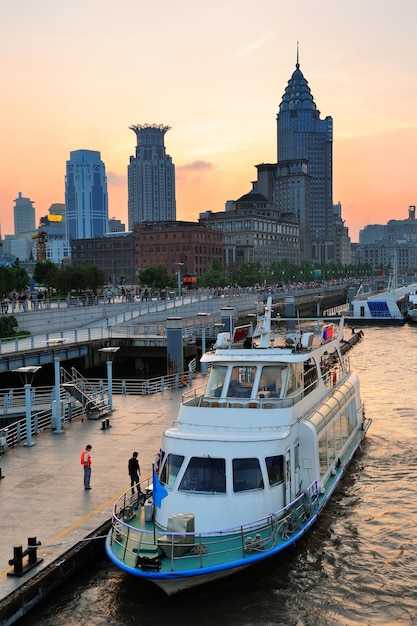
Start transfers by choosing two nearby docks and mapping connection times to avoid missed trips. In nycs, youll often find the distance between key spots along the East River and the Hudson is under a mile, letting you switch vessels quickly without long walks.
Check schedules at the dock or via the operator app to confirm which vessel operates, whether the route is running, and the expected turnaround. For a party or a few people, flexible options let you adjust if one boat is delayed. Ask which docks are operated by the current operator.
Know the restrictions on items and gear before you head out; avoid bringing oversized luggage or bikes on short hops; if something isn’t allowed, give it to a locker or plan a different dock. This keeps lines moving and reduces hassle.
Inspect each vessel before you board; you’ll notice life jackets, waterproof bags, and passenger limits. For a quick pre-departure inspection, look for clear crew signals and accessible exits. If something looks off, ask the crew and use the next available vessel or adjust your route. This practice ensures a smoother trip across the river.
Know distances between docks to optimize your path; plan a route with the shortest walking distance while staying within your time window. Short walks between stations save time for your next الرحلات.
Locations with convenient access are your best bet for a light transfer load; choose docks close to your hotel, party venues, or work site. This setup keeps your schedule flexible and reduces fatigue.
Early arrivals are worth it; you’ll have a cushion if a vessel is late, and you can switch to the next option at nearby docks without rushing.
Working with groups helps; coordinate a pickup point with your party and confirm the dock’s highest crowd flow times, so you can plan a sequence that minimizes waiting. If you stay with two or three docks, you can go from one to another with little transfer distance.
Safety and access checks at the pier are routine; expect nearby staff to handle workflows and verify boarding passes; this step reduces misreads about which locations host your next ride.