


 العربية
  English (UK)
  Русский
  日本語
日本語  한국어
한국어  Magyar
  Türkçe
  Español
  Čeština
  Svenska
  Português
  Ελληνικά
  Suomi
Suomi  Nederlands
  Română
  Italiano
  Français
  Polski
  Українська
  Deutsch
  简体中文
简体中文  Slovenčina
  Deepest lake in the us">

مقدمة
The deepest lake in the US attracts travelers, scientists, and outdoor enthusiasts who want to explore landscapes shaped by geology and time. While many lakes across the country offer scenic views, only a few hold extraordinary depth records that reveal their origins. Depth influences water clarity, temperature, ecological diversity, and recreational opportunities, making these lakes unique destinations. By understanding what defines the deepest lakes in the US, travelers gain insights into natural processes that shaped these basins over thousands of years.
Crater Lake remains the most famous example due to its exceptional depth and remarkable color. Formed inside a volcanic caldera, it holds a unique position among North American lakes. Yet several other deep basins also demonstrate significant geological importance. This guide explores what makes these lakes special, how depth is measured, and what visitors can experience when exploring environments shaped by volcanic forces, glaciers, and mountain terrain.
Understanding depth and geological formation
How lakes reach extreme depths
Most of the deepest lakes in the US formed through dramatic geological processes. Volcanic eruptions, glacial carving, and tectonic movement all contribute to basin formation. Crater Lake, known for being the deepest lake created inside a collapsed volcano, demonstrates how lava structures create steep walls and exceptional depth. Its nearly symmetrical basin traps precipitation and snowmelt rather than relying on river inflow, maintaining extraordinary clarity.
Other deep basins originate from glacial activity. During the last Ice Age, massive glaciers moved across northern regions, carving depressions in the land that later filled with water. This process shaped parts of the Great Lakes and several alpine lake environments. Travelers interested in these formations appreciate how glaciers sculpted valleys, created steep cliffs, and influenced modern surface area distribution.
Why depth matters for visibility and ecology
Depth affects water characteristics by influencing clarity, temperature, and ecological stability. Lakes such as Crater Lake exhibit remarkable transparency because their great depth prevents sediment from resuspending easily. Deep water also maintains colder temperatures throughout the year, which shapes habitat conditions for fish and aquatic species. Some species thrive in colder environments, creating unique ecosystems rarely found in shallow regions.
Scientists study deep lakes to better understand how water layers interact with climate patterns. Temperature changes at the surface rarely affect deeper levels, creating a stable environment. This stability provides long-term insight into environmental changes and helps track the influence of seasonal shifts.
Crater Lake: the deepest lake in the US
Formation and defining characteristics
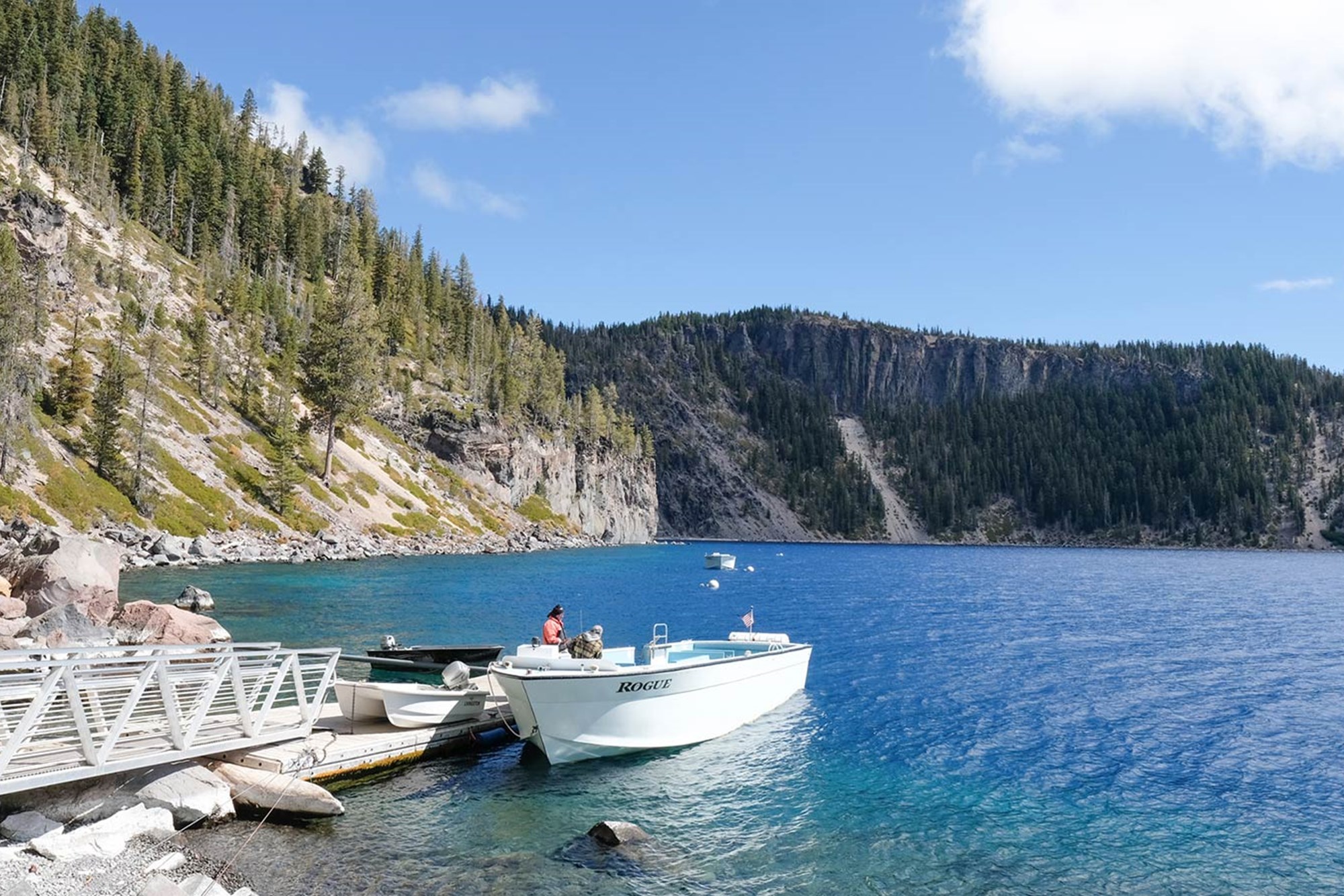
Crater Lake reaches a depth that distinguishes it as the deepest lake in the US. Formed more than seven thousand years ago when a volcano collapsed, the basin filled naturally with snow and rainfall. Its origin explains the lake’s dramatic shape, steep walls, and extremely clear water. Without river inflow, the lake stays free of sediment, preserving its striking color and clarity throughout the year.
The lake sits at high elevation within a national park, surrounded by mountain terrain and volcanic features. Its brilliant blue appearance results from sunlight penetrating deep water. Because sediment levels remain low, the lake absorbs and reflects light differently from other bodies of water, creating a color that fascinates visitors and photographers. The combination of clarity, depth, and pure water supply makes Crater Lake one of the most remarkable natural sites in the country.
Activities and ways to explore the lake
Visitors to Crater Lake can explore the area in several ways. Scenic drives around the rim offer views of the steep crater walls and open water below. For those seeking activity on the water, boat tours provide opportunities to learn about volcanic history, geology, and surrounding landmarks. Because the lake’s surface remains calm throughout the year, these tours create an ideal environment for observing underwater clarity.
Travelers also enjoy hiking trails that lead to panoramic vistas. Although swimming access is restricted to specific areas, visitors still appreciate the opportunity to experience the lake’s cold, pure water. Seasonal conditions determine trail accessibility, and visitors should check weather patterns before planning their routes. The altitude and mountain terrain create unpredictable conditions that require proper preparation.
Other lakes with significant depth
Lake Superior and glacial origins
Lake Superior is known for its immense size, cold climate, and glacial origins. While Crater Lake is the deepest individual basin, Lake Superior holds an enormous volume shaped by ancient glaciers. Its depth results from ice carving the landscape over thousands of years. The combination of cold temperatures, large surface area, and water circulation patterns influences the lake’s ecosystem.
Visitors exploring Lake Superior experience rugged shorelines, dramatic cliffs, and clear sections of water in summer conditions. The lake’s depth and cold temperatures create distinct underwater environments that attract divers and researchers. Scenic locations along the coastline reveal geological formations created by repeated glacial activity.
Alpine lakes shaped by mountain environments
Several alpine lake environments also rank among the deepest lakes in the US. These lakes form within steep mountain basins created by geological uplift or glacial erosion. Their remote settings preserve clarity and cool temperatures throughout the year. Visitors appreciate how these lakes blend rugged landscapes with high-altitude visibility, offering panoramic views that combine rock formations, forests, and snow-covered peaks.
Because many alpine lake areas remain protected within national park boundaries, visitors encounter well-preserved natural settings. Hiking trails, photography points, and calm shorelines create opportunities to experience depth from both above and at the water’s edge. These destinations highlight how geological forces influence lake formation and long-term stability.
Visiting deep lakes responsibly
Environmental considerations
Deep lakes require careful stewardship to maintain their clarity and ecological integrity. Visitors should avoid disturbing shorelines, as erosion contributes to sediment entering the water. Boats operating in these areas must follow guidelines that minimize impact on wildlife and underwater habitats. Because fragile ecosystems depend on cold water and stable conditions, even small disruptions can influence water quality.
Travelers should also stay aware of park regulations that limit access to specific regions. These restrictions protect geological features, prevent overcrowding, and ensure long-term preservation. Natural environments surrounding the deepest lakes in the US depend on consistent conservation practices.
Planning and safety for mountain and volcanic regions
Access to deep lakes often involves mountain terrain, shifting weather, and cold water temperatures. Visitors should prepare with proper clothing, navigation tools, and awareness of altitude effects. Boat tours operate on seasonal schedules, and trails may close due to snow or maintenance work. Planning ahead ensures safe travel and allows visitors to experience these areas fully.
The combination of depth, clarity, and natural beauty makes these lakes appealing for exploration. By understanding their geological origins and preparing responsibly, travelers enjoy rewarding experiences while respecting environmental limits.
الخاتمة
The deepest lake in the US and other deep basins across the country reveal rich geological stories, diverse ecosystems, and dramatic landscapes. Crater Lake stands out for its volcanic origins, clarity, and exceptional depth, while glacial lakes and alpine lake environments demonstrate how natural forces shape environments over thousands of years. Exploring these destinations provides insight into geological history and highlights the importance of responsible travel in protected regions.