


 العربية
  English (UK)
  Русский
  日本語
日本語  한국어
한국어  Magyar
  Türkçe
  Español
  Čeština
  Svenska
  Português
  Ελληνικά
  Suomi
Suomi  Nederlands
  Română
  Italiano
  Français
  Polski
  Українська
  Deutsch
  简体中文
简体中文  Slovenčina
  Top 10 Water Toys for Boating Fun — No Gasoline Required">

Pick a giant inflatable water trampoline as your first buy. It inflates fast, bounces quick, and keeps the crew active on the back deck while waves roll past the edge.
Pair it with 9 other toys designed for fast setup and safe use near pools and beaches. A light neoprene jacket helps when you splash cold water, and a simple hand pump makes setup quick so you can bring more gear without crowding the boat. A sense of security comes from checking seams and inflating to the recommended pressures.
Giant inflatable water trampoline stays tethered to a boat or dock and supports several jumpers. Price varies by size, but expect roughly $180–$450; kids will pretend they ride a horse as they bounce. It’s a must for social gatherings that meet on the water’s edge in light waves.
Inflatable water slide adds splashy action and a safe descent. Inflates in 5–7 minutes with a pump; suitable for decks and rails, and it travels well on a boat. If you’re shopping, compare price and look for retailer commission disclosures to avoid surprises.
Floating basketball hoop creates quick mini-games that keep everyone on the deck. It stores flat when not in use and floats well on waves; typical price is $40–$120 and it fits well on most stern tops or bow rails.
Water blaster gun uses water pressure from a hand pump–no batteries, no fuel. This toy is a crowd-pleaser near the edge of the boat; a set can be found for $15–$40, ideal for a quick match as the sun sets.
Noodle obstacle course uses foam noodles to form a flexible course you can assemble in minutes. It’s friendly for beginners, stores compactly, and costs about $25–$70.
Floating lounge mats offer a calm spot for lounging and chatting in shallow water by the back of the boat. They pack light, cost $25–$90, and pair nicely with a small cooler for long sessions on warm days.
Stand-up paddleboard (SUP) kit with hand pump and leash brings active fun without fuel. Choose a board around 9–12 ft for balance and stability; price typically $200–$600 depending on material and bundle.
Snorkel set with neoprene mask opens up deep shorelines and lets you meet fish and reefs, even if you’re cruising near quiet coves. A basic set runs $30–$70; store gear in a dry bag, and keep your jacket handy on chilly mornings.
Floating ring toss or frisbee games stay buoyant and fun around the boat. Price ranges from $10–$30; they’re perfect for quick rounds that revive vibes during long waits and layovers.
Towable foam tube or a pair of small tubes provide wild, giggling rides behind the boat. It’s an inexpensive option at $60–$150 and works well with a standard tow rope; check deck space and holding capacity if you’ll be near beaches or crowded harbors.
Tips for safe fun: always wear a life jacket, inspect inflatables for wear, and store repair patches and a pump in the dry bag. This lineup offers more options and last longer in sun, and it helps you meet your goal of a gasoline-free day on the water–thats the practical reason to start with a giant trampoline.
Outline
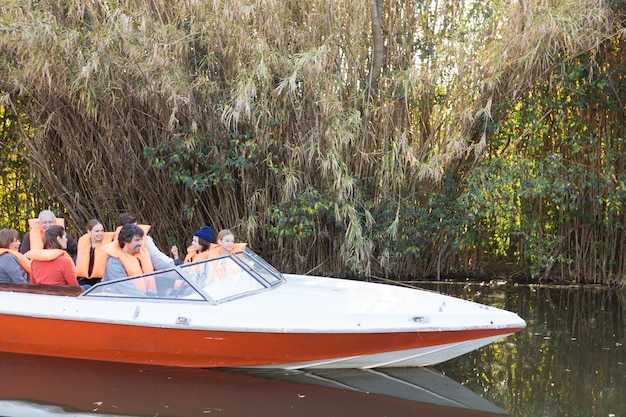
Recommendation: Start with a dedicated tubing kit that inflates quickly, seats two to three riders, and includes sturdy handles; stow it after use in a dry bag so you can grab it and go.
- Starter pack essentials
- Choose a tubing set with two seats and four handles for stability; inflate to the recommended pressure and check for leaks
- Include smaller toys for calm water sessions and a backup inflator in case the first fails
- Assign a dedicated storage spot on board or in your vehicle so you know where everything sits
- Setup, safety, and quick checks
- assume new riders may shift weight; test balance with a slow pull to confirm control
- Inspect valves, seams, and handles; stop and re-inflate if any gear seems soft
- Always wear PFDs and keep a favorite rule: one rider per seat; no horseplay on the water
- knows signs of fatigue and stops if needed
- Rider configuration and experience
- Match tubing size to weight: smaller riders ride on inner seats while the older rider guides the ride
- Prepare another quick setup option if energy dips; switch from tubing to a toy if interest shifts
- Use stable handles to make smooth turns and avoid abrupt stops
- Place younger riders in safer positions and keep a steady pace for safety
- favorite setups should be ready so you can transition quickly
- Storage, transport, and on-deck stow
- Stow all pieces in a labeled bag; keep the mable deck clear for movement and safety
- Carry a compact repair kit; spend a few minutes after each trip to inspect for wear and replace worn patches
- Plan for portability: lightweight chairs, a couple of seats, and another toy to extend the fun over a long day
- Maintenance, care, and replacement rhythm
- Rinse with fresh water after salt or lake use; inflate lightly to dry seams
- Check seams and valves every month; spent valves should be swapped for new ones
- Record usage and budget; decide when a new toy makes sense for the fleet
- Buying tips and budget planning
- Compare a favorite model with a budget-friendly option
- Look for sets that include a backup tube or spare valve; a golf-inspired color helps visibility
- Check warranty terms and the availability of replacement parts to avoid future hassle
Choosing toy types by boat size and crew age
Recommendation: For small boats up to 14 ft with young riders, pick inflatable slides and soft-grip rings; place them back near the seat and railing to keep the deck clear, and use pink accents to improve surface visibility during turns. For mid-size boats (14–20 ft) with mixed-age crews, add a slide plus a compact wakeboard-style board and a golf-style floating target for group adventures; store gear in stowage lockers under seats and along the railing, then rotate turns smoothly so everybody stays engaged. For large boats (20 ft and up) with older kids and adults, introduce a seabob for underwater explorations and a set of stand-up boards or buoy targets; allocate cooler space for drinks and ensure the rails and surface remain clean to avoid issues during back-to-back sessions, then keep a quick-access seat for safety.
| Boat size | Crew age | Recommended toys | Stowage/notes |
|---|---|---|---|
| Small (up to 14 ft) | Kids 4–9 | Inflatable slides, soft-grip rings, small floats | Stow near seat; keep railing clear; pink accents for visibility |
| Medium (14–20 ft) | Kids & Teens; some adults | Slides, compact wakeboard-style board, golf-style floating targets | Under-seat stowage; check surface clearance; smooth turns |
| Large (20 ft and up) | All ages | Seabob for underwater adventures, stand-up boards, buoy targets | Longer-charge items; cooler and bags secured; ensure safe back-and-forth flow |
источник: recent findings support this approach, showing fewer storage issues and higher participation across ages.
Non-motorized setup: inflate, secure, and deploy in minutes
Open the bag, spread a dedicated inflatable platform, and inflate to 3–5 psi while watching the gauge; this quick step helps you create a stable base in minutes.
First secure the platform with a short rope to a cleat or dock anchor. Use a bowline so it holds during waves; adjust the line rests to avoid snagging and keep the surface flat for a relaxing seating area. Spent a few minutes pre-measuring lines, and the rest of the setup goes in minutes.
While you set up, keep the valve oriented up for easy reach; after inflation, seal the valve and lay a cover over exposed seams. A compact hand pump with a dedicated nozzle speeds the process and boosts speed for setup, so you spend less time waiting and more time on the water.
There are several reasons to choose non-motorized layouts: quiet operation, low upkeep, and simple transport. If you compare with an expensive motor setup, this option provides strong value for beginners. For speed of deployment, place two platforms parallel, connected by a rope to create a larger lounge space; this helps when the crew grows and people want to spread out for relaxation and games.
To boost comfort, place foam pads on top to provide back support and add a beach mat; rest surfaces with a non-slip cover where needed. Keep lookout for wear on seams as you use it. A light tarp protects corners and seams from sun for long days on the water. If you want, another budget option is Walmart, which offers covers and pumps that fit most modules; check fit and durability before you head out.
Review your session: note inflation time, how quickly you secured lines, and how stable the final layout was. This setup can provide stable lounging areas for the entire crew, and with practice you gain speed and confidence; the popularity grows among casual boaters who want relaxation on the water. There, you can swap between platforms for various layouts and keep a banana snack handy for energy.
Safety checklist: life jackets, supervision, and water conditions
Always wear a properly fitted life jacket, and check inflation before you push off; use the high-pressure cartridge correctly and confirm the bladder inflates perfectly.
Keep novices within clear sight and away from the edge during boarding and docking; your pals should rotate as spotters so theyre never left alone.
Before you start, consult the источник for weather and water forecasts; assess areas with currents, temperature, and visibility.
Stowage matters: store jackets ready to grab, and keep them in a dry, accessible place; practice quick donning to prevent delays.
Monitor water conditions continuously; if the water is rough or the wind picks up, delay jumps and keep riders seated.
Reliability check: inspect seams, inflation tubes, valves, and the drop-stitch deck for bulges or soft spots; replace worn parts.
Edge safety and markers: stay in areas marked by pink buoys and ride within the platform’s safety radius.
Time and mindset: stay calm, relax between actions, and give yourself time for each decision; a great routine buys much time for safety and better outcomes.
Quick pre-checks keep you ahead: verify harnesses and inflation gear are within reach, and don’t let pushy schedules rush you; theyre essential to prevent injuries and improve reliability on rough days.
Care and storage: cleaning, drying, and seasonal maintenance
Rinse, scrub, and dry after every outing to preserve buoyancy and surface integrity. Assume those sunny trips will happen; store in dry storage areas away from direct sun to limit UV damage, and keep your pontoon and wakeboarder toys organized for quick access. A must-have kit makes routine care easy, keeping the experience magical and the thrills safe.
- Cleaning and inspection
- After use, rinse with clean water, wash with mild soap, and scrub with a soft brush. Focus on discs, sides, and handles; having a clean surface helps prevent grit buildup.
- First, inspect seams, punctures, and valve areas. Check that inflated parts maintain their diameter and test buoyancy by pressing gently; if anything feels soft, mark for repair.
- Drying and storage setup
- Whilst drying, open vents to air and dry in a shaded area to protect colors and materials. Ensure no moisture remains in creases or folds.
- Store in dry storage areas or on a rack; place items on their sides when possible and avoid stacking heavy items that deform shapes. Keep motor gear and other equipment separate to reduce heat buildup.
- Use a giant mesh bag for discs and a mable, non-slip wrap for handles; label items so you can spot them by diameter and area easily, and verify the inflated diameter stays within tolerance.
- Seasonal maintenance, testing, and replacement
- First, schedule a seasonal testing session to verify buoyancy and patch readiness. Replace worn patches or straps as needed to prevent mid-season failures.
- Check safety hardware: valves, plugs, fixings, and attachment points; test independently to ensure everything stays secure during use.
- Review prices for replacement discs and patches; select durable parts that withstand frequent testing and outdoor exposure to keep your setup decent and ready.
- Additional tips for areas and usage
- Keep a must-have storage plan: a dedicated bin or bag on the pontoon keeps tools within reach, reducing setup time and boosting safety for wakeboarder sessions. Having those items organized by area helps you stay ahead of the next run.
Shaded lounger on deck: placement, shade options, and comfort tips
Position the shaded lounger on a broad, dry teak platform at the aft deck, facing outward to the water, with shade angled to block direct sun during peak hours. This keeps cushions cooler and makes it easy for aboard guests to climb aboard.
Shade options deliver coverage without crowding the deck: a bimini on stainless rails above the lounger, a retractable sun shade using UV-stable polyester, or a shade sail anchored to rails or deck fittings. Theres also a portable umbrella with a weighted base for dockside comfort. Whichever you choose, ensure it clears the rail and doesn’t interfere with lines or passengers walking by.
For comfort, wrap cushions in marine-grade fabric and use quick-dry foam cores; add a headrest and a small foldable footrest. Place a non-slip mat around the lounging area to prevent slips on teak. Use teak accents and a low-profile design to maintain a clean sightline. A removable cover helps with cleaning after a day at sea. This setup is versatile, able to become anything from a sun lounge to a chat corner for people aboard. For a touch of whimsy, a small t-rex sticker on the cushion edge can spark smiles without affecting comfort.
Time and use: setup should be modular so you can move the lounger across the deck if you change sun angle or tide. If you commission a custom shade system, ensure compatibility with deck fittings. On a pontoon or jet-powered craft, go with a low-profile shade that doesn’t catch wind. theres reliability in marine-grade hardware and teak decking, with platforms designed to stay solid when the ride gets lively. Leave space for a passenger; the lounger can be shared aboard.