


 العربية
  English (UK)
  Русский
  日本語
日本語  한국어
한국어  Magyar
  Türkçe
  Español
  Čeština
  Svenska
  Português
  Ελληνικά
  Suomi
Suomi  Nederlands
  Română
  Italiano
  Français
  Polski
  Українська
  Deutsch
  简体中文
简体中文  Slovenčina
 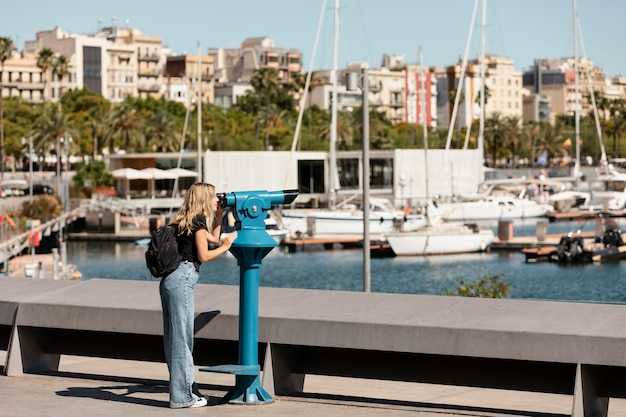 Top 10 Sailing Holiday Destinations in Europe for 2025">

اختر ساحل دالماسيا في كرواتيا لقضاء عطلتك الشراعية في عام 2025. تناسب خلجانها المحمية ومياهها الصافية و طرق التنقل بين الجزر الأطقم الرياضية والمجموعات المسترخية، في حين أن الحجوزات البسيطة والأجواء المحلية الودودة تحافظ على مرونة الخطط.
تشكل رياح الملتيمي في بحر إيجه مسار الجزر اليونانية، وخاصة عندما تتحرك في june. أبحر بين سانتوريني وباروس وميكونوس للاستمتاع بالنسيم المستمر وآفاق المياه المفتوحة والمدن الساحلية النابضة بالحياة. بالنسبة للأطقم العائلية، الخلجان الأكثر هدوءًا في Naxos و نظام تشغيل iOS لتوفير مراس آمنة وسهلة بعد يوم حافل في البحر.
تتنفس شواطئ دالماسيا في كرواتيا عبق التاريخ البحري، وتتلألأ في february مع أيام شتوية أكثر اعتدالًا على طول البحر المفتوح. الرحلات القصيرة بين هوار، وبراش، وكوركولا تحافظ على أيام الإبحار مدمجة، بينما توفر المدن التي تعود إلى القرون الوسطى مثل تروجير ودوبروفنيك ثقافة محلية لا تُنسى ووجبات عشاء مسائية على الماء.
توفر جزر البليار - مايوركا ومينوركا وإيبيزا - مسارات ساحلية مشمسة برياح موثوقة في أواخر الربيع. ابحث عن highlights مثل الخلجان المحمية والموانئ النابضة بالحياة ووجبات الطعام من المزرعة إلى المائدة بعد يوم في البحر. من دواعي السرور الصغيرة بعد غروب الشمس أن ترسو في خليج هادئ وتستمع إلى البحر. في هذه المنطقة،, bookings تميل القوارب المفضلة إلى الامتلاء بسرعة؛ خطط مسبقًا.
تُوفّر جزر الأزور، لخيار أكثر جموحًا، قفزات أطول مع شواطئ وعرة ومراقبة مثالية للحيتان في ممراتها الأطلسية. يناسب هذا القوس قباطنة متمرسين يرغبون في مزيد من التحدي ولكنهم ما زالوا يستمتعون بالإبحار النهاري على طول السواحل البركانية والجزر الزمردية.
نحو آفاق أوسع، تقوم بعض الأطقم بمسح طرق مفتوحة باتجاه indonesia or the ريوكيو الأرخبيل، في حين أن الأيام المواجهة للريح والتيارات حول الشواطئ الأوروبية تجعل الرحلات البحرية مُمكنة الإدارة، ومناسبة للميزانية، وغنية بالثقافة المحلية والحياة البحرية.
وجهات الإبحار الأوروبية لعام 2025: خارطة طريق عملية تسلط الضوء على دفعة اليونان للإبحار المستدام
ابدأ عام 2025 بخطة تركز على اليونان أولاً: استأجر مركبًا شراعيًا عصريًا من ملاك متمرسين يعملون بمعدات مستدامة وروتين صارم لمكافحة التلوث البيولوجي، وقم بالإرساء في مرافئ معتمدة بيئيًا تعطي الأولوية لإدارة النفايات والطاقة القائمة على الشاطئ.
الخيارات الأساسية ومنطق المسار: التركيز على حلقة سيكلاديز (باروس، ناكسوس، ميلوس) مع بداية في أثينا أو ليفكادا، إضافة جزء من جزر دوديكانيز (كوس، سيمي)، وتخصيص 7-10 أيام للمغادرات المتأخرة لخفض الازدحام والحفاظ على الرياح مواتية.
تتحول جهود اليونان نحو الإبحار المستدام إلى إجراءات ملموسة: مواثيق بيئية معتمدة، وكهربة الموانئ، والإبلاغ عن النفايات، وممارسات الإرساء المسؤولة التي تحمي قاع البحار والشعاب المرجانية. وتبقى الحقيقة أن اتباع نهج منضبط من قبل المالكين والقادة يؤدي إلى مراسي أنظف ومجتمعات محلية أكثر سعادة.
تشمل المعالم البارزة على طول الساحل بلدات سانتوريني المطلة على المنحدرات، وبركان كاميني، والتكوينات الصخرية الدراماتيكية في ميلوس، والخلجان الرملية في باروس. إن الرسو بالقرب من الجزر الصغيرة يقلل الضغط على الشواطئ المزدحمة مع ترك مساحة للسباحة اللطيفة والمشي على الشاطئ عبر المواقع الأثرية والتكوينات الساحلية.
تُضفي الحياة البرية والبحرية طبقة من التشويق: شاهد أسماك التونة تسبح في قنوات أعمق، وخلال فترات الهجرة، يمكنك رصد الحيتان الحدباء قبالة الساحل المفتوح. قد تكون التجارب الطبيعية الداخلية أكثر هدوءًا، ولكن الحياة البحرية تقدم مناظر مهيبة في البحر.
نصائح عملية للمعدات والتعبئة: اختر مركباً شراعيًا بهيكل قوي ورادار موثوق، وأحضر حقيبة تحتوي على واقٍ من الشمس آمن على الشعاب المرجانية وصابون قابل للتحلل البيولوجي ومجموعة صغيرة لمكافحة الاتساخ البيولوجي؛ واحرص على حمل قطع غيار ومجموعة إسعافات أولية صغيرة، وسافر بأقل قدر ممكن لتقليل النفايات أثناء الإبحار.
في جميع أنحاء أوروبا لعام 2025، ضع في اعتبارك أرخبيلات السويد كبديل هادئ أو مكمل للطرق اليونانية. للإبحار في المياه الداخلية، تقدم مسارات الأنهار مثل نهر الدانوب عمقًا ثقافيًا ومياه محمية. توفر جزر الكناري حيوانات الإغوانا في بعض الجزر الصغيرة وحياة برية بحرية محتملة، بالإضافة إلى خيارات على مدار العام للإبحار في أواخر الموسم. أينما أبحرت في أوروبا، يؤكد هذا النهج على العمليات الصديقة للبيئة، والرسو المسؤول، ومعدات السلامة القوية.
معايير الاختيار: كيف قمنا بتصنيف أفضل أماكن الإبحار في أوروبا لعام 2025
توصية: إعطاء الأولوية للطرق الصديقة للبيئة والمحمية في الأيونية أو مليت باعتبارها مركزًا لعام 2025. توفر هذه المناطق توازنًا مثاليًا بين المراسي الهادئة ووسائل الراحة الفاخرة، وهي مثالية لقضاء يوم كسول على سطح السفينة أو للإبحار السريع بعد الظهر، مما يوفر عظمة وحياة بحرية آسرة في كل مكان تزوره.
نقيّم كل موقع بناءً على خمسة معايير: موثوقية الطقس، والموانئ المحمية، والإشراف البيئي، وخيارات الرسو، والوصول إلى المرافق. في البحر الأيوني، توقع نسائم مستمرة بسرعة 12-18 عقدة في يوليو وأغسطس مع أمواج بالقرب من 1-2 متر، في حين أن الطرق الكرواتية الوسطى بالقرب من ملجت والجزر الصغيرة المحيطة بها توفر 10-16 عقدة مع ظروف أكثر قابلية للتنبؤ. يأتي المأوى من الخلجان المحمية والمداخل الجانبية المنحدرة، مما يقلل من خطر اندفاع الأمواج والرسو. تحافظ سياسات الرسو ومناطق الحماية البحرية على سلامة مروج بوسيدونيا وتعزز الجاذبية على المدى الطويل. تغطي إمكانية الوصول قدرة الرسو وخيارات التموين والخدمات الساحلية، في حين أن الجاذبية الثقافية تحتل الأسواق المحلية والمأكولات والمهرجانات التي تبقي الضيوف منخرطين على مدار العام.
تركز المعايير البيئية على حماية نبات بوسيدونيا والإدارة الواعية بيئيًا. نمنح درجات أعلى للأماكن التي لا توجد بها مناطق رسو، وممارسات صديقة للشعاب المرجانية، ولوحات إرشادية واضحة للإبحار المسؤول. يقيّم مقياس الجاذبية الخلجان والبحيرات الشاطئية والمسارات الجانبية المنحدرة التي توفر مناظر خلابة دون إحداث ازدحام في الموانئ الرئيسية.
بالأرقام، توفر المسارات الرئيسية أكثر من ألف مرسى عبر المراكز، ومع ذلك يتصاعد الطلب في أغسطس بشكل حاد. يساعدك الحجز المبكر وخطط السفر المرنة على الاستمتاع بأيام إبحار أكثر سلاسة والوصول إلى الخلجان أو الجزر الهادئة مع الحفاظ على المسارات المركزية مريحة. تتزايد حدة هذه الحالة من الطلب، مما يؤكد على الحاجة إلى التخطيط المسبق واختيار المسارات التي توازن بين الجهد والمكافأة.
الثقافة والخبرة تقودان الحكم العام: الوجهات التي تجمع بين الفخامة والسحر الأصيل، من القرى المطلة على المنحدرات إلى الموانئ الصاخبة. في منطقتي الأيونية وملجيت، يمكنك الاستمتاع بأسواق المأكولات البحرية الطازجة، والسواحل الخلابة، وسهولة الوصول إلى الخلجان المحمية - أجواء كرنفالية صغيرة في ذروة الموسم تزيد من الإحساس بالمغامرة لعشاق القوارب والعائلات على حد سواء.
خلاصة القول: لعام 2025، نفضل مسارات الرحلات التي تركز على الجزر الأيونية وملجيت والتي تحقق التوازن بين أيام الإبحار المثالية والممارسات الصديقة للبيئة والمناظر الطبيعية الخلابة. ابحث عن مسارات ذات خدمات قوية وسياسات خضراء مدروسة وتنوع كافٍ لجعلك تعود عامًا بعد عام، وتتطلع إلى الرحلة القادمة.
لمحة عن الموسمية والظروف: أفضل الشهور لكل وجهة
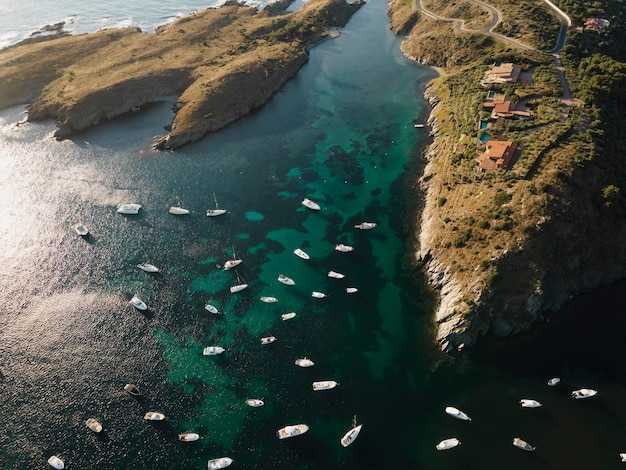
خطط رحلات الإبحار في اليونان لشهرَي مايو ويونيو للاستمتاع برياح أكثر هدوءًا ومياه أكثر دفئًا. على متن يختك، تنزلق بمحاذاة الشاطئ وتتوقف عند الخلجان الرملية المثالية للغطس. هذه الفترة هي رمز للهدوء، حيث يكون عدد الحشود حوالي نصف ما تراه في شهري يوليو وأغسطس. وصل إلى وجهتك وأنت مسترخٍ ومستعد للاستمتاعات التي تتوق لخوضها.
لساحل لازوردي، استهدف شهري مايو–يونيو أو سبتمبر–أكتوبر للحصول على أفضل توازن بين الدفء وتجنب الحشود. تتراوح درجة حرارة البحر حول 20–23 درجة مئوية وترتفع درجة حرارة الهواء إلى منتصف العشرينات، مما يجعل كل يوم على متن السفينة ممتعًا. تتيح لك أسعار الموسم المنخفض والموانئ الهادئة الاستكشاف دون الازدحام، وهو ملاذ ترحيبي من ذروة الموسم. انتبه إلى هبوب رياح الميسترال العرضية على طول الزوايا المكشوفة وخطط لمسارات محمية على طول الشاطئ للحفاظ على الظروف مواتية.
Head to the Balearics in May–June or September for clear water and reliable winds. Sea ranges 18–23°C with steady breezes around 12–22 knots, perfect for both relaxed hops and sporty day sails along sandy coves. Snorkeling takes you closer to the marine life, and you’ll find quieter harbors in these months, encouraging an unhurried pace along the coast.
Sail the Dalmatian Coast in Croatia during May–June and September for the best blend of warmth and fewer boats offshore. Sea temps sit around 18–21°C and Maestral winds arrive on cue at 12–18 knots, ideal for protected calms near inlets and along the shoreline. You’ll notice dramatic limestone cliffs, hidden coves, and an attraction‑filled coastline that’s easier to experience while you’re escaping crowds.
The Canary Islands offer steady conditions year‑round; proper windows are March–May and September–November. Trade winds hold robust at 15–25 knots, delivering dependable sailing for windward legs along volcanic coasts. Temperatures hover in the comfortable 19–26°C range, with snorkeling opportunities in sheltered bays and lagoons during calmer afternoons.
Madeira shines from April through October, when water sits around 18–22°C and winds stay friendly at 15–22 knots for relaxed to sporty passages. Inland hikes and cliff‑top views complement coastal cruising, so you can alternate between on‑board days and explore moments on land before the next sail.
The Algarve peaks in May–June and September for pleasant seas and fewer crowds. Water runs 16–19°C, while consistent 15–25 knot sessions along open coast deliver true sporty routes. You’ll enjoy rocky headlands punctuated by long sandy beaches, and the shoreline offers accessible anchorages for easy day hops and late‑day swims.
Corsica presents its best balance in May–June and September, with water around 18–22°C and variable winds from 10–25 knots. The coastline blends dramatic rocky sections with sandy bays, giving you scenic runs along windward shores and sheltered pockets to anchor. This half‑weight period keeps crowds modest and the sailing feels authentic, ideal for experiencing the island’s rugged beauty.
Sardinia follows a similar rhythm: May–June and September provide warm days and clear seas, with water near 18–22°C and breezes that ease between 12–20 knots along the Costa Smeralda and other shorelines. The shoreline offers renowned sandy coves and pristine beaches, making every stop feel like a new attraction and a perfect backdrop for on‑deck meals.
Malta works best from April to June and September–October, when air pleasant and water between 16–20°C make snorkeling and swims comfortable. On land you’ll find intriguing inland history and scenery, while on board you can cruise between blue‑lagoon coves and cliff‑top viewpoints. Use mariana and maya markers on your planning map to visualize long hops, and you’ll feel confident arranging half‑day hops that arrive with energy and a sense of discovery.
Greece Case Study: Policy Levers Driving Sustainable Sailing
Adopt a fixed network of 12 eco-certified anchorages around paros and nearby shores, with clearly numbered mooring buoys and a €25 daily fee that funds habitat protection, waste management, and enforcement. Pair this with a clearly published sustainable route to steer trips toward culture-rich sites and minimize crowding, guiding adventurers to spots wherever possible while reserving some routes for something explored by researchers.
Require charter licenses only for operators who submit an environmental management plan and implement a waste-disposal protocol; conduct six-month audits; publish quarterly usage data. Install thin, weatherproof bins along narrow access corridors to keep beaches clean. The policy provides transparency and channels funds to shoreline restoration, seagrass beds, and oyster habitat protection, with explicit targets for each site.
Benchmark Greece against Bequia’s conservation fund model, where a portion of charter revenue supports reef protection and lobster monitoring; Greece can adapt a cruz levy on trips that pass through paros and the Cyclades, ensuring the plan steeped in local culture. The approach gives freedom to sailors while sustaining resources for locals and sites that need it most.
Early pilots in 2024 show an 18% rise in eco-certified trips and a 34% drop in anchor damage events on sensitive shores. Operators report a 12% reduction in average fuel use due to shorter, more efficient routes, and crews increasingly include longer itineraries that highlight culture and cuisine, including oyster menus on selected trips and lobster tastings at coastal tavernas. Howler calls from seabirds remind operators of biodiversity along the route.
Engage local fishing communities with afield workshops to capture feedback on access to anchorages and protection of lobster grounds. Publish a map showing anchorages, spots, and preserved cultural sites; maintain a list of must-visit sites steeped in history and tradition for every season. The policy ensures adventure remains balanced with conservation and respect for local name and heritage.
Climate shifts and monsoon-like wind patterns in the Aegean require adaptive timing for permits and flexible route planning. Schedule seasonal permit windows to avoid peak risk periods and protect habitats; use real-time weather data to adjust routes and allocate resources. Update the anchorages network each year based on ecological indicators and user feedback.
Name the program the Aegean Stewardship Plan and roll it out over 24 months with clear milestones for anchorages, route updates, and stakeholder reviews. This framework yields more opportunities to explore sites with less impact, while respecting culture and shores for future trips.
Port Infrastructure and Sailing Access: What to Expect in Greece and Other Hotspots
Base in a major marina such as Piraeus or Corfu to secure complete access to fuel, water, shore power, and inland services while staying within reach of the islands. In Greece, European sailing blends historic harbors with modern services, letting you seek relief from crowded anchorages without sacrificing atmosphere.
- Piraeus/Lavrion (Athens gateway): deep-water berths 4–9 m, AIS and VHF navigation, on-site fuel, 125 A shore power, reliable water, laundry and repair yards, and fast land links to the metro. Nearby market displays and waterfront taverns provide a ready dinner option, and the strong shores shield you from gusts, offering different dining and shopping options for everyone.
- Corfu and Ionian hubs: long breakwaters with 6–8 m depths, many guest docks, and easy reaching to islets such as Paxos and Antipaxos. Facilities include showers and rental cars to reach inland attractions; balmy evenings and a tranquil atmosphere entice visitors, with spots along the quay perfect for savoring coastal life.
- Crete (Heraklion, Chania): robust port layouts, reliable provisioning, and inland roads to notable attractions. Reaching towns inland allows savoring traditional dinners and wandering markets after a day at sea; many ports visited by sailors report consistent berthing and friendly harbor staff, enabling witnesses to the local culture.
Other hotspots offer similar reliability: Croatia’s Split and Dubrovnik feature protected harbors, long piers, and marinas with 3–12 m depths; Spain’s Mallorca and Menorca deliver sheltered basins and efficient fuel docks; Porto Cervo in Sardinia and Ajaccio in Corsica pair luxury mansions with solid berthing. In these places, islets, coastal shores, and vibrant displays create diverse spots for different itineraries, with places that appeal to everyone and inviting atmospheres to savor.
Wind behavior varies by harbor, and howler gusts can sweep exposed shores; choose basins with robust breakwaters when forecasts show stronger winds. Across Greece and Europe’s hotspots, reserve berths in busy ports well in advance during peak season, check navigation aids before dark, and use inland routes to balance days at sea with market visits and dinners ashore. Each stop becomes a complete chapter, where you can witness a new attraction, visit islets, and reflect on the tranquility of a well-planned itinerary that suits all travelers and families.
Traveler Planning Toolkit: Budget, Safety, and Responsible Travel Practices
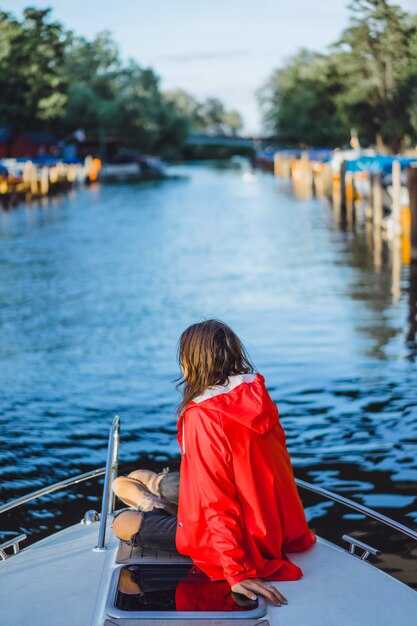
Recommendation: Set a daily spending cap of 120-180 EUR, pre-book moorings, and pick open, nature-focused routes that mix islets, inland harbors, and intimate coves for a balanced plan that costs much less than aimless wandering.
For provisioning and meals, shop local markets to enjoy culinary treats and oysters; combine casual bites with a few standout experiences to keep costs predictable and very flavorful. This approach supports greeces-style stops that blend small boutiques, fresh produce, and light, coastal dining.
Plan mid-june departures to take advantage of longer daylight and calmer winds, then design a route that feels like a playground of tiny ports, rare anchorages, and wild shorelines. There, you can connect with nature-focused moments while keeping the itinerary accessible and intimate.
Safety basics hinge on a compact kit: VHF on board, life jackets for all crew, a simple forecast routine, and a two-crew watch when open waters loom. Keeping things simple here reduces risk and makes shore visits more relaxed in inland stretches or sheltered bays.
Responsible travel emphasizes mooring where possible to protect seabed habitats, supporting small boutiques and local guides, and choosing operators with transparent waste practices. Avoid anchoring on delicate seagrass or coral; seek divers and wildlife-aware routes, and always leave no trace. Thanks to these choices, there are plenty of options for a thoughtful, accessible trip that respects both people and places, there here and there as you seek better balance in every leg.
| Category | Practical Tip | Estimated Cost (EUR) |
|---|---|---|
| Mooring and docking | Pre-book popular harbors; use official moorings to protect seabed; budget 25-60 EUR per night depending on port and facilities. | 25-60 |
| Provisioning and meals | Shop at local markets; allocate 60-90 EUR per day for two; sample oyster and seafood; plan two light lunches and one substantial dinner to combine variety with value. | 60-90 |
| Safety equipment and routines | Carry life jackets for all; keep a VHF on deck; check forecasts twice daily; establish a simple two-person watch for open water hops. | – |
| Responsible travel practices | Prefer moorings over anchoring in fragile habitats; support small boutiques and local guides; avoid protected zones when not essential; respect divers and wildlife; opt for sustainable operators when possible. | – |