


 العربية
  English (UK)
  Русский
  日本語
日本語  한국어
한국어  Magyar
  Türkçe
  Español
  Čeština
  Svenska
  Português
  Ελληνικά
  Suomi
Suomi  Nederlands
  Română
  Italiano
  Français
  Polski
  Українська
  Deutsch
  简体中文
简体中文  Slovenčina
  The Ultimate BVI Sailing Guide – Routes, Tips & Moorings">

ابدأ بهذه الحلقة: تورتولا ← جوست فان دايك ← فيرجن غوردا، ثم العودة إلى تورتولا. بفضل التوقعات الموثوقة وأماكن الرسو المحجوزة مسبقًا في منطقتي سوبرز هول وكين جاردن باي العالميتين، تضمن هذه الخطة بقاء معظم الإبحار أقل من أربع ساعات وتضعك بالقرب من محطات توقف سهلة على الشاطئ وخلجان صديقة للشاطئ.
ومن هناك، ادرس الظروف الدراسية وفصّل أيامك. Prefer الخروج المبكر عندما تكون التداولات ثابتة، والرسو بالقرب من الشواطئ الرملية البيضاء ذات الشواطئ التي تصطف عليها أشجار النخيل. في جوست فان دايك، يتميز White Bay بشاطئ رملي طويل ومشهد نوادي شاطئية عالمي، مثالي للسباحة السريعة وتناول الطعام ومشروب عند غروب الشمس. تقع أكثر المناطق المحمية على طول خليج Cane Garden و North Sound، حيث turtles السطح بالقرب من الشعاب المرجانية أثناء الغطس على طول الشعاب المرجانية ويتحول لون الماء إلى الفيروزي.
احزم أمتعتك بخفة لأيام الشاطئ: حقيبة ظهر صغيرة، واقي شمسي آمن للشعاب المرجانية، خريطة مقاومة للماء، وبعض الوجبات الخفيفة. إذا كان لديك وقت، خطط لزيارة صباحية لحطام السفينة RMS Rhone بالقرب من جزيرة سولت، وقم بالغطس حول هيكلها، ثم ابحر إلى خليج مظلل بأشجار النخيل للاستمتاع بالسباحة في المسبح. ال magic تنعم جزر فيرجن البريطانية بأجواء مفعمة بالحيوية، مع الخلجان ذات الرمال البيضاء وصوت المياه المتلاطم على جوانب القوارب.
تتماشى خيارات الرسو مع حجم الطاقم: يمكن للمجموعات الصغيرة أن ترسو قبالة خليج Cane Garden bay واستخدام مراسي خاصة أو نادي للإبحار من أجل الإبحار الاجتماعي، بينما تميل الأطقم الأكبر حجمًا نحو المراسي المحمية بـ North Sound. لقد أبحرنا في هذه الطرق مرات لا تحصى مع أطقم عمل بجميع الأحجام، لذا ثق بأن الجدولة والمراسي التي تختارها تحدث فرقًا كبيرًا. عندما تبحر بين الجزر، راقب تحديثات التوقعات الموثوقة من ناديك وقم بتعديل المسار مبكرًا؛ ووصل إلى المراسي قبل الغسق للحفاظ على هدوء المياه ورؤية الشعاب المرجانية بالقرب من الهيكل. بعد أن تستقر، تتلألأ المياه المحيطة بالألوان بينما تخطط للمرحلة التالية من الرحلة.
بهذا النهج، تكتسب المرونة للاستمتاع بمشاهدة السلاحف، وأبرز معالم حطام السفن، وبعد الظهيرة الطويلة المشمسة على الشواطئ ذات الرمال البيضاء. ضع خطة، ثم اسمح للرياح بتوجيهك نحو الخلجان المظللة بأشجار النخيل، وحمام سباحة جذاب في منتجع، وسحر مجتمع نادي الإبحار المضياف حقًا بينما تبحر من جزيرة إلى أخرى.
لماذا تختار جزر فيرجن البريطانية لقضاء عطلتك الشراعية القادمة؟
ابدأ بدائرة من 7 إلى 9 أيام تتخذ من تورتولا قاعدة منزلية لها؛ ينتج عن التنقلات السهلة بين الخلجان المحمية على طول الأرخبيل توازنًا مثاليًا بين الاستكشاف والرفاهية، مع توفير مباشر من حيث الدولار.
تَوَقَّعْ أيامًا استثنائية للإبحار، ومراسي آمنة، وإجراءات تسجيل وصول فعالة تحافظ على وقتك على الماء. تميل الرياح التجارية الشمالية الشرقية إلى أن تهدأ في فترة ما بعد الظهر، مما يتيح لك التخطيط لرحلات إبحار رائعة ولا يزال لديك لحظات بجانب حمام السباحة بعد أن ترمي المرساة.
- مسارات سهلة ومراسٍ عديدة: يعني وجود أرخبيل صغير الحجم استكشاف أماكن مثل ديدمانز، وحمامات فيرجن غوردا، والخلجان المحمية الأخرى دون الحاجة إلى عبورات طويلة.
- الإيجارات والتكاليف: يغطي أسطول واسع قوارب النزهة النهارية وصولًا إلى يخوت الكاتاماران الفاخرة؛ تتراوح إيجارات القوارب الأسبوعية بدون طاقم عادةً من حوالي 1500 إلى 3000 دولار أمريكي في الأسبوع، وذلك حسب حجم القارب والموسم؛ تبدأ الرحلات المستأجرة مع طاقم بسعر أعلى. تحقق مع المشغلين للاطلاع على الأسعار الحالية والمشمولات.
- خيارات فاخرة ورعاية: اختر من بين الإقامات في منتجعات بجانب حمام السباحة أو تجارب التأجير الخاصة مع مقصورات رئيسية؛ العديد من الترتيبات تناسب الأزواج والعائلات الباحثين عن الراحة بعد الإبحار.
- سهولة التخطيط: قنوات واضحة، ومراسي مُعلّمة جيدًا، ومشغلون مرخصون يبقون التركيز على التجارب الموجودة في الموقع وعلى الشاطئ بدلًا من الخدمات اللوجستية.
- تجربة جزيرة أصيلة: ضيافة دافئة، مأكولات بحرية طازجة، وفرصة للاستمتاع بقيلولة هادئة بعد الظهر على كثيب رملي أو في خليج منعزل.
لتحقيق بداية سلسة، تحقق من النوافذ الجوية، وأكد خطط التموين، وتحدث مع قبطان متمرس يمكنه تكييف الخطة مع وتيرة واهتمامات طاقمك، مما يضمن لك عطلة إبحار بكرًا بحق.
خيارات المسار يومًا بيوم لرحلة بحرية من 5 إلى 7 أيام
ابدأ بدائرة لمدة خمسة أيام: تورتولا ← جزيرة نورمان ← نورث ساوند فيرجن غوردا ← أنيغادا ← جوست فان دايك ← تورتولا. يحافظ هذا المسار على وتيرتك مريحة، ويوفر غوصًا شاملاً في الشعاب المرجانية، ويترك مجالًا للاحتياط في حالة الطقس طوال أسبوعك. لرحلة من 6 إلى 7 أيام، أضف جزيرة جوانا أو جزيرة سولت لتوسيع نطاق الاستكشاف، مع الحفاظ على الأجواء المسائية وخيارات الرفاهية في متناول يدك مع مراسٍ حصرية وخيارات تناول الطعام الشاملة كليًا حيثما توفرت. هل تبحث عن التوازن المثالي بين الاسترخاء والغطس والإبحار؟ تقدم لك هذه الدائرة ذلك سواء كنت تطارد الشعاب المرجانية أو الأمسيات الاجتماعية عبر السلسلة، مع أجواء كوستاريكا في المناظر الطبيعية الاستوائية.
اليوم الأول: من تورتولا إلى جزيرة نورمان. ابدأ من سوبيرز هول واتجه بمسار قصير نحو ذا بايت. استمتع بالغطس في محمية ذا إنديانز المرجانية قبل الانجراف عند غروب الشمس على طول الخلجان الصخرية. سواء في المساء على الشاطئ أو على ظهر السفينة، يمكنك تفقد الصيد الطازج في المرسى المحلي والاستمتاع ببداية هادئة لرحلتك مع لمسة من حكايات القراصنة.
اليوم الثاني: من جزيرة نورمان إلى نورث ساوند في فيرجن غوردا. الانتقال إلى خليج ليفرك أو صخرة سابا، مع قفزة في منتصف الصباح عبر المياه الفيروزية. الغوص حول جزيرة موسكيتو أو بريكلي بير للاستمتاع بالحياة المرجانية النابضة بالحياة، ثم الاستقرار في مرسى حصري. أمسية رائعة في نورث ساوند تمنحك خيارات لتناول عشاء غير رسمي أو فحص خدمة على طراز المنتجع لليوم التالي.
اليوم الثالث: من نورث ساوند في فيرجن غوردا إلى أنيجادا. رحلة أطول، تتراوح عادةً بين 18 و 25 ميلًا بحريًا، ولكن مع رياح تجارية ثابتة، يكون الشعور بالرحلة سلسًا ومجزياً. قم بالرسو بالقرب من سيتينغ بوينت أو لونغ باي، ثم استمتع بتناول غداء جراد البحر الطازج ونزهة على طول الرمال البيضاء. المشهد له أجواء كوستاريكية - خلفية خضراء مورقة، ومياه صافية، وحانات شاطئية ودودة - مثالية لنزهة سهلة على الطريق أو استكشاف الشاطئ بعد الغطس.
اليوم الرابع: أنيجادا إلى جوست فان دايك. انطلق من المياه الهادئة الضحلة في أنيجادا إلى ساندي كاي ووايت باي للغطس والاسترخاء على الشاطئ. قم بإلقاء المرساة في جريت هاربور وامضِ الأمسية في فوكسيز أو مكان أكثر هدوءًا، واستمتع بغروب الشمس وتبادل القصص مع الطواقم الأخرى. يمزج هذا اليوم بين الانغماس في الشعاب المرجانية وسحر الجزيرة المريح، وهو مثالي لوتيرة اجتماعية ولكنها مريحة.
اليوم الخامس: من جوست فان دايك إلى تورتولا ويست إند. رحلة عودة قصيرة تسمح بنهاية مريحة مع فحص أخير للمحلات المحلية وعشاء عند غروب الشمس في Soper’s Hole أو Road Town. إذا سمحت الظروف، يمكن القيام برحلة غوص سريعة بالقرب من حطام Rhone قبالة جزيرة Salt، أو ببساطة الاستمتاع بالاسترخاء على سطح السفينة أثناء الانزلاق إلى الميناء في ختام الأسبوع.
اليوم 6-7 (اختياري): قم بتمديد المسار. أضف جزيرة الملح للغطس في حطام السفينة رون ورحلة على طول الشاطئ، ثم عد باتجاه تورتولا عبر جزيرة بيف أو خليج تريليس لقضاء أمسية عالمية أخيرة. يمنحك هذا الوقت الإضافي يومًا ثانيًا غنيًا بالشعاب المرجانية، وسيناريو شاطئي جديد، والمزيد من الفرص للخدمات الخاصة على الشاطئ، مما يجعل من السهل تخصيص الرحلة وفقًا لسرعتك، سواء كنت تريد المزيد من المشي لمسافات طويلة، أو المزيد من الغطس، أو المزيد من اللمسات الفاخرة.
| Day | Route | مرسى / إرساء | أبرز المعالم / الشعاب المرجانية | Distance (nm) | Typical Sailing Time |
|---|---|---|---|---|---|
| 1 | تورتولا ← نورمان آيلاند | خليج ذا بايت، جزيرة نورمان | شعاب إنديانس، كهوف | 8–12 | ١٫٥-٣ ساعات |
| 2 | جزيرة نورمان ← نورث ساوند، فيرجن غوردا | خليج ليفرك / صخرة سابا | حواجز موسكيتو / الكمثرى الشائكة المرجانية | 14–20 | 3–4 h |
| 3 | فيرجن غوردا نورث ساوند ← أنيجادا | نقطة البداية / خليج لونغ | شِعاب أنغادا، بحار هادئة | 18–25 | 4-5 ساعات |
| 4 | أنيقادا ← جوست فان دايك | Great Harbour | سانْدي كَاي للغوص، وايت باي | 15–22 | 3–5 h |
| 5 | جوست فان دايك ← الطرف الغربي لتورتولا | سوبيرز هول / رود تاون | حطام نهر الرون (جزيرة الملح اختيارية) | 6–12 | ١٫٥-٣ ساعات |
| 6 | تورتولا ← سالت آيلاند | Salt Island | الغطس في حطام سفينة رون، مسارات الجزيرة | 10–14 | 2–3 h |
| 7 | جزيرة سولت ← تورتولا ذهابًا وإيابًا | Beef Island / Trellis Bay | الأمسية الأخيرة في الموانئ ذات الأجواء الساحرة | 6–12 | ١٫٥-٣ ساعات |
أفضل النوافذ الجوية والرياح الموسمية
احجز ملاذك في جزر العذراء البريطانية في الموسم الجاف (من ديسمبر حتى أبريل). لتبادلات شمالية شرقية ثابتة ومراسٍ هادئة. تتيح هذه الفترة أيامًا دافئة وخطوط رؤية واضحة وتنقلات متوقعة بين الجزر، مما يجعل كل رحلة أكثر سلاسة ومتعة.
تهب الرياح المعتادة في هذه المنطقة بسرعة تتراوح بين 15 و 22 عقدة من الشمال الشرقي، مع هبات عرضية تصل إلى 25-28 عقدة في الممرات المكشوفة. يبلغ ارتفاع الأمواج حوالي 1-2 متر قبالة الشاطئ، وتهدأ في الخلجان المحمية لتصبح حركة لطيفة مريحة. غالبًا ما تشهد الصباحات بحيرات هادئة وأشعة شمس رائعة، بينما تجلب فترات ما بعد الظهر نسيمًا بحريًا ثابتًا يساعدك على تغطية مسافات أفضل بأقل قدر من التعب. المناظر الطبيعية هي iconic, ، والوقت الذي تقضيه في المراسي أو على رصيف المنتجع يضيف انتعاشًا إلى ملاذٌ.
نافذة موسمية حسب الأشهر: من ديسمبر إلى فبراير، تهب رياح شمالية شرقية تتراوح سرعتها بين 18 و24 عقدة؛ من مارس إلى أبريل تزداد لتصل إلى 20-25 عقدة. يجلب شهر مايو أيامًا أكثر دفئًا ورياحًا أكثر تغيرًا؛ لا تخطط لرحلات بحرية طويلة في ذلك الوقت إلا إذا كانت لديك نافذة تنبؤات ضيقة تمتد لعدة أيام. يمتد موسم الأعاصير من يونيو إلى نوفمبر؛ لا تقم برحلات بحرية رئيسية في المياه المفتوحة خلال تلك الفترة إلا إذا كانت لديك نافذة طقس مخصصة وإرشادات محلية.
تُبقيك مسارات الإبحار النموذجية على مقربة من الملاذات الآمنة: من تورتولا إلى فيرجن غوردا، ثم إلى أنيجادا، مع رحلات قصيرة تتراوح بين 20 و40 دقيقة بين المراسي المحمية، مما يترك وقتًا للغطس واللعب. في تورتولا، يمكنك الترتيب للتوقف لشراء البقالة في رود تاون أو سوبرز هول، ثم الرسو في الخلجان أو التوقف في المرسى على طول الطريق. تستضيف برك الملح في أنيجادا طيور النحام، مما يوفر iconic منظر عند الفجر – بالتأكيد لحظة لطيفة لك islands photos.
المراسي والرّسو: أماكن آمنة للربط
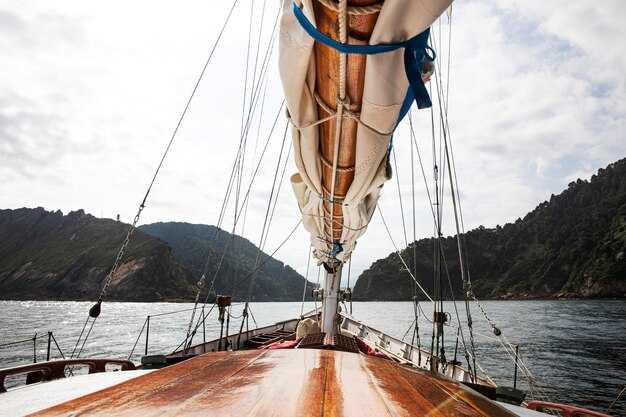
توجّه نحو عوامات الإرساء الثابتة في الخلجان المحمية كلما أمكن ذلك؛ فهي توفر تأرجحًا متوقعًا وثباتًا موثوقًا، مما يمكّن الطواقم من الاسترخاء والاستمتاع بالراحة مع مشاركة المنطقة مع الآخرين دون ازدحام.
في هذه المنطقة على طول الخط الساحلي، توجد مواقع مسماة حول تورتولا وجزيرة نورمان، مثل سوبرز هول، وذا بايت، وجزيرة كوبر، وتريليس باي، حيث توفر القواعد مراسي آمنة أو مرسى محمي.
ارْسُ على قاعٍ بحريٍّ مُسْطَح – يُفضَّل القاع الرملي أو الطيني ذو القدرة الجيدة على التَّماسك، وتَجَنَّبْ مناطق الأعشاب أو البُقَع الصَّخرية القريبة من الخط الساحلي. أَنْزِلْ المرساة بهدوء وثَبِّتْها بنسبة طول حبل لا يقل عن 7:1 في الظروف العادية؛ وفي رياح تتراوح سرعتها بين 15-25 عقدة، زِدْ النسبة إلى 7:1 أو أكثر. اخْتَبِرْ قوة التَّماسك بالرجوع للخلف برفق لمسافة 10-15 مترًا وراقِبْ لمدة 5 دقائق؛ وعَدِّلْ إذا لَزِم الأمر.
احترم المنطقة: امنح القوارب الأخرى مساحة تأرجح من 10 إلى 15 مترًا؛ إذا كانت المساحة مزدحمة، فاصطف مع الرياح السائدة وتحرك حسب الحاجة لتجنب تشابك الخطوط. إذا كنت تريد الهدوء، فابحث عن زاوية على جانب الخليج بها حركة مرور أقل. حافظ على نظافة الصالون لتسهيل حركة الطاقم وحافظ على نظافة الأسطح حتى لا ينزعج الآخرون من المعدات أو الخطوط. قم بتدوين ملاحظة سريعة حول النطاق والموقع في سجل الدخول الخاص بك لتحسين الملاحة للمثبتات التالية.
انطلق بقارب التجديف لاستكشاف الخلجان الرملية والشعاب المسطحة في غضون دقائق. هل أمضيت يومًا في الإبحار على طول الساحل؟ انطلق إلى الشواطئ القريبة للتوقف قليلًا. من مكان رسوك، ينفتح الاكتشاف وأنت تتحرك على طول الساحل؛ هناك جنات يمكنك أن ترسو فيها من أجل استراحة مريحة مع طاقمك. إذا خططت جيدًا، فستكتسب المزيد من المرونة ويمكنك الاستمتاع بمسارات سهلة الاستخدام تربط بين الخلجان والوديان المعروفة.
الدرر الخفية: المرافئ والخلجان والكهوف والمواقع الشهيرة
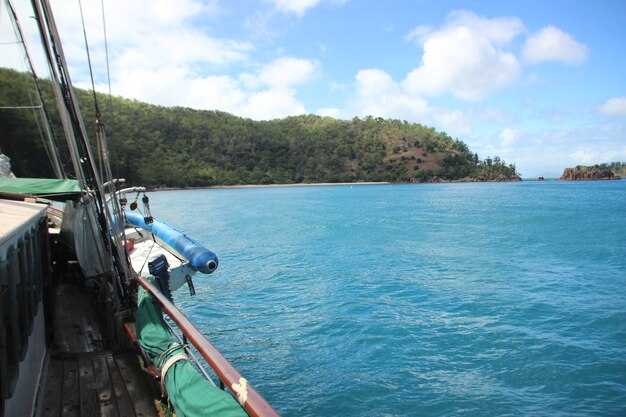
ابدأ يومك في ذا باثس، فيرجن غوردا., ، حيث تنزلق المياه الهادئة عبر منحوتات boulders وتدعو الكهوف إلى الاستكشاف. وصل yourself قبل الازدحام وأمضِ ساعتين في التنقل بين الجدران الجرانيتية والسباحة في برك المد والجزر واكتشاف الشعاب المرجانية. بعدها، احتسِ قهوة محلية وتذوق أشهى dishes من كوخ شاطئي قريب، ثم العودة على متنها للمحطة التالية.
The Bight, ، فيرجن غوردا، يوفر مرسى محمي مع عدد قليل من المراسي قبالة الحاجز المرجاني. ال مسطَّح, ، والمياه الهادئة مثالية للغطس المريح ورحلة قصيرة بالقارب الصغير إلى الشاطئ. الخليج offers سهولة الوصول إلى reefs وخلجان هادئة لـ استكشاف, ، مع بعض المطاعم الصغيرة ذات الطراز البورتوريكي التي تقدم أطباق المأكولات البحرية التي تتناسب مع مشروب بارد. إذا كنت ترغب في المشي على طول الساحل، فهناك مسار قصير يؤدي إلى مناظر مرتفعة تطل على الخليج الصغير.
Next, Soper’s Hole في الطرف الغربي لتورتولا، ترحب بكم مع أجواء بوتيكية. عدد قليل من المراسي تبقي القوارب قريبة من الشاطئ، ويمكنكم التنزه إلى المحلات البوتيكية والمخبز وأكشاك المأكولات البحرية. للـ الكبائن سواء كنت على اليابسة أو على متن سفينة ليلًا، ستجد خيارات قريبة، وكلها تتميّز بأجواء هادئة ومرحبة. تريد للحفاظ على الوتيرة ثابتة؟ خطط لصباح هادئ هنا، ثم توجه نحو الجوهرة الخفية التالية و arrive على استعداد للمضي قدمًا.
توجّه إلى جزيرة نورمان لاستكشاف حكايات القراصنة والشعاب المرجانية، و كهف القراصنة. Exploring تكشف الممرات البحرية المنحوتة عبر الكهوف بجانب الشعاب المرجانية عن جيوب محمية حيث تدور المياه بين الصخور. وتضم الجزيرة أيضًا شواطئ صغيرة ذات رمال ناعمة وبسيطة ومصانة جيدًا. الكبائن على الشاطئ. محلي dishes غالبًا ما يتم إعدادها على متن القارب أو على الشاطئ، مما يمنحك لمحة عن الحياة في الجزيرة بينما تجدف عائدًا إلى الطريق الرئيسي.
في جوست فان دايك، ستجد أماكن مميزة حافظت على طابعها الحميم: حوض سباحة ضحل في سقجي دولار بار الشهير، ورحلة قصيرة بالقارب إلى فوكسيز للاستمتاع بأجواء غروب الشمس. ترسوا القوارب في عرض البحر لتبقى آمنة بينما تتجول إلى الحانات والشواطئ. هذه المرحلة تناسب adventures مع صباح من الغطس في الشعاب المرجانية يعقبه فترات بعد الظهر من الاسترخاء على الشاطئ، من النوع الذي يناسب plan والإيقاع.
بالقرب من تورتولا، يثيب على الصنع الدقيق امتداد هادئ حول بورتلاند: خلجان هادئة بمياه صافية ومسطحات مرجانية مغرية استكشاف. تحتفظ المنطقة بعدد قليل من المراسي والخلجان التي لا يرتادها الكثيرون والتي تبدو وكأنها صُنعت لصباحات حميمة. إذا كنت ترغب في تمديد مسارك، فضع خريطة لحلقة تمر عبر The Baths و Soper’s Hole وجزيرة Norman والتوقف في بورتلاند قبل العودة إلى تورتولا. سوف arrive معي دفتر ملاحظات مليء بالأطباق الجديدة لتجربتها على الشاطئ وعدد قليل من الخلجان الجديدة التي يمكن زيارتها مرة أخرى في الرحلات المستقبلية.
توفير المؤن والوقود والخدمات اللوجستية للموانئ لرحلة بحرية خالية من المتاعب
خطط للتزويد قبل أسبوعين من تسجيل الوصول. قم ببناء مخزن مؤن ثابت ومعياري يغطي استئجار قارب عاري لمدة 7 أيام مع 4-6 أفراد طاقم: معكرونة 4-5 كجم، أرز 4-5 كجم، طماطم معلبة 12-16 علبة، فاصوليا 12-16 علبة، تونة أو سردين 8-12 علبة، قهوة 1 كجم، زيت طبخ 1.5 لتر، ومجموعة بهارات صغيرة الحجم. تتيح لك هذه المواد الغذائية الأساسية طهي وجبات بسيطة دون التسوق اليومي. استكشف الأسواق الطازجة في رود تاون، وتريليس باي، وسوبرز هول في اليوم التالي للوصول لملء الخضروات والفواكه ومنتجات الألبان والبروتينات، مع إعطاء الأولوية للمنتجات ذات فترة الصلاحية القصيرة. خطط لتقديم حوالي 2-3 وجبات للشخص الواحد في اليوم واحتفظ باحتياطي لمدة 2-3 أيام للمواد القابلة للتلف. يقلل هذا التخطيط من التوتر ويحافظ على ثبات نوبات الليل أثناء إبحارك نحو أفضل المراسي.
تخطيط الوقود: بالنسبة لقارب نموذجي بدون طاقم يتراوح طوله بين 40 و 44 قدمًا، احمل على متنه 60-80 جالونًا من وقود الديزل كاحتياطي، بالإضافة إلى 20-30 جالونًا في علبة محمولة للرحلات القصيرة. توقع استخدام المحرك بشكل أساسي للرسو والرحلات بين الجزر؛ عند سرعات الإبحار التي تبلغ حوالي 5 عقدة تحت قوة المحرك، احرق ما يقرب من 0.8-2.0 جالون في الساعة اعتمادًا على عدد الدورات في الدقيقة. إذا كنت تستخدم المحرك لمدة 1-2 ساعة في عدة أيام، فخصص حوالي 1.5-3 جالونات في اليوم؛ عادةً ما يقع إجمالي الاستهلاك الأسبوعي في نطاق 14-28 جالونًا. من الناحية العملية، عادةً ما يتطلب أسبوع من الإبحار ورحلات المحرك القصيرة أكثر من بضعة عشرات من الجالونات، لذا احتفظ بالاحتياطي لتغطية الرحلات الأطول. عند الوصول لتسجيل الدخول، تأكد من أسعار الديزل الحالية في رصيف وقود رود تاون أو الأرصفة المحلية؛ تتراوح الأسعار عادةً حول 4-5 دولارات أمريكية للجالون. سجل مستويات الوقود الأولية والنهائية لكل مرحلة للحفاظ على خطة ثابتة للأسبوع.
الخدمات اللوجستية للموانئ: احجز أماكن الإرساء مسبقًا في الخلجان المفضلة، خاصة خلال موسم الذروة. عند تسجيل الوصول، تحقق من المستندات ورسوم الميناء وفترات الرسو. في تورتولا، تتيح كل من رود تاون وخليج كين جاردن الوصول السريع إلى الخدمات الشاطئية؛ وفي فيرجن غوردا، توفر حقول الإرساء في نورث ساوند خيارات متعددة. إذا كنت تعتمد على المراسي، فتوقع طابورًا قصيرًا حوالي منتصف النهار؛ خطط للوصول في منتصف الظهيرة لتأمين مكان. رتب مسبقًا لتوصيل المؤن إلى القارب إذا كانت القاعدة تدعم ذلك، مما يضمن انتقالًا سلسًا من تسجيل الوصول إلى الإبحار. بعد الوصول، قم بإجراء فحص سريع للأنظمة: صانع المياه والتبريد والبطاريات، حتى يظل الطاقم ثابتًا خلال الليلة الأولى على الماء. يمكن لمجموعة مزودي الخدمات المحليين التعامل مع الإصلاحات الطفيفة وإيصالات الوقود؛ احتفظ بنسخ لسجلاتك ولإعادة الطلب مع جوزيا وتوماس إذا ظهرت احتياجات في منتصف الرحلة.
جهات الاتصال وسير العمل الخاص بالإمداد: بالنسبة للمواد التي تدوم طويلًا، اعتمد على "جوزاياز" للمعلبات والأطعمة الأساسية الجافة، وعلى "توماس" للمنتجات الطازجة والتخصصات المحلية. اتصل مسبقًا للتأكد من المخزون ومواعيد التسليم؛ تقدم العديد من المتاجر خدمات توصيل صباحية أو خدمة داخل الرصيف، مما يجعل الانتقال من تسجيل الدخول إلى الإبحار سلسًا. احتفظ بقائمة تسوق موجزة وسجل بسيط لما استخدمته وما زلت بحاجة إليه، حتى يتمكن الطاقم من التركيز على استكشاف الأرخبيل بدلًا من مطاردة الإمدادات. تحافظ هذه الإجراءات الروتينية على الإمداد محكمًا، وتوفر الوقود في متناول اليد، وتحافظ على سلاسة تحركات الموانئ أثناء إبحارك عبر جزر فيرجن البريطانية في ظل خطة واضحة وثابتة.