


 العربية
  English (UK)
  Русский
  日本語
日本語  한국어
한국어  Magyar
  Türkçe
  Español
  Čeština
  Svenska
  Português
  Ελληνικά
  Suomi
Suomi  Nederlands
  Română
  Italiano
  Français
  Polski
  Українська
  Deutsch
  简体中文
简体中文  Slovenčina
 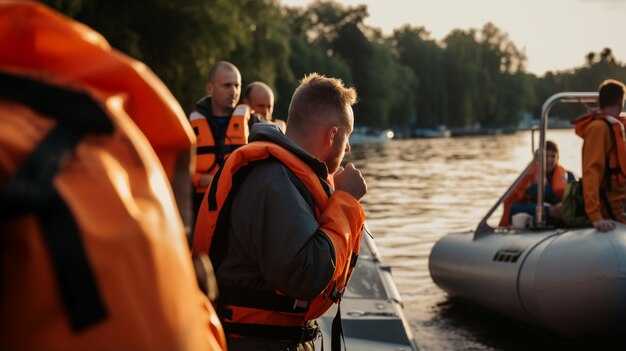 The Only Boat Safety Equipment Checklist You Need for Safe Boating">

Start with a single, compact safety kit you can build and check before every outing. Label each item for quick access, and store the kit in a waterproof box so you can ensure readiness on busy waterways. Include a bottle of water for each person, a compact blanket, and at least one signaling device–these essentials create a unique, reliable baseline for any trip.
For the core gear, include three categories: PFDs for everyone, a battery-operated light or beacon, and a medical kit with bandages, antiseptic wipes, and pain relievers. Label these items clearly and keep them in a single pouch, so you can grab the kit manually if conditions deteriorate. Usually, a compact first-aid kit plus a small flashlight covers most on-water medical needs.
Next, add signaling and flexible gear you can tailor to your route. Include a whistle, a compact signaling mirror, and a small patch kit for quick fixes. For longer trips, coordinating with other boats helps: outline who carries what and where to meet if trouble arises. In rocky conditions, pack a dry bag with extra clothing, a blanket, and a spare battery to keep radios and lights running through the range of weather. Carry cost considerations for replacements and upgrades into your april planning.
Before launch, perform a quick operating check of all electronic gear, including navigational devices and battery levels. A simple checklist on paper–or a small notepad–helps you run through items manually and avoid relying on memory. With proper maintenance, you usually avoid surprises and are ready for a smooth ride along the waterways.
Tip: Treat this kit as a living setup–update labels, swap expired items, and adjust for new boaters and routes. A unique approach keeps you prepared for april trips, long weekends, and sudden weather changes, while keeping overall costs predictable and low.
Comprehensive Boat Safety Equipment Checklist for Safe Boating and Emergency Lighting
First, perform a pre-departure check that covers lighting, signaling, life-saving gear, and communications to manage hazards and ensure coverage through offshore passages aboard any craft. Do this every trip to keep operations safely within planned limits and to promote peace aboard.
For nighttime operations, verify that at least two working forward navigation lights are visible, plus a bright handheld light for crew tasks. Keep a spare shelf of batteries and a charged device to respond immediately if visibility drops. This practice reduces risk when weather turns, and it supports visual signals when passing ships or offshore platforms.
Table below divides items by category and notes recommended types of equipment, including chemical extinguishers and a range of signaling types.
| Category | Recommended items and notes |
|---|---|
| Emergency Lighting and Power | Two working LED flashlights, one headlamp; one waterproof lantern; spare batteries; portable power bank; check before departure; shelf storage near exits; ensure the devices allow hands-free operation when needed; verify backup power covers hours of operation. |
| Signaling and Rescue | VHF radio (handheld or fixed), charged and within reach; registered EPIRB or PLB with current position registration; signaling aids: flares of different types for day and night; signal mirror; whistle; EPIRB positioned for rapid access; replace expired flares; keep visual signals ready for offshore and international operations. |
| Lifesaving Equipment | Personal flotation devices for all aboard; throwable flotation device; rescue line or throw bag; boarding ladder; immersion suit for offshore trips; ensure every piece remains accessible and in good condition. |
| Fire Safety | Chemical extinguishers (ABC or equivalent) with current inspection, pressure gauge in correct range, mounting brackets, and a suppression plan; train crew on use; replace after expiry and keep near the galley and engine space. |
| First Aid and Medical | First aid kit with CPR mask; antiseptics, bandages, burn treatment, pain relief; waterproof medical guide; times to review contents and refresh supplies; assign a lead responder aboard. |
| الملاحة والسلامة | Charts (paper and electronic), compass, depth sounder or depth navigator, and GPS; spare bulbs and fuses; keep a current position fix and update navigation gear; maintain awareness for international routes and coastal coverage. |
| Tools and Spares | Rope, fenders, knife, multi-tool, duct tape; spare parts for safety gear; battery tester; keep on a shelf or in a lockable box for quick access during repairs. |
| Maintenance and Documentation | Maintenance log with test times and replacement dates; manuals aboard; EPIRB/PLB registration up to date; keep records of inspections and compliance with international and local regulations; set a yearly review cadence to maintain coverage and readiness. |
PFDs and Throwable Devices: fit, inspection, and quick-access storage
Fit every PFD snugly and keep a throwable device within arm’s reach of the helm on every trip. Size the vest or jacket to the wearer, adjust all straps, and test by lifting the wearer’s chin slightly while you move to mimic boat motion. If you can slide more than two fingers between the strap and chest, tighten; if you can’t insert fingers at all, loosen slightly. Ensure bottoms of belts sit flat and don’t ride up when bending or reaching for lines.
Regular inspections prevent failure under pressure. Check foam integrity, seams, and buckles for signs of cracking or loosening after exposure to sun, salt, and spray. For inflatable PFDs, verify the status indicator, inflator cartridge seal, and valve operation; replace cartridges as recommended by the manufacturer and perform a manual test in a controlled environment. Keep a testing log and schedule servicing through authorized centers before the boating season begins.
Store throwable devices where they deploy quickly while staying dry and ventilated. Mount ring buoys or throw bags in accessible compartments near the cockpit and at the bottoms of seating areas, not behind bulky gear. Use marine-grade containers or pouches that allow ventilation to reduce moisture buildup and odors. Do not stack gear in a way that blocks access to the device; designate a dedicated list of locations and a second set of hands for deployment if needed during an overboard incident, so responders can reach a device without delay.
Selection and maintenance require ongoing training. Keep a ready-to-grab kit that includes PFDs, a throwable device, a compass, and a simple list of steps for quick checks–these are key for regular courses and drill practice. In busy tourism operations, assign a specific crew member to respond to gear checks, verify enough devices are on board, and document replacement dates. Victoria crews and other boaters benefit from practicing deploying a throwable device during drills, reviewing the removal process from storage, and confirming that all equipment remains ready for action.
Unique, well-ventilated storage supports preparedness and helps you get enough air and visibility while checking gear. Make sure every boater understands the quick-access locations, and incorporate a short training loop into every course or refresher session. By testing, adjusting, and documenting, you maintain a reliable arsenal for responding to an overboard situation and protect everyone aboard with confidence and calm.
Navigation Lights: battery checks, bulb replacements, and power sources
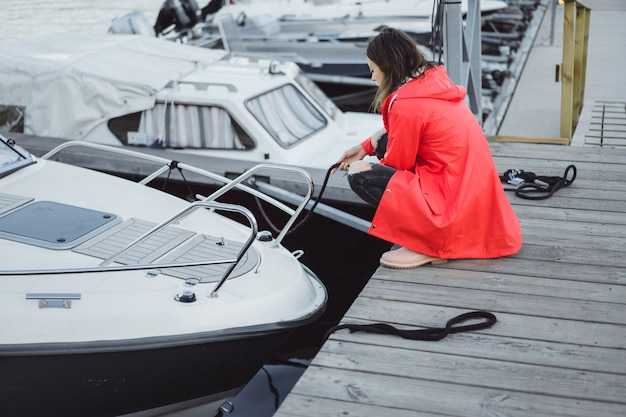
Start with a simple rule: test navigation lights before you depart and replace any dim or flickering bulb immediately. This action creates excellent visibility in choppy conditions and helps persons on deck notice your vessel quickly in all weather.
- Battery checks
- Test resting voltage with a multimeter; a healthy 12V battery reads about 12.6V, while charging may show 13.8–14.4V. This source quality indicates the bank is ready to support the lighting division across the boat.
- Inspect terminals for corrosion; clean with a baking soda solution, rinse, dry, and reseat firmly. Ensure all connections are labeled for easy maintenance.
- Look for bulges, leaks, or foul odors in the case; replace weathered batteries without delay to prevent sudden failures open to the atmosphere.
- Verify charging sources–engine alternator, shore power, or solar panels–are delivering current; use a surge arrestor on the circuit to shield lights from spikes.
- Document the battery type and capacity (Ah) on the labeled shelf or panel so this knowledge travels with the crew, not just one person.
- Bulb replacements
- Prefer LED navigation bulbs labeled for marine use; they draw far less current and offer longer life, allowing excellent reliability in real-world trips. Keep a spare set in a labeled division near the galley or cockpit for quick access.
- Ensure compatibility with color-coded classifications (red, green, white) and replace in matched pairs if the fixture design requires balanced illumination.
- When replacing, open the fixture, remove the old bulb, insert the new one without touching the glass with bare fingers, and test with the switch on. If a bulb flickers, it’s a sign to replace the fixture or the entire circuit.
- Test each light after replacement to confirm uniform brightness across all open housings; revisit connectors if a lamp shows dimming while others stay bright.
- Power sources and backups
- Maintain at least two sources: a starting battery for the engine and a house battery for electronics; keep a spare battery registered within the system for emergencies. This practice helps when moderate loads occur under open-water conditions.
- Use a solar charger with a proper controller to sustain a steady trickle charge when you’re away from shore power; monitor the charge state to avoid overcharging the source.
- Install a surge arrestor on the nav-light circuit to guard against voltage spikes from switching or regulator faults.
- Carry extra lighting options: a compact emergency lantern and a headlamp; place these in an accessible location in the galley so the crew can respond quickly during an emergency.
- احتفظ بمصابيح وفتايل احتياطية، ومجموعة أدوات صغيرة في رف مُعلَّم؛ وتحقق من أنها بحرية ومطابقة لتركيبات الإضاءة المسجلة لديك.
- في الاستخدام الفعلي، اختبر النظام بالكامل خلال تدريب مضبوط للتأكد من أن الجو على السطح يظل آمنًا وأن المقصورة المفتوحة تظل مضاءة في ظل ظروف متنوعة، بما في ذلك سيناريو دخان محاكاة أو تنبيهات أخرى.
إضاءة الطوارئ: المصابيح التي تعمل بالبطاريات، والعصي المضيئة، والموضع، وأوقات التشغيل
بما أن هذا الأمر سهل الإدارة بالنسبة لمعظم الأساطيل البحرية، استخدم المصابيح التي تعمل بالبطاريات كمصدر الإضاءة الأساسي في حالات الطوارئ، مع استخدام العصي المضيئة كنسخة احتياطية. يساعد هذا الإعداد بوضوح في تحديد مكان الإضاءة أثناء حالات الانقطاع، ولكنه لن يحل محل خطة إشارات كاملة. تحقق دائمًا من امتثالك للمتطلبات القانونية واحتفظ بخطة مفصلة للقوارب ذات المحركات الداخلية وغيرها من الحرف.
- اختيار المصابيح وأوقات التشغيل: اختر مصابيح LED قوية مناسبة للاستخدام البحري مصممة للاستخدام في المقصورة (40-80 لومن) مع إعداد أكثر سطوعًا للمخارج. تتراوح أوقات التشغيل بين 8-12 ساعة في الوضع المنخفض و 2-4 ساعات في الوضع العالي؛ خطط للاستخدام المطول عن طريق حمل بطاريات احتياطية والسماح بإعادة الشحن عبر USB-C. قم بتخزين الوحدات في حجرة مخصصة بالقرب من منطقة القيادة أو مناطق الطاقم ، وقم بتسمية كل وحدة بحالة الطاقة الخاصة بها حتى يتمكن الطاقم من تحديد موقعها بسرعة.
- العصي المضيئة، وبدائل الشعلة، والملصقات: احتفظ بإمدادات من العصي المضيئة المصنفة لمدة 12+ ساعة من الرؤية. استخدم ملصقات الفئة 20-ب على كل عبوة لتبسيط التعرف عليها. يمكن أن تكون العصي المضيئة بمثابة خيار إشارة غير متوهجة عند انقطاع التيار الكهربائي وتساعد في تحديد مسار في البحار الهائجة. احتفظ بالحافظات في أماكن يسهل الوصول إليها حتى تتمكن من تحديد موقعها بسرعة، ولاحظ تواريخ انتهاء صلاحيتها سنويًا.
- Placement and mounting: تركيب مصابيح في كل حجيرة وعلى طول الممرات الرئيسية الداخلية للقوارب الآلية. استخدم أقواسًا متينة ومقاومة للتآكل؛ وتأكد من تثبيت ساق قوي بسطح صلب. تجنب وضع الوحدات بالقرب من المحركات أو مصادر الحرارة لمنع التلف؛ ضع المصابيح لتقليل الوهج ودعم خطوط الرؤية السريعة أثناء التدريبات.
- المعدات التالفة والصيانة: تفقد الوحدات بحثًا عن وجود تلف في الهياكل أو الأختام أو البطاريات خلال كل رحلة. إذا أظهرت الوحدة تشققات أو تآكلًا، فقم بإخراجها من الخدمة واستبدالها. احتفظ بمجموعة أدوات إصلاح مدمجة وسجل عمليات الاستبدال في مجلد صيانة الحرف.
- الامتثال القانوني والمراجعات السنوية: حافظ على الامتثال للوائح المحلية التي تحكم إضاءة الطوارئ. قم بتحديث سجلاتك سنويًا وقم بتعديل النظام كلما حدثت تغييرات في القوانين أو فئة السفينة. وثق التدريبات والاستخدام الفعلي لتحسين الاستجابات المستقبلية، وتأكد من أن الملصقات ومواقع الحالات تعكس التخطيطات الحالية لجميع الأساطيل.
مشاعل وصفارات ومعدات الإشارة: فحوصات انتهاء الصلاحية والتخزين المناسب
تحقق من جميع أجهزة الإشارة قبل كل رحلة واستبدل أي شيء تجاوز تاريخ انتهاء صلاحيته. تزيد هذه الخطوة الأولى من الموثوقية وتبقيك ملتزمًا باللوائح التي تحكم سلامة القوارب. اقرأ الملصق أو الدليل للتأكد من الشهر والسنة المحددين للصلاحية؛ تعرض العديد من العناصر تاريخ انتهاء الصلاحية مثل يوليو 2025، مما يعني أن الاستبدال مطلوب بحلول ذلك التاريخ.
افحص عبوات كل عنصر، والأختام، والحالة العامة. ابحث عن الرطوبة أو التآكل أو التلف الواضح في العلبة. إذا كان شكل الشعلة مشوهًا أو كان لسان صافرة متصدعًا، فأخرجها من الخدمة. بالنسبة لأجهزة الإشارة الإلكترونية، تحقق من الإخراج عن طريق فحص تصنيف القوة الكهربائية على الجهاز؛ يجب أن يؤكد مؤشر مرئي أو وضع الاختبار التشغيل دون تفريغ الوحدة. يساعد هذا الفحص الثاني أصحاب القوارب على تقييم الموثوقية ويضمن حصولك على إشارة مرئية عند الحاجة.
Keep which حافظ على بساطة وسهولة الوصول إلى العناصر التي تحملها: carry مجموعة من أدوات الإشارة غير النارية والنارية، والتأكد من إمكانية الوصول إليها أثناء الجلوس في قمرة القيادة. بالنسبة للألعاب النارية، لا تختبر أو تشعل الأجهزة على متن الطائرة أبدًا which قد يعرض الطاقم أو أنظمة الوقود للخطر؛ اعتمد على الاختبارات المعتمدة واستبدل الوحدات منتهية الصلاحية. حافظ على essentials في متناول اليد حتى تتمكن من التصرف بسرعة إذا نشأ وضع طارئ.
خزّن معدات الإشارة في مكان مخصص وجاف وبارد بعيدًا عن الوقود والمذيبات والحرارة المباشرة. استخدم حاوية أو صندوقًا كبيرًا ومُعلّمًا بوضوح، وارفعه عن الأرض لتجنب الرطوبة والرذاذ. احتفظ بهذه المواد بعيدًا عن المحركات الخارجية والعوادم لمنع تعرضها للحرارة التي قد تؤدي إلى تلف المواد أو إضعاف التوهج المرئي. خزّن المواد النارية في عبواتها الأصلية مع بقاء الأختام سليمة، وافصلها عن المعدات غير النارية لتقليل خطر التلوث المتبادل.
Legal تختلف المتطلبات بحسب الولاية القضائية، ولكن أفضل ممارسة هي أن increase تدوير المخزون مرة واحدة على الأقل في السنة وإجراء فحص سريع لضمان الجاهزية. first و second تحقق قبل أي رحلة. أعد ملء أو استبدل العناصر حسب الحاجة وسجل تواريخ انتهاء الصلاحية في سجل السلامة الخاص بقاربك لسهولة الرجوع إليه خلال عمليات التفتيش في شهر يوليو أو عند الرصيف. من خلال الحفاظ على معدات الإشارة visible وبشكل صحيح positioned, ، أنت تتحسن reliability وتأكد من قدرتك على ذلك carry الأجهزة المناسبة عندما تتجه إلى عرض البحر في nature أو في المرسى.
مجموعة الإسعافات الأولية والمستلزمات الطبية: المحتويات، والتناوب، وإمكانية الوصول
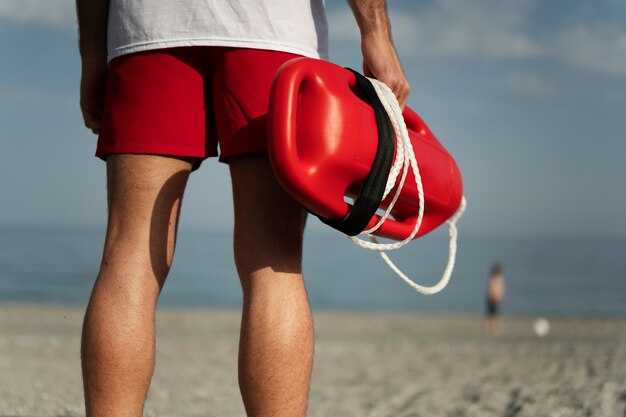
احتفظ بمجموعة إسعافات أولية صغيرة وموثوقة على متن السفينة ونفذ جدول تناوب صارم. افحص المواد المخزنة شهريًا، واستبدل البضائع منتهية الصلاحية، وسجل التغييرات في قوائم المراجعة الخاصة بك؛ لقد بنيت روتينًا أكثر أمانًا لكل رحلة.
يجب أن تغطي المحتويات العناية بالجروح والوقاية من العدوى والأدوية الأساسية، بالإضافة إلى أدوات لمساعدتك على الاستجابة بسرعة. بالنسبة للعناية بالجروح، قم بتخزين ضمادات شاش معقمة، وضمادات متنوعة، وشريط طبي، وضمادات مثلثة، وضمادات لاصقة. للوقاية من العدوى، أضف مناديل مطهرة ومحلول بوفيدون أيودين أو كلورهيكسيدين ومرهم مضاد حيوي. بالنسبة للأدوية، قم بتضمين مسكنات مناسبة لطاقمك وأملاح الإماهة الفموية وميزان حرارة رقمي صغير الحجم. بالنسبة للأدوات، قم بتضمين قفازات النتريل التي تستخدم لمرة واحدة وجهاز حاجز الإنعاش القلبي الرئوي ومقص وملقط. قم بتضمين مزيل الرجفان AED إذا كان متاحًا، مع بطاريات وأقطاب كهربائية حديثة؛ قم بتخزينه في حامل b-11 داخل المجموعة للحفاظ على تنظيم العناصر الصغيرة. ضع علامة على المجموعة بعلامات متوافقة مع acma أو ملصق قائمة مرجعية حتى تظل قابلة للتتبع.
يضمن الوصول والوضع سهولة وسرعة الاستخدام أثناء النشاط. ضع العدة في حامل مقاوم للعوامل الجوية مثبت بالقرب من الدفة أو مدخل المقصورة الرئيسية، على مستوى اليد لسهولة الوصول السريع. حافظ على إبقاء الحاوية مغلقة ومخزنة بعيدًا عن الحرارة والمذيبات والسوائل التي قد تنسكب بالقرب منها. قم بتعيين شخص واحد للتحقق بانتظام من أن العدة سليمة ويمكن الوصول إليها في كل رحلة. حافظ على هذه الأدوات ظاهرة وفي متناول اليد.
تعمل إدارة التدوير وانتهاء الصلاحية على الحفاظ على المواد طازجة. قم بتعيين تحقق شهري لتسجيل تواريخ انتهاء الصلاحية، وقم بتدوير المواد حسب الأقدم انتهاء صلاحية أولاً. احتفظ برف تدوير أو سجل رقمي يسجل تاريخ الاستبدال والاستبدال التالي المستحق. قم بتضمين مواد قابلة للنفخ مثل جبيرة قابلة للنفخ لتثبيت أحد الأطراف عند الحاجة؛ افحص الجهاز وقم بنفخه فقط أثناء الاستخدام أو سيناريوهات التدريب. بالنسبة للأدوية المخزنة على متن الطائرة، استبدل المواد التي تصل إلى حدود مدة الصلاحية في غضون فترة تتراوح من 12 إلى 24 شهرًا اعتمادًا على الملصق، وقم بإزالة أي مواد تظهر عليها تسريبات أو تلاعبات. ضع المخاطر المعروفة في الاعتبار وافصل السوائل عن الأدوية في المجموعة.
تضمن التدريبات وإمكانية الوصول أن يكون الجميع قادراً على التصرّف. قم بإجراء تدريبات موجزة قبل الرحلات الطويلة للتدرب على تحديد موقع المجموعة واسترداد العناصر واتباع الإجراءات خطوة بخطوة للاستجابة للحوادث الشائعة. احتفظ بدليل قصير وعملي مع قوائم المراجعة وتأكد من أن جميع أفراد الطاقم يعرفون مكان المجموعة وكيفية الوصول إليها في أقل من 30 ثانية. راجع مدى استعداد جهاز AED للمساعدة في توقف القلب وتحقق من فحوصات البطارية في نفس اليوم كجزء من عملية ملصق acma.
السوائل والجيوب الجانبية: لا تخزن السوائل بالقرب من الإلكترونيات أو الأدوية؛ خصص جيبًا جانبيًا منفصلاً للسوائل مثل المحلول الملحي المعقم أو المحاليل المطهرة لتقليل الانسكابات. تأكد من أن لكل عنصر موقعًا معروفًا حتى تتمكن من استرجاعه بسرعة أثناء حدث غير متوقع. استخدم حقيبة خارجية واقية لاحتواء التسريبات وحماية العناصر المخزنة من رذاذ مياه البحر.
فيما يتعلق بالصيانة: احتفظ بمجموعة احتياطية محكمة الإغلاق ومخزنة في موقع ثانٍ حتى تتمكن من الاستجابة حتى في حالة تعرض المجموعة الأساسية للخطر. استخدم قوائم المراجعة لتتبع الاستخدام وانتهاء الصلاحية واحتياجات إعادة التخزين لتجنب الثغرات في التوفر.