


 العربية
  English (UK)
  Русский
  日本語
日本語  한국어
한국어  Magyar
  Türkçe
  Español
  Čeština
  Svenska
  Português
  Ελληνικά
  Suomi
Suomi  Nederlands
  Română
  Italiano
  Français
  Polski
  Українська
  Deutsch
  简体中文
简体中文  Slovenčina
  Summer Bucket List for Boat-Loving Kids – 15 Fun Boating Activities">

Kick off the day with a 5-minute safety check and a recommended clear, kid-friendly goal. In the morning light, assign one activity per child and keep the pace relaxed. Boats on calm water become a playground when everyone wears a vest, uses a buddy system, and signals are simple and known, creating an amazing start.
For paddlers and social kids, mix a calm cruise around a protected cove, like a dock-side scavenger hunt, and a quick line-throw challenge to build coordination. Whether your crew is new to boats or already confident, design tasks that are challenging but safe, with a good balance of movement and rest to prevent fatigue.
Turn a fireworks show on the water into an evening highlight with glow sticks along the rails, a simple storytelling arc, and a toast at the stern. Use a large deck space and a simple checklist so kids can accomplish each step, from tying a rope to docking with guidance from an adult.
Include quick safety tips for every outing: wear life jackets, keep a spare throw line on deck, and test a short rescue drill before leaving shore. On pontoons or boats with family seating, create a social rotation so everyone gets a turn to steer a pretend course, then switch roles every 15 minutes to keep energy up and minds focused.
Build a practical plan that covers a النطاق of activities, from simple paddling sprints to a treasure hunt using a waterproof map; under calm conditions, paddlers can test balance on the deck, and larger boats can host a mini sailing lesson for beginners. Take a short break to relax and recharge, then continue with the next activity to keep energy up and kids engaged.
4 Quick Boating Activities for Beginners
Start with a 20-minute calm paddle on a slow, flat surface to build balance and confidence. Keep your posture tall, knees soft, and use long, even strokes to develop steady power. Breathe with the boat’s rhythm and avoid rushing turns; this whole beginner practice helps skill grow. Local companies offer kid-friendly kayaks and small sailboats, with instructors welcomed by families who love boats. June mornings with light breeze are ideal for this first step. These ideas originated from beginner courses and can be adapted at home with a simple plan.
Move to a 15-minute watching cruise along the shore or around buoys. These activities support living near water with kids. Focus on steering with tiny adjustments, maintaining a reduced speed, and watching waves and other boats. The process feels thrilling when you master a safe arc without spilling. This practice also builds awareness of the surface and wind direction, making you confident for the next step. You can also track progress by taking notes.
Practice beaching and gentle docking in a calm cove. Approach the shore slowly, put the bow toward a soft, sandy beach, and stop the engine or power as you touch down. Have a helper on shore to guide you and keep a short distance from others–wakes can be dangerous. This activity helps the whole family build teamwork and confidence on the water.
Finish with a simple fishing session from a stable boat or dock. Take turns casting, keeping weight low and line near the surface. Respect local rules and habitats, and do not fish from a moving craft. This activity definitely grows hand-eye coordination and patience; it can become a favorite memory and a chance to share skills like knot-tying and basic navigation. Create a quick table of goals: time, distance, and what you learned, then track progress as a family. Also invite friends or a small group to join; more hands make it fun.
4 On-Deck Games to Boost Teamwork
Deck Relay is the starter you need to boost teamwork. Form two teams along the front rail and pass a knotted rope along the deck, calling the next teammate each time. If the knot slips, restart at the previous station; teams become sharper at signaling under the breeze. simply swap teams after each round to measure improvement and keep energy high. This approach works on every boat and even accommodates ever-changing deck layouts.
Moving Target Pass uses a buoy or sponge tied to a short rope loop; teams line up along the midline and move the object from one player to the next without breaking the chain. Clear calls and steady hand-offs keep the rhythm through the deck’s floorplan, while partners learn to anticipate moves and stay focused. It mirrors kayaking and canoeing drills, building upper-body strength and social bonds as the group navigates a tight course.
Buddy Guide challenges pairs to trust each other: one teammate guides the other through a short obstacle path drawn on the deck floorplan, using only voice cues. The guided teammate keeps eyes on the guider to learn to listen closely and react quickly. If you remove the blindfold to stay safe, the exercise still strengthens comfort, trust, and kind leadership as the group helps them through each checkpoint.
Rope Rescue Relay stages four-person teams who thread a rope through a line of handles around the deck, moving a flag from start to finish with controlled passes. Through smooth communication and practiced timing, crews stay on location and complete the course before the bell rings. The idea originated in small-boat clubs and boater camps to teach teamwork on limited space; it fits well with the social feel of boating and reinforces strength and coordination even when the outboard hums in the background.
Gear and Safety Tips
Keep the deck fully equipped with life jackets, non-slip footwear, and a long, soft rope suitable for deck work. Check the floorplan and location of each drill to designate safe zones, and keep engines off during practice to prevent unplanned movement. After sessions, hydrate, stretch, and if you’re near beaches, take a quick cooldown on the sand or simply enjoy a relaxed moment of social breeze before you head back.
4 Simple Waterside Crafts to Do While Docked
Start with a quick rock painting project using zapata markers to set the mood, and keep a damp cloth handy for tidy edges. Place supplies where kids can reach them.
Typically, these four crafts fit into a single afternoon near the dock. Keep enough space between stations to avoid crowding, and use the lakeland stores you find locally for kid-safe materials. Whether you’re aboard or on shore, the level stays friendly and the steps are clear, so their skills grow with practice. Throughout the session, you’ll notice lessons in color, form, and patience, and the benefits show in their confidence. A short walk along the pier between projects gives everyone a breather, while the ocean breeze adds oxygen and energy above the water. The pool of ideas stays endless as kids brainstorm new color combos and layouts.
Two Quick Crafts: Rocks and Cork Boats
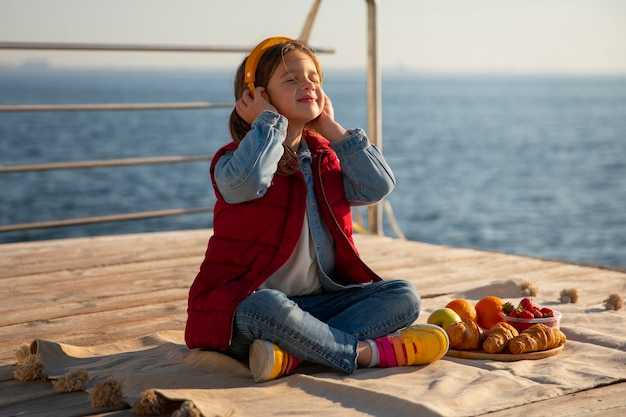
Rock painting: Gather smooth river rocks from nearby lakeland areas or the shore, then use zapata markers to draw sea life, boats, or initials. Let the ink dry. Once dry, attach a small magnet to the back with double-sided tape; the magnet can stick to a metal rail aboard or in your cabin. This quick project builds endurance and fine motor skill and gives kids a sense of power and a fantastic keepsake.
Cork boats: Cut a cork in half for a hull, insert a toothpick mast, and craft a tiny sail from a triangle of waterproof paper. Glue and let dry in the sun on the deck. Kids love the motion of the sails, and their pride grows with each finish. A quick splash test in a nearby pool shows they float, and longer sessions can be split across a couple of afternoons, but a single 15–20 minute run still delivers a solid sense of accomplishment.
Two Keepsakes: Garlands and Tiles
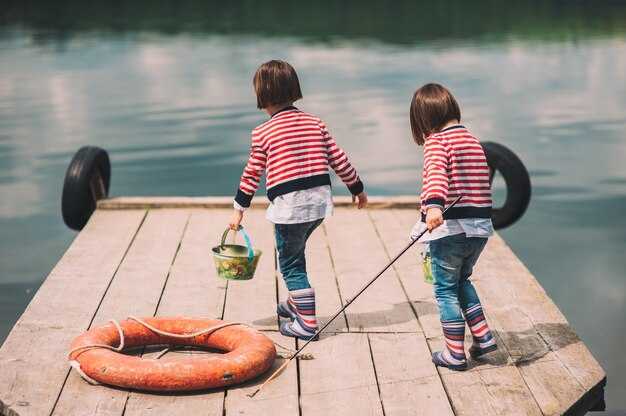
Paper sailboat garland: Cut several small sail shapes from sturdy, water-safe paper, punch two holes at the corners, and string them with twine along the railing. The breeze makes the pieces dance above the water, creating an ongoing display throughout the afternoon. Kids love choosing colors and arranging segments, and their teamwork grows with each new piece.
Sea-glass tile magnets: Collect small shells or glass pieces and glue them onto bottle-cap lids or flat tiles. Attach a magnet on the back and press gently to secure. Once dry, these tiles become practical magnets that remind the crew of their day aboard. The activity builds focus and imagination and offers endless color spots to display at home.
3 Safety and Skill-Building Drills on Board
Begin with a 60-second stern balance drill: stand tall, feet shoulder-width apart, knees soft, core engaged, and one hand on the rail while eyes stay on the horizon as the boat rocks. This move gives you control when waves pick up and makes you aware of life on-water dynamics, so you’re ready for the next drills on board.
Drill 1: Balance and stance progression. Start at the stern with a light grip on the rail, feet planted, weight centered, and eyes forward. Hold for 60 seconds, then shift weight to the left foot for 15 seconds and to the right foot for 15 seconds. Complete three rounds, resting 20 seconds between rounds. Each round should feel smoother, and the little posture tweaks you practice carry into everyday safety on-board.
Drill 2: Helm-control and speed discipline. In calm water, set a gentle drift of 2–3 knots and keep a straight line for 200 meters using only small wheel or tiller adjustments and throttle taps. Do five passes, pausing 30 seconds between runs. Focus on smooth transitions between forward and idle, so you’re ready for high-speed shifts without reacting to chop on-water.
Drill 3: Docking prep and line handling. Before approach, assign roles: caller, line handler, and deck watcher. Practice a single controlled approach to a calm dock with a prepared bow line and stern line; maintain clear communication throughout and secure lines in a tidy coil. Repeat three times, ensuring every crew member understands cues and that lines stay clear of feet and gear. If youre bringing along zapata the furry mascot, keep pets away from moving lines and provide a safe resting spot off the deck during drills.
6 Fishing Ideas for Young Anglers
Start with a kid-friendly setup: a 5-6 ft light rod with a simple spincast reel, a small hook, bobber, and safe bait. This accessible kit lets kids cast from a marina or calm flat banks here, builds confidence, and keeps bites coming during the outing. If a younger child is along, include a parent to guide babies and beginners, and take short breaks to relax and reset.
-
Shoreline Casting in Calm Flats. Set up a short, simple rig and have kids make easy, low-arc casts from the marina edge or flat shore. Use a bright bobber and small bait to keep the line visible and the action steady. Celebrate every bite with a quick reel and reset to keep momentum going, which helps kids stay confident.
-
Raft or Small Boat Casting Near Weed Lines. If safety rules allow, position a soft anchor and cast toward weed edges where bluegill and crappie feed. Keep sessions 20–30 minutes, rotate anglers, and use a light line and barbless hooks so releases are quick. This approach is fantastic for kids who enjoy being afloat and watching the action unfold underway.
-
Beginner Rigs That Originated for Young Anglers. Try a slip-bobber rig or a simple spincast setup with short leaders. Demonstrate casting, then let kids practice reeling while you monitor tension. This straightforward method keeps the experience safe and enjoyable, and it helps kids gain confidence quickly.
-
Destination-Driven Trips to Easy Bites. Plan visits to destinations with reliable options, such as a calm lake between docks, or a sheltered marina cove. Focus on recognizing signs of bites, adjusting bait, and staying within comfortable distances to shore. Read the water between reeds and weed lines to spot feeding zones. This keeps learning steady and makes future voyages more predictable.
-
Light-Weight Logs: A Simple Science and Fishing Combo. Use a small notebook to record species, length, and mood. Discuss how weather and water conditions affect bites and how oxygen-rich water supports fish activity. A quick recap after each session reinforces safe handling and responsible releases.
-
Short, Fun Fishing Games. Include challenges like who makes the most accurate cast, who lands the first fish, or who can place a lure closest to a target. Keep gear light, explain the rules clearly, and finish with a calm cooldown before returning to the dock. Games build pace, cooperation, and excitement for the next trip.