Inside a Week-Long Greek Islands Sailing Charter: A Real Crew's Story
A week-long Greek Islands sailing charter personal experience delivers something no resort holiday can replicate: waking up in a different anchorage every morning, swimming off the stern before breakfast, and eating grilled octopus at a harbourside taverna that doesn't appear in any guidebook. Based on real accounts from crews who have done exactly this — departing from Athens and threading through the Saronic Gulf — here is an honest, day-by-day look at what to expect, what surprises you, and what you should know before you book.
The Starting Point: Athens and Zea Marina
Most Saronic itineraries begin at either Alimos Marina or Zea Marina, both within easy reach of Athens city centre and roughly 30–40 minutes from Athens International Airport by taxi or Metro. Zea Marina, tucked beside the larger Piraeus harbour, has a village-like feel: chandleries, waterfront cafés and the low hum of rigging in the breeze. Crews typically arrive the evening before departure, board the boat, run through a safety briefing with the captain, and spend one night moored in the marina before setting off at dawn — or, more realistically, after a leisurely breakfast on deck.
Charter companies operating from Athens include yachtingworld.com-featured Sunsail, as well as independent operators such as Greek Seas Sailing Charters, which one family described as "super organised from start to finish" after a week aboard a Fountaine Pajot Saona 47 catamaran with five cabins and five bathrooms — journeyology101.com.
📚 قد يعجبك أيضاً
Day One: Athens to Aegina — First Swim, First Island
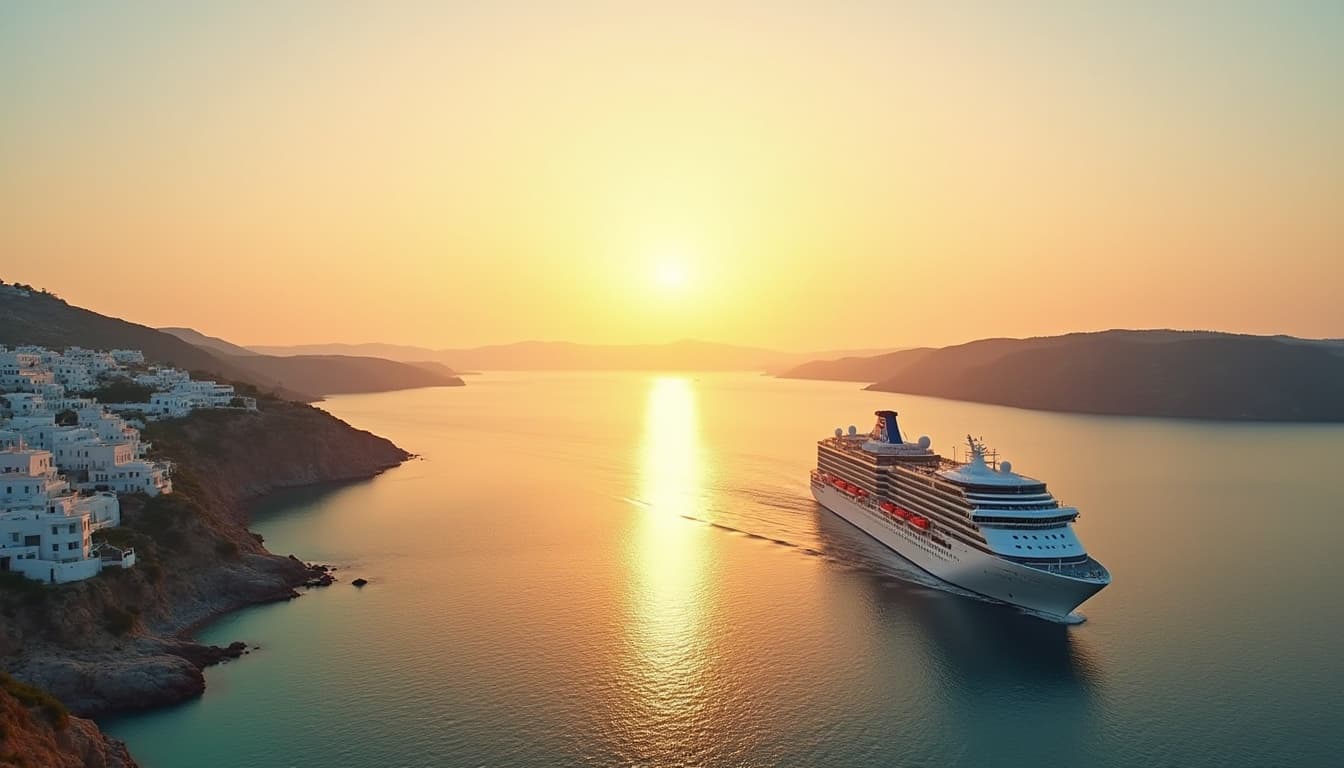
The Saronic Gulf opens up quickly once you clear Piraeus. Within a couple of hours the Athens skyline fades and you are anchored off Aegina, diving into warm, crystal-clear water before dinner — a transition that still catches first-timers off guard, according to multiple crew accounts lifebeyondnumbers.com. Aegina is famous for its pistachios: every bakery, sweet shop and street stall sells pistachio-laced products, and the island's working fishing harbour feels genuinely local rather than tourist-polished journeyology101.com.
Tip: moor stern-to in Aegina town harbour for easy access to the market. Stock up on pistachios and fresh bread for the next day's passage.
Days Two and Three: Ermioni and Hydra — Where Cars Don't Exist
A typical Saronic itinerary — such as the one run by MedSailors on their Athens Voyager route — follows a sequence of Aegina, Ermioni, Hydra, Poros, Epidavros and Agistri before returning to Athens findingalexx.com. The order can shift depending on wind and weather, but Hydra is the undisputed highlight for most crews.
Hydra bans motor vehicles entirely. The only transport is donkeys, water taxis and your own feet. Approaching the harbour by boat — stone mansions rising above the waterfront, fishing boats bobbing beside open-air cafés — is one of those sailing moments that justifies the whole trip lifebeyondnumbers.com. Moor overnight, explore the backstreets in the evening cool, and eat at one of the tavernas on the upper lanes where locals actually sit.
Ermioni, on the Peloponnese coast, is the quieter counterpart: a pine-fringed peninsula with a small fishing fleet and excellent fresh seafood. It sees far fewer tourists than Hydra and rewards an early-morning walk around the headland.
Days Four and Five: Poros and Epidavros — History Between Swims
Poros is separated from the Peloponnese mainland by a channel barely 200 metres wide — sailing through it feels theatrical, with cafés and houses practically at arm's reach on both sides. The town is lively, the anchorage well-sheltered, and the water sports on offer (organised by some charter captains on request) keep younger crew members happy journeyology101.com.
From Poros, a short sail or even a day trip by road reaches the ancient theatre of Epidavros, one of the best-preserved in the ancient world. Its acoustics are so precise that a coin dropped on the stage is audible from the top row. If your itinerary includes an overnight in the bay near Epidavros, you are well-placed for an early visit before the tour buses arrive.
Day Six: Agistri — The Island Most Visitors Miss
Agistri is small, pine-covered and largely overlooked by mainstream tourism, which is precisely why experienced sailors love it. The beaches are sandy (unusual in the Saronic), the water is shallow and turquoise, and the tavernas are priced for Greek day-trippers rather than international tourists. It makes for a perfect penultimate stop — relaxed, unhurried, with nothing on the agenda except swimming and a long lunch.
Day Seven: The Return to Athens
The final sail back to Athens carries a bittersweet quality that every crew seems to mention. One family sailing with Greek Seas Sailing Charters described a surprise dolphin encounter on the return leg: "The captain turned off the engine and was happy to help the kids spot all the dolphins around the boat. It was really a 'one with nature' kind of moment" journeyology101.com. Dolphin sightings in the Saronic are not guaranteed, but they are common enough that multiple crews report them.
By the time the marina appears on the horizon, the rhythm of sailing life — early swims, slow lunches, evening walks through island lanes — has become normal. Most crews say five or seven days only scratches the surface of what the Greek islands offer lifebeyondnumbers.com.
Practical Things Every Crew Should Know
- Qualifications: To charter bareboat in Greece you need an ICC or equivalent. Sunsail classifies the Athens sailing area as Level 3 — the most demanding — because Meltemi winds can fill in rapidly. Corfu and Lefkas are rated Level 1 and are better suited to less confident sailors yachtingworld.com. If you lack the paperwork, a skippered charter removes the qualification hurdle entirely.
- Boat choice: Catamarans dominate family and group charters because of the deck space, stability and multiple ensuite cabins. A Fountaine Pajot Saona 47 comfortably accommodates eight people across five cabins journeyology101.com. Monohulls are cheaper and often more responsive to sail.
- Itinerary flexibility: Weather dictates the order of stops. Captains reroute without warning, and this is a feature, not a bug — it usually means you end up somewhere better than planned.
- Food and provisioning: Most crews buy breakfast and lunch provisions at the first island market and eat dinner ashore each evening. Fresh bread, olives, local cheese and grilled vegetables onboard are consistently rated among the best meals of the trip lifebeyondnumbers.com.
- Packing: Soft bags only — rigid suitcases cannot be stowed in cabin lockers. Bring reef-safe sunscreen, a light windproof layer for evening passages, and non-marking deck shoes.
- Timing: Early season (May–early June) means fewer crowds, cooler temperatures and a more local atmosphere. Midsummer brings the Meltemi but also the busiest anchorages yachtingworld.com.
Group vs. Flotilla vs. Skippered Charter
There are three main ways to do this trip. A bareboat charter gives maximum freedom but requires a qualified skipper in your group. A skippered charter — where the company provides a professional captain and sometimes a hostess — suits families or groups without sailing experience; the captain handles navigation and mooring while you focus on enjoying the journey. A flotilla, such as the MedSailors Athens Voyager, places your boat among five to seven others following the same route, with organised social activities and a lead crew for support — ideal for solo travellers or those who want a built-in social scene findingalexx.com.
FAQ
Do I need sailing experience for a Greek Islands charter?
Not if you book a skippered charter or join a flotilla with a lead crew. For bareboat charters in the Athens area, an ICC or equivalent qualification is required, and prior experience handling a yacht in moderate winds is strongly recommended given the Meltemi conditions yachtingworld.com.
How many people fit on a typical charter catamaran?
A 47-foot catamaran such as the Fountaine Pajot Saona 47 accommodates up to ten people across five cabins with five bathrooms, though eight is a comfortable number for a week-long trip journeyology101.com.
What is the best time of year to sail the Saronic Gulf?
May, June and early September offer the best balance of warm weather, calm seas and manageable crowds. July and August are peak season — busier anchorages, stronger Meltemi winds and higher charter prices, though the sailing can still be spectacular.
Can children join a Greek Islands sailing charter?
Yes — multiple families report excellent experiences sailing the Saronic with children aged eight and upward. Calm, sheltered anchorages, daily swim stops and the novelty of dolphin encounters make it a genuinely memorable trip for kids journeyology101.com.