


 العربية
  English (UK)
  Русский
  日本語
日本語  한국어
한국어  Magyar
  Türkçe
  Español
  Čeština
  Svenska
  Português
  Ελληνικά
  Suomi
Suomi  Nederlands
  Română
  Italiano
  Français
  Polski
  Українська
  Deutsch
  简体中文
简体中文  Slovenčina
  Spinning vs Casting – How to Pick the Right Fishing Reel">

For shore-based setups with heavier lures, a baitcaster gives you built-in drag and a feel that helps you control the lure through longer, more accurate casts. The combo of a strong spool, sturdy handle, and smooth gears provides more powers for stopping a weighted lure, and you’ll find yourself working near structure or along wind-chop with consistent results. If you plan to cast weighted jigs or large swimbaits, this setup delivers dependable, working performance for those long approaches and deep pockets.
If your targets are smaller and you value a lighter, good feel and a quick learning curve, a quality spinning reel is ideal. The fixed spool design offers immediate sensitivity and easier adjustment for subtle bites. For shore-based sessions with light jigs, soft plastics, or topwater plugs, spinning gear delivers longer, smoother casts and less wrist fatigue, letting you fish all day.
Consider these questions before you choose: where will you cast most often, what weights will you use, and what skills do you want to build first. Those who plan to pair multiple baitcasters with a single rod can optimize line choice for control, while anglers chasing finesse may favor lighter spinning gear. If you lean toward heavier lure work, pair a medium-heavy rod with a reel built to handle 12–20 lb line and a tight, predictable drag. For lighter, ultralight work, opt for lighter gear with 6–12 lb line and a quick, responsive retrieve. And think about the combo of rod, reel, and line–getting the balance right matters as much as the reel itself.
To fine-tune feel, test the drag with a weighted lure and verify that it ramps smoothly and stays predictable. A high sensitivity helps you detect the lightest taps and the start of a bite, turning small signals into timing decisions. If you expect to switch between long casts and precise work, a baitcaster with a smooth, adjustable drag will serve you well in rough surf and windy, shore-based conditions.
Spinning vs Casting: Practical Reel Selection by Application
Recommendation: For most freshwater setups, pick a spinning reel for light plugs and soft plastics; use a casting reel when you need pinpoint accuracy and power with larger lures. This choice minimizes tangles and gives steady control against wind and current. Watching how the line peels off the spool helps confirm the selection you want.
Spinning reels shine with finesse work: light lines, small plugs, and soft plastics benefit from easy release, smooth pickup, and forgiving casting. Use line in the 6-12 lb range for freshwater; a compact body keeps balance, and watching the line come off the spool helps reduce down-the-line twists. This setup is suited for long, controlled casts in pockets and under overhanging branches.
Casting reels excel when you need distance and accuracy with heavier lures, including big plugs. They hold more line and can turn a heavy jig with precise placement into success. A high gear ratio helps you retrieve quickly, and well-tuned brakes minimize backlash when casting against wind or current. With casting control you can place plugs exactly where you want, which matters for sunken cover or weed edges. That turning capability matters when wind shifts or you need to adjust mid-cast to keep a plug on target.
There are many situations where application determines the choice. When targeting finesse bass with lightweight plugs or soft plastics, a spinning setup is better; for topwater, deeper water, or rugged structure, a casting rig provides the control to place casts away from snags and into tight pockets.
To differentiate by lure type: plugs demand stable line control and longer casts, so a casting reel shines with 1/2 oz plugs. For soft plastics up to 3/8 oz, a spinning reel offers better feel and release, improved accuracy on light taps, and more forgiving handling in chop. For jigs around 1/4 to 1/2 oz, both can work, but line capacity, drag, and wind conditions drive the pick.
Key specs to compare include line weight range, drag smoothness, gear ratio, and handle comfort. The thing to remember is balance; being light on the wrist helps you fish longer, while a robust casting setup wins when you face thick cover and heavy bites. Check the built-in guides alignment and overall build quality to sustain accuracy and reliability over many trips.
Guides and test-throws matter. In shops or on water, watch how the line feeds off a spinning reel versus the controlled release of a casting reel. Observing the performance helps you differentiate when to switch styles and which rig feels natural in your holding and retrieval style.
Embrace both systems in your toolkit to stay prepared for every water condition and target. A practical workflow: start with spinning for light lures, then add casting for heavy lures or dense cover, and adapt as seasons shift.
Assess target species, fishing style, and rod setup to choose between spinning and casting
First, choose spinning for most shore-based targets within light-to-moderate tide ranges; casting becomes the right option when you chase large, line-heavy species or need long, precise casts.
Assess target species, fishing style, and rod setup to decide between spinning and casting. Each factor narrows the range of suitable reels and setups, so your choice matches actual conditions rather than guesswork.
Target species drive gear weight and line choice. Small to mid-size fish sit better on lighter line and lures (1/8–3/8 oz) with 8–12 lb, while large species require heftier gear to overpower current and cover. For many shore-based profiles, a spinning setup offers easy handling, a forgiving feel, and the ability to adjust the amount of line quickly. If you want power to move big baits, casting targets become more efficient, especially when you fish around structure or with turning tides. What matters is the right balance between rod blanks, line capacity, and reel speed, so you can retrieve smoothly and keep the lure in the strike zone.
Style and environment shape your choice. If you fish from shore with open water and moderate current, spinning stays versatile and approachable; if your style demands long, accurate casts to distant structure or heavy jigs, casting becomes the right fit. With adjusting retrieves and angles, spinning sits at a comfortable level for most tasks, while casting emphasizes power and range toward big targets. Specifically, baitcasters become appealing when you need to punch through wind or structure with heavier lures, and theyre built to deliver steady performance around heavy blanks and high line capacities.
To move from theory to practice, start with a clear target and test around the tide and range you expect. Use a medium lure and 10–15 lb line on a spinning rig, then try a 1/2–2 oz setup on a baitcasting rig. This comparison lets you see how each option handles your cadence, sits, and control around blanks and rocks. Adjusting the handle position and spool tension helps you dial in feel while you compare what each reel brings to your style and adjacent conditions.
| Scenario | Spinning setup | Casting setup |
|---|---|---|
| Small to mid fish from shore with light currents | 6’6″–7’0″ rod, medium, reel 2500–3000, line 8–12 lb, lures 1/8–3/8 oz | Not ideal unless targeting bigger lures or longer casts |
| Medium to large species near structure | 7’0″–7’6″ rod, medium-heavy, reel 3000–4000, line 12–20 lb, lures 1/4–3/4 oz | 7’0″–7’6″ rod, medium-heavy, baitcasters with 6.4–7.4:1, line 15–40 lb, lures 1/2–2 oz |
| Long-range, open-water shore casting | Light to mid setups for open flats; easy retrieves and quick line drops | Excellent for long casts, precise control near structure, heavy lures and power retrieves |
Understand drag systems: front-drag spinning reels vs. star-drag baitcasters
Choose front-drag spinning reels for shore-based, light-tackle work; they simply offer sensitivity and a simple, easy-to-control drag that makes the experience straightforward for most anglers.
With front-drag reels, the drag sits at the front of the spool. You feel bite pressure through the rod as line comes off smoothly, and the setting stays predictable under quick pulls. The line path stays clean, and the middle of a fight remains manageable, which reduces overrun and keeps your wrists from tiring after a long fight.
نجمة السحب baitcaster تصاميم تضع مقاومة السحب على عجلة نجمية بالقرب من المقبض. إنها توفر عزم دوران أعلى ومقاومة ثابتة ومستمرة عندما تقاوم الطعوم الثقيلة أو الأسماك الأكبر حجمًا. مع حقيقية baitcaster, ، ستحصل على قوة ضغط سفلية قوية وتحكم دقيق في المسافات الطويلة، مما يساعدك في تغذية الأسماك والفوز بالمعارك عندما تتجه الأسماك للاختباء.
أي الخيارات يناسب هدفك؟ بالنسبة للصيادين المتمركزين على الشاطئ والذين يستهدفون سمك الماكريل والأنواع متوسطة الحجم الأخرى بمعدات خفيفة ،, front-drag توفر بكرات reels تجربة موثوقة وإحساسًا جيدًا. إذا كنت تتوقع طعومًا أثقل أو خيوطًا مضفرة أو مسافات طويلة، فـ مِقْبَضُ النَّجْمَةِ لِلسَّحْبِ baitcaster من المرجح أنه الخيار الأفضل، فقد صُمم لتحمّل الضغط والحفاظ على السيطرة على الخيط.
الشعور الذي ينتابك أثناء الجري هو السيطرة، ويجب أن يوجه خياراتك.
أساسيات السحب والإفلات: ابدأ بضبط قوة السحب على حوالي 25-30% من قوة الخيط كخط أساسي. بالنسبة للخيوط الخفيفة ذات قوة 6-12 رطلاً، اضبط السحب على 2-3 أرطال؛ وللخيوط ذات قوة 12-20 رطلاً، يعتبر ضبط السحب على 4-6 أرطال مناسبًا. اضبط على خطوات صغيرة - ربع لفة في كل مرة - حتى تمسك البكرة بسلاسة دون انزلاق. هذه basic يحافظ هذا الأسلوب على الحساسية سليمة مع توفير تحكم قوي أثناء القتال.
ملاحظات الصيانة والسوق: front-drag تميل النماذج لأن تكون أخف وزنًا وأكثر تسامحًا في الجلسات القائمة على الشاطئ، في حين baitcasters توفر أداءً ثابتًا في ظل العمل الموزون الطويل. إذا كنت تمتلك عدة بكرات، فيجب أن يغطي الخيار التالي الذي تبنيه أيام العمل الخفيفة والثقيلة على حد سواء، حتى تظل مستعدًا. Others في السوق، ابني معدات موثوقة تناسب مجموعة من الأمواج والمد والجزر، ويمكنك اختيار نموذج يناسب ميزانيتك والأنواع المستهدفة.
المواصفات الرئيسية للمقارنة: نسبة التروس، سعة الخيط، أنظمة الفرامل، والوزن
بالنسبة لبكرات الطعم، ابدأ بنسبة تروس متوسطة المدى تتراوح بين 6.3:1 إلى 7.1:1 كنقطة بداية متوازنة. سيوفر هذا المستوى مزيجًا جيدًا من السرعة وعزم الدوران، مما يساعدك على سحب الطعوم متوسطة الوزن مع الاستمرار في توفير طاقة كافية لرفع الأسماك من الهياكل. إذا كانت خطتك تميل نحو القوالب الثقيلة أو الغطاء السميك، فسيحافظ نموذج 5.4:1 على عزم الدوران؛ بالنسبة للطعوم الرقيقة والطعوم المستيقظة، يتألق 7.5:1–8.1:1. يحدد اختيارك منحنى التحكم الخاص بك أثناء القتال وسيؤثر على الدقة في لحظة الضربة.
تعتبر سعة الخيط مهمة بقدر أهمية نسبة التروس. انظر إلى سعة الخيط المقدرة لكل بكرة: على سبيل المثال، تعتبر 12 رطلاً / 145 ياردة و 14 رطلاً / 120 ياردة من الأرقام الشائعة لإعدادات الصيد. إذا كنت تتوقع رميات أطول أو طعوم أثقل، ففكر في الموديلات التي تتعامل مع خيط بوزن 15-20 رطلاً ولا تزال تعطي 100-130 ياردة. تحدد كمية الخيط التي يمكنك لفها مقدار الخيط الذي لديك ضد الرياح والهيكل، لذا قارن بين سعة البكرة الواحدة والمسافة العملية التي تحتاجها للأسماك المستهدفة. إذا كانت لديك أسئلة، فقم بتحديد سيناريوهات البداية واختبر بكرات مختلفة لترى أي منها تشعر بالراحة في أسوأ الحالات.
توفر أنظمة المكابح تحكمًا واتساقًا. ابحث عن البكرات ذات الكبح القابل للتعديل التي تجمع بين الخيارات المغناطيسية والцентрифужную. يتألق الإعداد المختلط عندما تبدأ في التعلم، مما يقلل من ردود الفعل العكسية بينما تعمل على تحقيق دقة أعلى. لا يساعد الكبح الشديد ولا عدم الكبح في يوم عاصف أو مع طعم ثقيل؛ اضبط تدريجيًا بينما تكتسب إحساسًا، حتى تدور البكرة بشكل موثوق فقط بأمرك بدلاً من دورانها أثناء رمية خاطئة. هذا يبقيك متحكمًا في الظروف القاسية ويساعدك على التقدم.
يؤثر الوزن على التعب والتوازن. البكرات الأخف وزنًا التي تتراوح بين 6.8-7.8 أونصة (190-220 جرامًا) تحافظ على ذراعيك منتعشة وتحسن الدقة، بينما يمكن للموديلات الأثقل (8.5-9.5 أونصة، 240-270 جرامًا) أن توفر سعة خط أكبر وصلابة. ضع في اعتبارك الطريقة التي تمسك بها القضيب؛ تقع نقطة التوازن الجيدة حيث تشعر أن البكرة متساوية مع الجلسات الطويلة. أمسك المجموعة في يدك لتشعر بتوزيع الوزن، وفكر في الطريقة التي ستلقي بها في المرة القادمة. ستتألق البكرة الأخف وزنًا عندما تصطاد طوال اليوم وتساعدك على الحفاظ على التحكم في منتصف منحنى الإلقاء.
شد المسحَب في بكرات الصب: في اتجاه عقارب الساعة للشد، اختبر بضغط الإصبع
ابدأ بوضع خط أساسي يوازن بين الدقة والتحكم: أدر ذراع النجمة في اتجاه عقارب الساعة حتى تشعر بمقاومة ثابتة ومتساوية، ثم تراجع قليلًا بحيث يمكن لضغطة إصبع خفيفة تحريك الخيط دون دوران البكرة بحرية. تحافظ نقطة البداية هذه على البكرة جاهزة بشكل طبيعي لمعظم المعدات والإعدادات.
- القيم الأولية حسب فئة الخط
- خيط بوزن 6-10 أرطال: استهدف قوة سحب تتراوح بين 1-2 رطل.
- خيط من 12–20 رطل: استهدف قوة سحب من 3–6 رطل.
- خيط بوزن 20–30+ رطل: استهدف قوة سحب تتراوح بين 6–8 رطل.
- اختبار الضغط بالإصبع
- مع إبقاء القضيب في مستوى أفقي والخط تحت ضغط طفيف، اضغط على الخط بإصبع السبابة عند حافة البكرة. إذا استطعت إيقاف أو إبطاء البكرة بضغط ثابت ومحكم، فإن قوة السحب تقع ضمن نطاق آمن.
- إذا تحرك الخيط بسهولة بالغة، قم بشده قليلًا؛ وإذا بالكاد يتحرك أو يعلق، فقم بإرخائه قليلًا لتحكم أفضل أثناء الرمي والجري الأول.
- إعدادات مُثقلة مقابل إعدادات خفيفة
- تتطلب تجهيزات الأثقال للأحجام الأكبر من الطعوم أو الأنواع الأثقل (على سبيل المثال، تجهيزات سمك الماكريل بأوزان أكبر) عادةً إعداد سحب أعلى لمنع انقطاع الخيط والحفاظ على الحركة قابلة للتوقع.
- لإعدادات الصيد الخفيفة باستخدام الطعوم الصناعية الرقيقة، حافظ على قوة السحب منخفضة للحفاظ على مسافة الرمي والحساسية.
- الاتساق عبر الأدلة والمقابض
- تحقق من مستوى السحب عبر العمود وحركة المقبض؛ يجب أن يكون نفس الشعور موجودًا سواء بدأت رمية أو قاتلت سمكة.
- سجّل إعدادات البداية الخاصة بك على البكرات المصممة لعدة قصبات؛ فهذا يجعل من السهل تكرارها في الرحلات المستقبلية.
- نصائح خاصة بالأنواع
- بالنسبة للماكريل أو الأهداف السريعة المشابهة، استخدم إعدادًا مناسبًا لليمين يسمح بإجراء تعديلات سريعة بعد القضمة الأولى.
- عندما تعلم أن السمكة قد تندفع، زد قوة الكبح قليلًا حتى لا ينغرز الخيط أو يسحب بسرعة كبيرة جدًا أثناء الجري القوي.
- روتين الضبط الدقيق
- بعد البدء، اختبر الحركات بسحبة خفيفة ثم سحبة قوية للتحقق من أن استجابة السحب متساوية ويمكن التنبؤ بها.
- بدلًا من ذلك، تحقَّق بحركة قصيرة مُحكمة باستخدام طُعم تدريبي للتأكد من أن الإعداد يثبت تحت ضغط الصب الفعلي.
يمنحك التدوير الحذر والمدروس واختبار ضغط الإصبع الدقيق تحكمًا فعالًا، خاصةً عندما تتطلب تغييرات المعدات تعديلات سريعة وموثوقة. يساعدك الحفاظ على الإعداد الصحيح من البداية على معرفة مكان دقة التصويب لديك بالضبط، ويحافظ على محاذاة قضبانك مع مسار المعركة بدلًا من محاربة البكرة.
نصائح الإعداد والضبط: التسريع، واستخدام مقبض الشد، والتحكم الأساسي في الرمي للمبتدئين
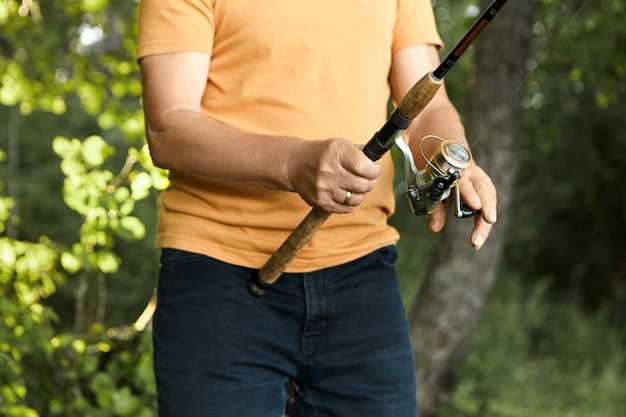
قم بلف الخيط بالتساوي واضبط حمولة مسبقة خفيفة على مقبض الشد بحيث ينزلق الخيط بالكاد عند تحريره، ثم اختبر الرمي بحركة هادئة ومتحكمة.
خطوات الملء: ابدأ بوضع دعامة إذا لزم الأمر، واربط الخيط الرئيسي بالشجرة، واملأ البكرة حتى يستقر الخيط على بعد حوالي 1/8 بوصة من الحافة. حافظ على سطح الخيط مسطحًا عن طريق تدوير البكرة ببطء وتوجيه الخيط بإبهامك. قم بتدوير الخيط على البكرة في اتجاه واحد لتجنب الالتواءات، وإذا كنت تستخدم يدك اليمنى، فإن الإعداد على Baitcaster يستخدم عادةً اليد اليسرى للتغذية بينما تظل القضيب ثابتًا.
استخدام مقبض الشد: بعد الملء، اضبط حمولة مسبقة خفيفة على القرص - ابدأ عند العلامة الأولى أو حوالي ربع لفة من الإحكام. قم بإجراء بعض الرميات التدريبية باستخدام طعم خفيف؛ إذا تجرد الخيط بسرعة كبيرة جدًا، فأضف لمسة من الشد؛ إذا كنت تعاني من ردود فعل عكسية متكررة، فقم بتخفيف الشد قليلاً وأعد الاختبار. حافظ على التحميل المسبق صغيرًا واضبطه على خطوات لتتناسب مع أسلوبك وقصبة الصيد الخاصة بك، ثم انتقل إلى التعديل التالي عندما تكون مرتاحًا.
التحكم الأساسي في الرمي: ابدأ بحركة بندول بسيطة وحركة معصم ثابتة. ضع إبهامك على الخيط لفرملة البكرة عند الإفلات؛ حافظ على الحركة سلسة ويمكن التنبؤ بها بحيث تتحرك الطعوم بسلاسة عبر القوس. ركز على توقف منتظم للخيط بعد الإفلات، ثم ضغط ثابت مع كل رمية للحفاظ على الإحساس والتحكم. إذا لم “يلتقط” إبهامك الخيط بسلاسة، فقلل من سرعة الرمي وتمرن على مسافة أقصر وأكثر تحكمًا حتى تتمكن من تكرار الحركة باستمرار، ثم قم بتمديدها تدريجيًا.
نصائح حول الطُعم والوضع: بالنسبة للطُعم الثقيل مثل المقابس والطعوم الصناعية ذات الحركة المتذبذبة، ستحتاج إلى فرامل أو شد أكثر قليلًا حتى لا يتقشر الخيط بسرعة كبيرة. بالنسبة لأسماك الطعم أو الطعوم الصناعية الخفيفة، خفف القرص قليلًا وامِل نحو حركة أبطأ للحفاظ على دوران المقابس بشكل صحيح خلال عملية السحب. اعمل بإمداد ثابت - لا تسحب بعنف؛ بدلًا من ذلك، دع الطُعم يتتبع حركة طبيعية ثم توقف مؤقتًا لتقييم العضة. عند اختيار نمط للمبتدئين، اجعله بسيطًا: ابدأ بصبة متواضعة وسحب مُحكم، ثم اضبط بناءً على الإحساس الذي تحصل عليه في يدك والظروف المائية التي تواجهها في كل موقف.
التفكيك والفحص: إذا بدت البكرة تدور بإحكام أو لاحظت احتكاكًا بالخيط، فتوقف وتفقد محاذاة البكرة والمرشدات. إذا حدث رد فعل عنيف، فأوقف الرمية، وافتح البكرة، وأعد تجميعها حسب الحاجة. بدلاً من ذلك، قم بتعديل مقبض الشد بزيادات صغيرة وأعد الاختبار. تأكد من أن الخيط يدور بشكل نظيف من البكرة باستخدام أثقل طعم أو طعم دوار تتوقع رميه، وتأكد من أن السحب يثبت بثبات دون انزلاق أثناء اختبار السحب اللطيف. مع الممارسة، يصبح كل تعديل أسرع وستعرف اللحظة التي تشعر فيها أن الإعداد مناسب للرمية التالية.