


 العربية
  English (UK)
  Русский
  日本語
日本語  한국어
한국어  Magyar
  Türkçe
  Español
  Čeština
  Svenska
  Português
  Ελληνικά
  Suomi
Suomi  Nederlands
  Română
  Italiano
  Français
  Polski
  Українська
  Deutsch
  简体中文
简体中文  Slovenčina
  Smooth Sailing This Summer – Essential Boat Safety Tips">

Start with this concrete rule: every person on board must wear USCG-approved life jackets at all times. This simple step reduces drowning risk during boating and keeps you prepared for sudden turns, bumps, or weather changes.
State and local regulations vary, so check the updated following guidelines and the local weather forecast before you sail. In your state, following advisories from local authorities will keep your crew safe.
Keep jackets in a visible, reachable spot at the front of the boat so every passenger can grab one quickly. For such trips, if you shop at a mall for gear, choose white jackets that stand out in spray and help them spot safety gear fast, and make sure they fit snugly.
Provided safety kit on board must include a whistle, a throwable flotation device, and a fire extinguisher. Do quick checks before you push off from home port to confirm nothing slips في place. Keep a spare throw-line ready to drop into the water if needed.
Sun protection is a critical matter on the water: apply sunscreen with SPF 30+ at the start, reapply every two hours, and wear a hat and sunglasses. Keep sunscreen, sunglasses, and a spare bottle around the cabin so guests can grab them quickly.
Smooth Sailing This Summer: Core Boat Safety Tips; Staying Updated on Boating Safety Regulations
Use PFDs (vests) and ensure every person on board wears one before departure, whether you are docked or passing along the shoreline. Keep them within easy reach and inspect for wear; such items save lives in rough seas and provide a quick response when conditions shift. Check they meet current area guidelines and adjust as circumstances change. Ask yourself if each passenger has an appropriate size, so you can respond quickly and maintain a steady stance. Operating along the coastline or on open water becomes more manageable with the right gear. The benefit is faster reaction when conditions shift.
Stay alert to hazardous situations and keep a clear position on the water. Maintain a safe distance to prevent crashes, and use proper vessel operation: slow down, scan ahead, and communicate with other craft to reduce traffic interference and prepare for a maneuver when needed. Carry a reference for navigation aids and keep a charged mobile in a waterproof case. Bring nourishment and water for the trip and know when it’s time to head back to shore. These measures bring reductions by preventing costly incidents, and they help you stay comfortable even under bright sunlight. If something seems off, adjust course immediately. Also, avoid actions that trigger adverse outcomes.
Before any outing, check current guidelines from your regional maritime authority or the appropriate reference. Whether near a busy harbor or a quiet inlet, guidelines vary across regions; always verify the latest standards before you go. Keep a copy of core guidelines aboard and share one with the operator so everyone knows how to act during a passing or emergency. Use the reference to confirm what is allowed and what is not, and stay prepared for changes. Also, know when to call for help and how to contact nearby responders.
| Topic | التفاصيل |
|---|---|
| سترات النجاة والمعدات | Ensure fit; wear on deck; keep nearby; replace worn gear |
| Vessel operation and spacing | Maintain safe distance; slow down; monitor area; plan maneuvers |
| Aids and communication | Keep navigation devices; mobile charged in waterproof case |
| Food and hydration | Pack snacks and water; plan for rest stops and fueling |
Summer Boating Safety: Practical Tips and Regulatory Updates
Always wear jackets on open water and make sure every passenger has a snug, USCG-approved life jacket, which fits snugly on the chest; check straps, test buoyancy, and replace any worn gear. Only use jackets that fit properly and are rated for each passenger, to keep safety simple during activities from swimming to boarding.
Here are the key points: a throwable device must be within reach and passengers must wear life jackets when underway; in many states a certified boating safety course is required for adults, with next renewals tied to vessel registration, ensuring safe operation.
Maintain your engine and battery connections; perform pre-trip checks and review the weather forecast for the lake or other waterways; in hot sun, limit exposure and apply sunscreen to prevent sunburn; bring water and keep hydrated; past incidents show that overconfidence leads to skipped checks, which increases risk over time; every trip requires effort from the crew to stay vigilant.
Experienced skippers keep a compact safety kit on board, including a whistle, flashlight, first-aid supplies, and a fire extinguisher; being prepared helps you handle reduced visibility or a minor medical issue without panic; whenever anchoring, place gear so it won’t pound the deck, and check lines and fenders for wear. Experienced ones know to assign tasks like lookout, coast guard radio check, and anchor watch to keep crew calm.
According to truskett, a simple pre-departure checklist helps reduce last-minute risk: verify jackets and PFDs are accessible, review weather, check bilge and engine, and confirm communications; this approach gives a practical advantage by reducing last-minute scrambles. To take safety seriously, share the checklist with all crew.
Pre-Launch Vessel Check: Inspect Hull, Engine, Fuel, and Bilge
Do a full walk-around and complete the pre-launch checklist before every outing. Equip yourself with a working flashlight and a charged phone, then inspect the hull for visible cracks, gouges, or blisters. Check the front fittings and ensure your jacket is accessible. This prep gives you the best advantage and sure footing to enjoy a safe launch.
Inspect the hull below the waterline and along the deck: look for cracks, chips, or signs of damage. Tug gently at fittings, cleats, and rails to confirm they’re secure. Clear any trash from drain plugs and scuppers, and note white oxidation on metal parts that may need attention. Each check adds confidence before you idle to the ramp.
Engine and fuel: Start by checking the engine oil level; if it’s low, top it up with the recommended grade. Inspect the fuel system for leaks, cracked hoses, and loose clamps; verify fuel is fresh and not contaminated. Confirm the battery is charged and the alternator belt is intact. If you smell fuel or notice dampness in the bilge, postpone the launch.
Bilge and safety gear: Test the bilge pump to ensure it activates when switched on; verify the drainage path is clear. Remove standing water and wipe any spills. Keep safety equipment in an accessible place: PFDs, throwables, and a fire extinguisher in good condition. Make sure the area around the front and bilge is dry, and avoid forgetting any critical items–that could cause harm.
Documentation and readiness: compile your findings, update your boat log, and share the results with another boater. Confirm you have required items on board and that your equipment is in good working order. For kentuckys water, review local rules and ensure you follow them. If you belong to a boater membership, confirm it’s paid and current. This routine reduces risk and keeps boats safe.
Life Jackets: Proper Fit, Quick Access, and Maintenance Schedule
Put on a properly fitted life jacket before leaving the dock and snug the straps. Test the fit by lifting your arms and moving; the jacket should stay in front, not ride up, and the back should remain flat against your spine. For each wearer, verify the correct size within the weight range and ensure you’re wearing the jacket correctly for a comfortable time on deck.
- Fit and wearing – For each person, choose a model in the official weight category, fasten the front, and tighten the side straps until you can’t slip a finger between the jacket and your torso. The garment should sit high on the chest with the bottom edge at the belt line, and the back should stay in its natural position. Check movement in all directions–front, back, and between shoulders–while you stand, sit, and bend.
- Quick access – Keep jackets within easy reach at the front of the boat or on a dedicated hook so you can leave in time when an emergency arises. Use bright, conspicuous colors or white trim to improve visibility, and avoid storing them under seats or behind gear. For auto-inflating models, ensure the canister is accessible and unblocked; for manual ones, confirm the inflator and oral tube are ready to use.
- Maintenance schedule – Inspect each jacket before every trip: look for torn fabric, cracked buckles, stretched straps, and waterlogged foam. Maintain a monthly check for non-inflatable PFDs and follow the manufacturer’s recommended service interval for inflatable models. Keep a simple log: date, condition, any replacements, and the next due date. If you notice wear, replace with another jacket rather than reusing compromised gear; never delay maintenance when conditions go to rough afterward.
- Regulatory and practical notes – Verify the label shows compliance with regulations and that the size, weight rating, and instructions are clear. Having a membership in a local boating club or marina safety program helps you stay current with legal requirements and recommended practices. If youre shopping at a mall or marine store, ensure the model bears a valid safety tag and the staff can confirm the device is current. When operating at night or in low visibility, attach a small, waterproof light to each jacket and keep the lights visible to others. Past incidents confirm that wearing PFDs consistently reduces risk; stay committed to safety every voyage.
On-Water Communication: Use VHF, Bring Backup Devices, and Test Distress Signals
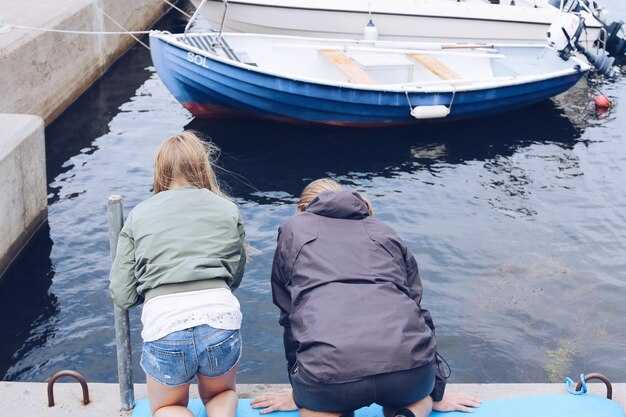
Power up your VHF before getting underway and perform a quick test on channel 16 with a shore contact; youre on the next leg, switch to a backup channel to confirm reception on that course.
Bring backup devices: a waterproof handheld radio, a fully charged spare battery, and a weatherproof phone with offline maps. Store them in a dry bag and wear a life jacket so youre ready if you must move quickly.
اختبر إشارات الاستغاثة: تدرب على نداء استغاثة MAYDAY على جهاز VHF، وتأكد من إرسال تنبيه DSC، وتحقق من ظهور الإحداثيات على الشاشة. حتى على الطرق الداخلية بالقرب من مزرعة، تأكد من أن المستجيبين يمكنهم الوصول إليك دون تأخير.
حدد الأدوار والمهام: عين شخصًا لمراقبة الراديو، وآخر لمراقبة الطقس والأضواء، وثالثًا لإدارة الإشارات اليدوية والتحكم في الحشود. قم بتجميع مصدر موجز للإجراءات على متن السفينة وقم بتحديثه باستمرار.
الأطفال والضحايا: تأكدوا من أن الأطفال يرتدون سترات النجاة في جميع الأوقات، وأبقوا الأيدي بعيدة عن الحبال، وتدربوا على تمارين الاستجابة السريعة حتى تتمكنوا من تحديد موقعهم بسرعة إذا ورد نداء استغاثة. هذا يقلل من خطر الوفاة في أسوأ السيناريوهات الممكنة على الماء.
اللوائح والعرض: اتبع اللوائح المحلية لاستخدام الراديو، واعرض اسم السفينة ورقم الاتصال على الهيكل، وقم بتخزين أرقام الطوارئ في مكان محدد بوضوح. بعد الفحوصات، من المرجح أن تحصل على استجابات في الوقت المناسب من السفن والسلطات القريبة، ويمكنك الرجوع إلى المصدر إذا لزم الأمر.
تخطيط الأحوال الجوية والملاحة: تفقد التوقعات والمد والجزر والطرق الآمنة
تحقق من التوقعات وحالة المد والجزر قبل المغادرة، واختر مسارًا متحفظًا يبقيك بالقرب من الشاطئ حتى تستقر الظروف. هذه الخطوة الاستباقية تحمي من المفاجآت وتعزز خطتك لليوم.
استشر مصادر متعددة للحصول على النصائح: توقعات الأحوال الجوية البحرية الصادرة عن هيئة الأرصاد الجوية الوطنية، وجداول المد والجزر المحلية، وتطبيقات الرياح المباشرة على هاتفك. قارن بين الأوقات واتجاه الرياح وارتفاع الموجة خلال الـ 6 إلى 12 ساعة القادمة لتأكيد مسارك لركوب القوارب.
ارسم مسارين: المسار الرئيسي للمياه المفتوحة على طول الساحل مع عوامات واضحة، ومسار احتياطي آمن على طول الشاطئ عبر الخلجان أو الأنهار. وجود خيارات يساعدك على تجنب تفاقم المخاطر عندما يتغير الطقس وتشتد الرياح.
اعرف المد والجزر والتيارات لقطاع الساحل المفتوح الخاص بك؛ خطط لركوب المياه الأعلى أو الأدنى وتجنب الحواجز الضحلة. تحقق من جداول المد والجزر قبل 12 ساعة على الأقل، ثم أعد التحقق في الظهر، خاصة عندما تبدأ رياح قوية في الاشتداد.
المستلزمات الضرورية: سترات، وأجهزة تعويم، وعوامة للطفو على سطح السفينة، ومعدات الإشارة، ومنارة للطوارئ، ومشاعل. افحص سترات النجاة بحثًا عن التلف، وتأكد من أن التعويم يدعم كل راكب، واحرص على إبقاء العوامة ومعدات الإشارة في متناول اليد.
يجب فحص أجهزة الإشارة والإبقاء عليها في متناول اليد؛ فوجود هاتف مقاوم للماء يعمل بالبطارية يساعدك على طلب المساعدة بسرعة. استخدم قنوات مفتوحة لتنبيه السفن القريبة إذا تدهورت الأحوال؛ احمل جهاز راديو VHF إذا كان متاحًا.
احمِ نفسك من أشعة الشمس بارتداء قبعة ونظارات شمسية؛ وكن متيقظًا لنشاط الأسماك بالقرب من مقدمة القارب، حيث يمكن أن يشير ذلك إلى طُعم أو تيارات متغيرة في الأمام. خفف السرعة في المناطق الضحلة وحافظ على مسافة آمنة من الحياة البرية والقوارب الأخرى.
عند الإبحار في بحيرات كنتاكي أو على طول نهر أوهايو، اتبع قواعد المياه المفتوحة واللوائح المحلية. احترم حدود السرعة المعلنة ومناطق منع إحداث الأمواج، وتحقق من نقاط الوصول الزراعية وقيود الموائل التي قد تؤثر على العمليات الشاطئية.
خطط مسارات تقلل استهلاك الوقود: السرعات الأكثر سلاسة، وتجنب التباطؤ المفرط، وتحقيق تقدم ثابت يوفر المال ويقلل الانبعاثات. قلل من استهلاك الوقود باستهداف أنماط فعالة لرحلتك.
بالإعداد، تحمي نفسك من المفاجآت، وتبقى متأكدًا من موقعك، وتحافظ على راحة وسلامة كل شخص على متن القارب. يساعدك هذا النهج على الاستمتاع بالإبحار دون عناء وثقة.
مواكبة القواعد الحالية: متطلبات الترخيص والمعدات والتسجيل
تأكد من متطلبات الترخيص والتسجيل والمعدات قبل التوجه إلى المياه؛ هذه الخطوة البسيطة توفر الكثير من الوقت وتحافظ على سلامتك في البحيرات والأنهار والمياه الساحلية.
تختلف قواعد الترخيص حسب الموقع. في أماكن كثيرة، يجب على المشغلين إكمال دورة سلامة القوارب المعتمدة لتشغيل الوعاء بشكل قانوني؛ سيتلقون شهادة ويجب عليهم حملها أثناء الفحوصات أو عند إيقافهم من قبل سلطات إنفاذ القانون. إذا كنت تبحر في البحيرات أو المياه الساحلية، تحقق من القواعد الدقيقة لمنطقتك والأوقات التي تخطط للإبحار فيها.
جهز القارب بالكامل: سترة نجاة (PFD) لكل شخص، محفوظة في مكان يسهل الوصول إليه بسرعة؛ أضف جهازًا قابلاً للرمي، وبوقًا أو صافرة، وإشارات استغاثة بصرية مثل الشعلات للاستخدام ليلاً ونهارًا. احزم مصباحًا يدويًا ساطعًا، وبطاريات احتياطية، ومجموعة إسعافات أولية، وحافظة مقاومة للماء للخرائط والرخصة. قم بتخزين المعدات في الخزانة الأمامية أو تحت المقاعد حتى لا تتدافع في البحار الهائجة. احمِ بشرتك من أشعة الشمس باستخدام واقي الشمس والقبعات والملابس الخفيفة؛ أحضر كمية كافية من الماء للحفاظ على رطوبتك في الرحلات الطويلة. تأكد أيضًا من أن معداتك المائية جاهزة للاستخدام وأن فحوصات انتهاء الصلاحية تتم قبل الإطلاق.
عين مراقبًا لمسح المياه أمامك ومراقبة القوارب والمخاطر المحتملة؛ وأبقِ الناس بعيدًا عن طريقك أثناء الإبحار وركز على التشغيل الآمن. حافظ على سطح السفينة خاليًا حتى تبقى يداك حرتين للتوجيه والفحص؛ وراقب تحديثات الرياح والطقس وكن مستعدًا لضبط السرعة أو الذهاب إلى منطقة محمية إذا ساءت الأحوال الجوية. إذا سقط شخص ما في الماء، فاحتفظ بحبل إنقاذ وراقب منطقة سباحة آمنة؛ واحتفظ بخطة تحمي جميع من على متن السفينة وتتجنب الذعر.
عرض أرقام التسجيل على هيكل القارب والإبقاء على الملصقات محدَّثة؛ وحمل ما يثبت التسجيل في حافظة مقاومة للماء على متن القارب. إجراء فحوصات ما قبل الرحلة وتجديد التسجيلات حسب الحاجة؛ وفي حالة التأخير في التحديث أو حدوث تغيير في الملكية، يجب تحديث السجلات لاحقًا للامتثال.
مع التراخيص سارية المفعول والمعدات المناسبة والتسجيلات الحديثة، ستنعم بيوم أكثر أمانًا وسلاسة في الماء وتتجنب التوتر عندما يتغير اتجاه الرياح أو يحدث خطأ ما. كن متيقظًا واستبق الأحداث وستبقى مغامرتك في الإبحار على المسار الصحيح.