


 العربية
  English (UK)
  Русский
  日本語
日本語  한국어
한국어  Magyar
  Türkçe
  Español
  Čeština
  Svenska
  Português
  Ελληνικά
  Suomi
Suomi  Nederlands
  Română
  Italiano
  Français
  Polski
  Українська
  Deutsch
  简体中文
简体中文  Slovenčina
 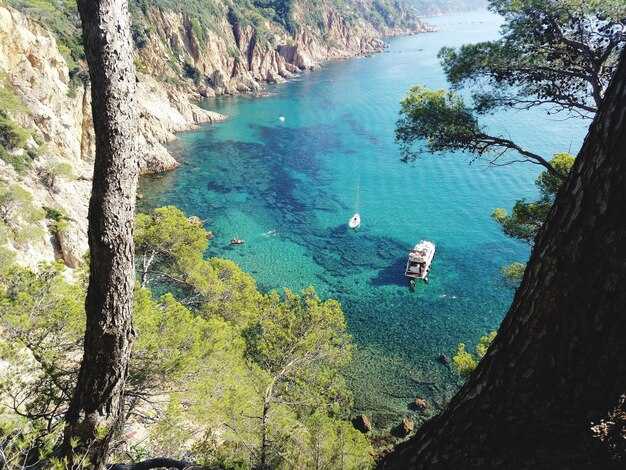 Sailing the Enchanting Waters – The Allure of Greece and Italy’s Islands">

Set sail in late May for calm seas, mild winds, and authentic island life. This timing keeps your routes between sheltered coves and village harbors, letting you sample tavernas and fresh produce without the summer crowds.
In Greece and Italy, the whole appeal rests on accessible anchorages and welcoming shores. One morning the engines stopped and the day slowed; locals called out to share a recipe or a shortcut to a favored beach, another reminder of true hospitality. Along the Cyclades, mornings feel island-centric, with flipped light over white-washed villages and a rhythm that invites you to stroll through giardini and herb-scented courtyards. In Greek harbors you’ll feel a festival buzz on weekends, and you couldnt pass by a family-run tavern that serves fresh fish and a slice of pizza, a reminder that life here moves with the tide and not with clocks. Each island has its own character. Whether you favor lazy swims or lively quay chatter, these sails connect you to sheltered coves and scenic stoops where conversations drift as easily as sails.
Practical routing: Short hops between neighboring islands keep spirits high. In the Cyclades, day sails typically run 20–30 nautical miles, allowing you to anchor by lunch and explore a hillside village before sundown. The Aeolian Islands–Lipari, Vulcano, and Salina–offer reliable sheltered harbors for nightly stops, with volcanic silhouettes forming dramatic backdrops for photos. Creating a flexible plan, you can swap days based on wind and mood, and lead your crew toward hidden coves rather than the next waypoint.
Whether you chase a hillside village or a sun-warmed quay, Greece and Italy deliver a rhythm of markets, festivals, and simple meals. In the morning you can pick tomatoes at a stall, in the afternoon savor fresh seafood with a pizza slice, and in the evening walk past white houses where friendly locals tell stories beside a sheltered harbor. Preserving the best moments becomes easy when you book a couple of flexible nights in each destination and let the wind steer your route rather than a fixed plan.
Another approach is to extend your stay across both countries, letting the winds lead you toward a new island every few days. The whole ride becomes a mosaic of harbors, hillside villages, and mirrored seas, and you’ll find yourself creating memories that friends will ask you to retell at gatherings. When you finally dock away, you’ll carry a simple rule: keep flexibility, seek hospitality, and let the sea call you back for another voyage.
Sailing the Enchanting Waters: Greece and Italy Islands – Our Mediterranean Sea Adventure Pt 4
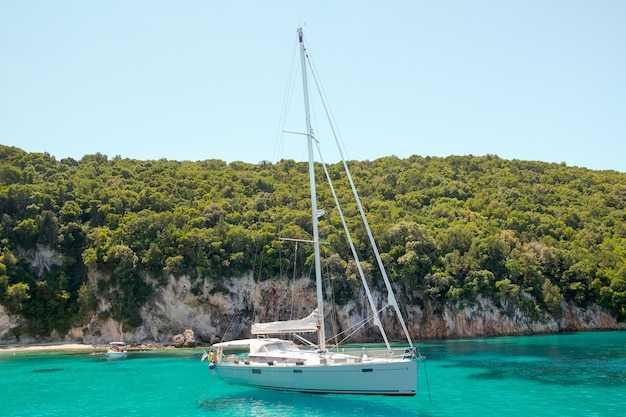
Starting with a sheltered leg toward lasithi coast keeps the crew comfortable as you enter the mediterranean. Book a berth at a port with a nearby boatyard to prep sails and inspect rigging before the next crossing.
Many routes along the mainland and the archipelago offer safer approaches when the sea is rough; respect the architecture of harbor walls and channel markers to avoid chaos in this area.
Be ready for unexpected and unexpectedly calm moments; if rain arrives, seek shelter in a lee cove and prepare to drop sails if gusts rise.
Next, choose legs that are challenging yet achievable: 20 to 30 nautical miles, starting from lasithi area, then moving to nearby ports and sheltered harbors where crowds werent dense.
For instance, a loop along the mediterranean from lasithi to a sheltered Italian island and back keeps the pace steady, lets you compare earth-toned villages with bright harbor fronts, and gives many opportunities for stories.
Then prepare for the bigger dares: if you caught a cold night or heavy rain, adjust to a sheltered cove and reset the sails; the boatyard can help if you need to replace a line.
Finally, after each stop in the med seabed, you come away with a handful of stories of al fresco dinners and steep cliffs and sea air, and you will feel the mediterranean glow linger as you approach the mainland and then the Italian islands.
Day 1–2026-10-03 Ravenna to Venice Departure at 5:00 PM: Greece & Italian Island Focus
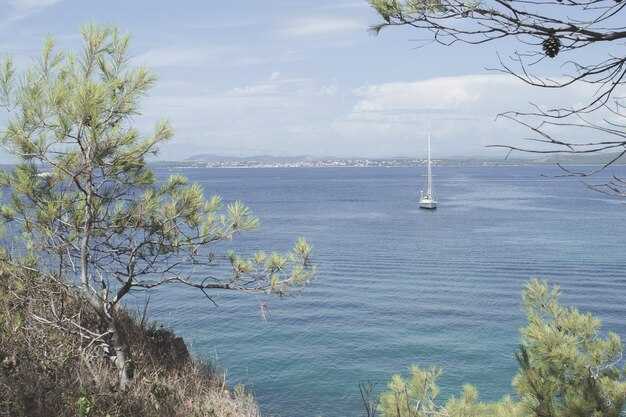
Depart Ravenna at 5:00 PM with a Greece & Italian island focus in mind, and include ereikoussa and despotiko as prime references. The first move keeps the left-hand edge toward shore, catching the wave as the hull glides. Within the first hours, the crew keeps a steady hand on the wheel and eyes on the horizon, the calm between coastlines inviting. The plan includes stops at ruins and caves along minor islets, with birds wheeling overhead for a natural rhythm.
Expect gusts and rough seas; storms may form, requiring a calculated reef and hoisted sail adjustments. greg notes the wind shifts and calls for a conservative reef; however, the crew keeps momentum with steady watch and short relief breaks. The movement stays smooth as the vessel respects the sea’s rhythm, even when the wind gusts and the deck slicks from spray.
From ereikoussa to vroulias, the itinerary spotlights archaeological and natural sites: ruins perched above caves, where despotiko’s ghostly presence lingers in the stones. These sites explored by seasoned crews reveal the power of dry walls and wind-driven crevices. The team explores within protected coves, and every anchor spot reveals a different mood: spooky at dusk, or calm when the sun climbs. The islands are located off major routes, yet easy to reach for a quick exploration, with hours spent strolling ruins and peering into caves.
Arrive Venice late with the harbor lights guiding the approach. The plan includes a local market stop for provisions, smooth euro exchanges, and a final glide along the channel. It wasnt a straight line; wind and gusts nudged the route toward sheltered bays and backshore coves, yet the crew kept the timetable on track and the mood buoyant, with relief when arriving close to dark.
| Time | Activity | الملاحظات |
|---|---|---|
| 18:00 | Depart Ravenna | Greece & Italian island focus |
| 22:30 | Pass Ereikoussa zone | Birds overhead, wind picking up |
| 02:00 | Move toward Despotiko & Vroulias | Storm watch; rough seas |
| Hours 6-7 | Approach Venice | Dock window, calm expected |
Prepare Travel Documents and Health Checks for Ravenna–Venice
First, verify your passport validity for at least six months from entry and print copies of key documents. This simple step keeps you moving when gates open or close on the Ravenna–Venice leg.
kagio tip: store a full set of originals separate from digital backups and place one copy above your main bag. This activity has helped many travelers avoid delays at security and border checks.
-
Documents and IDs: Carry your passport or EU ID, any required visa, and copies of the data page. Ensure the passport validity is six months or more; have EHIC or international insurance details handy. Keep a full set in an outer pocket and another in a secure bag above your primary documents.
-
Tickets and confirmations: Bring paid reservations for ferries, trains, hotels, and activities. Save confirmations offline on your phone and as paper copies; this wave of data helps you navigate queues and avoid missed departures.
-
Medications and health records: Prepare a five-item kit: medication list with dosages, prescriptions, a doctor’s note for devices, allergy info, and emergency contacts. Include vaccination certificates if required and carry a short medical history in English or Italian for local clinics.
-
Health checks and vaccines: Check recommended vaccines with a clinician for Italy and transit regions. Bring vaccination cards, prescriptions, and any device letters; timely checks help you breeze through screening instead of dropping into long lines.
-
Local rules and emergency plan: Confirm border and entry rules for Italy and the Ravenna–Venice segment; have travel insurance offers and emergency contacts ready. Richtis recommendations emphasize walking routes around walls and church facades; know where to seek care during rain or storms, and keep a plan for itinerary changes. When evening markets crackling with festivities meet starry skies, you come back to your hotel thrilled and ready to continue holidays.
Walking Ravenna’s archaeological sites and the lagoon’s edge prepares you for whatever comes next, with a full set of documents and checks helping holidays proceed smoothly, rain or shine.
Boarding Steps, Luggage, and Onboard Orientation Before Departure
Pack light and use a bag you can roll to speed boarding along winding gangways. Arrange your passport, cruise confirmation, and a compact daypack for shore visits; you should always have these documents ready at the pier. Confirm check-in times with your operator, and keep your boarding card handy at the desk. When you reach the deck, you’ll feel land beneath your feet and the horizon opening up, a timeless start to your voyage.
Bag strategy: a single checked bag up to 20–23 kg and a cabin bag of 7–10 kg is typical; verify with your operator. Label everything, use a sturdy tag, and keep valuables in your carry-on inside a zipped pouch. Pack a light change of clothes, a compact towel for quick swims near porto or peloponnese shores, sunscreen, and a small rain shell. For astakos shore days, bring walking shoes for perched villages and a swimsuit for harbor dips.
Onboard orientation: the crew runs a brief safety briefing, showing muster points, life jackets, and how to access maps and deck facilities. Note your cabin location, dining times, restrooms, and shaded spots for hot afternoons. The orientation helps both first-time sailors and their returning friends feel confident as you set sail. If the sun is strong, head to a covered deck area to stay shaded. Though seas may be calm, the undeniable rhythm of the water invites slow, mindful walking on the outer decks.
Before departure, expect calls at astakos and porto; guides point to perched coves, winding paths, and lovely landscapes along the coast. The scenery reveals better views with each hour; though seas roll, you stay steady by gripping rails and following the safety briefing. A kleftiko tasting may appear on deck, its aroma carrying a touch of magic. Some legends say that sailors died alongside their friends, a reminder to respect rocky shores and back away from unstable ledges.
Key Ports: Enchanting Greece, Sicily, Malta on the 7-Night Cruise
Depart from Piraeus early to maximize Athens’ highlights before the first sea day, and set a perfect tone for the voyage that follows along the Aegean coast.
In Greece, these stops unfold as a tapestry of ancient sites and coastal glamour. Piraeus serves as the gateway to Athens, where the Acropolis crowns the skyline and the Agora hums with modern life. From there you reach Mykonos for narrow, sun-washed alleys and a fortress-like waterfront, and Santorini for caldera views that blaze at sunset. Crete’s Heraklion invites Knossos and Venetian fortifications, with a salt-free breeze at the portside tavern. These days offer sight moments and theater-like panoramas, and Greg helps steer a compact schedule to keep you on track while you sample olive oil and local sweets. The Vroulias family bookends the day with a friendly stop at a harbor cafe, making conversations as memorable as the views.
Sicily brings a mix of Baroque grandeur and volcanic energy. In Palermo, you explore the Quattro Canti, the Palatine Chapel, and the cathedral while strolling the historic markets. A 4-hour option to Catania pivots on Etna shadows–crater views and lava-gray terrain that feel otherworldly. If you reach Taormina or Messina, you find ancient theatres and sunlit sea vistas that pair nicely with citrus gelato. These port calls vary in sizes of streets and distances, but the payoff remains constant: adventures and visibility that open your day to new colors. Book a small-group tour to optimize time, so you have enough room for a quick dip and a final photo of the atlantis horizon during the last day.
Malta delivers a fortress-fronted skyline and a harbor that invites a calm walk along the Grand Harbour. Valletta’s St. John’s Co-Cathedral and Upper Barrakka Gardens offer crisp visibility across the water, while the Grand Harbour reveals a theater of light as ships glide by. Mdina’s narrow lanes offer a different pace, and a boat ride to the Blue Grotto adds a splash of color with an easy wave. The island’s ancient temples carry an oracle-like vibe that whispers of civilizations long preserved. Tuula buys a glass ornament from a market stall, and greg chips in with a discount on Maltese crafts, a reminder that glamour and memory often come together in small keepsakes. tuula smiles at the memory later, noting the day’s warmth and the group’s laughter.
Practical tips ensure you squeeze the most from every stop. Depart after port time to catch the best light, and pair ship days with two or three down-time options to avoid rush. Focus on one centerpiece sight per port, then leave room for spontaneous discoveries; these decisions make things feel perfect. For tricky weather or crowd days, choose sheltered viewpoints, shorter walks, and flexible tour options. To deepen the experience, seek guides familiar with local lanes or family-run stalls–the Vroulias and Tuula families–and you’ll discover stories that preserve culture, while the sea’s rhythm keeps you hopeful for more adventures on the return leg.
Packing for a Mediterranean Cruise: Essentials by Island
Pack a compact, waterproof daypack you depart with on the first shore excursion, plus a slim carry-on for ferry transfers. Have everything in one place so you can grab it fast and avoid waiting on the gangway.
Layer quick-dry fabrics: breathable tees, a light fleece, and a windbreaker for gusting breezes at sea. Include one dressy option for theater nights ashore and a compact scarf for cooler evenings at high altitudes on lasithi plateau; this kit helps you stay truly comfortable in tranquil harbors.
Bring sturdy sandals with a back strap and lightweight sneakers for wandering village lanes and rocky coves on milos or sardinia. For sites with fortress towns, choose ankle-supporting footwear and pack a small first-aid kit; the rugged paths demand attention throughout the day.
In kagio, wandering through the village, you have them opportunities: fresh agriculture produce, olive oil, and handmade ceramics. Have a foldable tote ready for purchases and take what you wanted, then stash it securely until you reach the ship.
Pack tech smart: a small power bank, a universal adapter, and a finnish-made dry bag for electronics. For seasides and day trips, bring a compact snorkeling mask if you plan to dabble in coves; catching the sea breeze, store valuables in the dry bag throughout the cruise in saronic, milos, sardinia routes. Know the direction of each port’s exit to stay on schedule.
Shore Time Strategy: Guided Tours vs Free Exploration on Day 1
Guided shore tours on Day 1 head straight to Milos’ center and its volcanic coastline, delivering relief from planning and ensuring you reach the destination highlights on schedule. Start at the Adamas harbor, then visit the ancient lanes of Plaka and the Sarakiniko coast, where crystal waters meet stark white rock. Your guide explains the island’s geology and points out spots you would otherwise miss, turning a potential scramble into a calm, well-paced sequence.
For a free exploration option, set a clear plan: pin Milos’ western coastline as your hiking route, then stroll the harbors to watch sunsets. A 2–3 hour hike along the volcanic shore yields dramatic views, after which you can drop to a cafe near the harbor and watch boats come and go. Reached viewpoints give you direct glimpses of the Aegean, and you can head back to the deck to enjoy the breeze and the quiet lights of the harbor.
Both paths fit different moods. Taking a guided segment first lets you cover core sights quickly, then taking free time gives you latitude to linger at a favorite spot, whether near the center or along a quiet harbor. Again, you can adjust to wind and light, choosing a second activity or simply relaxing on the deck as you head toward Rion-Antirion crossing to the next destination. Milos is just one stop in the Aegean arc, with its crystal coves and ancient ruins offering relief after time on deck.