


 العربية
  English (UK)
  Русский
  日本語
日本語  한국어
한국어  Magyar
  Türkçe
  Español
  Čeština
  Svenska
  Português
  Ελληνικά
  Suomi
Suomi  Nederlands
  Română
  Italiano
  Français
  Polski
  Українська
  Deutsch
  简体中文
简体中文  Slovenčina
 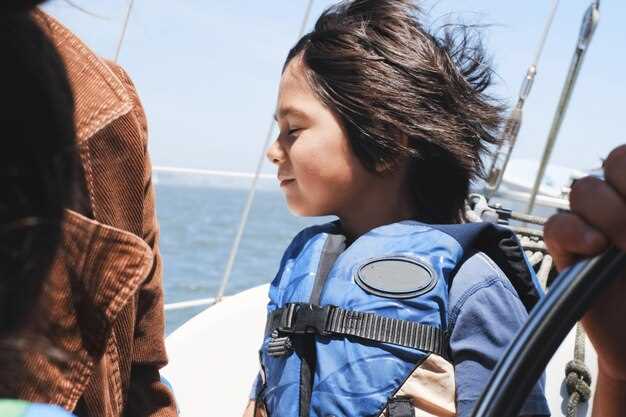 Sailing Safety Made Simple – Gear, Skills, and Smart Tips">

Start with a pre-departure plan: verify fuel levels; check life jackets on every crew member; review weather brief; confirm VHF radio channel. This quick routine reduces danger in stormy conditions; it sets a clear course for everyone aboard today; what matters is reproducible checks.
In practice, keep the board prepared with a simple layout: a waypoint map; a fuel plan; a spare paddle; a portable radio; a compact first-aid kit. The obvious choice is to keep the essentials visible near the helm; youve laid the groundwork, the crew moves with more confidence. rules guide behavior; seafarers in local fleets rely on documented practices to reduce danger.
When storms loom near, adjust the course to a stable track; avoid abrupt maneuvers; maintain a steady sail plan; this small adjustment makes a great difference in handling waves. Practice drills cover five typical situations: near shore; offshore; crowded harbor; low visibility; calm inland waters. These drills constitute a practical offering for crews today; they reinforce practices that reduce danger for everyone on board, including seafarers from local fleets.
At night, maintain running lights; keep a signaling flashlight near the helm; consider a basic LED indicator to show readiness to move. Today, seafaring teams stay alert; local routines shape safer choices for every voyage. Focus on three core practices: pre-departure review, in-the-moment risk checks, post-return debrief; this approach yields a measurable difference for everyone aboard.
Practical Safety Plan for Gear, Skills, and Alcohol-Aware Boating
Institute a zero-alcohol policy on board; operate only under clear-headed conditions; appoint a sober navigator to take the helm during docking; during turns; during maneuvers.
Before departure, verify clothing suitable for season; confirm gear availability; if something is missing, borrow from local community at the dock; youve borrowed gear before; inspect mast, propellers, steering lines, docking lines; check lights for night use; confirm rafts, life jackets are within reach; ensure shoes with grip, non-slip soles; test docking lines for wear; store a quick reference checklist to speed decisions.
Seasoned skippers treat each voyage as risk assessment; assess whatever forecast; identify danger sources; take action to reduce risk; learn from prior experiences; navigate into waters with care; practice navigation under real conditions.
Alcohol policy: limit crew drinks during cruising; no beverages during maneuvering; designate a sober lookout to monitor compliance. This applies to vessel.
Use a published checklist; run through each action before departure; verify coverage for weather information; ensure local knowledge is up to date.
Keep the plan concise; maintain a great piece of information in a shared log; pass on lessons to the local community; use this as a tool for crew training.
| Aspect | Action | Done |
|---|---|---|
| clothing, shoes | Layer for season; choose non-slip shoes; reserve spare socks | No |
| gear, rafts, life jackets | Verify condition; replace worn items; keep within reach | No |
| mast, propellers | Inspect for damage; secure during haul-out; avoid entanglement | No |
| lights | Test all lights; replace bulbs; carry spare batteries | No |
| policy, alcohol | Post zero-alcohol rule; designate sober operator | No |
| navigation, information | Carry charts; practice with compass; offline tablets; weather coverage | No |
| docking, long voyage | Plan approach; use fenders; communicate cues | No |
| local, community | Consult local harbor resources; borrow gear if needed; obtain updates | No |
PFDs and Gear Fit: How to select, size, and verify proper fit for all aboard
Begin with a USCG-approved PFD for each person aboard; choose sizes by weight and chest measurement; verify the label’s recommended range; test fit by lifting shoulders to ensure the vest stays centered; there should be two fingers of space under the chin strap; ensure buckles secure firmly.
Second, run a step-by-step sizing routine for everyone aboard; tighten shoulder straps; close side straps; verify what coverage means from chin to sternum; test mobility by reaching for a handheld VHF or line; ensure the PFD remains secure in running seas.
Storage, maintenance, checks: place PFDs in a central, accessible location aboard; inspect monthly for tears, worn straps, buoyancy loss; compare to time-of-purchase label; replace if foam feels compressed; avoid leaving PFDs in sunlit compartments; sun damage degrades flotation; Often-overlooked sun exposure contributes to failure.
Other safety gear: extinguishers, handheld flares, first-aid kit near PFD storage; inspect extinguishers monthly; recharge after use; keep spare batteries for handheld devices; check pressure gauge.
Seasoned sailors know maritime environments require preparedness; weather shifts quickly, stormy conditions appear on the seas; boating contexts demand buoyant confidence; select PFDs with appropriate buoyancy for rough water; for swells, choose models with fuller torso coverage; run a quick on-deck test before leaving harbor.
Practice routines for all aboard: the second check occurs when divers or guests join; engage with crew as you dress each person; skipping no step; verify each PFD’s position before move goes underway; rehearsals reduce panic during emergencies.
Provisions and spend: allocate minimal time for prep; keep a small stock of provisions near the helm; budget for a quick inventory of PFDs, extinguishers; handheld devices; this practice enables smoother transitions during busy passages; something you can do in under five minutes on a calm afternoon.
Vessel sizing and adjustments: for boats smaller than 20 feet, ensure compact PFDs with sufficient reach; for larger vessels, consider auto-inflating models for quick response; run these checks with the crew, so everyone learns what to do when running weather shifts.
Engage others aboard with a simple checklist near the helm; include a quick visual; a second fit check before each voyage; keep extinguishers, first-aid kit, and handheld devices reachable.
Pre-Sail Gear Checklist: Inspecting flares, lights, anchors, and communication gear
Take a quick, item-by-item check of flares (fires), navigation lights, anchor chain with rode; radio gear, too, before departure. In this moment, perform checks quickly to confirm readiness for offshore winds.
Flares check: verify expiry dates, intact seals, case free from dents; class label legible; rotate stock to keep within 24 months; prepare replacements for offshore operations; expired items can drastically increase risk during a moment of action.
Lights check: test navigation lights–masthead, port, starboard, stern; confirm brightness, verify waterproof seals; carry spare bulbs or LED modules; verify battery health; keep backup power source in a weatherproof bag; test range using a portable tester.
Anchor system inspection: inspect chain for wear; verify shackles secure; examine rode for kinks; verify anchor alignment; ensure length equals 7–10x water depth offshore.
Radio gear check: confirm battery life; test transmit receive on VHF channel 16; preprogram emergency channels; ensure a backup radio; verify antenna connections; pack spare batteries; test range from deck to shore.
Backup system provisions: preserve spare signaling device; carry extra rope; maintain formal log of checks.
Beginners benefit from a step-by-step routine; team training lifts preparedness; they learn to flag discrepancies quickly.
Aspect of vessel readiness: keep decks clear; sails properly secured; weather considerations noted; store all gear in designated bins; in maritime waters, this practice reduces clutter.
تُظهر الإحصائيات انخفاضًا كبيرًا في أعطال المعدات عند توثيق الفحوصات؛ مما يخلق خط أساس مثاليًا للاستعداد؛ تتبع تواريخ انتهاء الصلاحية؛ وجدولة عمليات الاستبدال.
بروتوكول خطوة بخطوة: قم بتعيين عضو فريق لكل عنصر؛ أكمل عمليات الفحص خلال 20 دقيقة؛ سجل النتائج في سجل رسمي؛ راجع شهريًا لزيادة الموثوقية.
مهارات أساسية في المناورة: التوجيه، تعديل الشراع، أساسيات إنقاذ شخص سقط في الماء
حافظ على ثبات الدفة؛ وعينيك إلى الأمام؛ وثبّت مسارًا آمنًا، ثم عدّل الشراع لموازنة القوة.
توجيه المعرفة لتحريك التحركات في الوقت الفعلي؛ حكم ثانية بثانية؛ خذ لحظة لتأكيد علامات القناة، والعوامات، وإشارات المنارات؛ تعلم الطرق الحقيقية للإبحار بعيدًا عن حطام؛ البيانات الدقيقة تدعم الاختيار.
أساسيات حالة السقوط من القارب: الصراخ "سقط شخص في الماء"؛ نشر جهاز طفو؛ رمي حبل؛ إبقاء الشخص في مرمى البصر؛ شرح طريقة الدوران للعودة الآمنة؛ التوجه عكس اتجاه الريح حتى يتمكن الطاقم من تأمين الشخص.
يحفز السياق البحري الابتكارات؛ تتطور التطورات عبر الإلكترونيات والأجهزة والمنارات؛ يعتمد اختيار المسار على بيانات دقيقة للتنقل بأمان أثناء حدث حرج.
تعزز التدريبات السلوك؛ وعند وقوع أحداث غير متوقعة، يظهر الحكم الحقيقي؛ وأخيرًا، راجع المعرفة المكتسبة، واشرح خيارات الاختيار؛ يشارك أطفال زيلاند في عمليات محاكاة آمنة.
الوعي البيئي: قراءة الرياح، وحالة البحر، والتنبؤات الجوية، وحركة المرور

ابدأ بقراءة سريعة للرياح من مصدرين الآن: مؤشرات العلم على الصاري الأمامي؛ وأحدث توقعات على هاتفك؛ إذا كانت القراءات متباينة، اضبط المسار فورًا. يوفر هذا الفحص السريع إجابة عما إذا كان يجب دفع الأشرعة للخلف أو تغيير السرعة.
- أساسيات قراءة الرياح: حدد الاتجاه بالنسبة لمسارك؛ سجل السرعة بالعقدة؛ لاحظ الهبات والتحولات؛ سجلها لاتخاذ قرارات سريعة؛ فحوصات شائعة قبل المناورة.
- تقييم حالة البحر: تقدير ارتفاع الموجة؛ الفترة؛ مقارنة بمقياس بوفورت (من 0 هادئ إلى 6 خشن)؛ في حالة ارتفاع المستويات، خفف السرعة؛ احتفظ بالحذاء لضمان الثبات أثناء حركة سطح السفينة؛ تجنب التعرض غير الضروري للحواجز.
- معرفة التنبؤات الجوية: الرجوع إلى تنبؤين جويين على الأقل لفترة زمنية تتراوح بين 12 و 24 ساعة؛ البحث عن اتجاهات الرياح والأمطار والعواصف؛ توفر النماذج المحسنة تحديثات الطاقة؛ الاعتماد على التنبيهات لاستباق التغييرات؛ تتمثل السياسة في مراجعة التوقعات على فترات منتظمة.
- الوعي المروري: تفحص إشارات نظام التعريف الآلي (AIS)؛ راقب اليخوت والعبّارات والسفن الآلية القريبة؛ حافظ على مسافة آمنة ومفتوحة؛ معرفة أنماط عبور كل سفينة يساعد في التخطيط للتغييرات بسرعة؛ تدرب على بروتوكولات المواجهة أو التجاوز.
- التموينات وأجهزة السلامة: تفقد طوافات النجاة، والعوامات، وسترات النجاة، وأكياس الرمي؛ وتأكد من معرفة مواقعها؛ وحافظ على التموينات جافة؛ وثبت المعدات لتجنب خطر قطع الحبال؛ وجهز معدات الإنقاذ في حالة السقوط في البحر.
- التواصل والإشارات: قراءة الإشارات الواضحة من القوارب الأخرى؛ استخدام مكالمات VHF لأولوية المرور؛ الاستجابة بسرعة للصفارات؛ تنبيهات البوق؛ الحفاظ على الإشارات مرئية في ضوء النهار، والإضاءة المنخفضة.
- التدريب والمناورات: الالتزام بالممارسات المنتظمة؛ لقد قمت بمناورات MOB؛ حافظ على قائمة تحقق شخصية بسيطة لتتبعها؛ لا تتخطى الفحوصات إلا عندما يكون الطقس هادئًا وواضحًا في التوقعات.
- مبتدئون مقابل بحارة متمرسين: المبتدئون يستعيرون قوائم المراجعة من الموجهين؛ البحارة المتمرسون يصقلون مستويات اليقظة؛ مع الخبرة، يتحسن وقت رد الفعل؛ أنت تغطي مساحة أكبر بسرعة قبل العواصف.
- التوعية بالمخاطر: خطة استعادة شخص سقط في البحر إلزامية؛ الجميع يعرف دوره؛ تدريبات السقوط في البحر الوا.
- جاهزية المياه المفتوحة: تتطلب الأسطح المكشوفة سياسة للأحذية؛ حافظ على ربط الأحذية؛ تجنب المعدات السائبة؛ حافظ على هدوئك؛ اتخاذ قرارات أسرع؛ البقاء في بحار هادئة يساعد على الملاحة.
الكحول والإبحار: القوانين، وتأثيرات ضعف الكحول على الحكم، والحدود الآمنة
لا تقم بتشغيل سفينة بعد شرب الكحول؛ عيّن رباناً رصيناً؛ ابدأ بقائمة فحص ما قبل المغادرة. تختلف القوانين حسب المنطقة؛ في معظم الولايات القضائية، يعتبر توجيه سفينة بتركيز كحول في الدم (BAC) بنسبة 0.08 بالمائة أو أعلى أمرًا غير قانوني؛ يواجه المشغلون التجاريون نسبة 0.04 بالمائة أو أقل؛ تشمل العقوبات الغرامات وتعليق الترخيص والسجن؛ تحقق دائمًا من المصدر بالإضافة إلى الإحصاءات الحالية من القنوات الرسمية.
يظهر الضعف في الحكم؛ وينخفض تقييم المخاطر؛ ويتباطأ وقت رد الفعل؛ ويضيق مجال الرؤية؛ ويتدهور إدراك العمق؛ وتزيد هذه التغيرات من خطر الانقلابات بالقرب من العوامات، والظروف العاصفة؛ وأثناء معالجة الخرائط باستخدام الراسمة.
ضع الحدود في الاعتبار؛ اعمل برصانة فقط؛ الطاقم يرتدي سترات النجاة؛ سترة نجاة متاحة؛ ابدأ كل رحلة بقائمة فحص ما قبل المغادرة؛ تحقق من مواقع العوامات؛ راقب التحذيرات الجوية عبر الراديو؛ أكد مسار الراسمة؛ قدّر الأميال إلى الميناء الآمن؛ راجع المصدر.
إن التقدم في تكنولوجيا الملاحة البحرية يوفر الدعم دون الاستغناء عن ربانٍ متزن؛ إذ يوفر راسِم الخرائط والرادار ونظام التعرف الآلي (AIS) وراديو VHF معلوماتٍ آنية للطاقم؛ وتؤكد المواد التوجيهية النيوزيلندية على الوعي بالمخاطر؛ ومعرفة القواعد المحلية تُقلل المخاطر بسرعة؛ واستخدم الأجهزة التي تُمكّن من اتخاذ قرارات آمنة.
تُظهر الإحصائيات من نيوزيلندا وغيرها من الولايات القضائية تورط القيادة تحت تأثير الكحول في الوفيات؛ ويشير مصدر إلى أن الخطر يرتفع مع مستويات الكحول؛ والخلاصة هي المسؤولية. إذا حدث خطأ ما، استقل سيارة أجرة أو استعر وسيلة نقل؛ وإذا كنت على متن قارب، فابدأ بقائد معين؛ وجهز سترات وأطواق النجاة؛ واحتفظ بجهاز لاسلكي على متن القارب؛ وخطط لأميال من الإبحار الآمن باستخدام العوامات وقنوات الراسمة للحصول على المعلومات.