


 العربية
  English (UK)
  Русский
  日本語
日本語  한국어
한국어  Magyar
  Türkçe
  Español
  Čeština
  Svenska
  Português
  Ελληνικά
  Suomi
Suomi  Nederlands
  Română
  Italiano
  Français
  Polski
  Українська
  Deutsch
  简体中文
简体中文  Slovenčina
  Practical Boat Owner – Maintenance, Safety Tips, and Buying Guide">

Begin with a practical rule: run a 15-minute pre-launch check and log the plan for the day. Open the chart, mark the intended course, and set a clear direction. While you are glancing at the forecast, note the likely wind shifts and the time you should head back. Start by checking safety gear: four life jackets, a throwable, a horn, and a first-aid kit; place them where they are easy to grab. If something looks off, fix it before you splash–an organised start saves time later and supports your passion for safe boating.
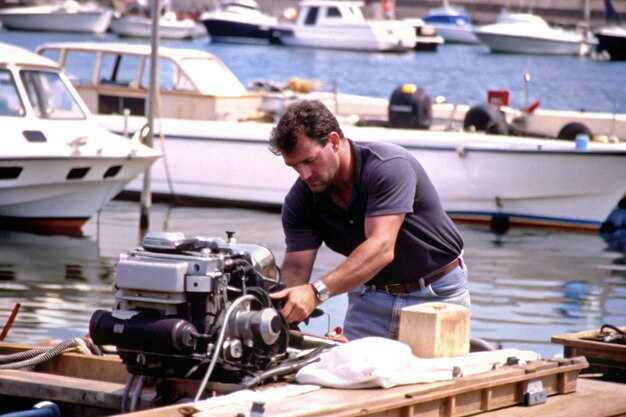
Maintain the engine, electricals, and hull. Do mechanical checks: inspect hoses for cracks, tighten clamps, perform the oil change on schedule, test the battery load, and replace as needed. Keep a scoop ready in the bilge to remove any water quickly. Clean the deck and non-skid to remove sand and salt; a quick rinse from bow to stern helps prevent corrosion. Create a simple maintenance plan and practise it monthly. Document service intervals and parts so you can manage next steps with clear data. For a small craft, plan four tasks per session: check fuel, check oil, inspect the prop shaft and stern gear, and test the bilge pump. This helps you spot apparent wear and avoid surprises on the water.
Stay safe on the water with practical steps you can trust: anchor ready with a proper rode and backup line; know depth and seabed type for selecting the right anchor and setting it, especially in mud or sand. Before leaving, verify flotation and signaling gear–PFDs sized for all passengers, a throwable cushion, and a waterproof VHF. Learn a calm way to react to a sudden wind shift: point your bow into the wave, ease the sheets or throttles, and keep a steady direction to maintain control. If you have a crew, whoever steers should keep hands on the wheel and eyes on the chart. Develop your skill through regular drills, like MOB protocols and emergency stops, so you can respond quickly. Maintain clear shelter options by choosing routes that offer offshore or marina protection if gusts rise. Practice a quick test of the bilge pump and sea-sickness precautions so you stay focused when things feel tense. Your methodical approach makes it easier for them and any guests aboard to feel safe.
When you plan to buy, align the choice with your planning goals and the skill level of the crew. A modest, well-kept used boat often beats a flashy purchase; check for soft decks, cracks, and soft spots in the deck in sand where moisture collects. For boats with outboards, examine the lower unit for gear oil leaks and inspect the prop for dings. For sailboats, inspect rigging, sails, and attachment points, and verify spar alignment. In a sea trial, run at moderate throttle for at least 20 minutes, test steering response, and observe how the hull handles chop. If you note a likely need for cosmetic or structural work, price accordingly and plan for the repair backlog. Bring a scoop to skim water during the test and note how quickly waves damp; you want a stable platform with predictable performance. Consider the maintenance footprint and whether you can manage the upkeep within your budget. Do four checks during a trial: hull condition, rig integrity, engine access, and electronics function. Keep a simple checklist, set a realistic ceiling, and avoid rushing into a decision. If you are unsure, consult a local boatyard or surveyor and map out the next steps. Your choice should reflect your passion for safe, enjoyable time on the water.
Routine Maintenance Checklist to Prevent Breakdowns
Perform a weekly visual walk-around and log changes to catch issues before they strand you. A year spent on steady maintenance builds reliability for long-distance passages and near headlands, and it naturally leads to a reduction in breakdown risk. Strongly consider an upgrade to critical safety gear if you find wear on lifejackets or life safety equipment, and keep essential items accessible. A careful, hopeful approach saves time, money, and life on the next voyage, keeping costs down. Coupled with a disciplined log, a finding from one voyage can become your next upgrade. Allow the log to guide maintenance decisions.
Pre-Season Mechanical and Electrical Checks
- Engine: inspect oil level, coolant condition, and filter status; log readings. Check belts and hoses for wear or cracks; follow size thresholds for replacement.
- Battery and charging: test voltage, inspect terminals for corrosion, and verify the alternator output; ensure you have a reliable start battery for long-distance legs.
- Fuel system: inspect lines for leaks, check clamps, drain water from the separator, and replace filters on schedule; sometimes contamination requires an extra filter change.
- Steering and controls: test helm responsiveness, hydraulic pressure, and pump operation; lubricate moving parts and verify no play in the rudder system.
- Bilge and pumps: run bilge pumps and test float switches; verify audible alarms and ensure discharge path remains clear.
- Electrical distribution: check wiring insulation, fuse panel, and shore power readiness; correct loose connections; allow extra time for corrosion checks.
- Rigging and sails: inspect standing and running rigging, halyards, cleats, and winches; for larger sails, check sail tracks and halyard tension; ensure alignment is good for a safe launch.
- Navigation readiness near headlands: test autopilot, chart plotter, GPS, and compass accuracy; ensure you can hold course in challenging currents.
- Maintenance plan with expert input: if readings drift or you lack confidence, consult an expert or apply a yachtmaster-guided approach and schedule a professional service.
Safety Gear, Drills, and Emergency Readiness

- Lifejackets: inspect buoyancy, seams, straps, and expiry; replace gear that fails buoyancy tests; store in accessible locations.
- Life raft or tender equipment: check service status, inflation bag, cradle, and expiry date; rehearse inflation and stowage procedures on calm water.
- Fire extinguishers and safety gear: verify charge status, accessibility, expiration tags; recharge or replace as needed and refresh crew training.
- Flares, signals, and audible devices: verify expiry dates and proper storage; replace used or damaged items.
- EPIRB and VHF: test Mayday functions, ensure battery life, and confirm proper mounting and waterproof seals.
- First aid kit: review contents, replenish depleted items, remove expired medications, and adapt the kit to crew size and voyage length.
- Line handling gear and harnesses: inspect lifelines, harnesses, and attachment points; replace worn rope and damaged hardware; check for proper storage practices.
- Emergency response drills: practice man overboard, engine failure, and steering loss; rehearse crew roles and measure response times to improve outcomes.
- Navigation backups: confirm a readable chart, a star or backup navigation method, and ensure larger displays or devices are legible in sun; identify a safe fallback route in case of digital failure.
Engine, Rig, and Sail Care for Longevity
Change fuel filters and inspect electrics before every voyage to increase reliability aboard your vessel. If fuel has changed in quality, drain a small sample into a clear container to check for water and sediment, then replace the primary filter and the separator if fitted. Keep spare filters within reach and note the date on a maintenance chart so you can review trends, and stay prepared for the next haulout. A concise plan helps starts run smoothly and reduces fatigue for tired crew.
Regularly service the engine and fuel system to minimise disruption. Change engine oil per manufacturer guidelines and replace the oil filter every second oil change interval; inspect belts and hoses for wear, and adjust tension as needed to prevent slip. In salt water, the water pump impeller should be changed at least once per season; depending on usage and water quality, more frequent changes may be prudent. When starting in cooler conditions, allow the glow plugs or starter to warm; instead of rushing the start, wait a few extra seconds to avoid a hard start. Keep the draught and water intake in mind when maneuvering near shallow passages.
Rig and sail checks: inspect standing rigging for corrosion, frayed strands, and hardware wear; inspect the chainplates and fittings. Discern subtle changes in tension or bend, and service pulleys and turnbuckles; replace any stiff or cracked parts. In foul weather, shelter the sail area and minimise handling in strong gusts. When sailing in shallow waters, watch the draught and adjust trim to avoid grounding. After a long passage, review wear on sheets and halyards and re-tie knots for clarity and safety; plan replacement if you have likely fatigue in the line. Keep a record for the helmsperson to track what changed and what needs maintenance. Lulls between squalls are a good time to verify line routing and winch function without rushing.
Sail care: rinse sails with fresh water after exposure to salt; dry and store away from direct sun. Inspect the sailcloth for tears, patches, and UV damage; repair early with patches or by a sailmaker. If sails stay furled during long lull periods, scoop any standing water from the sail pocket to prevent mildew; avoid leaving sails folded for extended times in damp heat; use a cover to shelter them from sun and moisture. Prepared maintenance and a quick review of sail life helps you plan replacements and avoid fatigue on the fabric across seasons. The benefit is longer life and more predictable performance at helm and on deck.
Preventive maintenance timetable
Engine: oil every 50–100 hours or 6 months; oil filter every 100 hours; fuel filters every 100 hours; water pump impeller yearly; battery test monthly. Rig: standing rigging annual inspection, running rigging quarterly. Sails: inspect after every voyage, patch as needed, replacement per sailmaker guidance. Safety gear and bilge pumps: check monthly.
Finish with a practical routine you can rely on: review your maintenance log monthly; been consistent yields benefit in reliability. If you wait for trouble, the chance of a breakdown increases and you’ll be blind to early signs. Keep the plan simple and practical; generally follow a fixed routine: check the fuel and electrics, test starts, check the rig, inspect the sails, and store materials ready for repair when weather allows. The discipline benefits the crew, especially the helmsperson and passengers, and makes starts more predictable and safer for everyone. There is hope that this routine will reduce risk and boost confidence on every passage.
معدات السلامة والاتصالات واستعداد الطاقم
ستقوم بتجهيز جهاز VHF مُصدّق عليه مع خاصية DSC وجهاز احتياطي محمول مشحون بالكامل، بحيث يكون في متناول اليد من الدفة في جميع الظروف. قم بتخزين كليهما في حقيبة محكمة الإغلاق، واختبرهما أسبوعيًا، وتأكد من وصول القناة 16 وعلامة نداء السفينة. تحافظ بطارية احتياطية أو بنك طاقة محمول على استمرار الاتصالات في حالة انخفاض الإمداد الرئيسي، ويمكن للوحة شمسية صغيرة شحن الأجهزة ببطء أثناء الرحلات الطويلة.
احتفظ بسترات نجاة شخصية لكل فرد من الطاقم، مع صافرة، وحبل ربط، وشريط عاكس. قم بتوصيل حبل عوامة قابل للرمي ومصباح يدوي صغير الحجم بإضاءة موثوقة؛ وثبت القدور وأدوات الطهي على حوامل جيمبال لمنع الانسكابات إذا مالت القارب. احتفظ بحقيبة جافة تحتوي على صمامات احتياطية، وتأكد من وجود فتحة مغلقة وأختام محكمة على الأجهزة الإلكترونية الحساسة. ضع ملصقات على الدوائر في المكتب لتحديد الأعطال بسرعة؛ أضف قائمة مرجعية مغلفة قبل المغادرة إلى طاولة الخرائط حتى تظل الأمور منظمة. بعد التدريب، قم بإجراء مراجعة سلامة إضافية لتقييم أي شيء لم يتم تداركه.
في الموانئ والخلجان المحمية، حافظ على خطة اتصالات بسيطة: خصص قناة رئيسية وقناة حراسة وقناة احتياطية. عين شخصًا مسؤولاً عن تسجيل الدخول في دفتر القيد؛ ستسجل من يتصل ومتى. بالنسبة للطقس، ميز التوقعات من مصدرين معروفين وقارن الملاحظات؛ عدل السرعة والمسار إذا تعززت التوقعات في المساء. احتفظ بتنبيه الطقس على هاتفك أو جهاز VHF، ولكن اضبط الراديو وراقب القنوات، ولا تعتمد على مصدر واحد فقط. أدرك أن الإرهاق، إلى جانب الإلهاء، يمكن أن يكون سببًا لسوء التواصل؛ ضع فترات راحة في الخطة وشدد بقوة على الانتباه أثناء المناوبة.
تدريبات الطاقم، والأدوار، والاستجابة
قبل الإبحار، قم بإحاطة مدتها 5 دقائق مع الربان، والموجه، وطاقم سطح السفينة. حدد الأدوار بوضوح: من يراقب نظام التعرف الآلي (AIS)، ومن يتعامل مع الحبال، ومن ينادي على المرساة، ومن يتعامل مع الأوعية إذا كنت في مناطق الصيد. تدرب على تمرين رجل سقط في البحر، وبدء تشغيل المحرك بشكل منظم، ومراجعة حادث وشيك. تحرى أي تغيير في التوقعات مع اقتراب المساء واضبط خطة المراقبة وفقًا لذلك. يشير بيتر إلى أن التدريبات التي تم التدرب عليها تعزز وقت الاستجابة في المواقف الحقيقية. إذا كان هناك شيء غير طبيعي، فقم بالتصعيد على الفور - لا تنتظر تغيير النوبة التالي. هذا النهج يضع الثقة في الطاقم ويعزز ثقافة السلامة.
دليل الشراء: القوارب الجديدة مقابل المستعملة وما يجب فحصه
ابدأ بتوصية ملموسة: اشترِ قاربًا مستعملًا بحالة جيدة يتراوح عمره بين 3 و 8 سنوات مع سجلات خدمة كاملة وقم بترتيب فحص احترافي للهيكل بالإضافة إلى تجربة بحرية. يوفر هذا الأسلوب ثقة قوية قبل موسمك الأول ويوفر لك المال مقارنةً بنموذج جديد. يشير ديفيد إلى أن الفحص الدقيق قبل الشراء غالبًا ما يكشف عن مشكلات يمكنك معالجتها قبل التوقيع.
توفر القوارب الجديدة أحدث ميزات الراحة، وضمانات أطول من المصنع، وأقل قدر من الصيانة الفورية، ولكن السعر الأولي أعلى ويبدأ الاستهلاك عند التسليم. إذا كنت تخطط لرحلات نهاية الأسبوع وترغب في تكاليف يمكن التنبؤ بها، فقد يكون النموذج الجديد جديرًا بالاهتمام؛ وإلا، فإن القارب المستعمل ذو السجل الموثق عادةً ما يوفر مساحة ومعدات أكبر لنفس الميزانية ومساحة للترقية بين المواسم.
عند تقييم قارب مستعمل، اتبع قائمة فحص منضبطة: تفقد الهيكل الخارجي بحثًا عن تلف مرئي، وشقوق الجلكوت، وعلامات ظاهرة للتناضح؛ والسطح والمقصورة بحثًا عن بقع لينة ورطوبة في القلب؛ وأختام الفتحات وأدوات السطح؛ ومعدات التثبيت وتجهيزات القضبان؛ ومضخة الآسن ومسارات التصريف؛ وغرفة المحرك بحثًا عن التآكل وتسربات الزيت وتآكل الخراطيم؛ والمروحة والعمود وصندوق الحشو بحثًا عن التآكل؛ والأحزمة الكهربائية والمفاتيح والصمامات؛ وسجل الخدمة الذي يوضح أعمال المحرك أو مجموعة نقل الحركة الأخيرة. إذا كان القارب يستخدم في التأجير، فابحث عن تآكل أشد على المقابض والمفصلات والتنجيد، وتحقق من الساعات عبر الأنظمة. يمكن أن تكون علامة إعادة الطلاء المتسرعة أو الهيكل المرقع بمثابة علامة حمراء، لذا ميز الاختلافات الدقيقة بين السجلات الموثقة والحالة في الموقع.
في قارب جديد، تحقق من أن خيارات البناء تتطابق مع احتياجاتك وتأكد من أن جميع أنظمة السلامة والراحة تعمل كما هو معلن عنها. افحص النظام الكهربائي وعمر البطارية وإعداد الشحن ودمج معدات الملاحة وجهاز VHF ومعدات السلامة. تفقد الخراطيم والمشابك والوصلات للتأكد من إحكامها وتوجيهها؛ واختبر المطبخ وميزات الراحة وتأكد من وجود مساحة تخزين كافية للوجبات في الرحلات الطويلة. ابحث عن العيوب التجميلية في وقت مبكر لأن الفجوات الصغيرة أو الألواح غير المتراصفة يمكن أن تشير إلى تجميع متسرع؛ وتأكد من أن طبقة الجل على هيكل القارب موحدة وأن السطح المانع للانزلاق متسق في المناطق المرئية.
خلال تجربة بحرية، حدد كيفية تعامل القارب في ظل أحمال مختلفة: تسارع بسلاسة، وانزلاق عبر الأمواج المتقطعة، والتوقف بسرعة، والثبات عند سرعة الإبحار. اختبر سهولة الرسو والمناورة في المساحات الضيقة، خاصةً إذا كنت تخطط للعمل من موانئ أصغر بعد غروب الشمس. استمع إلى ضوضاء المحرك غير العادية، وتحقق من استجابة التوازن والتوجيه، وتأكد من أن جميع الأنظمة الرئيسية تستجيب بأداء ثابت. تساعدك هذه المرحلة على تحديد مستوى الراحة تحت سطح السفينة وأعلاه، وسهولة الصيانة، والموثوقية الإجمالية التي تريدها لأميال في الماء. للاستخدام الليلي، تأكد من أن إضاءة المقصورة والتهوية تلبي احتياجاتك المسائية وأن الرؤية من الدفة تظل واضحة في زوايا الاقتراب المختلفة.
إطار عمل لاتخاذ القرارات عمليًا: ضع ميزانية إجمالية تشمل الضرائب والتأمين ورسوم الرصيف والترقيات؛ وقارن تكاليف الملكية لخمس سنوات بدلًا من مجرد السعر الظاهر؛ وراجع اتجاهات إعادة البيع للنماذج التي تفكر فيها؛ ووازن قيمة حماية الضمان مقابل القسط المدفوع مقدمًا. إذا كان لديك شغف قوي بالاستكشاف وترغب في توسيع مساراتك، فيمكن لمجموعة واسعة من خيارات النماذج أن تساعدك في الوصول إلى المزيد من الموانئ براحة وثقة أكبر. نظرًا لأنك توازن بين التكلفة الأولية والموثوقية طويلة الأجل، فإن الفحص الشامل والتجربة البحرية المدروسة سيبقيانك متقدمًا على المفاجآت ومستعدًا لرحلتك القادمة.
تقنيات التوجيه مع اتجاه الريح: نصائح بيب هير لزيادة السرعة إلى أقصى حد
ضع المسافر في منتصف السفينة، وخفف الحبل الرئيسي حتى يصبح الشراع الرئيسي مدعومًا بلطف، ووجه السفينة بإيقاع ثابت وسلس. تحافظ طريقة بيب هير على هيكل السفينة مسطحًا وتزيد من السرعة، لذلك لديك ممر نظيف وتسارع سريع مع تحرك النسيم على طول الرؤوس الأرضية. المراسي في الروتين هي وضع المسافر، والتحكم في الحبل الرئيسي، وتوازن الوزن.
قم بإجراء تعديلات صغيرة وحاسمة على الوزن والدفة عندما تهب العواصف؛ انقل الوزن إلى سكة الريح للحفاظ على التوازن ومنع القارب من الانحراف. إذا هددت عاصفة، قم بفك الحبل الرئيسي قليلاً وأدر الدفة على الفور للحفاظ على المسار.
في مسار واسع مع إعداد جناح على جناح، قم بضبط الأشرعة للحصول على مسودة متوازنة وحافظ على شد الجيب لتجنب السحب. تحقق من الخريطة لمعرفة الرؤوس الأرضية التالية والممر الذي تهدف إلى الإبحار فيه، وحافظ على القارب على أسرع خط.
تعديلات سريعة للسرعة
استخدم الدفة لموازنة عجلة القيادة، بإدخالات صغيرة ومستمرة؛ هذا يحافظ على مسار مستقيم للقارب نحو الرؤوس الأرضية. حافظ على هدوء يديك وعينيك على الماء؛ يتفق الطاقم، بما في ذلك جيك وآدم، على أن الأيدي الثابتة تكسب السرعة على الماء.
| Technique | ما الذي يجب تعديله؟ | الإعداد / الإجراء الموصى به | Benefit |
|---|---|---|---|
| وظيفة مسافر | اختيار القضبان والتوازن | منتصف القارب، الوزن على جانب الريح لتسطيح الشراع | أداء أسرع وأكثر ثباتًا في اتجاه الريح |
| تعديل الشراع الرئيسي | شد الإبحار | يكفي فقط لدفع المسودة إلى الأمام؛ وتجنب الإفراط. | تسارع أسرع ومقاومة أقل |
| شراع أمامي / شراع صدري | تعديل الشراع بالنسبة للرياح | رخّ أو أرخِ لتقليل ارتجاف الشراع الطفيلي؛ استخدم الشراع المخروطي متى أمكن ذلك. | تدفق هواء أنظف |
| إدخال الدفة | توازن التوجيه | تصحيحات صغيرة وإيقاعية | حافظ على المسار وقلل خطر الانحراف المفاجئ |
| توزيع الوزن | الموقع النسبي لخط المنتصف | سكّة الريح؛ حافظ على مستوى الهيكل | مقاومة أقل، سرعة أكبر. |
| تعديل تصميم الشراع | معينات السرعة | جناحًا لجناح أو سبيناكر عندما يكون النسيم صافيًا | زيادة السرعة القصوى في المسالك الواسعة |