


 العربية
  English (UK)
  Русский
  日本語
日本語  한국어
한국어  Magyar
  Türkçe
  Español
  Čeština
  Svenska
  Português
  Ελληνικά
  Suomi
Suomi  Nederlands
  Română
  Italiano
  Français
  Polski
  Українська
  Deutsch
  简体中文
简体中文  Slovenčina
 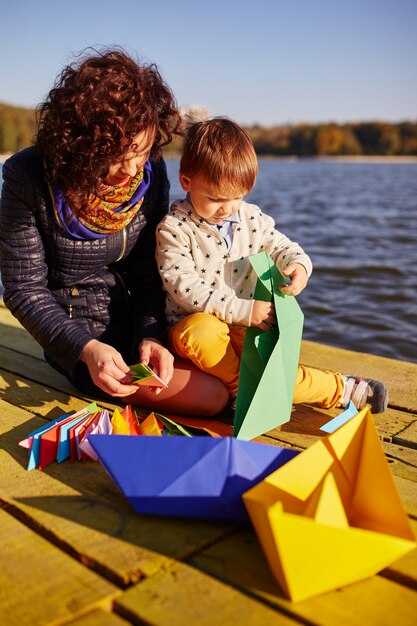 Planning Your First Big Sailing Trip with Kids – A Practical Guide">

ابدأ بخطة ملموسة: حدد مرحلة اختبار تتراوح مدتها من يومين إلى أربعة أيام بالقرب من المياه المحمية، ويفضل أن تكون حول إحدى الجزر. اختر قاربًا شراعيًا موثوقًا به مع مقصورة مريحة، وقم بتخطيط إيقاع يومي يتضمن فترة راحة قصيرة لتناول الوجبات الخفيفة والراحة، واحتياطيًا احتياطيًا لمواجهة الأحوال الجوية.
إنشاء قائمة مهام مشتركة: مهام مثل فحوصات السلامة، وتوفير المؤن، والتوجيه، ونوبات المراقبة، ورصد الأحوال الجوية. بالنسبة لي، احتفظ بقائمة مرجعية مطبوعة ونسخة رقمية يمكننا تعديلها معًا، وقم بتعيين أحد أفراد العائلة الآخرين دورًا بالتناوب للمساهمة، بحيث يتم توزيع العمل.
السلامة أولاً: الأطفال مثبتون في سترات نجاة (PFD) ذات حجم مناسب، مع حبال ربط عند التواجد فوق سطح السفينة، وقواعد واضحة بشأن أماكن الوقوف على متن القارب الشراعي. تدرب على الحفاظ على هدوئك أثناء المناورات وتجنب الإجراءات المحفوفة بالمخاطر؛ أشرك الجميع في تدريبات السلامة للحفاظ على جو هادئ ومركّز، حتى يشعر أولئك الموجودون على سطح السفينة بالثقة.
اللوجستيات والمعدات: احزم بخفة، واستخدم أدوات مطبخ مدمجة، وخطط لوجبات سهلة الطهي على موقد صغير. حافظ على توقفات الجزر قصيرة حتى يبدو السفر سهلاً بالنسبة لأولئك الذين لم يثقوا بعد في الماء.
العقلية والخبرة: فكّر مليًا في كيفية اتخاذ قرار بشأن تقصير مدة الرحلة وإبقاء المعنيين على اطلاع وموافقين على ذلك. أثناء إبحارك، اشرح باستمرار دلائل الطقس، ولاحظ ما يصلح بشكل جيد لأولئك الذين على متن السفينة، حتى لا تنسى الأساسيات في المرة القادمة التي تخطط فيها.
الخطوات التالية: جدولة تجربة متابعة مع مرحلة أخرى لمدة يومين، مع زيادة المسافة تدريجيًا مع اكتساب الخبرة. وثّق مساهمة كل طفل، وعدّل توزيعات العمل، واستمر في بناء الثقة مع كل استراحة ومرساة.
تخطيط عملي لمغامرة إبحار عائلية مع الأطفال
توصية: احزم مجموعة أدوات سلامة صغيرة واختبر سترات النجاة على متن القارب قبل المغادرة، ثم ابدأ برحلة قصيرة في البداية لبناء الثقة والحفاظ على أنظار الجميع على الأفق.
السبب: خطة واقعية بمعالم صديقة للأطفال تقلل من التوتر، وتحافظ على ساعات الإبحار قابلة للإدارة، وتوفر وقتًا أفضل للاستكشاف على الشاطئ. ضع في الاعتبار رحلات الإبحار من ساعتين إلى أربع ساعات في اليوم، مع زيارة برية بين الحين والآخر لإعادة شحن الطاقة والفضول.
بعد ذلك، أشرك الجميع في التخطيط. امنح الأطفال مهمة صغيرة كل يوم، مثل فحص اتجاه الرياح، أو رسم مسار بسيط على مخطط، أو تدوين علامات العوامات. هذا يبقيهم منخرطين، ويعزز رؤية الساحل والسماء، ويساعدهم على امتلاك المغامرة دون خوف.
إلى الأمام، خُذوا المعابر بوتيرة معتدلة واختاروا الخلجان المحمية أو القنوات الآمنة في الأيام الأكثر هدوءًا. تجنبوا المعابر الطويلة حتى يزداد لديكم الثقة والقدرة على تحمل دوار البحر، واستهدفوا الوصول إلى اليابسة في وضح النهار حتى يتمكن الأهل من مراقبة نقطة الطريق التالية ويبقى الجميع هادئين على سطح المركب.
تتطلب الاحتياجات المختلفة جدولة مرنة. للأطفال الصغار الذين يحبون الزحف والأطفال النشطين، قم بدمج اللعب على سطح السفينة في الروتين، وقم بمواءمة أوقات القيلولة مع البحار الأكثر هدوءًا، وقم بتعبئة وجبات قصيرة ومغذية، واجعل الوجبات الخفيفة في متناول اليد. من خلال التخطيط بناءً على الوقت والشهية، ستشعر بمزيد من التحكم وسيبقى الجميع أكثر سعادة على مدار ساعات الإبحار.
خيارات ذكية للتخطيط: احجز أرصفة المرسى أو نقاط التوقف الساحلية مسبقًا، خاصة في ذروة الموسم؛ تأكد من وجود مرافق مناسبة للأطفال ورسو آمن. أحضر سترات نجاة متعددة بأحجام صحيحة وتحقق جيدًا من المقاس بإجراء اختبار سريع على سطح السفينة. قبل المغادرة، تحقق من النوافذ الجوية وقم بتكييف الخطة إذا تغيرت التوقعات، لأن الاستعداد الآن يجعل الرحلة أكثر سلاسة في المستقبل.
| Item | Why it matters | إجراء يجب اتخاذه |
|---|---|---|
| مجموعة السلامة + سترات النجاة | يحمي الجميع ويتيح الاستجابة السريعة | تفقد المقاسات، اختبر التوافق، احتفظ بها قريبة في متناول اليد |
| خطة إبحار لمدة يومين | وتيرة واقعية للأطفال وتقليل الإرهاق | مسودة أرجل قصيرة؛ السماح بالتوقفات البرية |
| مهام الأطفال | يعزز التفاعل ورؤية الأفق | تعيين فحوصات الرياح والخرائط والسجلات |
| حجوزات الموانئ | يمنع الإجهاد في اللحظات الأخيرة في الموانئ المزدحمة | احجز مسبقًا؛ تحقق من وجود مرافق مناسبة للعائلات |
أساسيات تعبئة الأمتعة للأطفال: ما يجب إحضاره حسب العمر ومرحلة الرحلة
Assign a أمين المستودع لكل طفل حقيبة شحن أساسية تحمل علامة لتسهيل إدارتها. جهز حقيبة مقاومة للطقس suit (طبقات الملابس)، قبعة شمسية، طبقة مطرية صغيرة الحجم، وطقم ملابس احتياطي لكل طفل؛ ضع علامات على العناصر واحتفظ بمجموعة تغيير سريع بالقرب من منطقة الطاقم لتكون مستعدًا للتكيف في رحلة ساحلية.
0-3 سنوات – قبل المغادرة: جهّز ملابس تكفي 2-3 أيام، وكيس نوم، وحفاضات عادية أو حفاضات سحب، ومناديل مبللة، وكريم طفح جلدي، وحقيبة صغيرة لأدوات النظافة. ضع بطانية مألوفة أو لعبة محشوة لمساعدتهم على النوم أثناء التنقل؛ وأضف فواكه للحصول على طاقة سريعة وضوء ليلي صغير الحجم. احتفظ بملابس إضافية في جيب يسهل الوصول إليه وبطاقة صغيرة عليها أرقام هواتف للطوارئ تخص الأهل والطاقم.
0-3 سنوات – أثناء الرحلة: استخدم كيسًا مُعلَّمًا للحفاضات، والمناديل المبللة، والملابس الاحتياطية، واللهاية أو العضاضة، ولعبة صغيرة، وزجاجة ماء. حافظ على هدوئك بينما تتأرجح القوارب، بينما تقوم أنت والطاقم بتعديل الجداول الزمنية. تذكر الاحتفاظ بالعناصر الأساسية في متناول اليد؛ لا يمكنك الاعتماد على حقيبة واحدة لكل شيء.
4-7 سنوات – قبل المغادرة: ابتكر مجموعة مغامرات قصيرة: حقيبة ظهر صغيرة للأنشطة المغامرة، مصباح يدوي صغير الحجم، دفتر ملاحظات، زجاجة ماء، واقي شمسي، وقبعة. قم بتضمين ملابس تكفي لمدة 2-3 أيام، وجوارب احتياطية، وبعض الفواكه أو الوجبات الخفيفة. استخدم أقمشة متينة قابلة للغسل في الغسالة؛ أشرك الطفل في اختيار العناصر بحيث يتحمل الوالدان والطفل المسؤولية بشكل مشترك. تساعد قائمة مرجعية قصيرة في العثور على العناصر بسرعة وتقليل الفوضى.
4-7 سنوات - خلال الرحلة: حافظ على روتين بسيط؛ ضع مجموعة ملابس في جيب المقصورة ومجموعة أنشطة صغيرة - تلوين أو ملصقات أو خريطة. يساعد المصباح الأمامي المثبت على قميصهم عند التحرك في الليل على سطح السفينة؛ قم بتخزين خيارات وقت الهدوء لمنع التحفيز المفرط. إذا كانت هناك عائلة أخرى في الجوار، فيمكنك تبادل الأفكار حول الوجبات والوجبات الخفيفة؛ هذا يحافظ على رضا طاقمك وتحركهم طوال اليوم.
8-12 سنة - قبل المغادرة: تعزيز الاستقلالية: تحمل مسؤولية تعبئة مجموعة العناية الشخصية، ومجموعة إسعافات أولية صغيرة (ضمادات، مناديل مطهرة)، وبطاقة قواعد صغيرة. تتضمن كتاب قراءة، ومقلمة، وخيارات وجبات خفيفة صحية، ومجموعة مختارة من الفواكه. دع الأطفال الأكبر سنًا يختارون عناصر لحقيبة الشحن الخاصة بهم لتعزيز الملكية؛ يساعد ذلك على ضمان عثورهم على ما يحتاجون إليه بسرعة.
من 8 إلى 12 سنة - خلال الرحلة: توفير قائمة مرجعية مناسبة للأطفال وحقيبة صغيرة للاحتياجات اليومية؛ مصباح رأس أو مصباح يدوي صغير الحجم، وجبات خفيفة من الفاكهة، دفتر يوميات السفر، وكاميرا إذا سمح بذلك. حافظ على أدوات النظافة بحجم السفر وعلّمهم كيفية إدارة القمامة والغسيل؛ ذكّرهم بخفض أصواتهم على سطح السفينة حتى لا تزعج الضيوف الآخرين أو الطاقم.
أكثر من 13 عامًا - قبل المغادرة: شجع الأطفال الأكبر سنًا والمراهقين المغامرين على حزم حقيبتهم الخاصة، بما في ذلك جهاز خفيف الوزن وشاحن وسماعات رأس وحقيبة للخصوصية. يجب أن يحملوا زجاجة ماء شخصية وواقي من الشمس وطقم نوم صغير الحجم؛ واستخدم قاعدة غسيل بسيطة لغسل الملابس على متن السفينة؛ ضع ملصقات واضحة على الحمولة واحتفظ بمجموعة احتياطية في حقيبة مشتركة. أنت مستعد للتعامل مع المرحلة التالية بثقة وعيش قصص من الرحلة كذكريات.
13+ years – During voyage: Set expectations: teens can manage checklists, locate items quickly, and contribute to the maintenance. If they need to sleep in a different space, a small headlamp helps orientation. Keep a calm dialogue with the crew, and use the chance to understand their comfort and privacy needs; finding solutions strengthens confidence on the journey.
Charter Prep: Clothing, Footwear, and Layering for Sea Conditions
Start with a three-layer system: a base layer to stay dry, a mid-layer for warmth, and a waterproof outer shell to protect against spray. Pack a compact spare rope in a dry bag at the cockpit locker so hands stay free when you move between lines and rails. This setup helps the whole group stay comfortable from dawn to dusk.
Base layers should be moisture-wicking and quick-drying. Choose merino wool or high-quality synthetics rather than cotton. For summer days, aim for 150–180 g/m2; in cooler stretches, 200–260 g/m2 provides reliable warmth while drying quickly after rinses or spray. If you began the day with sun, a lightweight long-sleeve option can protect arms without overheating.
Mid-layers offer adaptable warmth. A 200–300 g fleece or a light synthetic puff balances loft and breathability, so you can easily adjust as breeze shifts. Simply zip in and out without fuss, and keep a couple of solid options so both adults and kids stay comfortable as the forecast changes. A sublayer that moves with you saves effort on deck when trimming sails or tying moorings.
Outer shells should be waterproof and breathable with sealed seams. Look for 10,000–20,000 mm hydrostatic head and a MVTR of 10,000–15,000 g/m2/24h for dependable rain and spray protection without overheating. Choose jackets with adjustable hoods, cuffs, and a vented back panel for airflow. An attractive, well-fitted shell makes a big difference in staying active and dry while you anchor, reef, or maneuver around tight spaces with rope arcs and halyards.
Footwear matters as much as any layer. Pick deck shoes or sandals with non-marking, grippy soles and closed toes for safety. In rough seas, a short pair of waterproof boots adds traction and keeps feet warm. For hot summer days, breathable water shoes can work, as long as they stay securely on during heel-toe movements on a pitching deck. Stock two pairs per person: one dry pair and one wet pair, and add moisture-wicking socks (synthetic or merino) to prevent blisters and keep feet comfortable on long passages. Brand options like mahina or arcona offer reliable grip and fit for sailors who value performance on deck.
Accessories round out the system. A sun-safe hat and sunglasses stay in place on a windy day, while thin, windproof gloves help when handling lines or fenders. If you’re chartering a small crew and plan to sail in cooler mornings, include a lightweight beanie that fits under a hood. For the boat’s setup, keep a few spare caps or bands labeled with clear colors, so kids can identify their gear quickly and stay engaged with the voyage–seeing everyone move confidently with their own kit boosts morale.
For kids and the group dynamic, plan ahead to reduce stress. Assign a color-coded set of layers for each person, and keep a couple of extra outfits in a dry bag near the helm. Names on bags, like agnes and adamastor, help little sailors stay with their gear. When a crew member feels happy and prepared, they contribute more to the day’s tasks and decisions. A steady, thoughtful approach makes the optimist-fleet feel safer, and both adults and children reach the end of the day with clear, comfortable outfitting that supports movement and alertness.
Finally, rehearse the routine before departure. Check the forecast, decide who wears what, and practice quick changes in the cockpit or salon so you don’t waste travel time. Remember to store a light, packable layer for summer heat and a warmer option for chilly breeze. If crews switch boats–say between agnes, lara, or arcona models–the same layering principle holds, keeping everyone happy and ready for the next sail.
Deck Safety and Supervision: Life Jackets, Harnesses, and Daily Safety Routines
Recommendation: Always have everyone aboard wear a properly fitted life jacket when the boat is moving, and attach a harness to a jackline whenever you are near the rails. This real, practical habit reduces the risk of a fall and enables a quick response if something goes wrong.
As asked by many families, this plan writes clear steps for fit and use. Choose Coast Guard–approved PFDs sized to weight and chest measurement; the straps should be snug and adjustable, with a crotch strap for babies and toddlers to prevent ride-up. Test each jacket in shallow water before you depart, and ensure it stays in place when the wearer moves. On longer passages, Type II or III on deck provide buoyancy and mobility, while Type I is preferred for offshore passages if conditions worsen. Keep spare PFDs on hand for guests and new crew.
Harness use: Attach kids to a jackline when moving aboard; clips should be secured to rated points. Inspect straps and buckles weekly and replace frayed parts immediately. Leave gear stowed when not in use and keep the left side of the deck clear of lines and toys to prevent trips. Baby-proof locks on cabinets and hatch covers help keep little hands safe, and harnesses should be checked for proper fit every morning.
Daily safety routines: Start each day with a quick safety check – verify PFDs, harnesses, and jacklines are in good condition, and confirm hatches are secure. Create a buddy system so no one sails alone; rotate supervising duties every hour to stay alert. Minimize advertisement distractions on deck to keep focus on safety; involve kids in simple tasks like tying knots or checking straps to spark curiosity. Tips: keep a small spare kit of PFD parts, and practice a two-minute man overboard drill so responses stay fast. This approach has great benefits, especially for families who go longer distances along the coast, and it literally keeps everyone focused on safety; everyones aboard will sleep better with consistent routines.
In december, daylight wanes and weather can shift quickly. Plan shorter passages, frequent stops, and more supervision during late afternoons. The strategy yields real benefits: faster reactions, calmer crews, and longer, happier days aboard. Keep the habit along and you will see better outcomes for all aboard.
Entertainment at Sea: Structured Activities to Engage Toddlers and Preschoolers
Set a four-block daily plan to keep looking ahead and maintain energy. Each block lasts 12-15 minutes with 2 minutes for transitions. Start with a brief welcome chat before the first block to set tone, then move smoothly between activities to support focus and fun.
Jessica began with this approach and quickly saw that kids love predictable timing, simple choices, and the chance to contribute ideas. Keep lifejackets strapped and ready for any deck activity, and position the activity area near the head or stern so supervising adults can see everyone clearly.
-
Block 1 – Story time with books: choose 2 short sea-themed picture books and read aloud for 6-8 minutes. Prompt questions like “What color is the boat?” and “Where is the wave going?” to boost talking and listening. Sit together on a small mat in a safe area, with lifejackets nearby for quick access if needed.
-
Block 2 – Craft and ship shapes: use laminated sheets and waterproof markers or magnetic shapes to build a tiny boat collage. Include 4 shapes (circle, square, triangle, rectangle) and let kids decide layout. This group activity fosters collaboration and helps everyone feel involved.
-
Block 3 – On-deck movement games: a quick “steer the boat” relay where little ones walk from bow to stern and back, following simple commands. Keep transitions fast, use a light rope as guide, and remind kids to keep feet on the deck and hands off rails unless supervised.
-
Block 4 – Quiet reading or puzzle corner: finish with a calm moment–puzzle mats, soft books, or a small sea-themed puzzle. If a child began to lose focus, switch to a shorter option and invite a parent to read aloud a favorite page.
Tips to keep everyone engaged: use a simple cue signal for transitions, like a whistle or clap, and offer a quick choice: “Would you like story time or a craft next?” Build in a moment for talk about what they loved and what they want to try tomorrow, so everyones voice is heard and valued.
- Safety first: lifejackets on during any movement area, fastenings checked, straps snug, and supervision close at head and stern zones.
- Planning: arrive with a small kit that includes books, laminated craft sheets, markers, magnets, and a few simple props, then rotate items to keep interest high.
- Involvement: invite kids to pick the next block’s theme and let them talk about boats, waves, or colors; encourage them to contribute ideas and lead brief routines.
- Resources: check websites for fresh, age-appropriate activities and adapt ideas to your boat’s space and weather constraints.
- Logistics: position the area away from crowded rails, keep the four blocks in mind, and begin with a quick safety check each day before arriving on deck.
To keep the plan moving, set a first block objective, monitor quickness of transitions, and adjust the pace based on mood. The approach helps everyone feel included, builds confidence for little ones, and turns entertainment into a shared family routine during the voyage.
Simple Cruising Strategies: Short Hops, Clear Routines, and Shore Time
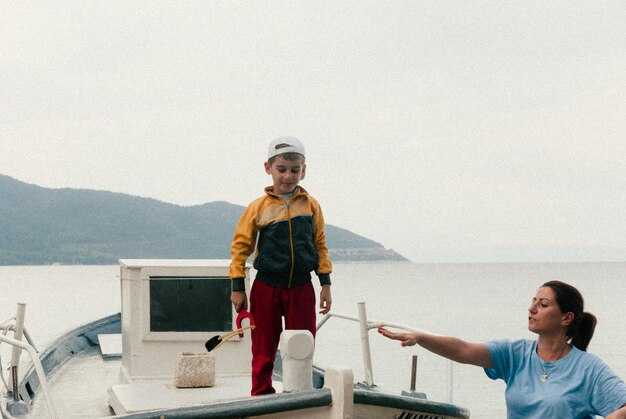
Plan short hops of 2–4 hours between sheltered anchorages, aiming to reach a marina or calm place before lunch. Choose days with steady wind around 8–12 knots and small waves, and stay off fast routes whenever possible. If a crossing looks rough, shorten the leg and reposition toward a nearby cove while you regroup.
Create a simple, repeatable routine you can follow every day: pre-check weather and tide, secure the lifejacket for kids, check the line and winch, include a quick snack, and assign a small task to each traveller. Use this structure whilst underway to reduce surprises and to let the kids feel secure.
Build shore time into each leg: plan 1–2 hours on land for a walk, a playground visit, or a quick shore-cleanup. This helps childrens needs by giving them space to move, observe kinds of sea life, and simply be in a different place.
Gear check: ensure lifejacket fits everyone, keep a spare on deck, and attach a durable line for docking. If you bought a mahina lifejacket or other gear, verify fit before departure and test it in the marina’s calm water.
Travelling with kids means packing compact activities: a few small books, chalk, cards, and a nature guide. Bring books for calm moments and the occasional fish-spotting page. On calm days you can literally sit with the kids watching waves and the ocean, sometimes spotting dolphins at a distance.
On marina days, plan for hydrated water, snacks, and a shaded rest area. Use a simple checklist to confirm water, electricity, and waste stations are available. Keep a light bag with essentials to avoid overpacking. This plan meant to reduce stress by keeping kids engaged.
This approach will make travelling with kids smoother and lets you become more confident at sea. Keep notes in a small log and gradually adjust hops as the crew grows. This plan will allow you to adjust hops as needed.