


 العربية
  English (UK)
  Русский
  日本語
日本語  한국어
한국어  Magyar
  Türkçe
  Español
  Čeština
  Svenska
  Português
  Ελληνικά
  Suomi
Suomi  Nederlands
  Română
  Italiano
  Français
  Polski
  Українська
  Deutsch
  简体中文
简体中文  Slovenčina
 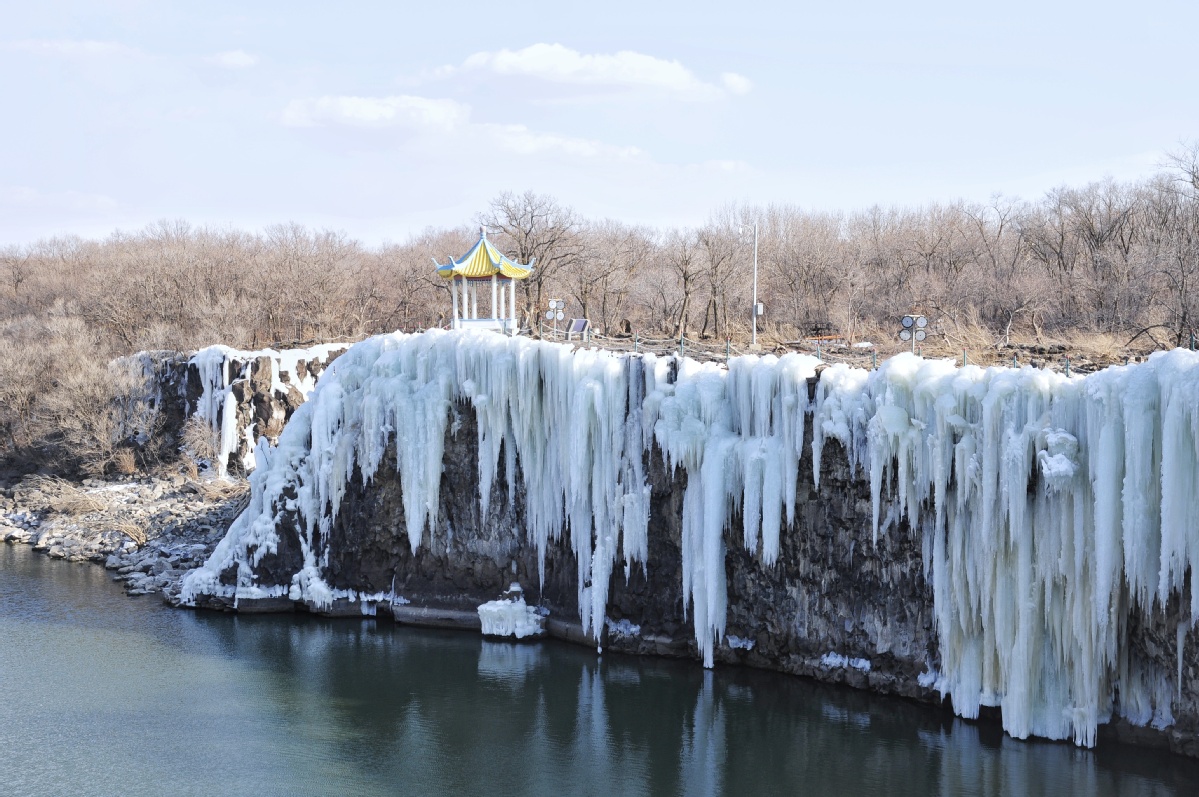 Exploring China’s Booming Winter Travel Destinations and Trends">

Winter Travel Destinations Heating Up Across China
China’s diverse climate has sparked a surge in winter tourism, ranging from frosty Arctic-like experiences in the northern regions to tropical escapes in the south. Recent data reveal a growing number of travelers are flocking to both ends of the temperature spectrum, with destinations evolving to meet shifting tastes and expectations.
Top Trending Domestic Destinations for Winter Travel
A recent analysis of browsing behavior, search activity, and travel reviews has highlighted the top 10 fastest-growing domestic winter destinations. In the north, Mohe و Harbin in Heilongjiang province stand out, alongside Changbai Mountain in the Yanbian Korean autonomous prefecture, Changchun in Jilin province, and Altay in the Xinjiang Uygur autonomous region. Meanwhile, southern locales like Sanya in Hainan province, Tengchong, Kunmingو Xishuangbanna in Yunnan province, as well as Zhuhai in Guangdong, are enjoying rising popularity.
Winter Experiences in the North: Ice and Snow Beyond the Usual
The northern destinations are not simply freezing landscapes; they are rapidly upgrading infrastructure and enhancing experiences. Ice sports remain popular, but these areas are blending winter athletics with local culture and leisure activities. This integration offers tourists more than just snow—they can indulge in vibrant folk traditions, themed festivals, and relaxing retreats, transforming winter vacations into multifaceted adventures.
Chasing Warmth in the South: Tropical and Cultural Adventures
For travelers seeking to escape freezing temps, southern China’s warmer landscapes provide a refreshing alternative. In places like Sanya, the beaches and ocean beckon, complemented by numerous leisure activities perfect for the more relaxed visitor. Meanwhile, Yunnan’s rainforest hikes, such as those on Jinuo Mountain, and nearby cultural hotspots like Pu’er offer breathtaking scenery and rich cultural immersion.
Hot springs, particularly those found in Qingyuan, Guangdong, offer another form of winter leisure that appeals to travelers looking for wellness alongside natural beauty. The blend of warmth, nature, and rejuvenation makes these southern spots ideal refuges during colder months.
Cross-Border Winter Tourism: Russia Opens Doors
New visa-free policies recently introduced for Chinese tourists heading to Russia have made northern neighbors appealing winter destinations. Murmansk has become a hotspot for witnessing the aurora borealis, drawing scores of visitors fascinated by this natural spectacle. Border towns close to Chinese ports such as Suifenhe and Heihe in Heilongjiang also attract travelers interested in cross-border destinations offering winter experiences with their own unique charms.
Historical Context: The Evolution of Winter Travel in China
China’s winter tourism has traditionally centered on a handful of iconic northern locations known for ice festivals and skiing. Harbin, with its celebrated ice and snow sculpture festivals, has long been symbolic of the nation’s ability to celebrate winter’s beauty and challenge. However, this base has expanded considerably as infrastructure investments harness technological innovation and improvements in transportation accessibility.
Concurrently, southern destinations have danced to a different seasonal tune—these have been popular for winter escapes due to their subtropical climates and cultural allure. Historically overshadowed by the northern snow scene, tropical destinations like Hainan island increasingly draw beachgoers and nature lovers year-round, a trend accelerated by urbanization and growing middle-class leisure demand.
Winter Sports and Leisure: Growing Across the Landscape
The rise of winter sports has been a nod to international tourism trends, emphasizing not only skiing but snowboarding, snowmobiling, and other winter sports. The convenience of commercial flights and developing resort towns has encouraged local and inbound visitors alike to explore winter offerings beyond the traditional hotspots.
Forecasting the Impact on Travel and Leisure Markets
The surge in interest for varied winter destinations, from snowy peaks to warm beaches, is likely to shape China’s tourism economy profoundly. Domestic travel is experiencing a democratization with more middle-class travelers exploring diverse climates and experiences. As southern and northern destinations continue to evolve their tourism portfolios, the need for complementary activities such as boating, yachting, and wellness retreats will become more prominent, particularly in coastal regions.
This diversification supports a broader international tourism outlook, where travelers seek unique combinations of adventure, culture, and relaxation. The warming appeal of natural hot springs, or the chilly thrill of an aurora borealis viewing, showcases how the seasonality of travel may be extended or nuanced in coming years.
Table: Summary of China’s Top Growing Winter Destinations
| Region | Destination | Main Attractions | Notable Activities |
|---|---|---|---|
| North | Harbin | Ice festivals, winter sports | Ice sculpting, skiing, folk culture |
| North | Changbai Mountain | Snow scenery, ski resorts | Snowboarding, hiking, hot springs |
| South | Sanya | Beaches, tropical climate | Swimming, boating, beach leisure |
| South | Xishuangbanna | Rainforest landscapes, cultural tours | Hiking, nature tours, local culture |
| Border Regions | Murmansk (Russia) | Aurora borealis viewing | Wildlife watching, winter tours |
List: Key Factors Influencing Winter Travel Trends in China
- Infrastructure upgrades and diversified experiences at icy northern destinations
- Growing popularity of warm southern retreats and cultural tourism
- Increasing accessibility through improved transport and visa regulations
- Emergence of outdoor leisure activities such as hiking, hot springs visits, and winter sports
- Enhanced cross-border travel options to Russia’s winter attractions
Connecting Winter Tourism to Sailing and Boat Rental Opportunities
While snow and sun craft contrasting winter images, certain destinations on this list, particularly coastal and lake regions in southern China and border areas, open up opportunities for boating activities. Warm-weather patches like Sanya boast calm seas, ideal for water sports, yacht charters, and fishing expeditions.
The integration of boating, sailing, and water-based leisure adds a new dimension to winter travel, appealing to tourists seeking variety and adventure beyond the usual snow-focused holidays. As winter tourism grows in diversity, the demand for versatile maritime experiences is poised to increase in these emerging resort areas.
الخاتمة
China’s winter travel scene is experiencing a vibrant evolution with cold northern ice festivals and ski resorts thriving alongside warm southern beach and rainforest escapes. The spread of infrastructure, cultural experiences, and leisure activities is creating a balanced winter tourism market that appeals to a broad spectrum of travelers. Complementing these trends are border destinations in Russia becoming more accessible, enriching the outbound options for winter tourists.
In coastal regions and tropical getaways, the winter months also bring booming potential for yacht charters, boating activities, and ocean adventures, making these destinations compelling for water sports enthusiasts.
For those eager to explore these flourishing winter hotspots and embrace the boating lifestyle further, موقع GetBoat.com offers an international platform for renting sailing boats and yachts tailored to every taste and budget. Whether it’s cruising crystal-clear waters or venturing onto snowy trails followed by seaside relaxation, the synergy between winter tourism and boating creates exciting prospects for adventure seekers around the globe.