


 العربية
  English (UK)
  Русский
  日本語
日本語  한국어
한국어  Magyar
  Türkçe
  Español
  Čeština
  Svenska
  Português
  Ελληνικά
  Suomi
Suomi  Nederlands
  Română
  Italiano
  Français
  Polski
  Українська
  Deutsch
  简体中文
简体中文  Slovenčina
  Thailand’s Tourism Evolution Amid a Strengthening Baht">

The Shift in Thailand’s Tourism Dynamics
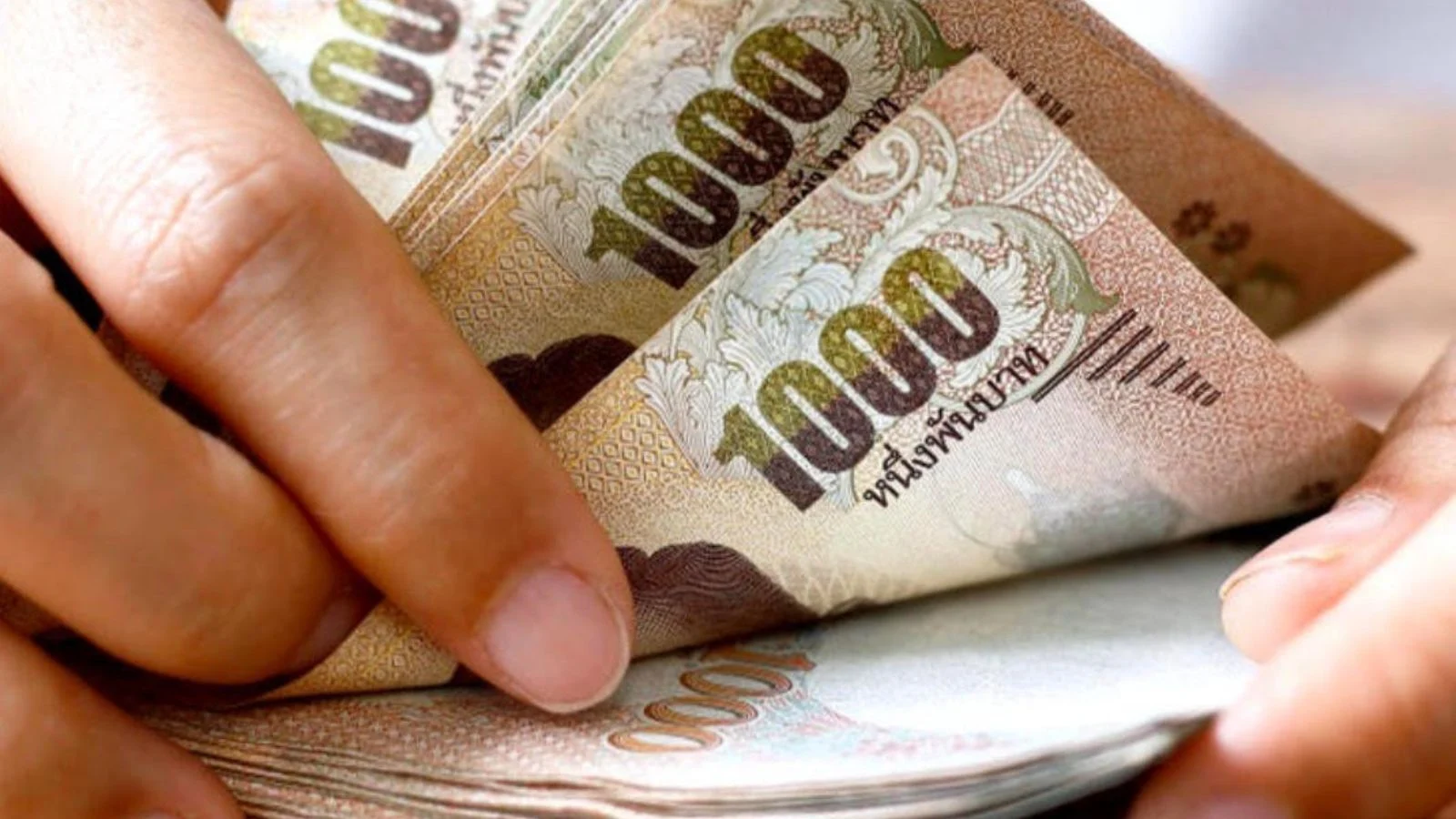
The recent strengthening of Thailand’s baht currency is influencing the nation’s tourism in more complex ways than simple price effects. While visitor arrivals remain robust during peak seasons, the nature of tourist spending and market composition are evolving, pointing to a transition from bargain-hunting visitors toward those seeking higher-value experiences.
Current Impact of the Baht Strengthening
The baht’s exchange rate against the US dollar has tightened to a range between 31.4 and 31.8, stirring conversations within the tourism industry about potential impacts. Although the headline figures show steady arrivals, a deeper dive reveals that price-sensitive tourists, particularly those from long-haul markets like the United States and Europe, are adjusting their spending habits. Their fixed travel budgets mean that even slight currency shifts can lead to fewer meals out, scaled-back excursions, and occasionally reduced lengths of stay.
Who Feels the Crunch the Most?
Groups such as backpackers, families on a budget, first-time travelers, long-stay retirees, digital nomads, and seasonal visitors bear the brunt of these changes. Many of these tourists frequent off-peak destinations including Pattaya and Hua Hin, where local businesses note that while tourists continue to arrive, their expenditures have become more cautious. Rather than empty streets, a tighter wallet is observed.
Challenges to Value Perception
The perception of value in Thailand has shifted alongside the stronger baht. Operating costs and service charges have climbed, and concerns around dual pricing linger. Repeat visitors who recall the days of a weaker baht feel this difference keenly. Secondary and less luxurious destinations tend to register these changes earlier due to quicker cutbacks in discretionary spending beyond premier resort areas.
Resilient Visitor Segments
Interestingly, visitors from high-income and short-haul countries, including Singapore, Japan, South Korea, Hong Kong, Australia, and Gulf states, are less sensitive to currency fluctuations. Their travel decisions hinge more on safety, wellness, gastronomy, and high-quality service than on price alone. This market segment’s resilience underpins the continued strength of the overall arrival figures.
Drivers Behind the Stronger Baht
Several global factors feed into the baht’s recent vigor. The weakening US dollar has played a significant role, influenced by anticipated US interest rate cuts and easing inflation pressures. Thailand’s economic fundamentals, such as healthy tourism revenue, steady foreign investment inflows, and a stable external position, also support the baht. As global investors diversify beyond the US dollar, the Thai baht gains relative strength.
Tourism Quality Over Quantity: A Strategic Pivot
Filtering Demand, Not Blocking It
A strengthening currency does not necessarily block tourism flows but rather acts as a filter to refine the type of demand. Ultra-budget travel faces a natural slowdown, while experience-focused tourism with higher spending power steps into the spotlight, aligning perfectly with Thailand’s broader tourism vision.
| Trend | Effect on Tourism |
|---|---|
| Currency Strengthens | Budget travelers reduce spending; affluent tourists focus on quality experiences |
| Focus on Wellness and Culture | Growing demand for meaningful, sustainable tourism |
| Infrastructure and Service Improvements | Enables experiences beyond just price competitiveness |
The Move Towards Experience-Led Tourism
Thailand is deliberately steering away from pure volume-driven tourism toward one where visitors cherish well-being, balance, and uniqueness. Wellness retreats like Kamalaya on Koh Samui exemplify this shift, offering transformative experiences beyond typical bargain vacations. The luxury travel segment also grows steadily, marked by offerings such as premium rail journeys that combine adventure with comfort.
Opportunities and Growing Pains for Traditional Hotspots
Conventional mass tourism centers, including Pattaya, face challenges as their traditional, high-volume, low-margin business models adjust to these new pressures. It’s clear that bustling streets and crowded beaches don’t necessarily convert into strong revenues; the economic vitality depends increasingly on visitor spending power. This metamorphosis demands a repositioning of destinations, improving quality, and broadening the range of experiences offered.
Forecasting Thailand’s Tourism Future
Should the baht stabilize in the current range, it’s unlikely that Thailand will lose its allure on the global stage. Instead, the visitor profile will continue to morph: long-haul, price-sensitive tourists may retract, while discerning travelers with an affinity for quality and experiences grow. This evolution challenges local policymakers and tourism operators alike to keep pace with rising expectations on infrastructure, transparency, and service excellence.
A Brief Historical Perspective on Thailand’s Tourism
Thailand has long enjoyed a reputation as a leading destination for international travelers, famed for its beaches, cultural riches, and warm hospitality. Over recent decades, the industry has undergone significant expansion, propelled by a diverse visitor mix ranging from budget backpackers to luxury seekers. This growth, however, has introduced issues of sustainability, overtourism in hotspots, and growing expectations from tourists.
Historically, Thailand’s tourism thrived on affordability and volume, drawing millions who sought coastal retreats at relatively low costs. Yet, the increasing global focus on sustainability and quality is reshaping the sector. This change echoes Thailand’s commitment to elevate its tourism offerings by emphasizing niche markets including wellness, ecotourism, and luxury travel.
By nurturing these segments, Thailand seeks to balance economic benefits with environmental sensitivity and cultural preservation, positioning itself competitively amid regional destinations.
The Implications of a Stronger Baht for the Tourism and Boating Sector
Thailand’s renowned coastlines, tranquil islands, and vibrant marinas make it a hotspot for boating and sailing enthusiasts. As the tourism focus shifts towards quality and experience, marine activities and yacht charters stand to benefit significantly. Higher-spending tourists often seek exclusive experiences, such as renting superyachts for day cruises or engaging in premium water sports, aligning with Thailand’s evolving market dynamics.
The willingness of affluent travelers to invest in unique boating adventures, captained charters, and private sailing excursions can stimulate growth in this niche. This will encourage local operators to upgrade facilities, diversify yacht rental offerings, and enhance customer service standards to meet rising expectations.
| Boating Sector Benefits | Related Tourism Trends |
|---|---|
| Growth in yacht charter demand | Higher-value travelers seeking experience-led vacations |
| Expansion of luxury marinas | Infrastructure enhancements to attract upscale clients |
| Increased interest in marine activities | Desire for wellness and adventure tourism |
Summary and Outlook
The strengthening baht in Thailand is more than just a currency phenomenon; it signals a meaningful transformation in tourism, whereby value, quality, and experience take precedence over mere bargains. This evolution is driving a reshaping of visitor demographics and spending habits, nudging the country’s tourism products toward sustainability and higher economic impact.
Though this transition presents challenges—particularly for destinations benefiting from high volumes of budget tourists—it also opens doors to refined market positioning, improved destination offerings, and a boost in sectors like high-end marine tourism. Resorts and marine hubs can foster growth in yacht charters and sailing activities, attracting discerning international visitors.
Monitoring this shift will be critical for tourism stakeholders. Thailand’s ability to balance infrastructure development, service excellence, and pricing transparency in harmony with evolving traveler expectations will define its success in the increasingly competitive global tourism arena.
For those interested in exploring Thailand’s rich coastal destinations and vibrant marine experiences, موقع GetBoat.com offers an extensive marketplace for renting sailing boats and yachts. Whether seeking a serene sailing voyage or an exhilarating superyacht charter, GetBoat provides options tailored to every preference and budget, perfectly complementing Thailand’s journey toward a high-value tourism future.