


 العربية
  English (UK)
  Русский
  日本語
日本語  한국어
한국어  Magyar
  Türkçe
  Español
  Čeština
  Svenska
  Português
  Ελληνικά
  Suomi
Suomi  Nederlands
  Română
  Italiano
  Français
  Polski
  Українська
  Deutsch
  简体中文
简体中文  Slovenčina
 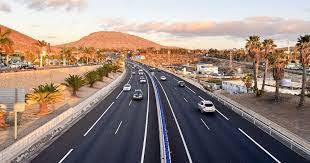 Tenerife to See Major Tourism Lift from £150m TF-1 Motorway Expansion">

New Infrastructure Set to Enhance Tenerife’s Tourism Flow
Tenerife is embarking on a transformative infrastructure project with the construction of a new three-lane motorway along its main TF-1 highway. This extensive initiative, involving an investment of around €175.4 million (approximately £150 million), aims to tackle congestion, increase road capacity, and improve safety on one of the island’s busiest travel routes.
This section of the motorway serves as a vital link that connects southern Tenerife’s airport, coastal resorts, and urban centers, making it one of the most significant arteries for both residents and visitors. The boost in capacity comes as traffic has been steadily increasing, especially in popular tourist zones.
Scope and Details of the Expansion
The upgrade covers the stretch from Oroteanda to Las Américas, key areas in southern Tenerife known for their dense tourism and urban activity. Beginning just after junction 64 in Las Chafiras (San Miguel) and extending past junction 73 towards Playa de Las Américas in Arona — with parts reaching into Adeje — the project will add a third lane in both directions.
The plan also includes the redesign of several important junctions, including those at Parque de la Reina, Guaza, Los Cristianos, and Las Américas, optimizing traffic flow and accessibility. An additional road widening will occur near Los Cristianos, where the connection to the South Hospital (TF-28) will be expanded to a dual carriageway with two lanes each, offering direct access to the main motorway.
Experts who prepared the project confirm that it has passed stringent technical and environmental assessments, ensuring sustainable implementation.
| Key Project Elements | Description |
|---|---|
| Investment | €175.4 million (£150 million) |
| Construction Duration | 42 months |
| Route Covered | Oroteanda to Las Américas, including Las Chafiras to Playa de Las Américas |
| Major Junctions Redesigned | Parque de la Reina, Guaza, Los Cristianos, Las Américas |
| Additional Road Upgrades | TF-28 road widening near South Hospital |
Historical Context of Tourism and Infrastructure in Tenerife
Tenerife, the largest of the Canary Islands, has long been a favored destination balancing spectacular volcanic landscapes, mild climate, and coastal resorts. Its main motorway, TF-1, has played a crucial role linking the south airport with bustling tourist spots such as Playa de Las Américas, which rose to prominence in the tourist boom of the 1970s.
While Tenerife’s tourist appeal has traditionally leaned on its sunny beaches and natural beauty, the island faces challenges such as traffic congestion especially during peak seasons. Improving infrastructure like roadways has been a consistent priority to maintain smooth connectivity across key marinas, urban centers, and leisure beaches popular among tourists and sailing enthusiasts alike.
Transport infrastructure like the TF-1 motorway not only serves daily commuters but substantially enhances the overall visitor experience by reducing travel times and improving accessibility إلى marine terminals, coastal resorts, and recreational areas.
Why Infrastructure Investment Matters for Island Tourism
Island tourism development depends heavily on robust infrastructure. Efficient road networks, airports, and ports are essential to accommodate increasing numbers of visitors and support economic growth. In Tenerife’s case, the expansion of TF-1 aligns with this broader goal—enhancing mobility while minimizing the environmental footprint often associated with tourism growth.
Infrastructure acts as the backbone that connects visitors to diverse experiences such as boat charters, beach activities, and cultural events, enabling destinations to remain competitive in a dynamic global market. Tenerife’s sunny climate offers year-round appeal, making improved transportation infrastructure a catalyst for sustained tourism flows.
Looking Ahead: Impact on Tenerife’s Tourism and Sailing Scene
Once completed, the motorway expansion is expected to deliver multiple benefits including:
- Reduced travel times: Faster connections between airports, resorts, and marinas will enhance accessibility for tourists and locals alike.
- Improved safety: The addition of lanes and safer junction designs will decrease accident risks, fostering a more pleasant journey around the island.
- Better connectivity: Enhanced transport links spur economic growth by supporting local businesses, from hotels to boat rental services.
For sailing and boating enthusiasts, smoother inland mobility means easier access to coastal marinas and popular yachting destinations. This development is especially promising for expanding charter activities and attracting visitors keen on combining beach time with boating adventures along Tenerife’s clear waters.
Table: Expected Benefits of TF-1 Motorway Expansion for Tourism and Boating
| Benefit | How it Enhances Tourism & Boating |
|---|---|
| Shorter Commutes | More time for leisure, beach visits, and sailing excursions |
| Safer Roads | Improved confidence for tourists driving rental cars and accessing marinas |
| Expanded Capacity | Supports increased visitor flow, including larger groups chartering yachts and boats |
| Better Access to Hospitals | Essential for emergency response, reassuring travelers engaging in water sports and fishing trips |
Broader Outlook on Tourism Infrastructure Developments
Globally, infrastructure developments like Tenerife’s TF-1 expansion reveal a commitment to sustainable tourism growth. Well-planned investments in road networks, airports, and ports enable destinations to accommodate rising visitor numbers while maintaining quality service standards and protecting local environments.
For island destinations, the balance between preserving natural beauty and meeting modern travel demands remains a pressing challenge. With enhanced transport routes, Tenerife exemplifies how infrastructure can open doors to diverse tourism activities, including exploring coastal waters by yacht or motorboat, enjoying marinas, and taking advantage of scenic beaches.
Forecast for Tenerife and Canary Islands Tourism
The motorway upgrade offers more than just convenience; it is a strategic move that will likely attract a broader spectrum of visitors, further establishing Tenerife as a key yachting and beach destination in the Canary Islands. With travel made easier and safer, the island is well-positioned to welcome increased arrivals from international markets, contributing to economic vitality and a vibrant local tourism scene.
الخاتمة
Tenerife’s £150 million investment in expanding the TF-1 motorway marks a significant step towards enhancing the island’s tourism infrastructure. This development will ease congestion, reduce travel times, and improve safety along crucial routes connecting airports, resorts, and key urban areas. The project promises to boost the accessibility of Tenerife’s beaches and marinas, indirectly benefiting sailing and boating activities that are popular with visitors and locals alike.
As an island renowned for its stunning landscapes, vibrant coastal life, and thriving tourism industries, Tenerife is reinforcing its competitive edge by upgrading transport facilities. These improvements will not only support mass tourism but also create a more enjoyable and flexible experience for travelers seeking nautical adventures, beach relaxation, and seamless connections across the island.
For those looking to explore Tenerife’s waters, beaches, and sailing opportunities, موقع GetBoat.com stands as an excellent international marketplace for sailing yachts and boat rentals, offering diverse options tailored to all tastes and budgets. This expansion signals a bright future for boating enthusiasts and holidaymakers eager to embrace Tenerife’s unique blend of ocean, sun, and lively waterfront destinations.