


 العربية
  English (UK)
  Русский
  日本語
日本語  한국어
한국어  Magyar
  Türkçe
  Español
  Čeština
  Svenska
  Português
  Ελληνικά
  Suomi
Suomi  Nederlands
  Română
  Italiano
  Français
  Polski
  Українська
  Deutsch
  简体中文
简体中文  Slovenčina
 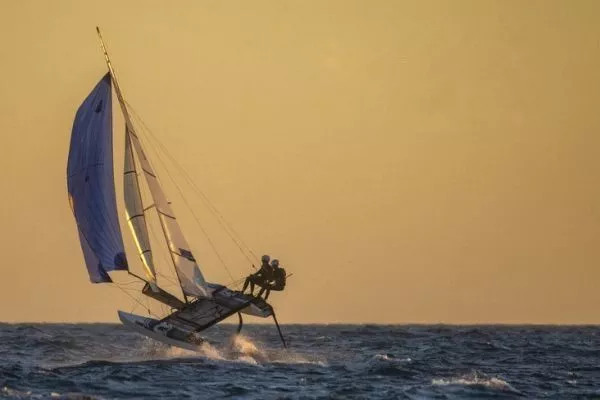 Marseille 2026 — French Elite Olympic Sailing Overview">

At Stade Nautique Florence Arthaud, race management handled a concentrated fleet of 121 athletes across all Olympic classes on a single racing area, creating a logistical puzzle of start windows, safety-boat rotations, launch and recovery lanes, and shore-side rigging bays that directly affected on-water performance.
One race area, many series: operational consequences
Gathering every Olympic class on the same water surface simplified spectator access but raised operational stakes. Shared lines meant tighter timetables for warm-ups, compressed turnarounds for launches and recoveries, and strict coordination of safety resources. Coaches had to juggle slot allocations while monitoring multiple fleets, and shore teams coordinated sail changes and repairs under compressed schedules.
That density produced a visible effect: crews who mastered quick transitions between launches and briefings won margins before a single start gun sounded. For charter fleets and boat rental operators, the lesson is clear — efficient shore logistics often mirror what happens at sea: the faster you can relaunch and re-rig, the better the final result.
Weather swing: from violent Mistral to whisper-light finals
The week opened with a classic Mistral pattern: gusts pushing 30–35 knots with peaks near 45 knots, forcing cancellation of most fleets for a day and limiting the earliest racing to iQFoil before conditions peaked. Races resumed once the wind moderated, only to finish with a light-air final day that demanded a different skill set entirely.
Such an extreme split between commitment-driven heavy-air tactics and finesse-oriented light-air sailing exposed crew versatility. Teams had to switch rapidly from survival-mode reefing and strict boat handling to sensitive trim, subtle weight placement and current reading. That duality is exactly the kind of stress test that separates podium regulars from one-time surprises.
Performance cells made public: preparation in plain view
Organizers deployed integrated support teams — coaching, engineering, sports psychology and nutrition — around the pontoons, turning backstage processes into visible, collective performance cells. Young sailors could see and adopt elite routines in real time; established athletes validated their methods under scrutiny.
- Engineering feedback on foil and sail tweaks was shared directly on the dock.
- تغذية and recovery protocols were applied between races to sustain back-to-back schedules.
- Data analysis sessions after racing condensed insights into actionable changes for the next day.
That transparency raised pressure — but pressure is part of the training model for the 2028 Olympic build. Making support systems public shortens the learning curve across the national fleet.
Results and shaken hierarchies
National titles were awarded, but internal rankings shifted in several classes as surprise results and breakthrough crews emerged. A strong domestic championship means constant selection pressure and a refusal to rest on reputation.
| Class | Champion | Podium |
|---|---|---|
| iQFoil Women | Helene Noesmoen | Manon Pianazza, Marion Couturier |
| iQFoil Men | Nicolas Goyard | Tom Arnoux, Louis Pignolet |
| Formula Kite Women | Lauriane Nolot | — |
| Formula Kite Men | Nell de Jaham | — |
| ILCA 7 | Alexandre Kowalski | — |
| ILCA 6 | Louise Cervera | — |
| 49er | Erwan Ficher & Clement Pequin | — |
| 49er FX | Manon Peyre & Amelie Riou | — |
| 470 | Matisse Pacaud & Lucie de Gennes | — |
| Nacra 17 | Tim Mourniac & Aloise Retornaz | — |
Operational takeaways for clubs and charter operators
Several practical lessons came out of Marseille that apply directly to the boating rental and charter world:
- Allocate clear launch and recovery lanes to speed turnarounds and reduce congestion.
- Coordinate safety-boat resources centrally to avoid double-tasking and service gaps.
- Use visible performance checkpoints (trim, rigging checks) to raise fleet-wide standards.
Tactical lessons for sailors
On the water, the event reinforced two truths: versatility beats specialization in mixed conditions, and recovery between races counts as much as the race itself. Crews that adjusted sail selection and weight distribution quickly were rewarded; those that didn’t found themselves off the pace.
Like any regatta that swings from squall to stillness, Marseille 2026 reminded everyone that sailing is as much about logistics and preparation as it is about tactics and raw speed. For yacht clubs, charter companies and boat rental services, the event underlined the value of streamlined shore operations and robust support services — those are the margins that win championships and sell repeat charters.
In short, Marseille produced champions but, more importantly, produced lessons: centralized race logistics, visible performance cells, and the need for sailors to be both robust and subtle in their technique. Whether you’re planning a yacht charter, booking a boat for the weekend, or running marinas and rental fleets, the takeaways echo across the sea: be ready for heavy wind, be ready for light airs, and always keep the crew and captain sharp. Destinations, superyacht owners and recreational sailors alike will find these insights useful for future race prep, sale and rental strategies, beach events, lake regattas, and broader yachting activities.