


 العربية
  English (UK)
  Русский
  日本語
日本語  한국어
한국어  Magyar
  Türkçe
  Español
  Čeština
  Svenska
  Português
  Ελληνικά
  Suomi
Suomi  Nederlands
  Română
  Italiano
  Français
  Polski
  Українська
  Deutsch
  简体中文
简体中文  Slovenčina
 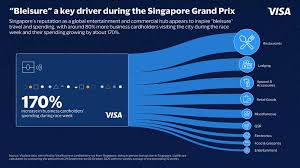 Insights into Growing Travel Trends After Singapore Grand Prix Across Asia Pacific">

Post-Race Tourism Boom in Asia Pacific
The recent Singapore Grand Prix has stirred a notable surge in tourism throughout Asia Pacific, as revealed by fresh data analyzing traveller behaviour after the famed Formula 1™ event. Visitors are not only extending their stays in Singapore but are also embarking on onward journeys to multiple destinations across the region, fueling a vibrant wave of multi-country travel and boosting local economies along the way.
Extended Travel and Multi-Destination Itineraries
Statistics show that about 20% of attendees extended their trips beyond the race weekend, adding an average of 3.5 days to their stay. Visitors from distant regions, especially those arriving from outside Asia, demonstrated an even higher tendency to venture onward, with 35% exploring at least one more country within Asia Pacific after Singapore.
Key travel hotspots following the Grand Prix included neighbouring Indonesia, Malaysia, and Thailand, favored for their proximity and short-haul flights. Australia and Japan also rank highly, underscoring Singapore’s strategic role as a major aviation hub bridging various travel corridors in the region.
Spending Patterns and Economic Impacts
Visitors’ spending during post-race travels has surged by approximately 40% compared to their expenditures at home. Nationals from the United States, Australia, Mainland China, Germany, and France recorded the most significant increases.
| Destination | Main Spending Category |
|---|---|
| Malaysia, Indonesia, Thailand | Dining and Food Services |
| Australia, Japan | Retail, especially Fashion and Shopping |
These spending trends provide a clear example of how sports tourism blends with leisure and cultural experiences, resulting in a positive ripple effect on local tourism economies.
Affluent Travellers Lead Premium Tourism Flows
A distinct group making an outsized impact on regional tourism is affluent travellers. They are more likely than the general visitor population to extend their trip after the event—around 25% of affluent cardholders did so, exceeding the average of 20%. Furthermore, their spending habits signal higher economic value: approximately 20% greater spending overall, with a notable 65% increase in department store purchases and 50% more on apparel relative to other travellers.
These travellers also often embark on longer journeys beyond the Asia Pacific region, including visits to Europe and North America, highlighting their importance for destination marketers, hotel operators, and airlines targeting premium segments.
Contactless Payments: The Preferred Travel Currency
Another striking trend is the widespread adoption of contactless payments by international tourists during all travel phases. After departing Singapore, about 85% of face-to-face transactions are contactless, with usage soaring to approximately 95% among Australian and UK travellers.
Even in markets still developing contactless infrastructure — such as Japan, Cambodia, Indonesia, Malaysia, Thailand, and Vietnam — penetration rates exceed 80%. This reflects a broader shift toward frictionless, secure, and swift digital payment methods, supported by expanding acceptance on public transportation and retail platforms.
A Brief Look at Singapore as a Travel and Transit Hub
Singapore’s transformation into a cosmopolitan travel gateway is key to understanding its pivotal role in regional tourism growth. Traditionally known as a meeting point of East and West, Singapore has cultivated an array of attractions ranging from its multicultural heritage to innovative facilities and major international events.
The annual Formula 1 Singapore Grand Prix exemplifies this, not only drawing motorsport fans but serving as a catalyst for multilateral travel experiences across Asia Pacific. The city-state boasts seamless transportation options through the award-winning Changi Airport, acting as a launchpad for visitors eager to explore neighbouring countries and beyond.
Beyond transport connectivity, Singapore’s reputation for safety, security, and efficiency, combined with its vibrant dining and shopping scenes, continues to attract discerning travellers. The government’s proactive investments in infrastructure, hospitality, and vocational training contribute to a competitive tourism industry geared towards high-yield markets.
The Rising Influence of Sports-Driven Tourism in Asia Pacific
Events like the Singapore Grand Prix are increasingly recognized as powerful economic engines that reshape travel patterns. They stimulate extended stays, multi-country itineraries, and elevated spending, blending the thrill of world-class sport with cultural and leisure pursuits.
The Asia Pacific region, home to diverse destinations with rich cultural and natural resources, continues to adapt. Tourism boards and industry players are harnessing data insights and advanced analytics to capture the value of affluent visitors and recurring event tourists while enhancing payment conveniences.
Forecasting the Future of Tourism Post-Events
Looking ahead, the growth in event-related tourism is likely to deepen, especially as travel becomes more accessible and digital payment methods more seamless. Countries in Asia Pacific will benefit by positioning themselves as attractive stops on longer regional voyages, catering to travellers eager for diverse cultural experiences mingled with sports, recreation, and shopping.
Major challenges remain, including the need to invest in skilled human resources and manage sustainable growth amid climate and infrastructure pressures. Nevertheless, the synergy between marquee events and regional tourism initiatives has set a robust foundation for ongoing development.
Summary of Key Insights
- Post-race travel from the Singapore Grand Prix drives multi-destination itineraries, extending average visitor stays by several days.
- Travellers significantly increase spending during their extended travels, benefiting dining, retail, and cultural sectors in countries like Malaysia, Indonesia, Thailand, Australia, and Japan.
- Affluent travellers represent a higher-spending segment especially interested in premium experiences and long-haul regional trips.
- Contactless payments dominate traveller transactions, highlighting the demand for efficient and secure financial technologies.
- Singapore’s role as a transit and regional gateway is instrumental in enhancing Asia Pacific’s tourism interconnectedness.
For yachting enthusiasts and those interested in marine adventures, the momentum in Asia Pacific tourism presents exciting opportunities. Whether planning to charter a sleek yacht in bustling harbours, rent a sailing boat for coastal exploration, or engage in water-based activities near vibrant marinas and clear waters, the post-event travel surge underscores the region’s rising appeal as a yachting and boating destination.
موقع GetBoat.com serves as an international marketplace for renting sailing boats and yachts, ideally suited for travellers seeking to combine high-energy events with relaxing days at sea. Its platform caters to varied tastes and budgets, connecting adventurers with vessels perfect for cruising sun-drenched gulfs, fishing excursions, or leisurely sails along stunning beach-lined coasts.