


 العربية
  English (UK)
  Русский
  日本語
日本語  한국어
한국어  Magyar
  Türkçe
  Español
  Čeština
  Svenska
  Português
  Ελληνικά
  Suomi
Suomi  Nederlands
  Română
  Italiano
  Français
  Polski
  Українська
  Deutsch
  简体中文
简体中文  Slovenčina
  تأثير خدمة الطرود البريدية على التسليم والتجارة في القرن العشرين">

The Dawn of Parcel Post in the 20th Century
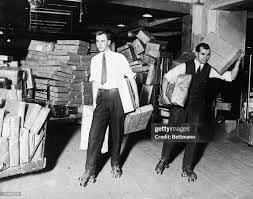
The evolution of mail delivery in the 20th century brought remarkable changes with the introduction of Parcel Post, a service that not only transformed postal operations but also revolutionized commerce and daily life. Starting off as a service with strict limitations, Parcel Post soon expanded in scale and significance, breaking new ground in how parcels were sent and received nationwide.
Early Restrictions and the Demand for Change
At the start of the 1900s, the Post Office Department was restricted by law from carrying parcels weighing more than four pounds, leaving bulkier deliveries to private express companies. However, with a majority of Americans then living in rural areas, there was a growing demand for affordable and reliable parcel delivery that reached beyond urban centers. The rural free delivery (RFD) system had already given farmers a glimpse of better postal access, fueling impatience for broader parcel services.
This demand instigated significant debate in Congress, with opposition from private express companies and local merchants who feared losing business. Still, rural residents pushed persistently for a change. Public sentiment swelled further when an express company declared a hefty dividend amidst these discussions, stirring public indignation and pushing lawmakers toward reform.
The Birth of Parcel Post
Legislation passed on August 24, 1912, broke new ground by permitting postal delivery of parcels weighing up to eleven pounds and measuring no more than seventy-two inches combined length and girth. That new service kicked off on January 1, 1913, and was an immediate hit. Within six months, 300 million parcels were mailed, ushering in an era that invigorated mail-order businesses and national commerce.
Mail-order giants, including the likes of Montgomery Ward and Sears, saw explosive growth in the wake of Parcel Post’s arrival. For instance, Sears handled five times as many orders in 1913 than the previous year and doubled its revenues within five years. Parcel Post fundamentally altered how products reached consumers, facilitating everything from farm supplies to household goods.
Growth and Evolution of Parcel Limits
Over time, Parcel Post saw expansions in both size and weight limits. By 1931, parcels could weigh as much as 70 pounds and measure up to 100 inches in combined dimensions. These changes nurtured continued growth post-World War II, as Parcel Post provided a cost-effective alternative to private express carriers, whose business began to wane.
However, regulatory shifts affected the parcel market. In 1952, limits were tightened for parcels sent to large post offices over certain distances, causing a decline in volume. Later adjustments from 1967 to 1971 gradually increased these limits again to better support parcel delivery needs. Uniform limits of 70 pounds and 108 inches were set in 1983, with size limits increasing further by 1999. Parcel Post was renamed Standard Post in 2013 and USPS Retail Ground in 2016, reflecting evolving postal branding and services.
| Year | Parcel Weight Limit | Parcel Size Limit (Length + Girth) | Key Changes |
|---|---|---|---|
| 1913 | 11 lbs | 72 inches | Parcel Post begins |
| 1931 | 70 lbs | 100 inches | Expanded size and weight limits |
| 1952 | 20-40 lbs (variable) | 72 inches (restricted for nearby delivery) | tighter regulations for local deliveries |
| 1983 | 70 lbs (uniform) | 108 inches (uniform) | Standardized limits nationwide |
| 1999 | 70 lbs | 130 inches | Size limit increase |
Unusual Uses of Parcel Post: “Mailing” Children and More
In an extraordinary episode shortly after Parcel Post’s launch, parents Jesse and Mathilda Beagle sent their eight-month-old baby son via mail to his grandmother, using the parcel service’s weight allowance. This unique yet illegal practice — several children were reportedly sent through the mail during the early years — captured public imagination and highlighted the novelty of such postal possibilities at the time.
Initially, the postal regulations only allowed “harmless live animals” like bees, bugs, and chicks to be transported via mail, and children were excluded from these categories. Availing of parcel delivery for babies was soon understood to be against postal rules, but that peculiar occurrence remains a memorable anecdote from the Parcel Post’s infancy.
Historical Background of Parcel Post and its Place in Postal Services
Parcel delivery services historically were dominated by private express companies before postal services adapted to meet evolving consumer needs. The rural free delivery, launched selectively before Parcel Post, notably began connecting remote rural communities to broader commercial networks. Parcel Post’s advent represented a key shift where postal administrations took a more proactive role in parcel handling, reducing reliance on private carriers.
By breaking down barriers to the transport of larger packages within the postal system, Parcel Post paved the way for the mail-order industry boom that defined much of 20th-century retail commerce. It also influenced the logistics and transportation sectors, integrating with railways and later air transport to enhance delivery speed and reliability.
Parcel Post and Its Broader Influence on Commerce and Society
The introduction of Parcel Post helped bridge rural and urban divides, allowing rural customers to participate in national retail economies more fully. This transformation reverberated beyond just letters and parcels, influencing business models and marketing strategies, including the rise of catalogs and direct consumer sales.
Economically, it gave rise to large-scale mail-order houses and contributed to the expansion of the industrial and service economy. Socially, it brought new convenience and connection to rural life, which had been isolated and limited in product availability. Fast forward to modern times, and the legacy of Parcel Post endures in today’s multifaceted delivery and logistics networks.
Looking Forward: Parcel Post’s Legacy in a Changing World
Parcel Post, now evolved into modern parcel delivery services, remains a cornerstone of postal and courier operations internationally. As global commerce continues to expand — with e-commerce and direct-to-consumer sales growing rapidly — parcel delivery systems are increasingly important in connecting sellers, buyers, and even adventurous travelers in remote destinations alike.
For boating enthusiasts and the yachting community, reliable parcel delivery systems can mean easier access to supplies, parts, and special equipment, whether at coastal marinas or lakeside harbors. The innovation in parcel services parallels advances in maritime travel and chartering, where timely access to goods and services can enhance the overall boating experience.
الخاتمة
The development of Parcel Post in the 20th century was more than a postal milestone—it reshaped commerce, connected communities, and paved the way for modern delivery services that support diverse activities today. Its evolution from strict limits to an expansive, flexible service mirrors broader technological and societal shifts. For those who enjoy life on the water—from captivating sailing adventures to serene lake boating—the ripple effects of such postal innovations enhance the accessibility and enjoyment of destinations by supporting logistics and supply chains vital to the boating lifestyle.
For anyone exploring sailing, yacht charters, boat rentals, or simply enjoying the sun and water, services like موقع GetBoat.com provide a global platform to navigate the best options. By connecting adventurers with boats, captains, and marinas around the world, such marketplaces capture the spirit of innovation and service first exemplified by early Parcel Post systems.