


 العربية
  English (UK)
  Русский
  日本語
日本語  한국어
한국어  Magyar
  Türkçe
  Español
  Čeština
  Svenska
  Português
  Ελληνικά
  Suomi
Suomi  Nederlands
  Română
  Italiano
  Français
  Polski
  Українська
  Deutsch
  简体中文
简体中文  Slovenčina
 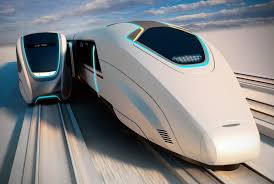 Experiencing the Speed and Convenience of Modern High-Speed Trains">

Capturing the Thrill of High-Speed Rail Travel
The rapid evolution of high-speed train travel continues to reshape how people view transportation. Recently, a viral video shared by travelers showcased the dramatic experience of riding a high-speed train, highlighting how fast the journey felt and the seamless ticketing linked directly to passengers’ passports. This glimpse into high-speed rail has sparked discussions about its convenience and efficiency as a mode of travel.
One notable aspect highlighted was the ease of the ticketing process, with no need for separate paper tickets, streamlining boarding by linking tickets to international travel documents. However, passengers noted practical challenges like retrieving luggage from overhead compartments on the move.
Viewers participating in the related online conversations debated the train’s exact speed, but many agreed the journey was a smooth and attractive way to travel, reflecting a shift towards embracing modern rail options.
User Experience and Public Perception
Comments from social media users emphasized the progress in rail travel infrastructure, stressing how regions once considered less developed are now benefiting from advanced technology and enhanced connectivity. The excitement surrounding the train journey was palpable, with many anticipating future trips via high-speed rail, viewing it as an efficient and modern alternative to other transport modes.
| Would a high-speed train increase your use of public transit? |
|---|
| Absolutely 💯 |
| Probably a little 🤏 |
| Not much 🤷 |
| Not at all 🙅 |
The Evolution of Rail Travel: A Historical Perspective
The development of high-speed rail marks a significant transition in travel, blending cutting-edge technology with deep-rooted cultural and social dimensions of train journeys. Historically, the expansion of rail networks transformed societies, making travel more accessible and impacting tourism patterns worldwide.
In Europe, Asia, and beyond, high-speed rail has been intertwined with sustainable tourism trends, offering low-carbon alternatives to traditional car and air travel. From the Japanese Shinkansen to the French TGV, these trains have consistently pushed the limits of speed while improving passenger comfort and safety.
Over the decades, advances in engineering—such as electric traction systems, advanced braking technology, and aerodynamic design—have enabled trains to reach speeds exceeding 300 miles per hour. These milestones have also influenced rail tourism, attracting tourists not only to destinations but to the journey itself.
Technological Advances and Passenger Comfort
Modern high-speed trains are equipped with sophisticated microprocessor-controlled systems that optimize power usage, monitor mechanical health, and ensure smooth operation under varying conditions. The interiors are designed for noise insulation and comfort, with features such as sealed carriages to mitigate air pressure changes while passing through tunnels.
The evolution extends beyond speed: ticketing innovations like linking journeys to passports reduce wait times and improve convenience, enhancing the overall travel experience for international passengers.
Looking Ahead: The Role of High-Speed Rail in Future Tourism
The future of travel is closely linked with sustainable and efficient mass transit options, with high-speed trains playing a pivotal role. The appeal of these systems lies not only in their speed but also in their environmental benefits, as they produce fewer emissions relative to cars and planes.
As urban areas continue to grow and congestion increases, high-speed rail presents a compelling alternative that supports denser tourist destinations and reduces traffic woes. Innovations, including magnetic levitation and automated controls, promise to further revolutionize journeys by making them faster and greener.
Moreover, high-speed trains can enhance access to coastal and lakeside resorts, which are popular destinations for boat charters and sailing activities. Travelers can combine train journeys with yachting adventures on nearby marinas, making such regions more reachable and attractive to tourists looking for diverse experiences.
التحديات والفرص
- Infrastructure Investment: Maintaining and expanding high-speed rail networks require significant resources and planning.
- Integration with Other Transport Modes: Seamless transitions between trains, ferries, and yacht rentals enrich the overall travel experiences for visitors.
- Environmental Considerations: Continued attention to minimizing environmental footprints makes high-speed rail a sustainable choice.
- Tourist Engagement: Developing marketing strategies that connect rail travel with leisure, including beach and boating activities, can boost tourism revenue.
How High-Speed Rail Impacts Coastal and Nautical Tourism
Regions served by high-speed rail are often near bustling bodies of water such as seas, gulfs, and lakes, which are hotspots for sailing and boating enthusiasts. Offering quick train access to these marine environments opens new horizons for inclusive tourism packages that combine rapid land travel with water-based activities like yachting and fishing.
Facilities such as marinas become more accessible, attracting a broader range of visitors who can easily rent yachts or boats once they arrive. The synergy between high-speed rail and boating destinations can foster a dynamic tourism ecosystem that benefits local economies and creates memorable travel experiences.
Table: Benefits of Integrating High-Speed Rail with Marine Tourism
| Feature | Impact |
|---|---|
| Reduced Travel Time | Faster access to coastal and lake destinations encourages more visitors. |
| Environmental Sustainability | Lower emissions than car or air travel support eco-friendly tourism. |
| Increased Market Reach | Attracts tourists from inland cities who can travel conveniently by train. |
| Enhanced Travel Experience | Combining train journeys with yacht charters creates varied, attractive itineraries. |
Bringing It All Together
High-speed trains are redefining travel by offering a blend of speed, comfort, and sustainability. Their seamless integration with other forms of transport, particularly marine activities like yacht and boat rentals, is setting the stage for richer, more diverse tourism experiences. Travelers today can envision journeys that combine the thrill of going ‘very, very quickly’ on land with the serene pleasure of sailing on clear waters.
For those keen to explore destinations accessible by high-speed rail and equipped with vibrant boating and sailing scenes, services like موقع GetBoat.com provide an excellent platform to find and rent yachts, sailing boats, and charters tailored to every preference and budget. This synergy between rail and sea travel offers something for everyone, from casual tourists to passionate captains seeking adventure on the open water.