


 العربية
  English (UK)
  Русский
  日本語
日本語  한국어
한국어  Magyar
  Türkçe
  Español
  Čeština
  Svenska
  Português
  Ελληνικά
  Suomi
Suomi  Nederlands
  Română
  Italiano
  Français
  Polski
  Українська
  Deutsch
  简体中文
简体中文  Slovenčina
 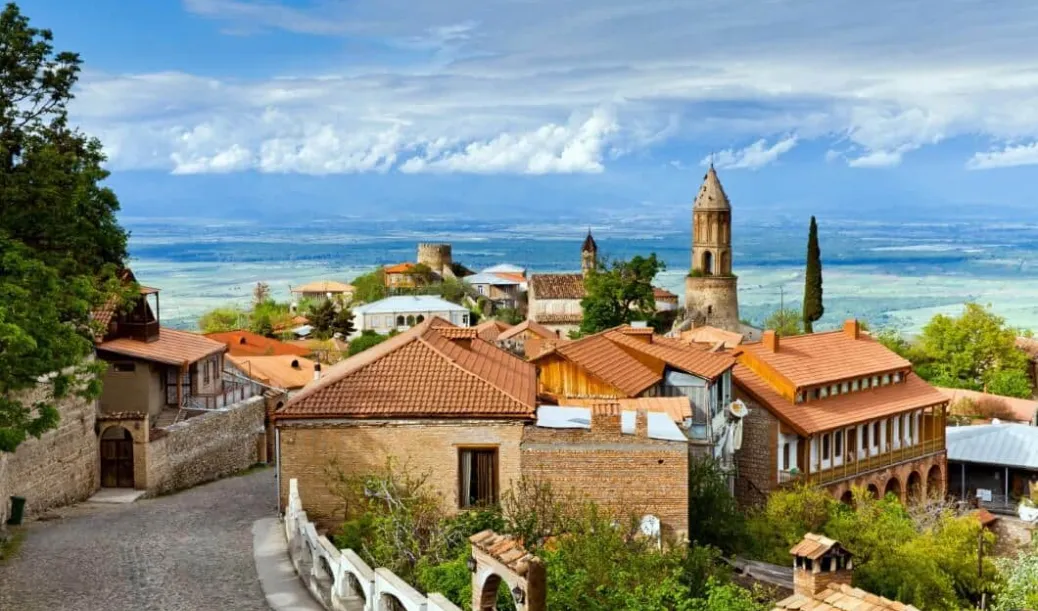 Georgia’s Wine Tourism Powers a $4.6 Billion Economic Surge">

السياحة المتعلقة بالنبيذ: محرك اقتصادي رئيسي في جورجيا
تشهد جورجيا طفرة ملحوظة في عائدات السياحة، تغذيها إلى حد كبير قطاع السياحة المتعلقة بالنبيذ المزدهر. تتوقع شركة الاستثمار البارزة Galt & Taggart أنه بحلول نهاية عام 2025، ستصل عائدات السياحة في جورجيا إلى $4.6 billion, ، مما يمثل زيادة ملحوظة عن التوقعات السابقة. لا يعكس هذا النمو التعافي من التحديات العالمية فحسب، بل يمثل تقدمًا اقتصاديًا استراتيجيًا للبلاد.
تكشف بيانات الأداء القوي للأشهر التسعة الأولى من العام أن السياحة لا تزال دعامة حيوية، حيث تجتذب باستمرار الاستثمار الأجنبي وتوفر فرص العمل وتعزز النمو الاقتصادي بشكل عام. أفاد البنك الوطني الجورجي عن عائدات سياحية قدرها 3.6 مليار دولار أمريكي من يناير إلى سبتمبر 2025، مسجلة ارتفاعًا بنسبة 5.11% مقارنة بالعام السابق. وشكل الربع الثالث وحده نسبة مذهلة 1.7 مليار دولار, ، بزيادة قدرها 6.61%، مما يسلط الضوء على جاذبية جورجيا كوجهة صيفية وخريفية.
الدور المحوري للسياحة في اقتصاد جورجيا
لم يعد قطاع السياحة مجرد صناعة تكميلية في جورجيا، بل أصبح قوة اقتصادية مركزية تدعم احتياطيات النقد الأجنبي وسوق العمل في البلاد. شهد التعافي بعد الجائحة وصول أرباح السياحة في النصف الأول من عام 2025 إلى مستوى قياسي. $2 billion, ، مما يمثل زيادة تقارب 35٪ مقارنة بأرقام عام 2019. تم تعزيز الربط الجوي المباشر بالمدن الأوروبية مؤخرًا، مما يسهل الوصول للمسافرين، بينما تركز حملات التسويق المستهدفة على مزيج جورجيا الفريد من التأثير التاريخي من الحقبة السوفيتية، وتراث طريق الحرير القديم، وشواطئها الجذابة على طول البحر الأسود.
الازدهار الاقتصادي يتردد صداه إلى ما وراء السياحة وحدها. فقد سجلت جورجيا نمو الناتج المحلي الإجمالي بنسبة 9.41% في عام 2024، تصنف ضمن الاقتصادات الأسرع نموًا في العالم. منذ عام 2000، ارتفع نصيب الفرد من الناتج المحلي الإجمالي بما يقرب من 370٪، مع توقعات تشير إلى زيادة تصل إلى 500٪ بحلول عام 2030. يتوقع المحللون ظهور عرض سياحي متنوع، مع التركيز على القطاعات المتخصصة مثل السياحة البيئية والتجارب الثقافية، والتي من المتوقع أن تحافظ على قوة الزخم السياحي حتى السنوات القادمة. يأتي هذا التوسع وسط تحديات إقليمية أوسع، ومع ذلك، فإن تركيز جورجيا على الضيافة مستمر في جذب دخل ثابت وتعزيز رؤيتها لمستقبل سلمي وجذاب.
كاخيتي: قلب السياحة المتعلقة بالنبيذ في جورجيا
تعتبر منطقة كاخيتي، الواقعة في الجنوب الشرقي، مركز إنتاج النبيذ في جورجيا، حيث تساهم بحوالي 75٪ من إجمالي إنتاج النبيذ في البلاد. بعد أن كانت كاخيتي أقل شهرة لدى محبي النبيذ العالميين، تكتسب الآن اعترافًا سريعًا كوجهة سياحية فاخرة للنبيذ تقدم أكثر من مجرد تذوق بسيط.
يُدعى الزوار للانغماس في 8000 عامًا من تراث صناعة النبيذ, ، حيث تلتقي أساليب تخمير الطين التقليدية في أوعية "الكفوري" مع أقبية النبيذ الأنيقة، والتي يعمل بعضها كمعارض فنية. يشهد قطاع الضيافة المحلي تطوراً؛ فبين عامي 2020 و2022، ظهرت العديد من مصانع النبيذ والفنادق الصغيرة الجديدة في تلافي، المدينة الرئيسية في كاخيتي، مما يمزج بين السحر الإقليمي الأصيل ووسائل الراحة الراقية. علاوة على ذلك، يجري التخطيط لتطوير حوالي 20 عقارًا سياحيًا عالي الجودة في مجال النبيذ في جميع أنحاء جورجيا بين عامي 2025 و2028، وتحويل القرى الريفية إلى مواقع ثقافية وترفيهية مرغوبة.
| إحصائيات رئيسية حول سياحة النبيذ - جورجيا 2024 | Value |
|---|---|
| إجمالي صادرات النبيذ | 95 مليون لتر |
| إيرادات التصدير | 1.33 تريليون دولار |
| نمو الحجم | 6% |
| Income Growth | 7% |
تحتضن أسواق التصدير الجديدة النبيذ الجورجي بحماس. سجلت الإمارات العربية المتحدة زيادة قدرها 801٪، وتركيا 621٪، والمملكة المتحدة 421٪، وكلها مكاسب ملحوظة إلى جانب الأهمية المستمرة لروسيا، التي لا تزال أكبر مستهلك، حيث تمثل ما يقرب من ثلثي حجم الصادرات.
ربط إنتاج النبيذ بالسياحة
صناعة النبيذ في جورجيا تعتبر ثاني أكبر قطاع تصدير, ، وتشترك السياحة وإنتاج النبيذ في علاقة تكافلية أشبه بنمو الكروم على التعريشات. لا يكتفي الزوار بتذوق النبيذ فحسب؛ بل ينخرطون جسديًا وثقافيًا في عملية صناعة النبيذ، ويشاركون في جولات الكروم ودروس صناعة النبيذ التقليدية وتجارب الطهي الأصيلة المتجذرة في التاريخ المحلي.
يكمن اعتزاز قوي في المنطقة بجذورها المتعلقة بزراعة الكروم، وتساعد هذه الثقة في جذب السياح الأكثر ثراءً الذين يتوقون إلى تجربة نبيذ راقية. حتى أن هناك حديثًا عن أن جورجيا قد تنافس قريبًا مناطق النبيذ ذات الشهرة العالمية مثل بوردو، وذلك بفضل هذا التركيز المتزايد على الجودة المتميزة والتراث الفريد.
السياق التاريخي والعالمي لسياحة النبيذ
يشمل سياحة النبيذ، المعروفة أيضًا بسياحة الكروم أو سياحة النبيذ، السفر بدافع زيارة مزارع الكروم ومصانع النبيذ ومهرجانات النبيذ، وغالبًا ما تقترن بجلسات التذوق. تعود أصولها إلى أوائل القرن العشرين عندما توسعت السياحة الترفيهية الخاصة إلى ما وراء تجار النبيذ التجاريين لتشمل المسافرين بغرض الترفيه الذين يبحثون عن تجارب ثقافية وغذائية أصيلة.
تبنت دول حول العالم السياحة المتعلقة بالنبيذ كعنصر مقصود في العلامات التجارية الإقليمية واستراتيجية السياحة، كما يتضح في أماكن مثل أستراليا وإنشاء طرق النبيذ الشهيرة مثل “طريق النبيذ” في ألمانيا الذي يعود تاريخه إلى عام 1935. تجمع هذه السياحة المتخصصة بين المناظر الطبيعية والثقافة والتاريخ ومتعة تذوق النبيذ، وغالبًا ما تدمج المهرجانات التي كانت في السابق مجرد احتفالات بالحصاد ولكنها نمت لتصبح مناطق جذب سياحي رئيسية.
يتواصل تطور السياحة المتعلقة بالنبيذ، حيث تحتضن توجهات السياحة المستدامة وسياحة الطعام، بينما تعمق التعاون بين صناعة النبيذ وجهات التسويق السياحي. هذه التطورات تثري تجربة الزوار وتعزز الاقتصادات المحلية، مما يوضح الدور القوي للسياحة المتعلقة بالنبيذ في تشكيل خيارات السفر الدولية.
مستقبل السياحة الجورجية: توقعات
يمثل الارتفاع المستمر في السياحة المتعلقة بالنبيذ في جورجيا نظرة مستقبلية واعدة لقطاع السياحة الأوسع في البلاد، خاصة مع ازدياد شعبية العروض المتخصصة مثل الجولات البيئية والانغماس الثقافي. من المرجح أن يؤدي تحسين البنية التحتية، وزيادة الاتصال الجوي الدولي، وجهود التسويق الاستراتيجية إلى زيادة عدد الزيارات، مما يؤدي إلى تدفق مستمر للعملات الأجنبية ونمو في الوظائف المتعلقة بالضيافة.
إن الجهود المبذولة لتوسيع نطاق خصائص سياحة النبيذ، والنهوض بخدمات الدعم المتعلقة بتجارب مزارع الكروم، والاستفادة من الأسواق الناشئة تضع جورجيا كوجهة تنافسية وجذابة في المشهد السياحي العالمي. يمكن أن يكون لهذا النمو أيضًا آثار غير مباشرة إيجابية على القطاعات ذات الصلة مثل القوارب والإبحار، وخاصة في المناطق القريبة من البحر الأسود، حيث يمكن للزوار الجمع بين جولات النبيذ والمغامرات البحرية وأنشطة اليخوت.
Summary
- تتوقع جورجيا عائدات سياحية بقيمة 4.6 مليار دولار أمريكي في عام 2025، مدفوعة بشكل كبير بالسياحة المتعلقة بالنبيذ.
- تُعد منطقة كاخيتي محورية، إذ تنتج 75٪ من نبيذ البلاد وتتحول إلى بؤرة جذب فاخرة لسياحة النبيذ.
- صادرات النبيذ تنمو بثبات، مع ارتفاع المبيعات في أسواق مثل الإمارات العربية المتحدة وتركيا والمملكة المتحدة.
- يشمل تنويع السياحة التجارب الثقافية والبيئية وتجارب الطهي، مما يدعم التنمية الاقتصادية المستدامة.
- يستفيد قطاع السياحة المتنامي في جورجيا من زيادة الرحلات الدولية وتحسين البنية التحتية.
بالنسبة لأولئك الذين يتطلعون إلى استكشاف هذه الوجهة المزدهرة بشكل مباشر، فإن الجمع بين جولة النبيذ والمغامرات الشراعية على طول السواحل القريبة يوفر طريقة فريدة لتجربة ثقافة جورجيا الغنية وطبيعتها. السوق الدولية لتأجير القوارب الشراعية واليخوت،, موقع GetBoat.com, ، يقدم منصة ممتازة لاكتشاف خيارات القوارب التي تكمل على نحو مثالي السياحة المتعلقة بالنبيذ النابضة بالحياة في جورجيا. سواءً أكان ذلك بالإبحار في المياه الهادئة لبحيرة ما، أو البحر المفتوح، أو خليج خلاب، يمكن للمسافرين الاستمتاع بتجارب يخت لا تُنسى وتجارب إبحار جنبًا إلى جنب مع كروم العنب الشهيرة في جورجيا وسحرها التاريخي.