


 العربية
  English (UK)
  Русский
  日本語
日本語  한국어
한국어  Magyar
  Türkçe
  Español
  Čeština
  Svenska
  Português
  Ελληνικά
  Suomi
Suomi  Nederlands
  Română
  Italiano
  Français
  Polski
  Українська
  Deutsch
  简体中文
简体中文  Slovenčina
 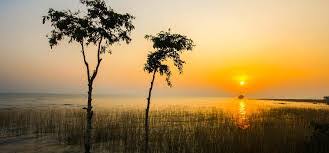 Debrigarh Wildlife Sanctuary Launches Eco-Friendly Tourism Developments">

مبادرات سياحية جديدة صديقة للبيئة في محمية ديبريغاره للحياة البرية
يشهد محمية ديبريغار للحياة البرية تحولًا ملحوظًا بضخ جديد قدره 71 كرور روبية هندية لتعزيز جاذبية السياحة البيئية. وينصب التركيز على مجموعة من المشاريع الحساسة بيئيًا المصممة لجذب الزوار مع دعم المجتمعات المحلية التي تعيش داخل المحمية وحولها. تشمل هذه الجهود: مخيمات التأمل في الطبيعة, خيام المنازل الخشبية على منصات خشبية، ولافتا للنظر ممشى مظلة الأشجار, ، وكلها مصممة لتمتزج بسلاسة مع المحيط الطبيعي.
إحدى مناطق الجذب الرئيسية هي عبارة عن ممشى مظلل بطول 300 متر معلقة على ارتفاع 100 قدم فوق أرضية الغابة، مما يتيح للزوار مشاهدة خلابة للتنوع البيولوجي الغني للمحمية من منظور قمة الشجرة. ستشهد المحمية أيضًا ترقية المرافق بما في ذلك استبدال مركبات السفاري وقوارب الرحلات البحرية القديمة، وتعزيز وسائل الراحة للزوار مثل خلية السياحة البيئية ومنضدة الحجز ومتجر بيع التذكارات.
المشاركة المجتمعية وسبل العيش المستدامة
تتمثل إحدى النقاط المحورية في المشروع في تمكين الأسر التي تعتمد على الغابات من خلال خلق فرص عمل في الأنشطة المتعلقة بالسياحة البيئية. سيتم إنشاء عشرون خيمة صديقة للبيئة في الأراضي الزراعية عند ‘النقطة صفر’ الواقعة خارج المحمية مباشرةً، مما يعزز خيارات الإقامة الليلية دون التدخل في مناطق الحياة البرية المحمية. بالإضافة إلى ذلك، فإن عدد الإقامات المنزلية في القرى المحيطة، ومن المتوقع أن تتضاعف ثلاث مرات، من خمسة إلى خمسة عشر، مما يدعو السياح لتجربة الحياة والثقافة المحلية الأصيلة.
يؤكد المسؤولون عن الغابات أن هذه المبادرات ستتكشف خلال السنة المالية الحالية، مما يعزز مكانة المحمية كمقصد للسياحة البيئية الشاملة للمجتمع. تشمل البنية التحتية التكميلية الأخرى مركزًا مؤقتًا للتأمل ومكتبة مبنية من الزجاج والخشب، ومصممة لتكون مركزًا للبرامج التعليمية وجلسات سرد القصص، تتسع لما يصل إلى 80 شخصًا. يهدف هذا المركز إلى تعميق فهم الزوار للقيمة البيئية لـ Debrigarh والتحديات التي تواجه الحفاظ عليها.
تخفيف حدة الصراع بين الإنسان والحيوان
لمعالجة التحديات المستمرة للنزاعات بين الإنسان والحيوان الشائعة في هذه المنطقة، تم التخطيط لحاجز بطول 100 كيلومتر على طول حدود المحمية. تم تصميم هذا السياج بشكل استراتيجي لتجنب البقع الحرجية الرئيسية وممرات الحيوانات، وسيساعد في حماية الحياة البرية مع تقليل تعطيل موائلها الطبيعية. هذه الجهود ضرورية للحفاظ على تعايش متوازن بين أهداف الحفاظ على الحياة البرية والاحتياجات الإنسانية المحلية.
السياق التاريخي وتطور السياحة البيئية في محميات الحياة البرية
اكتسب مفهوم دمج السياحة البيئية مع الحفاظ على الحياة البرية انتشارًا عالميًا على مدى العقود القليلة الماضية. وقد تطورت من السياحة التقليدية نحو نماذج أكثر استدامة تهدف إلى تقليل البصمات البيئية مع تعزيز تجربة الزوار والمزايا الاقتصادية للمجتمعات المحلية. ركزت السياحة الطبيعية في المناطق المحمية مثل دبريجاره تقليديًا على رحلات السفاري لمشاهدة الحياة البرية والصيد، ولكنها توسعت لتشمل أنشطة متنوعة بما في ذلك معسكرات التأمل والمشي المظلي والإقامة البيئية.
تاريخياً، كانت محميات الحياة البرية هذه بمثابة موائل بالغة الأهمية لحماية النباتات والحيوانات من تعديات الإنسان. ومع ذلك، غالبًا ما يشكل التفاعل بين السكان المحليين والحياة البرية تحديات، لا سيما في المناطق ذات الكثافة السكانية العالية حول حدود الغابات. بمرور الوقت، شكل الهدف المزدوج المتمثل في الحفاظ على البيئة وتحقيق الفائدة للمجتمع العديد من استراتيجيات تطوير المحميات لتشجيع السياحة الصديقة للبيئة. وهذا لا يحافظ على التنوع البيولوجي فحسب، بل يولد أيضًا سبل عيش مستدامة من خلال فرص العمل المتعلقة بالسياحة ونمو الأعمال التجارية المحلية.
| جانب التطوير | Description | Expected Impact |
|---|---|---|
| خيام صديقة للبيئة في نقطة الصفر | عشرون خيمة ذات قاعدة خشبية منغمسة في أرض زراعية | زيادة الإيواء مع الحفاظ على الموائل الطبيعية |
| توسيع المنازل الريفية | زيادة عدد المساكن المحلية من 5 إلى 15 في القرى المجاورة. | يعزز السياحة الثقافية والاقتصاد المحلي |
| ممشى المظلة | ممر للمشاة بطول 300 متر، على ارتفاع 100 قدم فوق مستوى سطح الأرض | منصة فريدة لمشاهدة التنوع البيولوجي وجذب الزوار |
| مركز التأمل والمكتبة | هيكل من الزجاج والخشب للتعليم ورواية القصص | تعزيز الوعي البيئي لدى الزوار |
| حاجز الحدود | سياج بطول 100 كيلومتر يتجنب الممرات الحيوانية الرئيسية | تقليل النزاعات بين الإنسان والحيوان وخطر الصيد الجائر |
أهمية السياحة البيئية في تعزيز السفر المستدام
تُعد السياحة البيئية حجر الزاوية للسفر المستدام في محميات الحياة البرية، حيث أنها تمزج بين الإشراف البيئي والتنمية الاقتصادية. ومن خلال تعزيز المشاركة المباشرة للمجتمعات المحلية في الأنشطة السياحية، فإنها تخلق إحساسًا بالملكية والمسؤولية تجاه أهداف الحفاظ على البيئة. تجارب مثل الإقامة في خيام المنازل الخشبية أو المشي في مظلة الغابة، توفر للمسافرين اتصالات غامرة مع الطبيعة، مما يثير تقديرًا واحترامًا أعمق للتنوع البيولوجي.
علاوة على ذلك، تساعد هذه المبادرات الصديقة للبيئة في تنويع عروض السياحة بما يتجاوز الأنشطة التقليدية، وجذب شريحة أوسع من المسافرين الذين يبحثون عن الترفيه الهادف والمسؤول. وتشمل الفوائد الإضافية خلق فرص عمل ودخل لأسر القرية، مما يمكن أن يساعد في تخفيف الضغوط على موارد المحمية وتقليل الصراع من خلال توفير مصادر بديلة لكسب الرزق.
ربط السياحة البيئية باتجاهات السياحة الأوسع نطاقا
من منظور أوسع، يدرك قطاع السياحة العالمي بشكل متزايد قيمة التجارب السياحية البيئية والطبيعية. وتلعب المحميات مثل Debrigarh دورًا حيويًا في هذا النظام البيئي من خلال العمل كمراكز تلتقي فيها جهود الحفاظ على التنوع البيولوجي والتراث الثقافي. تلبي المخيمات الطبيعية المُدارة جيدًا والإقامات المستدامة الطلب المتزايد من المسافرين على المغامرات الأصيلة منخفضة التأثير.
تتوافق هذه التطورات أيضًا مع الاهتمام المتزايد بسياحة الصحة والعافية، حيث تزداد شعبية معسكرات التأمل التي تسخر قوة الطبيعة العلاجية. ومع تحسين البنية التحتية والخدمات، فإن وجهات مثل محمية دبريغاره على استعداد لتلبية توقعات الراحة والتثقيف، مما يعزز رضا الزوار بشكل عام.
التحديات والاعتبارات
في حين أن الفرص المتاحة في مجال السياحة البيئية واعدة، لا تزال هناك تحديات مثل تحقيق التوازن بين النشاط البشري وحماية الحياة البرية. يجب أن تعطي تنمية البنية التحتية الأولوية لتقليل الإخلال البيئي وحماية ممرات الحيوانات الحساسة. بالإضافة إلى ذلك، يعد التواصل المستمر مع المجتمعات أمرًا بالغ الأهمية لضمان توزيع المنافع بشكل عادل واحترام العادات المحلية.
نظرة مستقبلية: مستقبل السياحة البيئية في دبريجاره
تُبرز مشاريع السياحة البيئية الحالية في محمية ديبريغاره للحياة البرية التزامًا بالتنمية المستدامة، حيث تمزج السياحة الحديثة بالحفاظ على الطبيعة ورفاهية المجتمع. ومع تطور هذه التحسينات، تستعد المحمية للظهور كوجهة مفضلة للمسافرين الباحثين عن تجارب قائمة على الطبيعة وغنية بالأصالة الثقافية.
بالنظر إلى الشهية العالمية المتزايدة للمغامرة في الهواء الطلق والسفر المسؤول، من المتوقع أن مبادرات مثل معسكرات التأمل، والممرات المعلقة، والإقامة البيئية ستعزز أعداد الزوار. وهذا بدوره، سيدعم الاقتصادات المحلية ويعزز الجهود المبذولة للحفاظ على التنوع البيولوجي. إن دمج المراكز التعليمية يضمن أيضًا حصول الزوار على فهم شامل للأهمية البيئية لهذه المناطق المحمية.
بالنظر إلى ما وراء المناظر الطبيعية الخلابة، يتماشى هذا النهج جيدًا مع الاتجاهات الحالية في مجال السياحة التي تركز على الاستدامة، وإشراك المجتمع المحلي، والتجارب الغامرة. كما يفتح مسارات للابتكار في عروض السياحة البيئية، مثل الجولات المصحوبة بمرشدين لمشاهدة الحياة البرية، ومشاهدة الطيور، والرحلات التعليمية بالقوارب في المسطحات المائية القريبة حيثما كان ذلك ممكنًا.
Summary and Conclusion
تعكس استثمارات محمية الحياة البرية في ديبريغاره الطموحة التي تبلغ 71 كرور روبية هندية في البنية التحتية السياحية الصديقة للبيئة، بما في ذلك ممرات المظلات والمخيمات الطبيعية والتوسع في الإقامات المنزلية، تأكيدًا متزايدًا على السياحة الطبيعية المستدامة والانغماسية. من خلال تعزيز التجارب التي تجذب الزوار إلى التنوع البيولوجي للمحمية، إلى جانب حماية الموائل البرية ومعالجة الصراعات بين الإنسان والحيوان، توازن هذه الجهود بين النمو السياحي والحفاظ على البيئة.
إن استراتيجية إشراك المجتمعات المحلية تعزز الآفاق الاقتصادية وتضمن أن يساهم تطوير السياحة بشكل إيجابي على مستوى القاعدة الشعبية. ومع استكمال النزل البيئية ومعسكرات التأمل لرحلات السفاري التقليدية للحياة البرية، تضع دبريجاره نفسها كوجهة للمسافرين الواعين والمنخرطين.
For those captivated by the beauty of nature and seeking to explore such eco-friendly destinations, the service at موقع GetBoat.com offers an excellent gateway. It serves as an international marketplace for renting sailing boats and yachts, perfectly suited for adventurers wishing to complement their land experiences with boating activities on nearby seas, lakes, or gulfs. Whether you dream of waterborne sightseeing, fishing expeditions, or leisurely cruises, GetBoat.com can connect you with options that fit every taste and budget, adding a fresh dimension to your eco-tourism journey.