


 العربية
  English (UK)
  Русский
  日本語
日本語  한국어
한국어  Magyar
  Türkçe
  Español
  Čeština
  Svenska
  Português
  Ελληνικά
  Suomi
Suomi  Nederlands
  Română
  Italiano
  Français
  Polski
  Українська
  Deutsch
  简体中文
简体中文  Slovenčina
  V&A للتداول: إرث المعارض المتنقلة">

This article examines the history and legacy of the Victoria and Albert Museum’s Circulation Department and the travelling exhibitions that shaped post‑war cultural outreach.
Overview of the Circulation Department and its Purpose
إن Circulation Department at the Victoria and Albert Museum was established to create and dispatch travelling exhibitions to art colleges, regional museums and cultural institutions across the UK and, on occasion, overseas. Unlike curatorial divisions devoted to a single collection area — such as textiles, ceramics, or prints — Circulation was interdisciplinary by design, assembling ensembles of objects that showcased design trends, historical craftmanship and contemporary aesthetics to audiences beyond central London.
Oral histories collected in the Curators’ Lives archive illuminate how the department operated: how objects were researched, packaged, and transported; how display schemes were conceived; and how staff negotiated institutional collaborations. Interviewees such as Barbara Morris and Betty Elzea provide first‑hand perspectives on the logistics and ambitions behind the department’s most memorable exhibitions.
Notable Exhibitions and Their Reach
| Year | Exhibition | Focus | Materials and Objects |
|---|---|---|---|
| 1952 | Victorian and Edwardian Decorative Arts | British decorative arts history | Furniture, metalwork, ceramics, furnishings |
| 1969 | Italian Renaissance Maiolica | Renaissance ceramic techniques and aesthetics | Maiolica plates, object photographs, catalogues |
| 1960–1962 | Finlandia: Modern Finnish Design | Contemporary Nordic design | Glassware, lighting, furniture, ornamental sculptures |
| unspecified | Arts of Ancient Rome | Classical arts and material culture | Photographs, labels, display sketches |
How the Curators’ Lives Archive Sheds Light
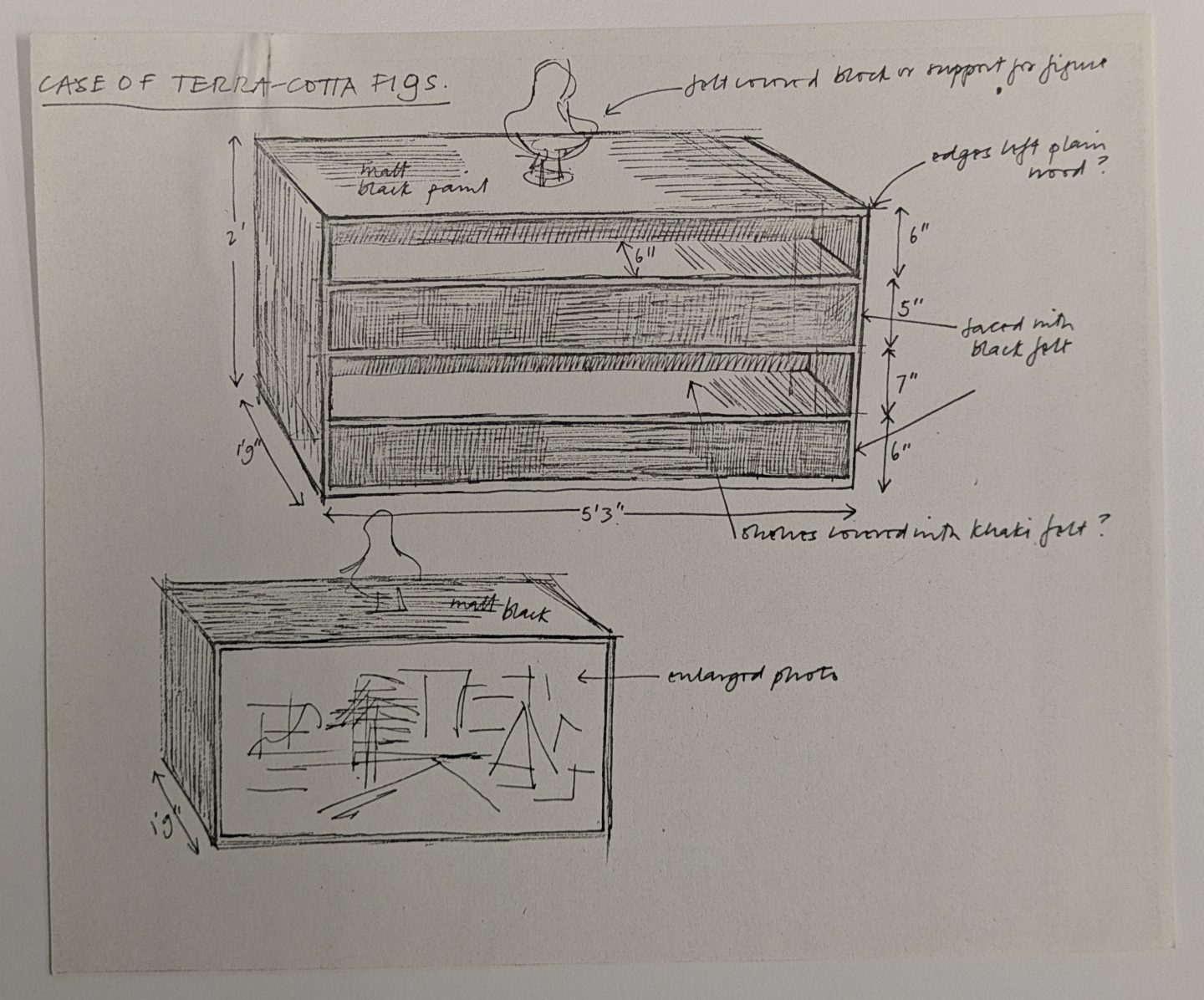
The oral histories gathered under the banner Curators’ Lives function as a practical archive of museum practice. Interview transcripts and recordings record detailed procedural knowledge — packing lists, display sketches, object labels and correspondence — that reveal the day‑to‑day challenges of circulating fragile objects. These accounts also document moments of innovation: creative display solutions, regional partnerships, and responses to contemporary design movements.
- Logistics: Methods for packaging and transporting delicate objects across long distances safely.
- Collaboration: Communication between V&A curators and external institutions, colleges, and regional museums.
- Interpretation: Thematic framing used to make historical and foreign material resonant for local audiences.
Staff Voices: Barbara Morris and Betty Elzea
Contributions from staff members such as Barbara Morris و Betty Elzea provide vivid snapshots of the department’s impact. Morris describes the 1952 Victorian and Edwardian Decorative Arts show as a landmark moment: a demonstration of how the V&A could extend its reach, educate new audiences and reinforce the museum’s scholarly authority. Elzea’s archival donations — including object photographs, posters, catalogues and packing lists — offer material evidence of the careful curation that went into travelling displays like the Italian Renaissance Maiolica and the Arts of Ancient Rome exhibitions.
Exhibition Contents and Material Culture
Items circulated ranged from everyday domestic objects to museum‑quality artefacts. By juxtaposing household items, industrial designs and historical objects, Circulation constructed narratives about taste, national identity and international influences. The Finlandia exhibition, for example, responded to growing British interest in Nordic design during the 1950s and 1960s by presenting glass, lighting and sculptural ornaments that embodied modernist values.
Closure, Redistribution and the ‘CIRC’ Mark
The eventual closure of the Circulation Department had institutional consequences. Interviews discuss how staff were reassigned to other curatorial departments and how many objects formerly managed by Circulation were formally integrated into collections such as Ceramics, Textiles و Prints and Drawings. Today, an object label marked “CIRC” in the V&A indicates a provenance linked to the travelling exhibitions program, a subtle marker of a once‑active mission to democratize access to design.
Legacy for Contemporary Museum Practice
Circulation’s model prefigures many contemporary ambitions in museum outreach: decentralised programming, regional partnerships, and temporary displays tailored to local needs. The department demonstrated that circulating objects could foster educational ties with art schools and civic institutions and that strategic touring schedules could increase public engagement with design history outside metropolitan centres.
What the Archive Offers to Researchers and Curators
The Curators’ Lives archive is a valuable resource for museum professionals and historians. It provides:
- Practical protocols for exhibition handling and transport.
- Case studies in collaboration and audience development.
- Context for institutional decisions about collection management and departmental reorganisation.
Broader Cultural and Tourism Implications
Travelling exhibitions historically contributed to cultural tourism by activating regional museums and galleries as destinations. Such programming encourages local visitation, supports museum economies, and disperses cultural capital beyond a single urban core. In an era of renewed interest in experiential travel, heritage exhibitions remain a strategy for stimulating regional cultural itineraries and supporting community engagement with material culture.
In summary, the V&A’s Circulation Department played a distinct role in mid‑century museum practice, combining curatorial breadth with logistical ingenuity to bring design to diverse audiences. The Curators’ Lives interviews preserve not only the record of those exhibitions but also the institutional memory of how exhibitions were planned, transported and displayed — knowledge that continues to inform how museums think about outreach and regional partnerships today.
موقع GetBoat.com is always keeping an eye on the latest tourism news, monitoring how cultural initiatives and regional programming influence visitor patterns and destination development around the world.