


 العربية
  English (UK)
  Русский
  日本語
日本語  한국어
한국어  Magyar
  Türkçe
  Español
  Čeština
  Svenska
  Português
  Ελληνικά
  Suomi
Suomi  Nederlands
  Română
  Italiano
  Français
  Polski
  Українська
  Deutsch
  简体中文
简体中文  Slovenčina
 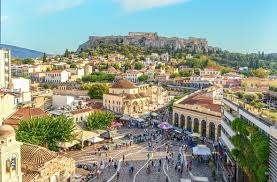 أثينا تعزز جاذبيتها السياحية وسط مخاوف بشأن البنية التحتية">

Strong Tourism Momentum in Athens as 2026 Approaches
Athens is entering 2026 with buoyant tourism demand and growing investor confidence, marking its rise as a prominent European hotel investment hub. Recent analyses reveal that Athens climbed from the 10th to the 8th most attractive city for hotel investments in Europe, thanks to solid tourism performance, expanding global hotel brands, and enduring cultural appeal.
Yet, despite this positive momentum, local hoteliers express concern that without accelerated improvements in city infrastructure and urban planning, this growth may not be sustainable in the long term. The city’s capacity to accommodate increasing visitor numbers hinges on strategic action to upgrade public amenities and services.
Expansion of Hotel Chains and Shifting Market Dynamics
The Athens hospitality sector is currently dominated by a strong presence of international hotel chains, reflecting a mature and branded market atmosphere. Presently, 55 hotel chains operate within the Attica region, including prominent global players such as Marriott International, Hyatt, IHG, Wyndham, Zeus, and Accor.
Among five-star accommodations, 82% of rooms are managed by chained hotels, indicating a trend toward consolidation and brand dominance. Additionally, new trends include the growth of boutique and lifestyle hotels, serviced apartments, and aparthotels, alongside increased investment in sustainability and energy-efficient upgrades.
Several urban regeneration projects are underway in neighborhoods like Omonoia, Koukaki, Metaxourgeio, and Piraeus, where older buildings are being modernized into higher-quality hospitality properties. The branded residences segment is also seeing significant growth, broadening accommodation offerings for visitors.
Key Hotel Investment Rankings and Market Trends
Data from hotel investment surveys confirm Athens as a top destination for European hotel investors, now standing alongside cities like Berlin, Copenhagen, and Brussels. Investors highlight a supply-demand imbalance, with demand outpacing available room capacity, leading many to pursue value-add strategies that renovate and upgrade existing hotel assets to increase their market appeal and profitability.
| Hotel Chain | Market Share (%) |
|---|---|
| Marriott International | 19 |
| Hyatt | 14 |
| IHG | 13 |
| Wyndham | 12 |
| Zeus | 12 |
| Accor | 11 |
Robust Tourism and Hotel Performance Metrics
The tourism sector’s strong foundation is also reflected in visitor arrivals and hotel occupancy rates. Athens International Airport recorded a 9.2% increase in foreign arrivals in the first ten months of 2025, totaling over 7 million international travelers. Although this is impressive, around 43% of visitors transit beyond Athens to explore other destinations in Greece.
Performance indicators include an occupancy rate of approximately 78%, an average daily rate (ADR) increase to 185 euros, and a revenue per available room (RevPAR) growth nearing 3%. Compared with other Mediterranean capitals like Rome, Madrid, and Lisbon, Athens demonstrates comparatively higher occupancy and competitive pricing, reinforcing its position as an attractive city-break destination.
Infrastructure Bottlenecks and Urban Challenges
Despite its flourishing hotel market, Athens faces significant infrastructure challenges that temper enthusiasm among industry stakeholders. Issues such as waste management, city cleanliness, traffic congestion, and general mobility remain pressing concerns that impede the everyday experience for both residents and visitors.
Experts underline that the scale of private investment in hotels far outpaces improvements in the city’s underlying infrastructure, suggesting an urgent need for coordinated planning efforts. A strategic approach to managing accommodation capacity—accounting for the diverse infrastructure levels across different city municipalities—is essential to sustaining growth without degrading quality of life or visitor satisfaction.
Urban Planning and Tourism Strategy Considerations
City officials and hotel association representatives emphasize the importance of evaluating the balance between mass tourism and quality-centered tourism. Questions about how many tourist beds can be supported in various accommodation categories and areas of the city are critical to maintaining a model that respects both locals and travelers.
The complexity of Athens’ governance, described as a “city-prefecture,” presents unique planning challenges, requiring reconciliation of diverse interests to forge a coherent tourism development strategy. Without sufficient infrastructure upgrades in transportation, parking, and public services, hopes to double or triple visitor numbers could falter, diminishing long-term prospects.
Historical Context and Tourism Development in Athens
The cultural and historical wealth of Athens has been a foundation for tourism for decades. Main attractions such as the Acropolis, the Parthenon, and the ancient Agora continue to draw global attention, offering visitors a deep dive into Greece’s ancient legacy.
While tourism in Athens experienced shifts during the late 20th century—partly due to urban sprawl and air pollution—recent decades have seen regeneration efforts, including infrastructure upgrades prompted by events like the 2004 Olympics. These initiatives improved the city’s airport, public transit, and hotel offerings, making Athens more competitive globally.
Athens also benefits from proximity to beach resorts along the Apollo Coast and nearby islands like Aegina and Spetses, providing appealing options for visitors seeking varied experiences. These nearby maritime destinations contribute to the broader appeal of Athens as a base for combined cultural, beach, and yachting activities.
Looking Ahead: The Role of Infrastructure in Sustaining Tourism Growth
If Athens aligns private investment with strategic public infrastructure development, the city can firmly establish itself among Europe’s premier tourism and hotel markets. The focus on sustainability, boutique hospitality, and regeneration areas indicates a maturing destination mindful of evolving traveler expectations.
Investment in transport infrastructure, urban cleanliness, and resource management will be critical to ensuring that growth benefits both the industry and the local population. Balancing the demands of increasing tourism with the capabilities of city infrastructure will dictate the path Athens takes in the years ahead.
Summary Table: Athens Tourism and Hotel Market Highlights
| Aspect | Key Data/Notes |
|---|---|
| European Hotel Investment Rank | 8th (up from 10th) |
| Number of Hotel Chains in Attica | 55 (25 international, 27 national, 3 local) |
| Hotel Occupancy Rate (Jan-Oct 2025) | ~78% |
| Average Daily Rate (ADR) | 185 euros (up 2.8%) |
| Foreign Arrivals (Jan-Oct 2025) | 7.1 million (+9.2%) |
| Visitors Staying in Athens/Attica | 57% |
| Major Challenges | Infrastructure gaps, mobility, waste management |
الخاتمة
Athens is riding a wave of tourism growth coupled with increasing confidence from international hotel investors, marking a pivotal moment for the city’s hospitality sector. The city’s climb to the eighth position among Europe’s top hotel investment markets reflects its cultural magnetism and expanding accommodation offerings, from luxury chains to boutique stays.
Nevertheless, the sustainability of Athens’ tourism boom depends critically on urgent urban infrastructure upgrades. Addressing challenges such as congestion, waste management, and transport infrastructure will be essential to maintaining visitor satisfaction and supporting long-term market vitality.
For travelers and sailing enthusiasts, Athens and the surrounding Attica region—including the nearby islands—offer a multifaceted destination where history meets coastal allure. The combination of vibrant city life with access to beaches, marinas, and yacht charters presents opportunities for unforgettable boating and water-based experiences.
For those eager to explore Athens from the waters, موقع GetBoat.com stands out as an international marketplace for renting boats and yachts, providing easy access to sailing adventures along the Athenian coast and beyond. With options to suit every taste and budget, it brings travelers closer to the sun-drenched waterways and maritime delights that define this historic region.