


 العربية
  English (UK)
  Русский
  日本語
日本語  한국어
한국어  Magyar
  Türkçe
  Español
  Čeština
  Svenska
  Português
  Ελληνικά
  Suomi
Suomi  Nederlands
  Română
  Italiano
  Français
  Polski
  Українська
  Deutsch
  简体中文
简体中文  Slovenčina
  How AI is Shaping the Future of Travel Experience Across Sectors">

Revolutionizing Travel Through AI Integration
The travel industry is undergoing a profound transformation, driven by the integration of artificial intelligence (AI) at every stage of the journey. From finding inspiration to post-trip feedback, AI tools are reshaping how travelers plan, book, and experience their adventures. As travelers face an abundance of choices and seek seamless, personalized experiences, AI stands out as a critical game-changer providing real-time assistance and smarter decisions.
The Current Landscape: AI in Travel Today
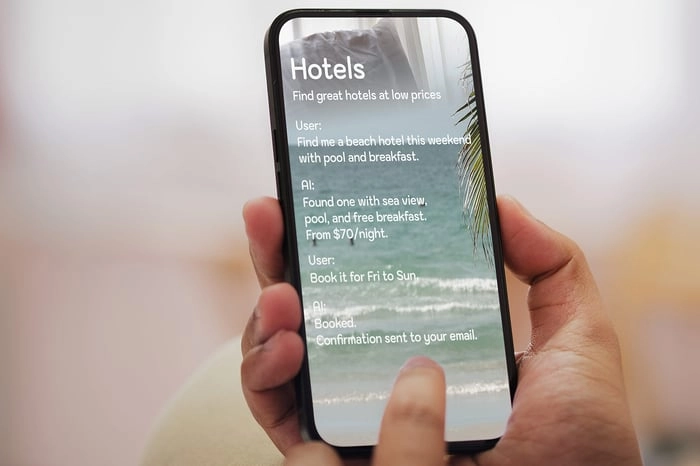
Artificial intelligence is no longer a futuristic concept in travel; it is actively enhancing travel processes. AI enables travelers to receive tailored trip inspiration based on their preferences and history, allowing for almost instantaneous itinerary creation through generative AI technologies. Fully AI-powered travel apps are emerging as alternatives to traditional third-party booking platforms, promising speed and personalization.
Booking and pricing have likewise evolved with AI’s influence. Airlines and hotels implement dynamic pricing engines that adjust rates in real-time based on demand fluctuations, optimizing revenue and offering competitive prices. Meanwhile, AI-driven chatbots on websites cater to common inquiries about cancellations, loyalty programs, and upgrades, improving customer service availability around the clock.
During trips, predictive AI ensures smoother operations by managing schedules, rerouting transport as needed, and preempting maintenance issues before they impact travelers. Destinations themselves adopt AI tools — for example, hotel digital concierges that provide instant answers to guest queries enhance convenience and satisfaction. Once the trip concludes, AI-powered sentiment analysis of reviews helps providers identify service gaps and tailor marketing campaigns for precise, personalized outreach.
AI-Powered Travel Apps: The New Travel Planners
Decision fatigue is a real challenge for modern travelers, with many using multiple websites before landing on travel plans. This complexity benefits neither travelers nor operators. Artificial intelligence offers a streamlined solution by enabling quick, accurate trip planning with simple prompts like “I want a 4-day vacation focusing on beach activities near biking routes.” While current AI tools sometimes struggle with aggregating up-to-date data, advances in autonomous AI agents promise a future where entire bookings could be completed by bots, potentially nominating a shift from traditional online travel agencies (OTAs).
These developments create excitement among operators mindful of hefty OTA commissions, although large platforms are responding by integrating AI themselves. For instance, Booking.com has introduced an AI-enabled Trip Planner that understands open-ended user requests and applies smart filters, combining their vast resource database with AI’s conversational capabilities. Travelers show overwhelming interest in a consolidated “superapp” for travel needs — from flights and accommodation to local attractions — emphasizing convenience coupled with personalization.
| AI Application | Impact on Travel Experience |
|---|---|
| Dynamic Pricing Engines | Optimizes rates in real-time to maximize revenue and offer competitive prices. |
| Conversational AI Apps | Delivers quick, tailored travel plans and trip inspiration. |
| Predictive Maintenance | Minimizes disruptions by foreseeing transport or equipment issues. |
| AI-Powered Chatbots | Provides 24/7 customer support and local recommendations. |
| Post-Trip Sentiment Analysis | Identifies service gaps and personalizes marketing campaigns. |
Challenges AI Helps Tackle in Travel and Tourism
The travel industry faces ongoing challenges such as narrow profit margins, staffing shortages, and unpredictable changes in traveler demand. AI’s ability to optimize processes and predict trends is helping providers address these hurdles effectively.
- Labor shortages: Automation of repetitive tasks and enhancement of staff productivity, particularly in customer service through AI chatbots, helps alleviate workforce pressures.
- Margin pressure: AI-driven dynamic pricing tools enable companies to adjust rates optimally, increasing revenue without compromising competitiveness.
- Demand volatility: Advanced forecasting allows travel operators to anticipate market shifts and adjust operations like staffing and pricing promptly, reducing financial risk.
A Historical Glance at AI Progress in Travel
Over recent decades, travel technology has evolved from simple online booking sites to complex AI-driven ecosystems. Initially, price adjustments and customer service were manual, slow, and error-prone. The introduction of AI accelerated these functions: dynamic pricing emerged primarily in airlines before becoming commonplace in hospitality. Chatbots and digital assistants became widespread, providing immediate support and expanding digital engagement. The rise of generative AI brought new levels of customization in trip planning, moving toward near-instantaneous, conversation-like travel itinerary formulation.
The Next Frontier: Integrated, Cross-Sector AI Hospitality
While AI tools currently often function in isolated pockets—such as separate booking systems, customer service chatbots, and transport logistics—the real leap lies in cross-sector integration. A seamless AI hospitality ecosystem would ensure mutual communication between all parts of the travel experience. For example, if a flight delay occurs, the AI ecosystem would automatically update hotel check-in times and arrange transport adjustments, maintaining smooth continuity.
This interconnected environment is enhanced by federated learning, an approach allowing AI models to train collaboratively across travel service providers without compromising data privacy or requiring centralization. This technology is emerging as a powerful solution for coordination between airlines, hotels, transportation, and destination services.
Potential Impact on Travel Destinations and Tourism
The integration of AI across travel sectors promises to boost traveler satisfaction and streamline operations, potentially increasing the attractiveness of destinations—especially those offering rich, personalized experiences linked closely to local culture and activities. Destinations that adopt these technologies may experience improved tourism flows, better visitor management, and stronger economic resilience amid external shocks.
Looking Ahead: AI’s Role in Shaping Seamless Travel Experiences
AI is not merely enhancing current travel tools; it is redefining the entire ecosystem, creating opportunities for unprecedented convenience, personalization, and efficiency. As travelers become accustomed to ultra-responsive digital experiences, AI’s role will expand to becoming an indispensable travel companion—from yacht charters to guided tours and waterfront excursions. Boating and sailing sectors will particularly benefit, as AI can optimize scheduling and suggest customized marine activities matching preferences and conditions, enriching the guest experience on lakes, gulfs, and open oceans.
The Path Forward for Travel Providers
Travel businesses aiming to thrive in this new era need to embrace AI-driven innovations strategically. Integrating AI solutions across operations—from booking and pricing to real-time travel updates and post-travel analysis—will create competitive advantages. Furthermore, enhancing AI’s cross-sector capabilities will deliver the smooth, end-to-end experiences that modern travelers demand.
Summary Table: AI’s Role Across Travel Phases
| Travel Phase | Key AI Functions | Benefits |
|---|---|---|
| Inspiration & Planning | Generative AI itineraries, personalized recommendations | Saves time, enhances excitement and relevance |
| Booking & Reservations | Dynamic pricing, smart search filters, chatbot assistance | Competitive pricing, instant support, reduced friction |
| During Travel | Predictive scheduling, autonomous rescheduling, digital concierges | Seamless journey, fewer disruptions, on-demand info |
| Post-Trip | Sentiment analysis, personalized marketing campaigns | Improved services, targeted communication |
The transformative potential of AI offers fresh pathways for sailing and boating experiences. As travelers look for unique and tailored adventures on water, AI-powered platforms can smooth the way for hassle-free yacht charters, personalized trip planning, and efficient management of marinas and boating activities.
For those exploring regions renowned for their vibrant sailing culture and pristine waterways, leveraging AI in travel planning will become an essential tool to unlock the best experiences on sea and lake alike. Whether renting a superyacht or seeking fishing excursions in clear waters, the integration of AI promises more effortless access and higher satisfaction.
GetBoat.com, an international marketplace for renting sailing boats and yachts, stands ready to harness these advancements, connecting boating enthusiasts with a wide selection of vessels that cater to varying tastes and budgets. Staying attuned to AI’s evolving role in travel enhances the service’s ability to deliver unique and memorable maritime adventures.
In summary, the travel industry’s embrace of AI—from dynamic digital planning to cross-sector smart hospitality—marks a pivotal moment in tourism history. With travel becoming more personalized, efficient, and interconnected, both travelers and providers stand to benefit from AI’s surge, setting sail toward a future where every journey is as smooth as the calmest sea.