


 العربية
  English (UK)
  Русский
  日本語
日本語  한국어
한국어  Magyar
  Türkçe
  Español
  Čeština
  Svenska
  Português
  Ελληνικά
  Suomi
Suomi  Nederlands
  Română
  Italiano
  Français
  Polski
  Українська
  Deutsch
  简体中文
简体中文  Slovenčina
 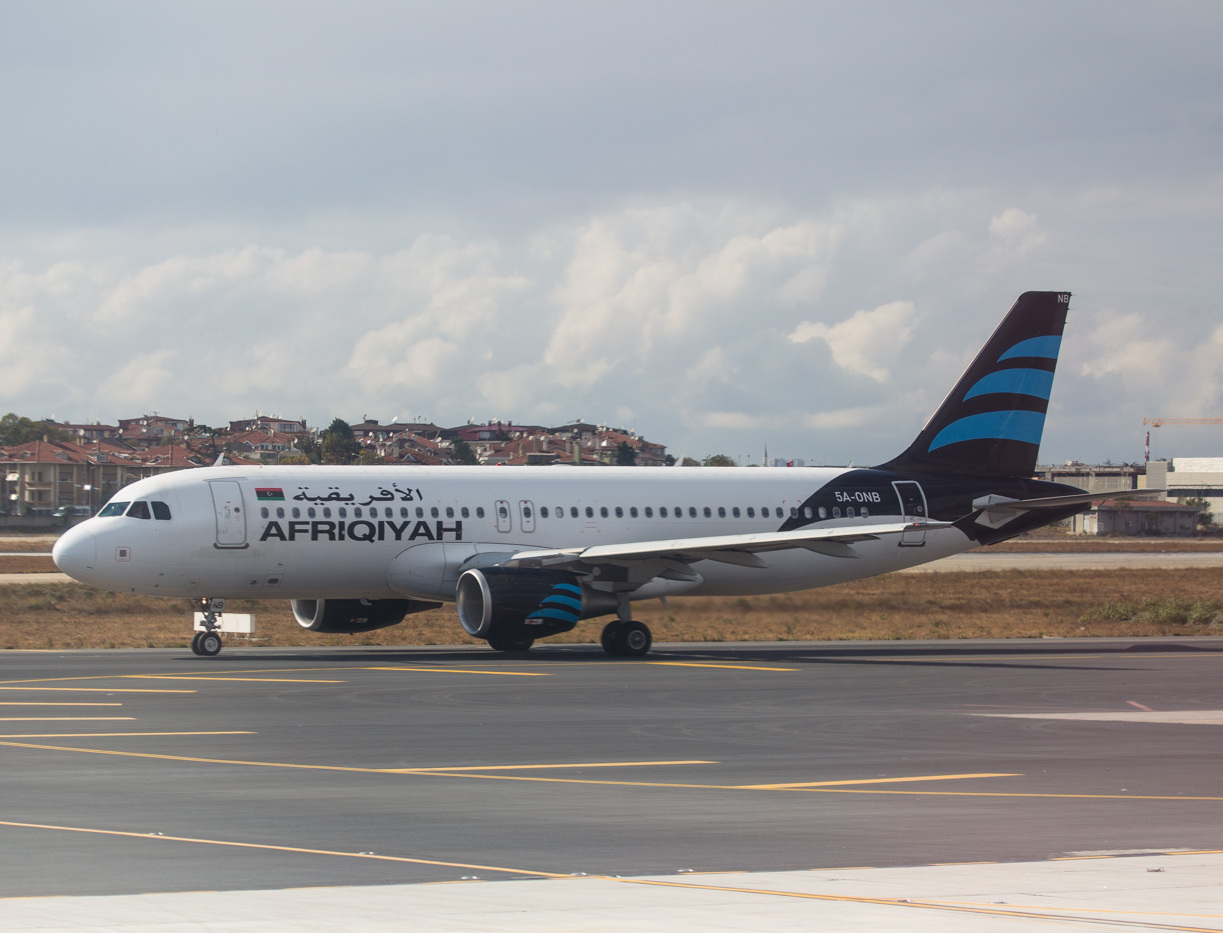 Afriqiyah Airways Converts Grounded A330 into Spare Parts Reserve">

Strategic Retiring of a Grounded Airbus A330
In the ever-evolving aviation landscape of Africa, Afriqiyah Airways has taken a decisive step by dismantling its Airbus A330-200 aircraft that had been inactive for over a decade. The aircraft, registered as 5A-ONP, had remained grounded since sustaining damage in 2014 amid difficult circumstances in Tripoli. Despite a prior maintenance budget and restoration attempts, the plane was never returned to passenger service, reflecting the complex operational challenges within certain regions.
Rather than viewing the aircraft as a lost cause, Afriqiyah Airways opted for a resourceful approach: converting the grounded A330-200 into a vital source of spare parts for their existing fleet. This move aims to alleviate some of the pressures related to maintenance, parts procurement, and operational reliability by creating a strategic reserve from the retired airframe. Such practices are increasingly common among African carriers striving to keep their fleets airborne amid fluctuating financial and logistical environments.
Implications for Airline Operations in Africa
This decision highlights important themes relevant to aviation in Africa, including adaptation and resilience. Supply chain disruptions and unpredictable economic conditions make long-term planning difficult, prompting carriers to devise innovative solutions to maintain flight schedules and service quality. By repurposing the A330-200’s components, Afriqiyah Airways reduces dependence on external suppliers and costly maintenance delays, which can directly benefit passengers and support the flow of connectivity across the continent.
Moreover, the case exemplifies the broader impact of regional instability on aviation assets. Once seen as a symbol of Libya’s ambition to expand its international air services, the A330-200’s fate underscores how factors beyond commercial rationale can dictate aircraft viability. Fleet sustainability in such contexts hinges not only on acquisition and finance but also on creative management of aging and damaged aircraft through part harvesting.
Historical Context of Aircraft Grounding and Fleet Management
Grounded aircraft have long posed challenges across many airlines in emerging markets, notably where financial or political pressures hinder fleet renewal. The concept of ‘cannibalization’—salvaging parts from retired or inactive planes—is a strategic response that has helped many carriers extend the service life of their operational jets. In regions like Africa, where new aircraft procurement is often constrained, maintaining access to reliable spare parts is critical for operational continuity.
Historically, the Airbus A330 model has been popular among airlines for its medium- to long-haul capabilities. However, the repair and maintenance of such wide-body jets require significant resources and parts availability. Political and economic challenges in Libya and several other African countries have made consistent aircraft maintenance a daunting task, thus elevating the importance of alternative strategies like part harvesting to keep fleets functional.
Fleet Maintenance Strategies Amid Global Challenges
The shift towards dismantling older aircraft for parts subtly reflects a larger global trend, influenced by issues such as financial constraints, regulatory hurdles, and supply chain volatility. African airlines are particularly affected due to limited access to new aircraft deliveries and difficulties in acquiring parts through usual channels. Therefore, creative solutions like this are not just a matter of necessity but also of survival and competitiveness.
This approach facilitates greater fleet reliability and decreases downtime, which is crucial for maintaining scheduled flights and ensuring passenger confidence. In turn, this operational resilience supports tourism and business travel by preserving vital air links within the region and beyond.
Benefits of Spare Parts Reserves in Fleet Sustainability
- Cost Reduction: Utilizing parts from retired aircraft helps lower maintenance expenses significantly.
- Improved Availability: Having a strategic stockpile of parts shortens repair times and decreases aircraft ground time.
- Fleet Longevity: Supports existing aircraft in remaining airworthy longer, delaying costly replacements.
- Enhanced Operational Stability: Avoids full reliance on global suppliers, which can be disrupted by geopolitical or economic factors.
Dismantling as a Forward-Thinking Fleet Management Tool
The decision to convert the grounded Airbus A330 into spare parts highlights an inventive mindset that can redefine fleet management. This method offers a blueprint for other operators facing similar situations, especially where challenges to fleet modernization are pronounced. Airlines in such environments may increasingly view retired planes as valuable resources rather than liabilities. This can help them navigate financial and logistical barriers more effectively while maintaining critical passenger services.
Looking Ahead: The Broader Aviation and Tourism Perspective
The aviation industry across Africa continues to evolve with shifting economic and political landscapes. Air connectivity is a pivotal factor in regional integration, tourism growth, and business development. Airlines adopting adaptive strategies like Afriqiyah Airways’ spare parts reserve may sustain or improve their service levels despite external pressures. This, in turn, supports industries dependent on reliable air transport, including tourism, which thrives on accessible and consistent flight options.
While Libya’s current air links remain limited by infrastructure and regulatory constraints, the commitment to maintaining functional fleets may signal a gradual recovery phase. Increased reliability in airline operations can boost traveler confidence, stimulate tourism demand, and contribute to broader economic recovery through enhanced mobility.
Aviation and Maritime Travel: Points of Connection
Though this development primarily concerns aviation, there is an intriguing parallel with the maritime and sailing sector. Both spheres depend heavily on effective maintenance, availability of spare parts, and fleet reliability to ensure smooth operations. Just as yachts and sailing boats require strategic upkeep and part availability for safe voyages, airlines must innovate to maintain their fleets against adversity. Such cross-industry lessons underscore a universal truth in transportation sectors—sustained access to parts and maintenance underpins operational success.
Summary and Conclusion
The retirement and dismantling of Afriqiyah Airways’ grounded Airbus A330-200 exemplify a pragmatic and innovative response to longstanding fleet challenges. By converting the aircraft into a strategic reserve of spare parts, the airline addresses maintenance hurdles that could otherwise limit flight reliability amid supply constraints. This approach not only reflects the realities of aviation operations in regions facing economic and political headwinds but also offers a strategic pathway for other airlines in similar scenarios.
In doing so, Afriqiyah Airways enhances its fleet’s sustainability and supports broader objectives of maintaining aviation links essential to tourism and commerce across sub-Saharan Africa. Such inventive fleet management practices may become increasingly vital as global supply chains remain erratic and financial resources tight.
For those engaged in yachting, boating, and sailing activities, the challenges and solutions in aviation echo familiar themes of resourcefulness and adaptability. The availability of spare parts, from engines to electronics, is a cornerstone of safe and enjoyable water adventures. The interplay between air and sea travel industries highlights the importance of resilient infrastructure in fostering vibrant travel ecosystems.
For enthusiasts planning their next adventure by sea or lake, and for those looking to rent yachts or sailing boats, platforms like موقع GetBoat.com offer an excellent resource. GetBoat is a leading international marketplace connecting travelers with sailing boats and yachts, catering to diverse tastes and budgets while promoting seamless boating experiences across marinas worldwide.