


 العربية
  English (UK)
  Русский
  日本語
日本語  한국어
한국어  Magyar
  Türkçe
  Español
  Čeština
  Svenska
  Português
  Ελληνικά
  Suomi
Suomi  Nederlands
  Română
  Italiano
  Français
  Polski
  Українська
  Deutsch
  简体中文
简体中文  Slovenčina
  Navigating Boat Shows – Your Guide to Buying the Dream Aluminum Fishing Boat">

Choose a 16–18 ft aluminum fishing boat with a wide beam for stability and easy handling. Prepare a concise needs list, measure your storage, and set a realistic total budget, including trailer and gear. This approach will help you save money and compare these boats efficiently. Tip: bring a tape measure and a notepad to capture exact dimensions and notes at each booth.
Focus on hull design: stability comes from beam width, a shallow deadrise, and weight distribution, while maneuverability depends on a responsive tiller or console layout. For inland lakes, target a beam around 68–72 inches, a welded hull, and a transom rated for 90–115 HP to ensure planing performance. Unlike sailboats, these boats have no sails, which keeps maintenance straightforward and costs lower. Consider material thickness and cross-sections as part of a tight budget, and check the store options from multiple brands to compare value. Compare those options that align with your priorities.
Test handling at the show by simulating common tasks: turning in tight spaces, loading gear, and passing through chop at 10–15 mph. These tests reveal performance gaps between models, especially in how the boat handles weight shifts when you add friends and gear. Look for models that offer available upgrades such as locking rod storage, refrigerated livewells, and built-in battery trays to simplify getting ready for trips. These features add ease to daily use on the water.
Family use matters: without children, you may prioritize max cockpit space and low maintenance; with children, prioritize crowded-day safety features, non-slip decking, and stable platforms for casting. Ensure proper railing height, secure cleats, and easy access to a reliable bilge pump. Think about storage solutions for gear, bait, and life jackets, and confirm that the boat’s weight and trailer load fit your garage or storage lane.
When deciding, think of it as an investment with store demos and in-store financing options. These shows offer opportunities to compare price points, warranties, and dealer incentives side by side. Use this moment to invest in a boat you’ll trust for years. After narrowing to a couple of options, request a detailed spec sheet and a written test plan to verify that your chosen model meets your needs and fits your budget.
Targeted prep for aluminum fishing boat buyers at boat shows
Make a three-boat shortlist and a concrete demo plan before you step into the show. This focused prep keeps you grounded and ensures you compare like-for-like aluminum fishing vessels.
Positioning yourself as a serious buyer means mapping your typical day on the water: where you fish (shoreline, river, inlets), how you maneuver in a marina, and how easily you access gear from the bow and stern. Filter options by those needs rather than flashy features.
Experienced buyers should inspect hull integrity: look for clean welds, consistent rivets, and corrosion protection. Ask for the gauge of aluminum and overall weight, and verify trailer compatibility with your existing rig. Compare live wells, rod storage, and gear space at similar lengths to ensure you don’t overrun space in practice.
For those bringing children, check safety features: tall, non-slip decks, high rails, and reachable storage so kids enjoy the ride without clutter. Look for retractable boarding ladders or easy-access transoms that simplify getting on and off when the dock gets busy.
At the show, request a side-by-side comparison of two to three vessels in a similar length and fishing layout. Note differences in space between console, casting decks, and live-well capacity. Use a simple matrix to record hull type, motor options, battery configuration, and trolling motor readiness, then make a decision based on your timeline and budget.
Getting hands-on time helps: you could request a water-test slot or a controlled on-water demo near the marina. If the show has used models, compare wear on transom, console, and rub rails to spot long-term maintenance needs.
Edge cases: retractable fishing seats or flip-up consoles can ease storage at home port. Confirm access to bilge pump, live-well drainage, and battery bank under console for easy maintenance.
Those with experience on keelboat or sailboat can apply the same discipline: map your crew, gear, and port limits, then verify that each vessel offers safe boarding, a stable ride, and predictable handling. When you compare models, choose the one that fits your space and gets you back to enjoying time on the water with family and friends.
Identify your primary fishing environments and target boat size
Choose a versatile 18–22 ft aluminum boat as your baseline for inland and nearshore fishing. Having a stable platform with a shallow draft lets you work rivers, marsh creeks, and small bays without adding a second craft. This vessel size keeps transport simple and costs predictable, making the selection practical for beginners and experienced anglers alike. If youve already toured a few models, this baseline helps you compare features quickly, focusing on those that truly affect how you fish every day.
Identify your primary fishing environments: freshwater lakes with calm coves, rivers with current, tidal estuaries, and open coastal bays. There, you will see how miles of shoreline and water depth influence gear choices. For days with wind or chop, a hull with good stability, a robust livewell system, and reliable bilge and electrical setups matter. Use photos from past trips and from exhibitors to compare layouts side by side and note which features play to your fishing styles and access points.
Choosing your target size by environment yields practical guardrails: 18–20 ft covers most lakes and calm rivers with easy handling; 20–22 ft balances inland use with longer runs and more gear; 22–26 ft suits open bays and offshore days, especially with a cruiser-style console and higher freeboard. Likely you will prize a wider casting deck and a fixed transom that accepts standard outboards, which keeps maintenance simple and upgrades straightforward. Those considerations reduce the risk of overestimating or underestimating needed capacity.
Key decision factors include hull design (all aluminum, V hull versus flat bottom), draft, seating layout, livewell capacity, storage, and the system reliability of electrical and trolling motors. A fixed transom supports heavier motors and reduces the risk of splash during long runs. Check marina access, ramp angles, and trailer width so you can align your skills and preparation with the vessel you own, owning a craft that fits your routine. Experts at the show can point out hidden advantages and tradeoffs you may miss. Prepare questions in advance and note how the boat performs in turns and while backing. Crucial checks include engine response, steering feel, and hull integrity. And also evaluate the battery, trolling motor, and accessory systems for reliability.
Prepare a simple plan for test trips and dock checks: verify you can reach gear from both sides, confirm casting decks fit your style, and measure storage for rods and tackle boxes. At shows, talk with exhibitors and request real-world feedback from those who own and operate similar vessels. Gather photos and notes, compare system diagrams, and assess the concerns you might have about long days on the water. With this approach you map the advantages and build a decision based on data rather than impressions.
Set a show-specific budget and financing options for aluminum boats
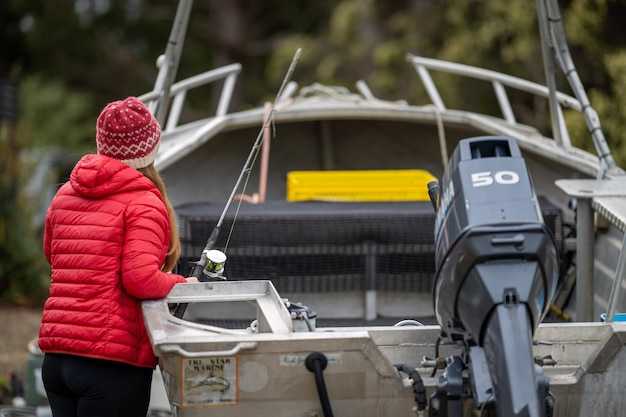
Set a show-specific budget of about $30,000–$45,000 for a ready-to-run aluminum fishing boat with trailer and essential gear; this range covers most 16–20 ft models with a 40–70 hp outboard, a trolling motor, and basic electronics. Adjust upward for larger hulls or higher-spec options, and lock your ceiling before you start discussions.
Before you walk the aisles, have financing pre-approved and set a target youd use to compare offers. Create a short list of 3 boats that fit your living situation and check warranties, service options, and the availability of service centers. Attend seminars led by experts to parse terms and offers, so you know what to seek in a deal.
Budget tiers you could consider at the show:
- Entry: 12–16 ft hull, 20–40 hp, basic electronics; out-the-door price around $12,000–$18,000 (new base) or $8,000–$12,000 used.
- Mid: 16–20 ft hull, 40–70 hp, trolling motor, fish finder; price roughly $25,000–$40,000.
- Premium: 20–22 ft hull, 70–115 hp, advanced electronics, upgraded seating; price roughly $45,000–$70,000.
Financing options to explore at the booth:
- Dealer offers: promotions often include low down payments and flexible terms; compare total cost and APR across three dealers.
- Credit unions and banks: pre-approval speeds decisions; terms typically 36–72 months; rates vary based on credit; bring a pre-qualification letter to the show.
- Leases: available in some cases; evaluate the buyout option and total cost of ownership.
- Warranties: verify hull and engine warranties; common hull warranties run 5–10 years; engine warranties 2–5 years; ask what components are covered and for how long.
- Extras and protection: consider maintenance plans, insurance estimates, and trailer protection; these affect monthly spend.
Show-day tips to find the ideal selection:
- Walk the exhibits with a focused plan–compare 3 boats that meet your living needs and test each one on calm excursions to feel maneuver and handling.
- Ask questions: financing terms, down payment, payment schedules, warranty coverage, service availability, and what adds to the total cost.
- Look at the practical details: hull thickness, rivets, console space, seat comfort, and how the boat handles when you turn the wheel sharply.
- Compare trade-in quotes the same way you evaluate offers; youd verify how much you spend vs how much you save.
- Bring a calculator to estimate monthly payments and total cost over the term, using different down payments and interest rates.
- Consider days of sailing or excursions to gauge real-world performance, comfort, and maneuver in waves.
After days at the show, you will lead with a short list and know your exact ceiling. Youd walk away with the perfect match and a clear plan for buying the boat youd dream about.
Create a testing checklist: hull feel, balance, and prop setup
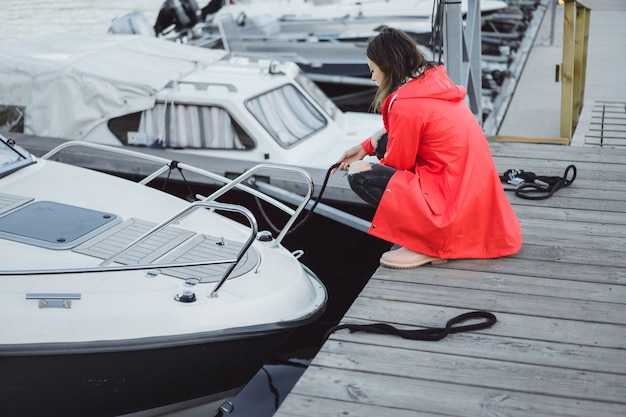
Dock-side recommendation: perform a dock-side hull feel and balance check with a light crew before any on-water test. Bring two children to sit on opposite sides to test weight distribution; if one side settles, rework seating or ballast. The hull should sit drawn and level at rest, with the deck feeling firm under light pressure from a steady hand. This step sharpens your skills and frames the consideration for the next moves.
On-water test: run three passes to verify trim response and stability. Start idle, then accelerate to planing, and finalize with a steady cruise at light load. Note engine RPM and GPS speed; watch for a smooth hook-up without porpoising or chine walk. If the bow rises with load, increase trim or move ballast forward; if the stern squats, shift weight aft or raise engine height.
إعداد الدعائم: استكشف خيارًا مثل مروحة ألومنيوم قياسية ثلاثية الشفرات مصممة لحجم محركك؛ واختبر عدد الدورات في الدقيقة وسرعة التشغيل التي تم تحقيقها. يمكن لمروحة ثانية ذات شفرة أوسع أو درجة ميل مختلفة أن تحسن الانزلاق أو السرعة القصوى، اعتمادًا على هيكلك وحمولتك.
Documentation: خذ photos خلال كل مرحلة، قم بتسجيل decision البيانات ومقاييس الأداء؛; review مع فني متمرس لتفسير سلوك الهيكل واستجابة المروحة.
القرار والخطوات التالية: بعد الاختبار، حدد التعديلات التي تريد الاحتفاظ بها - ترتيب المقاعد، أو الصابورة، أو اختيار المروحة؛ استثمر الوقت في اختبار آخر إذا لزم الأمر؛ احتفظ بملف منزلي بالنتائج للمقارنة بين الصفقات والخيارات المتاحة لقارب الصيد المصنوع من الألومنيوم الذي تحلم به.
تقييم جودة البناء: اللحامات، والمسامير، ومقاومة التآكل
تفحّص بنفسك لحامات الهيكل والمسامير تحت ضوء ساطع. إذا وجدت تشققات أو مسامية أو فجوات أو خطوط غير متراصفة، فانتقل إلى وحدة أخرى. غالبًا ما تشير هذه المشكلات المرئية إلى إجهاد قد يكون له أهمية لاحقًا، خاصةً في قارب شراعي يشهد نشاطًا ورطوبة متنوعة.
يجب أن تُظهر اللحامات خرزة نظيفة ومستمرة بعرض موحد وبدون تقويض أو مناطق متأثرة بالحرارة المفرطة. تبدو الوصلة المشكلة جيدًا صلبة على طولها بالكامل، ولا يجب أن تشعر بحواف خشنة أو بقايا تناثر عند تمرير إصبعك على طول الحافة. إذا لاحظت اختلافات، فقم بتدوين نطاق المناطق المتأثرة واختبرها بشكل أكبر أو اطلب نظرة ثانية. بالنسبة للمبتدئين، تساعدك هذه الخطوة على مقارنة الخيارات وإجراء عملية شراء بثقة لعائلتك في عطلات نهاية الأسبوع، سواء كنت تطارد يومًا هادئًا أو مغامرة في المياه المفتوحة.
يجب أن تكون البرشامات مثبتة بمستوى السطح، ويجب ألا تنتفخ الرؤوس أو تنفصل. تحقق من تباعد البرشامات للتأكد من أنها تتطابق مع تصميم الشركة المصنعة، ومرر يدك برفق على طول كل صف لتحسس أي نقاط مفكوكة أو بارزة. إذا أظهرت أي برشامات فجوات أو مادة مانعة للتسرب تبدو متدهورة، فتعامل معها كعلامة تحذير، حيث يمكن أن يتسلل التآكل حول الحافة ويؤثر على الثبات بمرور الوقت. افحص التركيبات الثابتة على طول فتحات السقف والقضبان ومنطقة رأس الصاري للتأكد من أنها تظل مشدودة ولديها دعم مناسب أو ألواح دعم عند الحاجة.
تعتمد مقاومة التآكل على الطلاءات، والأَنوَدة، وتوافق المواد. ابحث عن لون وملمس متساويين حول الحواف، والكلّابات، وقضبان اليد، والأدوات الأخرى. يشير التقشر، أو التطبّق، أو المسحوق الطباشيري بالقرب من التركيبات إلى تآكل متسارع وإمكانية حدوث تآكل. إذا رأيت بقايا خضراء أو بيضاء، أو لاحظت علامات رطوبة مستمرة، فهناك سبب للتوقف وإعادة فحص التركيب. تحقق أيضًا من أن المثبتات والتجهيزات تستخدم سبائك متوافقة لتقليل التأثيرات الجلفانية عندما يكون القارب في ظروف رطبة أو رذاذ ملح، وهو أمر شائع هناك على الأسطح المكشوفة والعوارض. إن الفحص الدقيق الآن يوفر الوقت لاحقًا ويحافظ على المساحة المتاحة للاستخدام العائلي، بما في ذلك الأطفال، دون مفاجآت خلال يوم في البحر.
| Aspect | Where to look | علامات جيدة | What to do |
|---|---|---|---|
| جودة اللحام | على طول درزات ومفاصل الهيكل | خرز موحد، انتقالات سلسة، بدون فجوات | المستند أو طلب إعادة العمل أو رفض الوحدة |
| حالة البرشام | صفوف المسامير، ورؤوسها، والتباعد بينها | رؤوس متساوية، بدون تفطر، تباعد ثابت | إحكام أو استبدال المسامير المعيبة؛ ملاحظة لاتخاذ قرارات الشراء |
| مقاومة الطلاء/التآكل | الحواف والتركيبات والمثبتات | لون موحد، بدون تقشر أو تكتل طباشيري | تحقق من المواد، وفكر في وحدة أخرى إذا استمرت العلامات. |
| تجهيزات الأجهزة | مرابط، قضبان، وصلات رأس الصاري | تأمين، وجود صفائح تقوية خلفية عند الحاجة. | تحقق من توافق السبائك لتجنب التآكل الجلفاني |
قارن بين حزم المعدات: محركات التصيد، والسونار، وحوض السمك الحي، ومنصات الصب
بالنسبة لمعظم الصيادين، ابدأ بمحرك التصيد بقوة 24 فولت يوفر قوة دفع تتراوح بين 80-112 رطلاً على قارب ألومنيوم بطول 16-20 قدمًا، مع إقرانه بسونار CHIRP على شاشة عرض بحجم 7-9 بوصات. يمنحك هذا الإعداد تحكمًا آمنًا ودقيقًا وإيجادًا موثوقًا للأسماك أثناء الرحلات الطويلة، مع قدر معقول من عمر البطارية. ابحث عن التحكم اللاسلكي، ودواسة القدم سريعة الاستجابة، ومحول طاقة يغطي الهيكل الضحل والمياه المفتوحة للحفاظ على الاهتمام مرتفعًا أثناء تنقلك بين المواقع.
عند مقارنة الباقات، قم بمطابقة المحرك والسونار مع وزن القارب واحتياجات التخطيط. يوفر نظام 24 فولت مع بطاريتين دورة عميقة عادةً 4-6 ساعات من التشغيل؛ اختر وحدة CHIRP 2D بتردد 455/800 كيلو هرتز وفكر في التصوير الجانبي أو السفلي في الطرز المتطورة إذا كنت تطارد الهياكل في المياه الموحلة. بالنسبة لقارب أكبر أو طراد عائلي، تعمل شاشة عرض مقاس 9-12 بوصة على تحسين الرؤية خلال الرحلات النهارية والمسائية والفعاليات والرحلات البحرية الطويلة. تحقق من مصدر المواصفات في ورقة الوكيل للتحقق من الدفع وسحب التيار ونوع محول الطاقة؛ يساعدك هذا على تجنب المفاجآت أثناء التفتيش وتخطيط البيع. ضع في اعتبارك أيضًا أن الأشرعة والرياح يمكن أن تؤثر على عمر البطارية واكتساب الهدف في المياه المفتوحة.
يجب أن تتسع خزانات الطعم الحي لـ 20-28 جالونًا لصيادين اثنين، مع تهوية بمعدل 800-1000 جالون في الساعة وخيار إعادة تدوير يعمل على تدوير المياه كل 2-3 دقائق. قم بعزل الجدران وتركيب نظام تصريف موثوق للحفاظ على الأمور آمنة وخالية من الروائح في أيام الصيد المتتالية. يجب أن توفر منصات الصب مساحة أمامية بطول 40-60 بوصة وعرض 24-28 بوصة، مع سطح غير قابل للانزلاق وتخزين مدمج بالأسفل. تقلل المنصة العالية جدًا أو اللينة جدًا من الثبات وتجعل عمليات الصب الطويلة أكثر صعوبة؛ تأكد من أن ارتفاع المنصة يتناسب مع مهاراتك وتصميم المقاعد للحصول على أداء صب مريح وثابت.
عند التخطيط، قارن الخيارات حسب احتياجاتك ووضعك: عدد الأميال التي ستقطعها، وعدد المرات التي ستقوم فيها برحلات استكشافية، وما هي الفعاليات التي ستحضرها بتلك القوارب. بالنسبة للتصميمات الشائعة، ضع في اعتبارك سعر البيع مقابل القيمة طويلة الأجل، بما في ذلك التركيب والصيانة. عليك أن توازن بين الاحتياجات وحجم القارب وميزانيتك؛ وتجنب التحميل الزائد الذي يجعل المناولة والتخزين غير آمنين. إذا كنت تتطلع إلى طراز معين، فتحقق من المتطلبات القانونية ومتطلبات الفحص للتركيبات الكهربائية وأحواض السمك الحية قبل التوقيع، واستخدم هذه العملية للانتقال من تلك التي رأيتها في الفعاليات إلى قرار واثق ومستنير.