


 العربية
  English (UK)
  Русский
  日本語
日本語  한국어
한국어  Magyar
  Türkçe
  Español
  Čeština
  Svenska
  Português
  Ελληνικά
  Suomi
Suomi  Nederlands
  Română
  Italiano
  Français
  Polski
  Українська
  Deutsch
  简体中文
简体中文  Slovenčina
 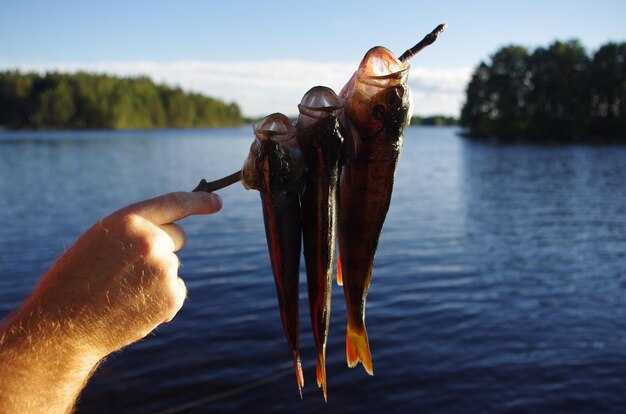 Mastering Angler Etiquette – Essential Tips for Respectful and Enjoyable Fishing">

اختر مكانًا هادئًا ووصل مبكرًا لتمنح نفسك وقتًا لمراقبة المنطقة والتحقق من الوصول إلى مواقف السيارات. عندما تخطو إلى الماء، تبدأ آداب الصيد بالمساحة: امنح الصيادين الآخرين مساحة للرمي، خاصةً إذا كان شخص ما بالقرب من مكان شهير. حافظ على صوتك منخفضًا ومعداتك منظمة، حتى لا تزعج الحياة البرية أو تفزع الأسماك. أ certain التركيز على السلوك الهادئ يساعد الجميع على البقاء سعداء وتجنب الصراع غير الضروري.
احترم مكان الآخرين. وتجنب الازدحام. خصص منطقة محددة للمعدات والعوامات؛ ضعها بحيث لا تعثر الآخرين. إذا كنت بالقرب من خط شخص آخر، فتراجع وادعُه للمرور. إذا كان هناك نزاع, ، خاطبه بنبرة هادئة؛; think لإبداء الاهتمام بما قد يساعد الشخص الآخر على الاستمتاع بوقته، وتقديم حل سريع. وإذا أخذت استراحة، فلا تغادر. غير مرغوب فيه. معدات أم قمامة؛ التقط ما يخصك وتعود أن تفعل ذلك بعد الآخرين happy للعودة في المرة القادمة.
حافظ على تنظيم معداتك. لتقليل الفوضى في منطقة وقوف السيارات وعلى طول الممرات. ضع علامات واضحة على خطوط عوامتك، لتظل بعيدة عن مسارات الصيد الرئيسية. عند السحب أو التحرك، تحدث بإيجاز وأعط الآخرين مساحة للتعديل؛ هذا الأدب البسيط يمنع الأخطاء ويحافظ على الأجواء مبهجة. إذا كان شخص ما بالقرب من حوضك المفضل، فاعرض المشي قليلًا إلى ضفة قريبة للحفاظ على المساحة وإبقاء الخطوط واضحة.
شارك المعرفة بلباقة.. فيما يلي النص المترجم: . إذا لزم الأمر، اشرح الأسلوب بإيجاز وصبر؛; something مساعدات عملية، مثل فحص قوة العقدة، وإعادة الربط بإحكام، والحفاظ على تجهيزات نظيفة وسهلة الاستخدام. إذا رأيت غير مرغوب فيه. الطعم، اعرض أن تأخذه معك أو تتخلص منه بشكل صحيح. في جلسة مزدحمة، بالتناوب بحيث يستمتع كل شخص. angling الفرص وينصرف وهو يشعر بالسعادة والتقدم.
قواعد نهاية اليوم: إعادة تثبيت المعدات، وغسل اليدين، والتأكد من بقاء الحياة البرية. alive. عند المغادرة، خذ معك جميع النفايات وذكّر زملائك الصيادين بفعل الشيء نفسه. القاعدة بسيطة: أفسح المجال، وتعامل مع الآخرين باحترام، وفكر قبل أن تتحدث. اتباع هذه الخطوات يجعل النزهة القادمة أكثر سلاسة ومتعة للجميع.
إتقان آداب الصيد: نصائح عملية لصيد محترم وممتع
قبل البدء بالصيد، قدّم نفسك للأعضاء القريبين منك واتفقوا على من يبدأ أولاً، وأين مكان الوقوف، وأي معدات تبقى على الرف؛ فالتواصل الواضح يقلل من خطر التشابك وتقاطع الخيوط.
تحقق من اتجاه الرياح واختر بقعة تبقي الخيوط بعيدًا عن كلا الصيادين؛ إذا كان لا بد من القيام بأي عبور، فافعل ذلك ببطء و بأدب.
حافظ على معداتك مرتبة، وتجنب فرص التشابك، وحافظ على تنظيم أغراضك؛ وعند السحب، توقف مؤقتًا للتحقق من وجود أي ارتخاء قد يعلق بصياد آخر قريب؛ وأعلن عن حركتك إذا كنت تخطو في خط شخص ما.
احترم الرياح والتيارات عند الصب؛ ابحث عن الضفاف الزلقة والحواف الصخرية؛ ارتدِ أحذية مانعة للانزلاق وتجنب الميل فوق الماء؛ امشِ على المسارات المحددة لترك أقل أثر ممكن في البرية.
انتبه لنفاياتك وتذكر إحضار كيس؛ خذ معك كل غلاف وقطعة؛ تجنب إلقاء النفايات يظهر أنك مسؤول.
يجلب الصيادون المختلفون وجهات نظر مختلفة أيضًا؛ فقد تختلف طلباتهم، مثل طلب مساحة إضافية أو تبديل الأماكن التي تصطاد فيها؛ استجب بصبر وتواصل واضح.
تناوبوا على البحث عن آثار الطعم؛ فمتى وجدتم علامة مبشرة، يسهل عليكم انتظار دوركم وتجنب التزاحم؛ حافظوا على الود واللطف.
كن مسؤولاً: قبل أن تتحرك، تأكد من محيطك؛ حافظ على ترتيب الصفوف؛ وتذكر أن اتباع هذه النصائح من المرجح أن يحسن تجربة الجميع.
مسار تدريب مهني واحد للممارسة على الماء
ابدأ بجلسة تدريبية واحدة على الشاطئ لإتقان الأساسيات قبل نقل التدريب إلى الماء. قبل أن تلمس قضيبًا، ركز على وضع اليد، والوقفة، والتحكم في الخيط، ممّا يجعل الباقي أكثر أمانًا واحترامًا للصيادين القريبين. في أي موقف، يحافظ هذا النهج على الهدوء ويتجنب المبالغة. ألست ترى أن البدء صغيرًا ومتعمدًا أسهل على نفسك، حيث يمكنك البقاء متحكمًا وترك انطباعًا إيجابيًا لدى سائقي القوارب الآخرين؟
لا تنتقل إلى الماء إلا بعد التدرب على الأساسيات؛ اختر مساحات هادئة ذات حركة مرور محدودة لتجنب الازدحام. crossing النقاط. حافظ على القارب. مشغول بواسطة فريق صيد واحد، مع الحفاظ على المسافة، واستخدام صوت هادئ بدلاً من صُراخ. ملاحظة. features مثل تجمعات الأعشاب أو المنحدرات أو طبقات التيارات، ودوّنها في دفتر جيب. إذا اخترت مشاركة التقدُّم، فانشره على تمبلر، ولكن اجعل المحتوى عمليًا وواقعيًا. عندما تشعر بالثقة، تمرّن. إصدار حافظ على سير الخيط بسلاسة وأمان، ثم عد إلى الشاطئ لإعادة التجهيز والتأمل. ضع في اعتبارك أيضًا آداب استخدام القوارب لتجنب إزعاج الآخرين.
على الماء، حافظ على روتين موجز: تنفس، استقر في الوقفة، وقم برميات مدروسة بيد واحدة، ثم تقدم مع تحسن التحكم. حتى التعديلات الصغيرة تتضاعف، لذا حافظ على سلاسة الحركات لتجنب اهتزاز القارب، وراقب بحثًا عن situation يتطلب ذلك إيقافًا مؤقتًا. الـ features تساعدك الملاحظة – الريح، والأثر، والتيار – في تحديد متى تتقدم. يظل الصبر هو المحرك الأساسي، لذا كرر التمرين حتى تشعر بأنه تلقائي.
ستلاحظ بالفعل مكاسب صغيرة: إفلات نظيف، أو أخذة خفية، أو استرداد مرتب، أو مقاربة هادئة لقارب عابر. هذا مسار تدريب مهني واحد يتيح لك النمو، وبمجرد إتقان الأساسيات، يمكنك خوض سيناريوهات أكثر تعقيدًا. اترك المياه أفضل مما وجدتها عليه عن طريق تحرير المعدات بشكل صحيح واحترام الحدود. يضيف هذا النهج قيمة لوقتك الخاص على الماء وللآخرين الذين يشاركونك المساحة في أيام الإبحار.
للحفاظ على التقدم، ضع هدفًا أسبوعيًا صغيرًا، ثم عد وفكر مليًا. أي شيء تحسنه اليوم يتضاعف لتصبح قيادتك أكثر ثباتًا في الغد. ستكتسب الثقة بنفسك بينما توثق المكاسب وتعدل التقنيات، وستدرك أن الصبر والمثابرة أهم من السرعة. المسار عملي وقابل للتكرار، وهو مناسب لرحلات القوارب أو التجديف في الجداول أو قضاء أيام على البحيرة، وأنت في قلب الصيد المسؤول.
احترم المساحة في المياه المزدحمة: حافظ على المسافة وشارك الوصول.
حافظ على مساحة في المياه المزدحمة بمنح كل شخص على متن قوارب قريبة مسافة 15 مترًا على الأقل. عندما تقلل الرياح أو حركة المرور من الرؤية، قم بزيادة هذه المسافة إلى 20 مترًا. قبل الاقتراب، أشر إليهم بتحية بسيطة وتوجه إلى الجانب حتى يتمكن الآخرون من المرور دون تدخل، وابق بجانب مسارهم بدلاً من قطعه. إن مشاركة الوصول تجعل الحياة في البحيرة أفضل للجميع، وليس فقط لأصحاب أعلى صوت بكرة. بالعمل معًا، تبقى الآداب سهلة.
Find spaces that offer room for you and others, and manage access by rotating spots. If you reach a popular cove, fish from the edge with enough room for a small boat to pass, and avoid blocking ramps or the main channel. Every boater benefits when you think ahead and keep the flow smooth, minimizing wakes that pollute waters and harming life along the lake’s shore. Tales from seasoned anglers show how small steps matter, and sharing access improves the experience for everyone. Over time, many anglers took to sharing spots as a rule. Every person on land deserves easy access too. Set specific rules for your group to keep order.
Stow gear on deck and along the side, not on the bank. If you work from a small craft, keep lines tidy; use a reel to handle your tackle but avoid tangling others’ lines. When you anchor, keep the anchor line out of the main path so others can pass from ahead or beside you. With these methods, you maintain order on crowded waters and protect real life on the lake’s waters.
When space narrows, talk to them with a calm voice. A simple head nod and hello can reset directions, and you can suggest moving further apart or sharing a corner of the lake’s water. If wind goes calm, move to a different patch of waters where space opens, keeping access easy for every boater and reducing chances of confusion beside shorelines and in the wind.
| Situation | Action | Why it matters |
|---|---|---|
| Crowded launch area | Yield to others, keep your line clear, pass to the side | Prevents accidents and keeps space accessible for all |
| Approaching a group of anglers | Slow down, give broad berth, signal your presence with a wave | Reduces wake and respects their space |
| Shore access near busy coves | Stay off the most used lanes, fish from edge, rotate spots | Supports safe movement and wider access |
Quiet casting and shore-friendly techniques: minimize splash and wind disturbance
Start with a quiet roll cast from shore to place the line softly on the water. Keep the rod tip low, the wrist relaxed, and the motion smooth; this minimizes splash and wind disturbance, which will help nearby anglers and boats stay comfortable.
Limit your cast distance to twenty meters; a short, controlled arc reduces surface disturbance and improves bite detection. Use a 9-12 ft leader with a 4-6x tippet for fine presentations when hatch activity is light.
When a boater is operating nearby, cast sideways and politely acknowledge them; avoid aiming toward their wake and keep your backcast away from their path. This reduces disturbance and keeps everyone happy.
Set up shore-friendly gear: floating line with a long leader, 9-12 ft; keep the line in contact with water rather than lifting it high; mend gently to keep the head of line quiet, and think about hatch activity to guide your fly choice.
Technique tips: roll cast, sidearm, or near-water casts near the bank; practice a dry-run in your yard to build patience; long, deliberate strokes create less splash and help your confidence grow.
Considerate angling means adjusting for wind: angle your cast slightly to skim the surface rather than plowing through it; stay aware of nearby land features that reflect sound and surface ripple; your awareness makes you quite effective.
Over years of practice, a calm approach will make you happy with quieter presenting and fewer tempers in the boat or on the shore.
Between river and lake scenery, targeting calm pockets near shore during hatch improves chances: think about where fish lie between current seams and calm water; operate quietly and minimize splash; nothing will keep the experience pleasant for every person.
Gear etiquette: safe hook handling, clean rigs, and reasonable gear sharing
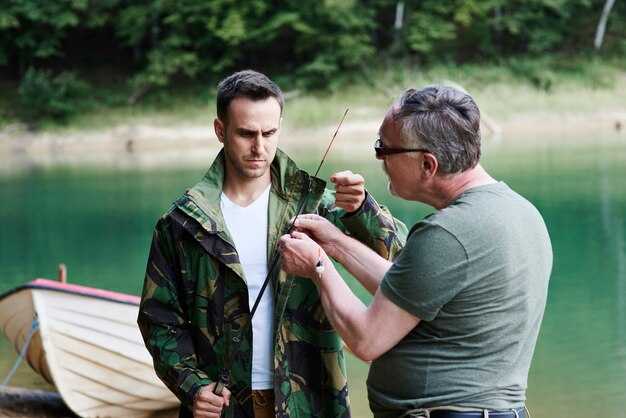
Always handle hooks safely and keep equipment stored properly; dont rush the unhooking and always carry pliers. This simple rule helps anglers on lakes stay confident ahead of the next cast.
Maintain clean rigs: rinse and inspect lines, knots, swivels, and leaders after every session. When you replace a worn part, do it in a designated area and label the replacement clearly; easy checks save time and prevent marginal wear from turning into a failure.
Sharing gear should be fair and limited: offer only what you wont miss, and set a second limit if the other angler dont need it. If you join a common spot, keep spare tackle in a bag and dont leave it in the way; this keeps small areas clear and avoids conflict.
Safety around bivvy and campsites: store rigs away from sleeping areas, secure loose lines, and keep paths clear in places where people move; never leave hooks or lures within reach of children or pets. Respect others by keeping noise low and avoiding clutter that can scare newcomers.
Learn to build confidence through responsible habits: practice safe hook handling, clean rigs, and fair sharing. Although you fish in busy lakes or remote waters, a thoughtful approach makes angling safer, friendlier, and more enjoyable for everyone.
There is nothing complicated about making these practices part of your routine.
Catch-and-release care: barbless hooks, humane handling, and rapid returns
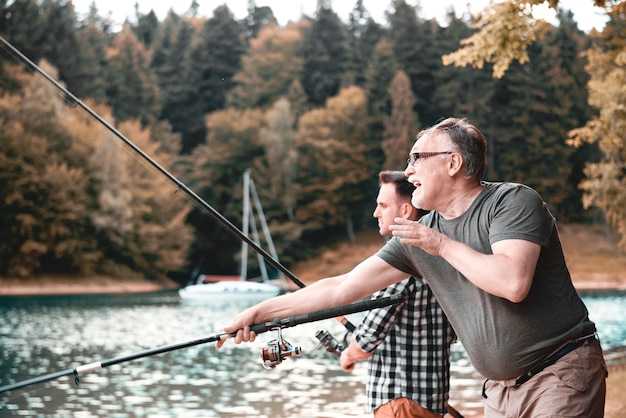
Equip barbless hooks on every setup and attach dehooking tools and a knotless net to your vest or boat. Prefer single hooks when possible to minimize injury and streamline releases; release a fish within four seconds of landing to reduce stress and improve survivorship.
-
Handle with care: wet hands or gloves, support the fish along the body, and keep it in the water as long as possible. Avoid squeezing or touching the gills, and maintain a calm, respectful stance on the shoreline or deck. If a fish looks stressed, shorten exposure and prepare to release promptly.
-
Unhook efficiently: use pliers or a dehooking tool to remove the hook with minimal handling. With barbless hooks, the single point usually releases easily, and if the hook is deeply embedded, cut the line and leave the hook to rust rather than force extra injury. Keep baits attached only when necessary to control the fight and reduce needless stress.
-
Revive and return safely: gently move the fish in clean, moving water to encourage gill flow, and avoid stirring up sediment–stir should be avoided during recovery. If the fish shows signs of life, move it gradually toward deeper water and let it dictate the pace; the goal is a short, confident return to the water.
-
Post-release etiquette: tell boaters and other anglers nearby what you’re doing to minimize crowding along the shoreline and waterway. Maintain awareness of size and species distinctions, since some fish require longer revival times than others. Unless the marginal conditions force a different approach, release promptly to protect the next anglers’ experience and the health of the fish population.
These steps reinforce a respectful approach to sport fishing, where following best practices helps every look at the sport stay great. The practice is a long-term pastime that happens best when you keep things simple, safe, and focused on releasing with care. For guidance that blends practical tips with local rules, consult houwen resources and stay aligned with four key actions: prepare, handle, release, and maintain a clean shoreline–because conserving every species and its size supports a thriving fishing culture for all.
Apprenticeship roadmap: how to find a mentor, structure practice, and track progress
Secure a six-week mentorship with a local angler at your lake, with two 2-hour sessions per week and a simple practice log to capture progress.
-
Find a mentor
- Identify candidates at the lake club, shop, or on boats who show patience, clear feedback, and a mindful approach to safety. Look for someone whose view of fishing emphasizes technique and respect over shouting or shortcuts.
- Prepare a concise one-page plan: your current equipment, your long-term goals, the reasons you’re seeking guidance, and a proposed schedule that fits around work or family commitments. Bring a small list to keep the discussion focused.
- Initiate a brief intro chat in a calm setting by the water. Propose a trial week, outline what you’ll cover, and offer help with gear, boats, or the bivvy if you camp nearby. If you align, set a date for the first session and clarify what you’ll bring.
- Agree on boundaries and expectations: safety first, no heavy lift on equipment disposal or changes that disrupt others, and a plan for feedback that respects both sides. You’ll likely notice changes in when and where you fish, so confirm locations and water conditions you’ll practice in.
-
Structure practice
- Week 1–2: establish fundamentals. Cover safety, basic knots, line management, casting fundamentals, and silent, mindful communication with partners on the water. Focus on calm, sized pulls and avoiding unnecessary movement that spooks fish or crowds other anglers on a busy lake.
- Week 3–4: translate skills to real conditions. Practice casting accuracy across features such as weed edges, drop-offs, and open water. Learn how wind direction changes presentation, and how to adjust line size and leader length for different targets. Practice boat and shore etiquette, including how to position without crowding pullouts or unwanted gear.
- Week 5–6: simulate a full session. Combine rig setup, bait selection, and line control in a flowing routine. Work on reading underwater structure and current lines, interpreting passing shadows, and refining your view of the water column under windy conditions. End each session with a 5–10 minute review to adjust the plan and goals.
- Within every block, build a routine that includes time for equipment checks, safe disposal of unwanted gear, and keeping the lake environment clean. If you carry gear in cars or on boats, practice orderly loading to minimize waste and noise.
-
Track progress
- Use a simple log with fields: date, location, weather, wind, lake features, gear used (size, line, hook), practice focus, and notes on technique. Include a brief “mindful moments” line to capture confidence and patience during the session.
- Set milestones for each stage: improved line control, consistent casting distance, better read of wind shifts, and calmer, quieter on-water presence (no shouting). Use “therefore” to connect outcomes to actions: if grouping of errors decreases, therefore you can raise the bar on a new task.
- Record qualitative gains and any challenges. Note pullouts you avoided or encountered, and how you handled them. If you discovered unwanted gear or equipment clutter, log how you disposed of or organized it to keep the space open for practice.
- Review weekly with your mentor. Use the feedback to adjust the next week’s milestones, capture reasons for changes, and keep momentum without rushing through steps. Celebrate small wins like improved patience or longer, cleaner casts, which build confidence over time.