


 العربية
  English (UK)
  Русский
  日本語
日本語  한국어
한국어  Magyar
  Türkçe
  Español
  Čeština
  Svenska
  Português
  Ελληνικά
  Suomi
Suomi  Nederlands
  Română
  Italiano
  Français
  Polski
  Українська
  Deutsch
  简体中文
简体中文  Slovenčina
  Lake Perris State Recreation Area RV Campground Guide – Tips, Amenities, and Best RV Sites">

Book a water-front RV site on the right fork for your Lake Perris visit. During your stay, you’ll enjoy quick access to the marina, a smooth path to the boat ramp, and sunset views from your camp chair. Welcome to a setup that keeps you close to the action, while preserving shade and privacy.
Site range and layout: The campground offers a range of sites with pull-through and back-in options, most within 25–60 feet deep, many with electric hookups (20, 30, or 50 amps) and potable water, plus a central dump station. These layouts balance privacy and access, letting you extend chairs outside and unwind after a day on the lake.
Booking tips and daily rhythm: Reserve several weeks ahead in peak season. Check wind forecasts and sun exposure for your chosen site, especially in the afternoon. Those planning longer stays should map quiet hours and space for slide-outs, with guiding tips to balance sun and shade. If you need more space, consider larger back-in sites near the central facilities. On arrival, walk the loop to locate restrooms, potable water spigots, and the nearest dump station.
Wildlife and safety: Expect pintails and pelicans along the shoreline; watch boats and wake from shore. Snakes are common around the margins–step carefully near rocks and creek banks. Outside the campground loops, gopher holes and ruts can surprise feet; wear sturdy shoes and keep kids close. The loggerhead note in field guides reminds hikers to respect wildlife and keep a safe distance.
Amenities and access: Restrooms and hot showers are distributed through the grounds, with potable water nearby. A small store for basics, boat rentals, and shaded picnic areas are spread along the lakefront; throughout the area, you’ll find docks, boat ramps, and short trails leading to overlooks. Resorts nearby offer additional dining and lodging options if you want a fuller experience without leaving the lake region. In this setting, you can meet visitors from around the world while enjoying the lake environment.
Best RV sites by activity: For families and first-time campers, choose sites within easy walking distance to the marina and playgrounds, with decent shade and level pads. If you need more space, look for longer back-in sites near the central facilities; for quiet evenings, pick a site away from the main road but close to restroom blocks. Visit the right combo of sun and shade throughout your stay, and you’ll maximize your enjoyment.
Final note: This guide helps you plan a smooth trip during any season; you’ll benefit from early booking and a simple packing list. Welcome those exploring the Lake Perris area to enjoying water activities, nearby resorts, and scenic overlooks.
Lake Perris State Recreation Area RV Campground Guide
Choose a waterfront RV site for direct boating access this summertime; it offers ideal convenience for water lovers and keeps your days flexible.
Look for a site with a hookup to simplify stays, and reserve in advance through ReserveCalifornia or the park office. These selections provide amazing comfort, with shade from mature trees and space that accommodates your rig of various sizes, providing a smooth setup for most RVs.
Loops near the lake give quick entry to the water for boating, fishing, and swimming. Trails wind through the hills, with routes suitable for hikers and for horseback riders. Your family can enjoy unforgettable sunsets, white sands by the shore, and lots of wildlife activity in surrounding areas.
Wildlife sightings enrich each day: hawks wheel overhead, pintails and willets patrol the shoreline, sparrows dart through brush, and snakes may appear along trail edges. Stay on marked paths, wear sturdy footwear, and keep pets leashed where required.
For convenience, plan these needs: a site with a hookup, ample shade, and easy access to restrooms and potable water. The lake setting makes it easy to launch a boat or paddleboard from your site. Summertime crowds are common, so secure a stay early and confirm your dates before arriving.
| نوع الموقع | Hookup | Max Length | Shade | Surrounding Facilities | الملاحظات |
|---|---|---|---|---|---|
| Waterfront Loop | Hookup | Medium–Large | Strong | Lake access, ramp | Best for boating and sunsets; watch for habitat birds including pintails and willets |
| Tree-Shaded Loop | Electrical | Medium | Good | Restrooms in the area | Quiet nights; suitable for families with kids |
| Dry Camping | None | Varies | Light | Trail network, hills | Great for climbers; bring extra water and plan for sun exposure |
Site Layout and Loop Orientation: small rigs vs long rigs and shade options
Book a shaded loop with a generous pad length: for small rigs, target sites with 25–40 feet of pad depth and a canopy within 10–15 feet; for long rigs, choose the second row or a wide-pad site with 50–60 feet of clearance and a straight approach. A full shade cover makes setup faster, keeps equipment cooler, and keeps you happy after trips around the lake.
Which orientation works best depends on the sun path. East–west layouts tend to keep afternoon heat off targeted rigs, while north–south arrangements can offer even shade through different parts of the day. Regardless of the choice, prioritize shaded spots whenever possible and look for clear space between vehicles to allow easy turning for longer rigs on the second or third pad.
Shade options vary by loop: some spots are fully shaded under mature mountain trees, while others provide shade only part of the day. If you’re planning trips to beaches or nearby overlooks, seek those with dependable coverage so you can arrange chairs and grills without chasing sun angles.
Site length, access, and dump facilities drive practical decisions. Long vehicles benefit from second-row sites with the widest pads and direct drive lanes; short rigs can take advantage of loops near the station for faster access to the dump and water fills, while keeping plenty of shade over the pad. Passes and quick check-in lines are often smoother in these areas, making the arrival feel welcome rather than rushed.
Nearby layout considerations help you plan efficiently: found spots within walking distance to beaches and the station save miles of extra driving during the day, and you’ll still encounter comfortable shade in the heat. If you’m seeking quiet, avoid the busier access roads; look for spots tucked in the back areas where the traffic is lighter, yet still close enough to the main amenities for convenience.
Wildlife and terrain add texture to your stay: lizards sun themselves on rock ledges near the mountain edges, and older trees provide shelter on hot afternoons. Where these factors are present, choose a site that balances shade with level ground and a stable pad to keep feet and wheels steady during setup and teardown. If shade is scarce elsewhere, a nearby shaded spot found in the second loop can be a quiet anchor for your happy family trips and a truly unforgettable campground experience. Regardless of your rig length, aim for shaded, accessible spots that minimize heat and maximize comfort–your lake days will feel welcome from first light to whitewater-drenched sunsets.
Electrical, Water, and Waste Details: 30/50-amp hookups, potable water, dump stations
Choose a 50-amp site if your RV uses air conditioning or a multi-zone fridge; otherwise, a 30-amp site is perfect for most rigs. The campground offers full hookups at select sites, with 30- or 50-amp service, plus potable water and a dump station in comfortable reach. Plan for March warmth or cool nights by reserving a site that matches your needs; staff can guide you to options near the water and beaches that suit your schedule and wants.
Electrical details: Pedestals provide 30- or 50-amp service and standard 120V outlets. Bring a quality surge protector and use a correctly rated cord length (25–50 ft) to reach your pedestal without strain. If your rig requires 50 amp, pick a 50A site; if only 30A is available, you can run essential appliances by staggering use. Never daisy-chain cords or use undersized adapters; this keeps your equipment safe and reduces wildlife disturbance from loose cords in the outdoors, where bobcats and gopher activity are not uncommon.
Potable water: Water spigots are located at or near every hookup with additional fill stations by the office. Flush lines briefly before connecting to clear sediment, and use a backflow preventer and regulator to protect your water system. Expect pressure in the typical range of 40–60 psi; if pressure is low, start early in the day to fill and avoid peak heat hours.
Dump stations: The dump station is near the campground entrance, clearly marked and self-serve. Use your own hoses with a backflow preventer, and follow posted instructions for disposing of gray and black water. Hours and fees vary by season, so check the kiosk on arrival. If you’re staying with watercraft or planning day trips during your visit, secure hoses and connections to prevent wildlife from nibbling and to keep the area tidy for nearby hikers and pintails or eagles that frequent the lake shore.
Practical considerations: If you’re coming from the west or beyond angeles, bring a sturdy power cord and a long water hose to reach pedestals that aren’t in the first row. Carry extra adapters and a spare regulator to cover needs during cold snaps or busy weekends. For passes, check whether an America the Beautiful pass or a local day pass is required. This guide aims to provide full, actionable details so your stay is happy, unforgettable, and hassle-free–whether you’re relaxing near beaches, exploring the wilderness, or enjoying mountain views during your Lake Perris visit.
Facilities and Services: Restrooms, showers, laundry, waste disposal, and accessibility
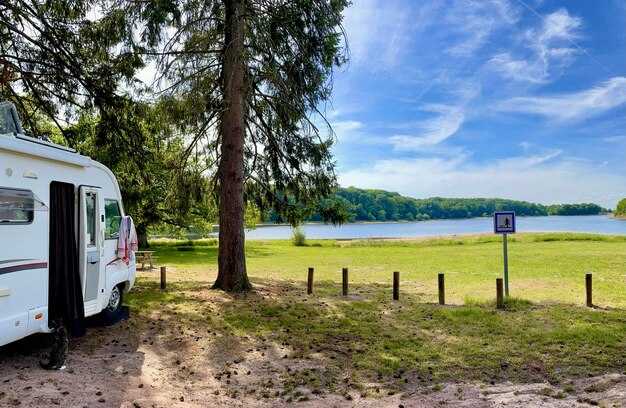
Book a site within easy reach of the main bathhouse to minimize walks after picnicking or adventures along the lake. This simple pick makes every day more comfortable and sets you up to continue your activities without unnecessary breaks in the middle of a summer afternoon.
- Restrooms: Located in the central loops and at key access points, restrooms feature flush toilets and clean surfaces. Expect ADA-accessible stalls on most blocks, with clear signs and posted hours. Keep a small bottle of hand sanitizer in your gear for quick touch-ups after outdoor tasks outside the restroom areas.
- Showers: Showers are coin-operated and available in the campground areas with multiple stalls per block. Bring spare coins or a portable solution if you plan longer stays; lines are common during summertime peaks. A brief rinse can make a big difference after a day of hiking or boating, helping you stay comfortable through your adventures.
- Laundry: The central laundry building offers coin-operated machines and a seating area. Expect at least two washers and two dryers serving the RV community, with detergent vending nearby. Plan a quick laundry run during cooler parts of the day to avoid busy times and keep your wardrobe ready for outdoor play.
- Waste disposal: Use the designated dump station near the park entrance or campground area for black and gray water disposal. Separate trash and recycling bins are placed throughout the campground; use them consistently and keep waste contained to prevent wildlife prompts. When full, bag and remove household trash to avoid overflows that can affect every campsite nearby.
- إمكانية الوصول: مواقف مخصصة لذوي الاحتياجات الخاصة، ومنحدرات لدورات المياه، وممرات واضحة المعالم تساعد الضيوف ذوي الاحتياجات الحركية. إذا كنت بحاجة إلى تصميم موقع معين، فدوّن احتياجات الوصول عند الحجز وسيقوم الموظفون بتوجيهك إلى الخيارات المناسبة. تضمن اللافتات الواضحة وتوافر الموظفين تجربة أكثر سلاسة لجميع الزوار بغض النظر عن القدرات.
بالإضافة إلى المرافق الأساسية، ضع في اعتبارك النصائح العملية لتحسين إقامتك: اختر موقعًا قريبًا من بيت الحمّام لتوفير الراحة، واستخدم اللافتات البيضاء التي تشير إلى المرافق، وخطط لغسيل الملابس والاستحمام خلال الصباح الباكر أو في وقت متأخر من المساء. إذا كنت تستعد للمرح المائي، فإن أولئك الذين يرشدونك إلى المرسى ومنصات القوارب سيقدرون توقفًا سريعًا في دورة المياه قبل المغادرة. يجب على أولئك الذين يخططون للنزهات أو الوجبات الخارجية إعداد مجموعة أدوات تنظيف صغيرة جاهزة لالتقاط الانسكابات والحفاظ على الموقع مرتبًا. يوفر هذا المخيم الذي نشأ في أمريكا إعدادًا سهل المنال للغاية للعائلات والمسافرين المنفردين على حدٍ سواء، مما يجعل كل إقامة تبدو بمثابة توازن مثالي بين الراحة وتجارب الحياة البرية.
أفضل اختيارات مواقع المركبات الترفيهية حسب الأفضلية: تطل على البحيرة، قريبة من المدخل، يمكن عبورها بالمركبة، وتوفر الظل
احجز موقعًا واسعًا يطل على البحيرة وقريبًا من المدخل الغربي لتحقيق التوازن بين المناظر الخلابة وسهولة الوصول إلى المراكب المائية والمناورة؛ فهو يحافظ على جهوزية مركباتك لرحلات التجديف بالكاياك وزيارة أماكن التنزه دون الحاجة إلى المشي لمسافات طويلة.
-
خيارات مطلة على البحيرة
- الموقع LV-01 – بطول 42 قدمًا مع إطلالة مباشرة على البحيرة، وعلى بعد 60 قدمًا من نقطة انطلاق المراكب المائية، وصنوبرتين ناضجتين توفران ظلًا موثوقًا به في فترة ما بعد الظهر. يوفر المشي لمسافة قصيرة تبلغ 0.25 ميلًا إلى منطقة التنزه سهولة تناول الوجبات؛ وتقع نقطة تصريف المياه وغرفة الغسيل على مسافة قصيرة سيرًا على الأقدام تبلغ 0.3 ميل. تجعل الأسعار الصيفية المعقولة هذا الموقع ذا قيمة كبيرة للعائلات التي تحب القوارب وقوارب الكاياك.
- الموقع LV-04 – طوله 48 قدمًا، وإطلالة واسعة على البحيرة, وجرف صخري يخلق نسيمًا طبيعيًا. سهولة الوصول للقوارب والزوارق الصغيرة، مع زاوية مظللة خلال الصباح الباكر. قريب من دورات المياه والمغسلة بالقرب من مكتب المخيم؛ مثالي إذا كنت تخطط لاستكشاف الشاطئ والبقاء منتعشًا في الحرارة.
-
اختيارات قريبة من المدخل
- الموقع EN-2 - طوله 28 قدمًا، ويقع داخل البوابة الرئيسية مباشرة لسرعة الوصول والمغادرة. مستوٍ، وسهل الرجوع للخلف، وبالقرب من المتجر ومحطة التفريغ؛ الظل معتدل ويتحسن في المساء مع خطوط الأشجار القريبة. رائع إذا كنت ترغب في الزيارة في وقت متأخر بعد الظهر وما زلت ترغب في إبقاء خطط المساء بسيطة.
- الموقع EN-5 - من 30 إلى 35 قدمًا، الأقرب إلى مواقف السيارات ودورات المياه المخصصة للاستخدام اليومي، مع طريق مباشر إلى طريق المدخل. يقلل من حركة المرور للأطفال والحيوانات الأليفة، مع الاستمرار في توفير وصول سريع إلى طاولات النزهة ومنحدرات المراكب المائية على بُعد مسافة قصيرة سيرًا على الأقدام.
-
ريش تنظيف السلاح بالسحب
- الموقع PT-9 - بطول 60 قدمًا، بتصميم يسمح بالمرور عبره بحيث يمكنك الدخول والخروج دون الحاجة إلى الرجوع للخلف. ممتاز للمعدات الكبيرة وإعدادات المقطورات؛ بالقرب من الحلقة الرئيسية لسهولة الوصول إلى محطة التفريغ وغرفة الغسيل دون قيادة إضافية. مثالي للعائلات التي تستعد لقضاء عطلة نهاية الأسبوع على الماء.
- الموقع PT-12 - 70 قدمًا، أطول موقع عبور في المنطقة، مع مساحة واسعة بين المواقع. يبقي مركباتك وقواربك بعيدًا عن المنعطفات الضيقة، مع البقاء على مسافة قريبة من منطقة النزهات ومنحدر القوارب. غالبًا ما تظهر العروض الصيفية الخاصة هنا، مما يجعل الإقامة لعدة ليالٍ ميسورة التكلفة.
-
اختيارات الألوان
- الموقع SH-7 – 50 قدمًا، مظلة كثيفة من أشجار الصنوبر والبلوط، توفر ظلًا وافرًا خلال أشد ساعات اليوم حرارة. قريب من نتوءات صخرية تبقى باردة وتوفر خلفية طبيعية خلابة للوجبات المسائية والمحادثات. إنه على بعد مسافة قصيرة سيرًا على الأقدام من دورات المياه وممر سريع إلى منصة إطلاق المراكب المائية للتجديف عند غروب الشمس.
- الموقع SH-11 - 45 قدمًا، متباعدة بالتساوي مع تغطية ظل وفيرة، مما يحافظ على درجة حرارة مريحة خلال فصل الصيف ويجعل زيارات الغسيل أقل إرهاقًا. توفر طاولات التنزه الموضوعة تحت الفروع بقعة هادئة للوجبات ومشاهدة الطيور، مع وجود القبرات والقوارض الصغيرة على مسافة أقل من مجرد نزهة بالقرب من واجهة الصخور.
سواء كنت تعطي الأولوية لإطلالات على البحيرة، أو القرب من المدخل، أو سهولة المرور بالسيارة، أو الظل الوارف، فإن هذه الخيارات تتوافق مع احتياجات العائلة، والأسعار المعقولة، وسهولة الوصول إلى الزوارق ومرافق المخيمات. إذا كنت تحب الاستكشاف باستخدام قوارب الكاياك أو القوارب، فإن هذه المواقع توفر وصلات سريعة إلى المنحدرات والممرات التي تتم صيانتها جيدًا والوصول الموثوق إلى محطات الصرف والغسيل لإقامة صيفية سلسة.
الحجز والقواعد والتخطيط الموسمي: الحجوزات والرسوم وأوقات تسجيل الوصول ونصائح الموسم ذروة الإقبال
احجز قبل ثلاثة أشهر على الأقل لعطلات نهاية الأسبوع الصيفية لتأمين مواقع RV مظللة بالقرب من الماء. تستخدم منطقة بحيرة بيريس الترفيهية الحكومية حجوزات عبر الإنترنت، ويتضمن المخيم خمس مناطق ذات قرب متفاوت من الماء والممرات. توقع رسوم حجز صغيرة وخيارًا للاشتراكات التي تغطي الدخول ووصول المركبات؛ إذا كنت تخطط لرحلات متعددة، ففكر في اشتراك سنوي، مما يبسط الدخول والخروج.
تتم إدارة الحجوزات عبر الإنترنت من خلال موقع ReserveCalifornia، ويمكنك الاختيار من بين مواقع الدخول الأمامي أو الخلفي في المناطق التي تناسب مهارتك واحتياجاتك. تختلف الأسعار حسب نوع الموقع والموسم؛ تطبق النطاقات الليلية النموذجية للعربات الترفيهية والخيام، بالإضافة إلى رسوم معالجة لكل حجز. قد تكون هناك حاجة إلى تصريح دخول للمركبة عند المدخل، وتتوفر التصاريح مسبقًا وفي الموقع. يمكن لموظفة المنتزه، تيري، مساعدتك في اختيار المنطقة المثالية لمجموعتك، بما في ذلك الأماكن المظللة بالقرب من الماء وتلك التي يسهل الوصول إليها؛ وهي غير مثالية للمركبات الكبيرة، لذا خطط وفقًا لذلك.
عادة ما تكون ساعات تسجيل الوصول من الساعة 1:00 ظهرًا حتى 3:00 ظهرًا، وتسجيل المغادرة بحلول الساعة 11:00 صباحًا؛ وقد تختلف الساعات حسب الموقع، لذا تحقق من التأكيد الخاص بك. تُفرض ساعات الهدوء من الساعة 10:00 مساءً حتى 7:00 صباحًا، ويتم تقييد المولدات إلا في الحالات التي تسمح بها الإدارة. يجب على المخيمين اتباع القواعد المعلنة، وإبقاء الحيوانات الأليفة مقيدة، واحترام الحياة البرية على طول الماء وفي البرية، حيث شوهدت البجع والبط ذي الذيل المدبب والعصافير والقبّرات. طوال فترة إقامتك، راقب السحالي وغيرها من الحيوانات البرية الصغيرة؛ وتجنب إطعامها وتأمين الطعام في جميع الأوقات. بغض النظر عن وتيرتك، اتبع القواعد المعلنة وخيّم بأمان.
التخطيط لموسم الذروة: احجز رحلات منتصف الأسبوع لتوفر أفضل وأسعار أقل؛ تمتلئ عطلات نهاية الأسبوع الصيفية بسرعة، لذا ضع في اعتبارك تواريخ احتياطية. في موسم الذروة، يمكن أن تمتلئ خمس مناطق بسرعة، لذا ضع في اعتبارك الخيارات المظللة في التلال التي توفر نسيمًا وراحة من التعرض لأشعة الشمس. بالنسبة للأنشطة المائية مثل التجديف بالكاياك، تحقق من ظروف البحيرة وتوقعات الرياح؛ خطط للرحلات عندما تكون الرياح هادئة والمياه جذابة. إذا كانت خطتك تتضمن الصيد، فراجع اللوائح الحالية والافتتاحات الموسمية؛ استعد لأنواع الأسماك التي قد تصادفها وحافظ على سلامتك بالقرب من حركة القوارب. تشمل فرص الحياة البرية اكتشاف البجع والبط ذي الذيل الإبري والقبرة عند الفجر أو الغسق؛ أحضر مناظير وراقب من مسافة محترمة.
يعمل التخطيط على مدار العام هنا: تشهد الأشهر الباردة عددًا أقل من الزوار ولكن تظل العديد من المسارات مفتوحة، بينما تكون خدمات وفعاليات الصيف في أوجها. يمكن لتيري مشاركة نصائح على مدار العام وتذكيرك بأي تغييرات في الساعات أو القواعد. بالنسبة للعائلات، المواقع المثالية مظللة، وقريبة من دورات المياه، وعلى مسافة قصيرة من الماء؛ تعرف على احتياجاتك واحجز وفقًا لذلك. عند التعبئة، أحضر تصاريح وماء وواقي شمسي وطبقات ملابس لتبقى مرتاحًا بغض النظر عن الطقس، واستفد من البحيرة والمسارات لاستكشاف البرية دون التسرع عبر التلال والخلجان. خلال الأشهر الباردة، قد تنخفض الأسعار وتتقلص بعض الخدمات، بينما تظل المسارات متاحة للرحلات النهارية أو المشي لمسافات قصيرة.