


 العربية
  English (UK)
  Русский
  日本語
日本語  한국어
한국어  Magyar
  Türkçe
  Español
  Čeština
  Svenska
  Português
  Ελληνικά
  Suomi
Suomi  Nederlands
  Română
  Italiano
  Français
  Polski
  Українська
  Deutsch
  简体中文
简体中文  Slovenčina
  How to Sail to the Arctic Circle in Summer 2024 – A Practical Guide">

احجز رحلة إرشادية في القطب الشمالي وانطلق من ريكيافيك في أواخر يونيو للوصول إلى دالڤيك أو ترومسو بحلول أوائل يوليو؛ يستفيد هذا التوقيت من طول النهار واستقرار المسارات، ويجب تأمين حجزك قبل عدة أشهر.
الخيار الأول: المغادرة من ريكيافيك والإبحار على طول الساحل الشمالي لأيسلندا باتجاه دالڤيك، ثم التوجه إلى ويستفيوردز وما بعدها، مع 5-9 أيام في البحر ومحطة توقف أو محطتين للتزويد بالمؤن.
الخيار الثاني: المغادرة من ترومسو والتوجه نحو سفالبارد إذا سمحت الظروف الجليدية والأحوال الجوية، وتغطية ما يقرب من 10-14 يومًا مع توقفات مأوى مخططة في موانئ رئيسية.
استعد للإمداد بعناية: في الموانئ الأيسلندية يمكنك تخزين المياه العذبة والمأكولات البحرية؛ اصطحب معك مجموعة مشروبات مدمجة للأمسيات الدافئة وحقيبة جافة للإلكترونيات. احزم حذاءً متينًا للسطح وجوارب احتياطية للأسطح الرطبة، واحتفظ بكمية صغيرة من الحبال في متناول يدك لمهام الرسو. الطقس متقلب؛ توقع درجة حرارة الهواء بين 6-14 درجة مئوية والمياه بين 3-10 درجات مئوية، مع رياح تتراوح غالبًا بين 10-25 عقدة وحالة بحرية نشطة بعد تجاوز الجزر. يعتبر ارتداء طبقات من الملابس أمرًا ضروريًا، كما أن السترة الواقية من المطر المدمجة تبقيك مرتاحًا أثناء المناوبات الطويلة.
على سطح السفينة سيكون لديك مراقبة النجوم الفرص؛ نادرًا ما تُرى الشفق القطبي في منتصف الصيف، على الرغم من أن التوقعات قد تلمح إلى توهج خافت في الليالي الصافية بشكل استثنائي. في دالفيك يمكنك مقابلة السكان المحليين والتعرف على الساحل. culture أثناء التدفئة بشيء ساخن beverage خلال توقف قصير في الميناء.
تتنوع المواقع على طول الطريق، وربما تكون قد رأيت طيورًا بحرية مهاجرة وفقمات على طول المضايق. بدأ الطاقم كل مرحلة بإحاطة حول السلامة، و هم they اعتمد على التنبؤات الحديثة لضبط المسار حسب الحاجة. من شواطئ أيسلندا إلى بحر بارنتس، خطط لجداول زمنية مرنة وعدة طرق التفاف للطوارئ للبقاء ضمن نطاقات ضوء النهار والمياه الآمنة.
الإبحار الصيفي في الدائرة القطبية الشمالية: خطوات عملية للوجستيات
احجز قبل ستة إلى ثمانية أشهر لتأمين أفضل المواقع والمواعيد. هذه فرصتك لتثبيت مسار غرينلاند، والمضايق، والمواقع الساحلية مع ساعات النهار الأطول. ضع في اعتبارك تجميع خطة ترحب بالزوار من عدة مواقع، ليستفيد الجميع من الجداول الزمنية المرنة. يساعدك هذا في رؤية المزيد في رحلة واحدة وسيشكرك مسار رحلتك.
اختر سفينة ذات قدرة على الإبحار في الجليد ومدى عملي. التحقق من قوة الهيكل، والدفع الموثوق، وتصميم سطح السفينة الذي يتعامل مع المراسي في المضايق البحرية العاصفة والخلجان الهادئة. تأكيد أدوار الطاقم حتى يتمكنوا من المساعدة أثناء عمليات الحبال والإرساء والقوارب الصغيرة، وفحص أماكن الإقامة لجميع الزوار.
تخطيط التزويد والتوقيت اليومي. ضع قائمة طعام لمدة 7-14 يومًا، وجهز واقيًا شمسيًا للوقاية من التعرض للشمس حتى في الأجواء الباردة، وخزن طبقات دافئة لارتدائها في الليالي التي يمكن أن تتحول فيها الأجواء من مشمسة إلى نسيم عليل. ضع في اعتبارك تضمين مجموعة طبية صغيرة وقطع غيار وراديو مقاوم للرياح. قم بتضمين وقودًا ومياهًا إضافية للمسافات الأطول بين الموانئ، واحتفظ بخطة إلغاء مدمجة في حال احتجت إلى تعديل محطة توقف للحصول على مياه هادئة.
ضعْ خريطةً للمسار لتحقيق أقصى استفادة من المواقع وتقليل المخاطر. ابدأ من بوابتي العاصمة نووك أو ريكيافيك، ثم اتبع سلسلة من المضايق والمواقع على طول ساحل جرينلاند مع مراسٍ محمية. ضع علامات على الرحلات اليومية الاختيارية للقيام بجولات في البحار الهادئة، وضع نقاط توقف احتياطية حيث قد يتسبب الجليد والرياح في تغيير الخطة. بهذه الطريقة، تزيد من فرص التواصل مع الحياة البرية والثقافة المحلية.
السلامة والتصاريح وآداب الشاطئ. تأكيد التصاريح لكل محطة والتنسيق مع وكيل محلي متى أمكن ذلك. الحفاظ على منارة EPIRB ورسائل الأقمار الصناعية نشطة، وإجراء تدريب بسيط، وتعيين مراقب احتياطي للتغيرات في الرياح. بالنسبة للزوار، اتبع الإرشادات المحلية وانقل الأرصفة بحذر؛ هذا يحمي كلاً من الناس والنظم البيئية.
الخدمات اللوجستية الساحلية والجولات السياحية اليومية. خصّص وقتًا للقيام بجولات سياحية مساويًا لوقت الإبحار، واستخدم القارب الصغير للوصول إلى المواقع الشاطئية مع تقييم دقيق للرياح. في الأيام الأطول، خطط لعبور وقت الغروب لتحسين الاستفادة من ضوء النهار، واحتفظ بسجل واضح لعدد الليالي التي قضيتها في المراسي. تتبع درجات الحرارة وحالة البحر ونشاط الحياة البرية لتعديل الأهداف اليومية.
الحجز، وما بعد الإجراء، والاختلافات. بعد تأكيد مسارات الرحلات، احجز الرحلات الاستكشافية الشاطئية مع المشغلين المحليين وحافظ على الاتصال بوكيل الميناء في نوك أو مركز رئيسي آخر. سجل النتائج اليومية والطقس ونتائج كل خطة، وراجع الاختلافات عن التوقعات السابقة لتحسين سجل العام القادم. يساعد هذا النهج جدولك على البقاء سلسًا ومرنًا في ظل مجموعة من الظروف.
اختر السفينة والطاقم المناسبين: الحجم والاستقرار واحتياجات التوظيف
اختر سفينة استكشافية بطول 12-15 مترًا ذات هيكل مقوى للجليد وطاقم متخصص من أربعة إلى ستة أفراد، بما في ذلك قبطان وضابط ومهندس وطاهٍ وبحار. يحقق هذا الحجم توازنًا بين القدرة على الإبحار والراحة الداخلية، مما يجعل أيام السفر على الطرق القطبية الشمالية أكثر متعة لمجموعتك مع الحفاظ على كفاءة العمليات للزيارات الشاطئية للجزر والقرى.
الحجم مهم: توفر منصة بطول 12-15 مترًا ثباتًا قويًا على البحار البيضاء ومساحة كافية لمطبخ صغير ولكنه قادر، وكابينة دافئة، ووصول آمن إلى منطقة الاستحمام بعد يوم طويل من الإبحار. يعمل الهيكل القوي والدفع الموثوق به ونظام التثبيت الحديث على تقليل الحركة، خاصةً عندما تتحول الظروف من الممرات المواجهة للشرق إلى الخطوط الساحلية العاصفة خلال نافذة أغسطس.
قواعد السلامة وفحوصات النظام: تتطلب سفينة بهيكل مُعزَّز لمقاومة الجليد، وكتيب ثبات مُصدَّق، ونظام صابورة ومضخات نزح موثوق به. تحقق من وجود ترتيب صابورة مُثبتة وتأكد من أن تصميم السطح يدعم إجراءات سريعة لإنقاذ الأفراد من البحر وإجراءات استخدام العوامات. يجب على الطاقم إجراء تدريبات شهرية، بما في ذلك تدريبات إنقاذ الأفراد من البحر والحرائق ونشر الطوافات، لكي يتحرك الجميع بثقة عندما تقصر الأيام أو تشتد الأمواج؛ هذا التخطيط يؤتي ثماره بالتأكيد في الموانئ النائية وخلال الإقامات الطويلة على الشاطئ مع الزوار.
تكوين الطاقم وأدواره: خطط لأربعة إلى ستة أفراد لتغطية ما يصل إلى ستة زوار، مع تقسيمات واضحة بين الملاحة وعمليات السطح والهندسة ومهام المطبخ. بالنسبة للمجموعات الأكبر، أضف بحارًا ثانيًا أو رئيسًا للبحارة وفكر في مدير ساحلي متخصص للرحلات اليومية. قم بتعيين نوبتين أو نمط نوبة نهارية/ليلية للتحكم في الإرهاق والحفاظ على مراقبة حادة للجليد وضباب التمويه والتغيرات المفاجئة في الطقس. يجب على أفراد الطاقم ذوي الخبرة قيادة الإحاطات الأمنية وقوائم المراجعة قبل كل مرحلة، ويجب عليك تعيين نقطة اتصال واحدة لكل زيارة للشاطئ لمنع الارتباك عند الرسو بالقرب من القرى الصغيرة على الساحل الشرقي أو في الجزر المزدحمة.
تحضيرات ومعدات خاصة: احزم مجموعة أدوات السلامة كاملة، وقطع غيار للمحرك والهيدروليك، ونظام اتصالات قوي. جهز بدلتين للغطس لكل ضيف، بالإضافة إلى خزانة ملابس خفيفة وسريعة الجفاف وواقي شمسي للتعرض للأشعة فوق البنفسجية في الأيام المشرقة؛ يحافظ نظام شحن جاهز للطاقة الشمسية على تشغيل أجهزة الراديو ونظام تحديد المواقع العالمي (GPS) والأجهزة الساتلية خلال الرحلات التي تستغرق عدة أيام. إذا كنت تخطط لفرص الاستحمام على سطح السفينة، فتأكد من وجود سلم آمن، وأسطح غير قابلة للانزلاق، ومياه دافئة للشطف. تساعد هذه الترتيبات الزوار على الشعور بالأمان والراحة خلال الأيام الطويلة في البحر، مما يجعل رحلتك الاستكشافية أكثر متعة من الفجر حتى الغروب.
ملاحظات حول تخطيط الأنشطة والمعدات: تتضمن خيارات لقضاء الوقت على الشاطئ تتناسب مع ضوء النهار في أغسطس ومشاهدة الحياة البرية. ضع خطة سير مرنة تستوعب النوافذ المناخية والرحلات القصيرة، والأنشطة الاختيارية مثل التزلج الخفيف على بقع الثلج حيث لا تزال الأرض مرتفعة، مع إعطاء الأولوية دائمًا للسلامة واستعداد الطاقم. حافظ على نظام تموين بسيط يغطي 8-10 أيام من السفر بين القرى والجزر، مع توفير احتياطي للتأخيرات غير المخطط لها. يجب فحص مصدر أنماط الطقس وتحديثات مخاطر الجليد (источник) يوميًا لتعديل الخطط بسرعة، وإبقاء الزوار على اطلاع دائم بأيام السفر المتوقعة واتجاهات الرياح والبحار.
| حجم الوعاء (م) | الإستقرار والهيكل | طاقم على متن السفينة | الأدوار الرئيسية | الملاحظات |
|---|---|---|---|---|
| 12–15 | بدن معزز بالجليد؛ كتيب ثبات صلب؛ توازن جيد. | 4-6 (ربان السفينة، الضابط، المهندس، الطباخ، بحار) | القبطان، الضابط، المهندس، الطباخ، البحار | أفضل توازن لمسارات الصيف في القطب الشمالي؛ مناسبة لما يصل إلى 6 زوار |
| 16–20 | عزم تصحيح أكبر، أنظمة قوية، قدرة تحمل أطول | 6-8 (يضيف بحارًا ثانيًا أو رئيسًا للبحارة) | القبطان، الضابط، المهندس، الطباخ، البحارة | حمولة أكبر؛ التخطيط للتزويد وزيارات الشاطئ مع طاقم عمل أقل. |
تخطيط مسار الرحلة للاستفادة المثلى من ضوء النهار والتيارات والممرات المحمية
اختر مسارًا مُحسَّنًا لضوء النهار عن طريق احتضان القنوات المحمية والشواطئ المواجهة للشرق لالتقاط ضوء الصباح؛ سيساعد ذلك المسافرين في العثور على مياه هادئة تمامًا، وفرص لمراقبة الحياة البرية، ومعالم الجذب في كل محطة.
رسم التيارات البحرية وأعمدة الأنهار على طول الطريق؛ تخلق الأنهار التي تصب في الخلجان جيوبًا مرئية من المياه الأكثر هدوءًا لدخول أكثر أمانًا إلى الخلجان الهادئة وإلقاء نظرة على الخطوط الساحلية مع ارتفاع درجة حرارة النهار.
Build a daylight map with anchor points aligned to entire daylight windows; mark 2–3 sheltered harbors near towns for food, rest, and equipment checks; watching the sun arc across the sky helps everyone plan timings and stay on track, perhaps with a short detour if weather shifts.
Identify sheltered passages: fjords, river mouths, and calm channels along the east coast; they reduce wind chop, increase privacy for skygazing and bathing breaks, and offer green scenery and attractions for a flock of travelers to enjoy.
Plan resupply and shore time: clipper-era style ports provide easy food and fuel, with shore visits for outdoor cooking, bathing, and shoreline walks; each traveler can sample local attractions while teammates set watch duties, and everyone helps.
Assign roles to themselves and each participant; everyone maintains a visible lookout for ice, shifting winds, and traffic, while a small flock of crewmates coordinates mooring and deck safety during long daylight legs.
Rely on reliable charts, current tables, and real-time weather alerts; set alerts for 24 hours and 6 hours before changes in wind or ice; perhaps add a detour if a known attraction shows up, improving opportunities for sightseeing without delaying the fleet.
Safety gear, training, and emergency procedures you must practice
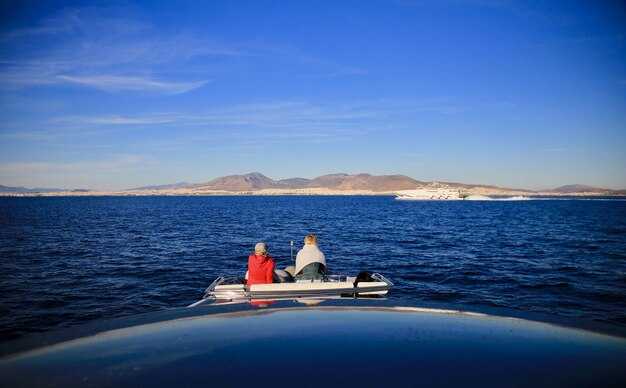
Equip every crew member with a properly fitted PFD, an insulated immersion suit, and a reliable whistle in a waterproof pocket before you depart. Keep a waterproof bag with a buoyant throw line, a harness and tether, and a spare set of gloves within easy reach. Have a life raft or liferaft with current inspection stickers, plus a handheld VHF, a satellite messenger if you sail beyond line-of-sight, and a radar reflector for visibility. Include pink distress flares and a signaling mirror; test them in port and rotate stock to avoid failures. Carry fresh batteries and a small solar charger to keep radio and GPS alive. Ensure gear is regularly checked with a buddy system; the entire crew should know where every item lives and how to deploy it. The safest practice is a pre-departure gear check every morning of the leg.
Training starts with a practical safety course led by experienced instructors. The course should cover man-overboard recovery, fire control, and abandoning ship, plus first aid at sea and radio procedures. Practice MOB with a partner and a throw bag; run drills at least once per early leg. Include clear radio calls on VHF channels 16 and 9, and simulate an emergency message. Both crew and skipper participate; experienced sailors would lead and coach newer members. Include a simple medical plan, with seasickness precautions and a plan for injuries from spray or slips. After drills, review sail trim and engine handling, so driving decisions stay smooth in rough seas.
Emergency procedures must be stated in a concise plan for the entire boat. Assign roles: who deploys the liferaft, who manages lines, who steers if the primary wheel fails. Practice heaving-to for squalls and near shoals, and practice safe anchoring near peninsulas. Maintain high-visibility signaling with whistle, mirror, and radio calls; keep a portable GPS and a paper chart as backups. In Arctic waters, stay alert for ice, sea ice movement, and eruptions near volcanic regions that can alter routes quickly. Monitor weather updates from a trusted source and have a plan to alter course to the safest option. In the eastern fringe of the North Atlantic, conditions can flip in a heartbeat; have a contingency for renting a small support craft if needed. If you experience engine trouble, know how to call for rescue in the hemisphere and set a plan to reach the nearest harbor. Keep your entire crew informed and ready to adapt. Be aware of waterfall spray that can saturate decks when you pass near glacial features.
On routes near popular whale-watching grounds, plan to observe responsibly; Húsavík is a popular base for whale experiences and should be included in permit checks. Track whale movements and keep distance rules to avoid disturbing wildlife. A calm approach is ideal when approaching wildlife and you should adjust speed to minimize water disturbance. Use a regular watch schedule and shift your lookouts across both port and open water to spot hazards early. If conditions shift, choose a sheltered route along the eastern coast or toward peninsulas with well-marked harbors; the entire crew should know when to shorten sail or drop anchor. By preparing with high-level safety gear, you reduce risk and keep the voyage enjoyable for everyone on board.
Clothing, provisioning, and cold-water preparedness for summer seas
Start with a versatile three-layer system: a fast-drying base layer, a mid-layer fleece, and a waterproof outer shell with taped seams. This setup keeps you warm and allows free movement on a vessel during an atlantic crossing or a guided expedition in greenland waters. Bring several colorful pieces that mix with the rest of your kit, and assign them to the parts you actually use on deck. Even when spray cools the deck, layering helps you stay comfortable.
Footwear should blend grip and warmth: waterproof mid-height boots with insulated liners, spare socks, and deck-friendly booties for wet surfaces. Include a warm beanie, a breathable neck gaiter, and insulated gloves suitable for dexterity. For icelandic winds and rock spray, select a drysuit or 4/3 wetsuit with booties and a windproof shell. Round out the look with colors inspired by icelandic landscapes to stay visible on yachts or during trekking along rock faces.
Provisioning centers on shelf-stable meals, protein bars, nuts, dried fruit, and a beverage plan for long days. Carry two liters of water per person per day and a compact water filter. If you sail with guided crew, align meals with the ship’s schedule; for expedition missions, bring spare stove fuel and a compact kettle. In the atlantic zone, stash spare parts like o-rings and tape for quick maintenance. Possibly add a small toolkit for quick fixes.
Cold-water preparedness features a drysuit or thick wetsuit with booties, gloves, and a hood. Practice safe deck movements, rehearse a quick man-overboard drill, and keep a PFD within reach at all times. Inspect hatch seals and bilge pumps daily to stay dry and stable when spray or waves lift you.
Logistics simplify with a clear plan for everyone. If you plan to use carlin16 for booking a guided expedition, confirm equipment lists with the operator and align bag weights with the vessel’s limits. Pair up with a buddy to check gear and remind them to bring the right items. Share a packing list in advance so everyone knows what to bring, and aim for a setup that keeps the load manageable. If you refresh your kit again for different weather windows, you improve safety and the experience on a summer route near greenland or icelandic shores.
Wildlife etiquette, port calls, and local regulations in Iceland and Greenland
Always book guided shore excursions through licensed operators when visiting wildlife sites in Iceland and Greenland. This ensures you learn local rules and reduces disturbance to fragile habitats.
Wildlife etiquette
- Maintain a buffer: 100 m from whales, 50 m from seals, and avoid nesting birds; never feed or touch wildlife.
- Move slowly and keep engines quiet; let animals choose distance, not your vessel.
- Avoid drones, loud music, or flash photography near colonies; use a zoom lens and shoot from a safe distance.
- Pack out all trash and dispose of waste properly to keep shoreline sites clean.
- Respect haul-out areas for seals and seabird colonies; stay on designated viewpoints and avoid restricted zones.
- Some sites require permits for landings–book with gosport-certified guides when possible and confirm included activities before you depart.
- When near krafla or other volcanic terrain, stay on marked paths to protect fragile ground; pink alpenglow can appear on cliffs, so observe from safe, stable spots.
- Photograph wildlife from the bow or rail, not from close approaches; never block travel lanes or force animals to relocate.
Port calls and local regulations
- Iceland ports: Reykjavik, Akureyri, Ísafjörður, Seyðisfjörður, Höfn, and Stykkishólmur are popular for cruise itineraries. Check your ship’s depart times and join a licensed excursion to access nearby sites, including waterfalls and peninsulas like Snæfellsnes. For longer outings, book a guided day that blends shoreline viewing with a visit to a nearby waterfall or volcanic area.
- Greenland ports: Nuuk, Ilulissat, and Qaqortoq are common. In Nuuk, follow municipal rules for landings; in Ilulissat, respect Disko Bay wildlife guidelines and stay within designated zones. Some areas are sund passages where currents run strong–only venture with a licensed operator. Confirm gear inclusion (kayaks, zodiac rides) before you depart and stay with the group.
Practical planning tips
- Times and spend: verify port call times and allocate a 2–3 hour buffer for weather changes or crowding; this helps you catch multiple nearby sites without rushing.
- Nearby sites and longer options: consider longer tours that cover a coastal shoreline, a peninsula drive, and a short waterfall stop to maximize your time near the Atlantic edge.
- Water-based options: if seas are calm, a short zodiac ride offers a closer look at wildlife; many operators include a brief water excursion in the package.
- Booking and gear: choose operators with clear safety records; ask what gear is included (rain gear, life jackets, binoculars) and whether pink accents aid in locating vessels in busy harbors.
- Shore approach and sites included: plan visits to popular and less-visited sites alike; separate your activities to avoid crowding sensitive habitats and to spend time on the best viewpoints.
- Avoid unplanned detours: stick to official routes and follow local signage; responsible travel keeps entire ecosystems healthier for longer.