


 العربية
  English (UK)
  Русский
  日本語
日本語  한국어
한국어  Magyar
  Türkçe
  Español
  Čeština
  Svenska
  Português
  Ελληνικά
  Suomi
Suomi  Nederlands
  Română
  Italiano
  Français
  Polski
  Українська
  Deutsch
  简体中文
简体中文  Slovenčina
 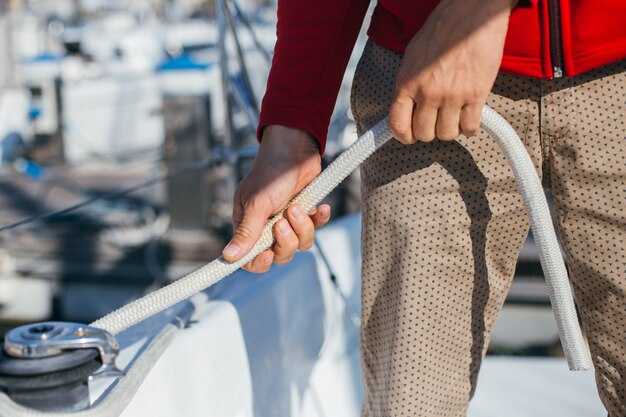 How to Sail a Catamaran Upwind – Techniques, Trim & Tactics">

Set the rudder to a neutral position and trim for a clean, open beat upwind. In light to moderate winds, keep the mainsail close to the centerline and the jib sheeted in enough to hold steady forward motion. If you feel the hulls lose bite, ease the jib slightly and let the main spill to maintain upwind progress, then move your weight down to help balance.
Work the two-hull beat with precise weight and calm hand movements. Shift your weight to the windward railing to keep the outrigger hulls from rising, and use a firm hand on the tiller or wheel to maintain a steady course. Between tacks, keep a short, controlled movement with the rudder and trim so that the apparent wind stays close to the sails. On a cat, the wind shifts cause more pitch, so a light touch often makes the difference. The position of the boat relative to the wind matters; aiming for the best angle is key, and the wheel should stay responsive to small corrections.
Trim strategy matters: use a precise hand on the mainsheet and jib sheets to keep shape when the wind shifts upwind. إن best tack is a controlled move with a small angle to the wind; avoid over-rotation, which can stall the breeze. When the boat accelerates, there is a moment when you must adjust rig tension and weight between the sails and the boat centerline. If you’re using a down gust approach to re-accelerate, you can switch to letting off to recover speed, then seamanship becomes the key to the next move. This technique used by top crews minimizes the risk of stalling, whether you race or cruise on a sunny day.
Tap into wind shifts: read the sails and water for signs of a lift or knock, and respond with timing rather than brute force. If the winds gust from a particular side, move the head down a touch and let the boat feel the lift before you commit to a new course. They say you should keep your hand on the rudder or wheel to feel the difference in movement, and always check the windward hull for planing readiness. However, you must maintain calm, deliberate actions to avoid overcorrecting.
Avoid common mistakes that make upwind sailing harder on a catamaran. Over-trimming slows both hulls; keep the sails in a tight, clean profile but not to the point of stall. If you feel the boat difficult to control, back off slightly and re-trim. Maintain balance by moving a hand to the windward side and using the rudder to fine-tune the course. Whether you’re racing or cruising, practice and repetition matter, and this setup often makes the difference in speed and consistency. The technique used by top crews relies on timing and clear calls from the helm.
Practice scenarios with another crew to build rhythm. Assign roles: one person handles the wheel و rudder, another watches wind shifts and calls changes. Keep the main and jib trim aligned; a slight misalignment wastes speed, so use the open space of the cockpit to adjust without disturbing the line. Ask them to watch for wind shifts and communicate clearly during quick course changes. There is a single word to remember in gusts: patience.
Upwind Catamaran Techniques: Trim, Tactics, and Tack Strategies
Set up for upwind progress: trim the mainsail and traveler to balance power, keep your feet planted, and maintain a comfortable stance in the cockpit to track the wind without overtaxing the arms.
Keep the hulls moving by loading the sails just enough to prevent stalling, and use steady steering to hold a true course. Good trim reduces weather helm, gives you more speed, and still water under the hulls for a smooth ride.
Be alert for reefs and shallow water; reduce sail well before you reach reefs, and check that the line and controls are clear of slack. In living water you want to stay moving and avoid stalling.
When you approach a tack, align with the track of the wind and the bows’ orientation. Always keep their stance balanced, use weight shifts and smooth maneuvers to keep speed up. The line used for trim guides the draft, and you should tap into your skills to stay on course.
Configuration matters on multihulls: cockpit layout, rigging, and sail controls shape steering and trim. Keep the controls within easy reach, and ensure the motor is ready for short moves in calm water or to reposition the boat. Already trimmed and moving well, the crew can stay in rhythm and focus on the next tack.
| Wind (knots) | Upwind trim focus | موقف الهيكل | Tactics | الملاحظات |
|---|---|---|---|---|
| 6–12 | شدّ الشراع الرئيسي بما يكفي للرفع، المزلاج من 0 إلى 0.5 متر باتجاه مهب الريح. | مستوى مع انحناء طفيف للأعلى لتقليل تأثير الدفة المعاكسة بسبب الرياح | حافظ على المسار الثابت، وتجنب التوجيه المفاجئ | لا حاجة للشعاب؛ راقب العمق |
| 12–18 | لفّة معتدلة، شراع في المنتصف، تحكم أكبر في الميل. | مسطحة عبر كلتا الجهتين، والوزن على الجانب المواجه للريح | استغل التغيرات، وخطط للدوران بانسيابية | تجنب ارتخاء الحبل الخلفي قدر الإمكان. |
| 18–25 | "شراع رئيسي مطوي، وتقليل مساحة الشراع، وضبط الحبل." | دفة قيادة خفيفة، وتيرة مريحة | مناورات تغيير الاتجاه القصيرة، استخدم التحكم في مقدمة القارب | تفقد العمق، توجد شعاب مرجانية أمامك |
خطط لاقترابك عكس اتجاه الريح: زاوية الريح، المسار، وترتيب المناورات
اضبط مسارك الأول بزاوية قريبة من اتجاه الريح تتراوح بين 40-45 درجة وحافظ على توجيه ثابت للحفاظ على توازن الدفات وتتبع الهيكل متعدد القواعد بشكل نظيف. وازن الطفو بين الهياكل عن طريق تقليم الأشرعة لتجنب دفة المؤخرة؛ وتأكد من بقاء الأحمال متساوية وأن يظل الهيكل المواجه للريح متصلاً بدلاً من الارتفاع. استخدم الأدوات لتأكيد زاوية الرياح وسرعتها، ثم التزم بالمسار الذي يمكنك تكراره في المراحل المتتالية.
خطط لترتيب التغيير قبل العمل في عرض البحر: نادِ “تغيير” مبكرًا، ثم نفذ التسلسل بسلاسة. في كل تغيير، قم بإرخاء الحبال، ووجه القارب عبر الريح، وحافظ على الحبال حرة وتحت السيطرة. عيّن يدًا واضحة للأشرعة والحبال، وتدرب على التبديل ليكون الانتقال سريعًا وهادئًا.
تُعدّ دقة زاوية الريح أمرًا مهمًا: استهدف زاوية 40-60 درجة بالنسبة للريح بناءً على الظروف، ولكن تجنب التعمق أو الارتفاع الزائد، مما يهدر السرعة. حافظ على رؤية واضحة للأفق لتوقع الزخات والتحولات، واستخدم الشرائط الهوائية وأجهزة قياس الرياح لضبط المسار. إذا اشتدت الظروف، انتقل إلى زاوية أعلى قليلًا أثناء الإبحار عكس اتجاه الريح للحفاظ على قوة الدفع مع الحفاظ على التوازن.
يمكن أن تساعد الدوافع في المساحات الضيقة أو عندما تحتاج إلى تحكم دقيق في الموقع بالبحر؛ بخلاف ذلك، اعتمد على التوجيه والعمل الدقيق بالأوزان والحبال. في جميع المناورات، ضع كلمة “إستراتيجية” في الاعتبار وطبقها: أعط الأولوية للسرعة والتوازن وتسلسل تغيير الاتجاه السلس. افهم كيف تتحول الأحمال عندما تميل، وعدّل بيد حرة على الحبال ولمسة ثابتة على الدفات للحفاظ على الرؤية إلى الأمام والحفاظ على أفضل مسار.
ضبط الأشرعة لزيادة السرعة في اتجاه الريح: إعدادات الشراع الرئيسي والشراع الأمامي
Recommendation: قم بتسطيح الشراع الرئيسي وهذّب الشراع الأمامي للإبحار بدقة و بزاوية حادة عكس اتجاه الريح لزيادة السرعة القصوى. ابدأ بالشراع الرئيسي: أحكم رباط Cunningham لتحريك الانحناء إلى الأمام، وشدّ رباط القدم لتسطيح الجزء السفلي، وأحكم الحبل لتقليل تجاعيد الحافة الأمامية. حافظ على شدّ خفيف لذراع الشراع للتحكم في الانحناء في العواصف. بالنسبة للشراع الأمامي، هذّب الحبل للحفاظ على فتحة الهواء نظيفة وابق الشرائط تتدفق على طول الحافة الأمامية. في الظروف المعتدلة، استهدف انحناء أمامي بحوالي 25-30% من ارتفاع الشراع للحفاظ على استقرار الهيكل وتسريع القارب.
ضبط الشراع الرئيسي: يزيد شدّ شريط السحب الخارجي من تسطيح الجزء السفلي من الشراع ويدفع المسودة إلى الأمام. استخدم حبل التحكم في مقدمة الشراع لتحريك المسودة إلى الأمام بضعة سنتيمترات؛ يجب أن يكون الحبل الرئيسي مشدودًا بحيث يظل الطرف الأمامي للشراع أملسًا. حافظ على تحميل خفيف لقضيب منع ارتفاع ذراع الشراع لمنع انتقال مشروع الشراع إلى الخلف عند هبوب الرياح. يجب موازنة شد الطرف الحر للشراع بحيث تظل الشرائط الدالة العلوية متدفقة ويحافظ الشراع على رؤية نظيفة ومسطحة من سطح السفينة.
ضبط الشراع الأمامي: حافظ على شدة حافة الشراع الأمامي باستخدام الحبل واربط الحبل بحيث تتبع خيوط الدلالة المواجهة للريح خطًا مستقيمًا. اضبط الطرف للحفاظ على فتحة ضيقة بين الشراع الرئيسي والشراع الأمامي؛ تعمل زاوية إبحار قريبة تبلغ 3-6 درجات في رياح متوسطة في البحر. إذا وصلت عواصف، فقم بالتبديل إلى شراع أمامي أصغر للحفاظ على التوازن والسرعة الإجمالية دون إرهاق الهياكل.
فحص التقنية: استخدم علامات كشف اتجاه الرياح على الشراعين للتحقق من التدفق: تفحص العلامات العلوية والسفلية على الشراع الرئيسي ومقدمة الشراع الأمامي. إذا رأيت ارتجافًا أو تجعدًا في الحافة الأمامية، فقم بالتخفيف قليلًا أو أعد الشد لاستعادة شكل مسطح وثابت. قبل التغيير المفاجئ للاتجاه أو التحول نحو المرسى، قم بإجراء فحص سريع لضبط الشراع لتجنب ردود الفعل المتأخرة والحفاظ على مهاراتك قوية. تساعدك الرؤية من سطح القيادة على الإحساس بدفع الهياكل وتوازن القارب، خاصة عند تغير الظروف.
الشروط والممارسة: في البيئة الساحلية لأيرلندا، تستفيد معظم الجلسات من بداية محافظة بملف تعريف أكثر انبساطًا وفتحة متواضعة. مع هبات الرياح الأصغر، حافظ على الاستقرار؛ مع هبات الرياح الأكبر، عزز الشراع الرئيسي وقصّر الشراع الأمامي للحفاظ على السرعة. تنمو المعرفة بالممارسة، والتعديلات التي تجريها تتراكم حقًا عندما تبحر في عرض البحر أو بالقرب من جسر المسار. استخدم نفسك كنقطة مرجعية؛ كلما تحركت بسلاسة من إعداد تقليم إلى التالي، زادت السرعة والثقة التي تكتسبها، حتى عندما تتغير زاوية الرياح وتقترب من المرسى.
التوازن ووضعية الجسم: الوزن والوركين والتوجيه لتحقيق الثبات
اركض إلى مهب الريح وأدر وركيك بزاوية 12–25 درجة نحو سكة مهب الريح للحفاظ على استواء القارب الشراعي ذي البدنين واستجابة الدفة.
حافظ على تمركز الوزن أسفل نفس مساحة الشراع، واقرأ العصفات بسرعة، ونسّق مع تعديل الشراع لتحكم أفضل وأداء فعال في مهب الريح.
- <strongالوزن والوقفة: قف مع مباعدة القدمين بعرض الكتفين، مع ثني الركبة الداخلية قليلًا، والقدم الخارجية على حافة الهيكل المواجهة للريح. حرك وركيك نحو السكة المواجهة للريح بما يكفي للشعور بمقاومة سطح السفينة للانحراف، وعادة ما تكون الحركة الجانبية من 6 إلى 12 بوصة. هذا يثبت السرعات ويساعدك على التحرك بسلاسة خلال المنعطفات دون تصحيح مفرط.
- <strongالأرداف والجذع: وجّه بحوضك، وأدر الجزء العلوي من جسمك بزاوية 12-25 درجة نحو الجانب المواجه للريح أثناء التوجيه. حافظ على استقامة كتفيك مع الأشرعة وأبقِ عينيك مرفوعتين لقراءة تغيرات اتجاه الريح. هذا يمنع القارب من التمايل ويحسن الإحساس بالتوازن أثناء هبوب الرياح.
- <strongالذراعان واليدان وعناصر التحكم في التوجيه: استخدم يدًا خفيفة على الدفة أو عجلة القيادة؛ أصابع مسترخية، ورسغين مرتاحين. تصحح مدخلات الدفة الصغيرة والمستمرة أثر العواصف بينما يتعامل نقل وزنك مع معظم الميل. تجنب الحركات المتشنجة؛ فالتوجيه الأكثر سلاسة يمنحك إحساسًا بالأداء العالي والكفاءة في الماء.
- <strongتوافق وزن وتعديل الشراع: اسمح بتغييرات في تعديل الشراع لمصاحبة تحركات جسمك. عندما تنقل وزنك، حرر لفترة وجيزة بعض ضغط الشراع لمنع التحولات المفاجئة في القوة، ثم أعد إحكام الربط عندما يستقر القارب. هذه الطريقة تجعل الاقترابات والانعطافات قابلة للتوقع، حتى في ظل العواصف، وتبقيك في سيطرة أكثر أمانًا.
- <strongإعدادات ومناورات مع اتجاه الريح: للدورانات أو الانتقالات مع اتجاه الريح، اضبط الوزن على الجانب المواجه للريح وحافظ على استعداد الوركين للتحرك. إن ممارسة هذه الحركات أثناء الانتظار في المرسى أو منطقة محمية يبني ذاكرة العضلات للاستجابات السريعة عند العودة عكس اتجاه الريح.
- <strongتمارين لتحقيق الثبات: تدرّب على 6-8 دورات قصيرة في مهب الريح، مع التركيز على تغيير واحد في كل مرة: الوزن، ثم دوران الورك، ثم إدخال التوجيه. في ظروف المياه المسطحة، ستتمكن من قراءة وضع القارب بشكل أسرع وتنفيذ الحركة بجهد أقل، مما يجعل المناورات سهلة وقابلة للتكرار للقراء الذين يبحثون عن تقنية أفضل.
إجراء التغيير: التحضير الأولي للتغيير، التنفيذ، وإعادة المحاذاة
اضبط شراع التأثير الرئيسي والدفة للانعطاف قبل أن تبدأ؛ أبقِ يدك على عجلة القيادة جاهزة والطاقم على الجانب المواجه للريح، مستعدًا للانتقال بمجرد مرورك عبر اتجاه الريح.
- التحضير قبل وضع اللجام
- تأكد من اتجاه الرياح وقوتها، واستهدف سرعة كافية (الهدف 4-6 عقدة) للحفاظ على السيطرة أثناء تغيير اتجاه الرياح؛ ولاحظ أي تحول واضح نحو الشاطئ وخطط لقوس نظيف.
- إحكام الأشرعة: الشراع الرئيسي على مفرش مريح مع التحكم بذراع التوازن عن طريق العربة؛ الشراع الأمامي أو الشراع الجنوة يتم إحكامه لتحقيق التوازن في القوة ومنع التوقف عندما تتدحرج عبر الريح.
- Secure lines and gear: coiled sheets, clear hanks, and free deck space; spend a moment to check below, including bedrooms or crew spaces, so nothing interferes with the tack.
- Position crew: one or two on the windward rail, a clear hand on the wheel, and a quick call for kids to stay clear of lines; agree on the very next action and roles.
- Strategy and understanding: define what “through the wind” means for your boat and confirm the tack direction (what you will turn to) to keep everyone aligned.
- Safety and checks: wear life jackets, verify hatches are closed, and ensure above-deck lines won’t snag during the turn.
- Execution
- Initiate the turn by steering the wheel or rudder toward the wind, aiming to bring the bow through the wind on a smooth arc of about 40–60 degrees from your current heading.
- As the bow passes through the wind, ease the old sheet and promptly trim the new sheet; switch hands if needed and avoid over-sheets that slow the boat.
- Maintain speed to prevent falling or stalling; shift weight to the new windward rail as the hulls accelerate, keeping the boat flat to limit heeling.
- Monitor apparent wind: if it drops, adjust the mainsail or traveler to keep power; communicate clearly with the crew with short, precise calls.
- Say “going through the tack” once the bow aligns with the new wind, and confirm the crew is ready to load on the new side; this keeps the sequence tight and predictable.
- Very next step: verify that the old jib is released smoothly and the new sheet is fully engaged, so you don’t lose speed at the moment of alignment.
- Re-Alignment
- Center sails for the new course: snug mainsail, balanced jib, and traveler adjusted to maintain power without overpowering the boat.
- Check balance and steering: ensure the rudder or wheel holds the new heading with the wind coming from the expected side; adjust as needed to prevent drift.
- Optimize for close-hauled: aim for a steady 30–40 degree wind angle when conditions allow, and adjust trim as wind strength changes.
- Re-check lines and deck space: remove any lingering twist, secure all lines, and confirm there are no loose items that could shift during the next tack.
- Finish with a quick crew check: confirm everyone understands the sequence for the next tack, especially if the wind shifts or you’re coordinating with passing boats near a bridge or shore.
Reading Shifts and Puffs: Adjusting to Wind Changes on the Fly
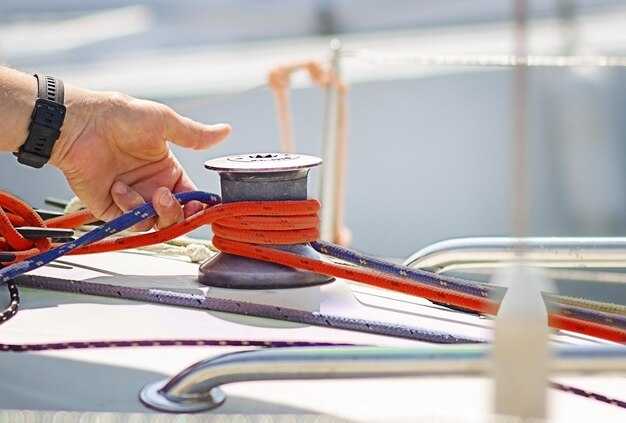
Reef early when a puff approaches; ease the mainsheet to steady the boat and keep the leeward hull from lifting. Set the traveller to the middle to maintain a balanced keel angle, and keep your boats on a close-hauled track with minimal drift. If gusts rise, apply another reef rather than fighting the sail; this approach improves control, reduces excessive heel, and makes the hulls float on pressure rather than slam from a sudden gust. Practically, reading the wind ball by ball gives you the needed edge to react before the next gust arrives.
Read shifts by watching telltales on the luff, the water texture, and shadows moving across the deck. Were gusts forecast, a ball of wind marks the onset of a gust; when you feel it, plan a 1–2 degree trim adjustment and shift weight toward the windward rail to keep both hulls stable. If the leeward hull starts to fall, you probably need more weight on the windward side; if the puff shifts the boat, ease in the sail slightly to preserve heading and speed. Avoid overreaction; small, early corrections beat large swings, and you’ll gain time to set up the next tack. Detail your observations after each gust so you can repeat the best moves.
On a catamaran, weight shifts matter more than you might expect. Move your hips toward the windward rail to keep both hulls afloat when a puff hits; ease the mainsheet for a quick tempo, then re-trim as the breeze shifts. The mainsail traveller lets you keep the mast in column while the keel remains balanced; reefing can be part of the operational plan when wind builds, and you should perform pronto adjustments to the traveller and vang to hold sail shape. Remember: keeping the hulls close to the wind saves distance and increases the benefit of each gust, and resist the temptation to overtrim; collision of sails with the breeze leads to stalls and loss of momentum.
Practical drill and mindset: build a quick decision ladder you can trust during a race or a cruise. Before each gust, check the forecast, then commit to a plan and stick to it; this improves privacy of your action and provides a steady anchor for your crew. In practice, a 5–7 knot swing in wind may require reefing, weight shift, or a slight change of course; measure your speed and note the hull float, detail the heading change versus wind pressure, and log it for the next session. Keep the galley tasks minimal during shifts; the design of your sails and traveller system should support these moves, and the benefit shows in a smoother ride, better velocity, and less stress on the hull and keel.