


 العربية
  English (UK)
  Русский
  日本語
日本語  한국어
한국어  Magyar
  Türkçe
  Español
  Čeština
  Svenska
  Português
  Ελληνικά
  Suomi
Suomi  Nederlands
  Română
  Italiano
  Français
  Polski
  Українська
  Deutsch
  简体中文
简体中文  Slovenčina
  How to Deal With Seasickness While Sailing – Practical Tips to Prevent Nausea at Sea">

ابدأ في استخدام حلوى الزنجبيل والمشروبات المائية للتخفيف من بداية الشعور بالغثيان.. This fact مدعومًا بأطقم تنقل: حفنة صغيرة من حلويات أو مشروب بالزنجبيل يمكن أن يساعد في تهدئة الزناد الذوقي. احتفظ بزجاجة من الماء العادي أو شاي الأعشاب في متناول يدك واختر الكربوهيدرات الخفيفة مع البروتين الخالي من الدهون؛ تجنب الوجبات الثقيلة التي تثقل المعدة. تساعد الوجبات الصغيرة والفورية في تثبيت الأمعاء أثناء الحركة.
وجّه نظرك إلى الأفق، وامنح نظامك الحسي مرجعًا واضحًا. إذا حاولت قراءة خريطة أو تفحصها في مياه مفتوحة وعرة، فإنك تخاطر بالتسبب في عدم تطابق بين العينين والأذن الداخلية. بدلاً من ذلك، فضل النظر إلى المعالم البعيدة والاستماع إلى الرياح والتنفس بثبات. يقلل هذا النهج من فرصة التعرق البارد أو الوقفة المهتزة، ويساعدك على التحرك بثبات أكبر عند التوجيه أو التحرك على سطح السفينة. إن رؤية الأشياء البعيدة والبقاء هادئًا يسمح لك بالشعور ب confusion أقل وإدارة إيقاع السفينة بشكل أكثر موثوقية.
اختر مكانًا ثابتًا على سطح السفينة وتحرك بحذر للحد من الإشارات المتضاربة. قف مع توجيه ظهرك نحو حاجز أو جدار المقصورة لتقليل الصدمات، وحافظ على وقفتك بعرض الكتفين، وتجنب التحولات المفاجئة. إذا شعرت بعدم الاستقرار، فانتقل فورًا إلى مكان محمي واحتسِ رشفة صغيرة من الماء؛ وعندما تبلغ الرياح أو الأمواج ذروتها، وجه بدقة وحركات سلسة وتجنب الميل إلى الزوابع.
استخدم روتينًا لطيفًا ومناسبًا للحواس لتهدئة الجسم. يمضغ حلويات أو ارتشف رشفة صغيرة drink تحتوي على الزنجبيل أو النعناع. يمكن أن تخفف هذه الأطعمة من المُحفّز الموجود في الأمعاء والأذن الداخلية. احتفظ بأطعمة لطيفة مثل البسكويت أو الخبز المحمص أو صلصة التفاح أو الأرز العادي، وتجنب الدهون الثقيلة التي تبطئ عملية الهضم. إذا لاحظت شعورًا بالغثيان يتسلل إليك، فاسترح في مقصورة هادئة أو جزء محمي من القارب، مع الاحتفاظ بسترات النجاة في متناول اليد، وتنفس ببطء لإعادة ضبط إيقاعك. إذا كانت لديك إشارات أخرى، فقم بتعديل وضعك وتناول بضع رشفات من drinks as needed.
تسلّح بالتأكد من جاهزية المعدات ووضع خطة للحظة ظهور الأعراض. ارتدِ ملابس خفيفة، وافتح فتحات التهوية للحفاظ على حركة الهواء، واستخدم رباطًا للمعصم مصممًا لتوفير الراحة الحسية الذاتية إذا كان متاحًا؛ حيث أفاد بعض الناس بشعورهم بالراحة من العلاج بالابر. احتفظ بمجموعة أدوات صغيرة تتضمن حلويات, ، زجاجة سادة drinks, ، وخيار قليل من الشعير الحامض للمساعدة؛ استمع إلى موسيقى تصويرية هادئة ومنخفضة الصوت حتى تتمكن من سماع sound of waves وألا تطغى عليها الحركة.
تجنب المحفزات التي تزيد من الغثيان أكثر من اللازم. تجنب قراءة النصوص على الشاشات أو الرسوم البيانية عندما تميل السفينة؛ النظر إلى الأجسام البعيدة يساعد، والاعتماد على الأدوات لمعرفة السرعة ومعدل الدوران يقلل من التضارب في المدخلات. حافظ على رطوبة ثابتة واختر الأطعمة اللطيفة سهلة الهضم؛ والإصغاء إلى wild ريح و waves المرور يمكن أن يكون كافياً للبقاء مرتاحاً. لا تستهلك. كحول; الحد من المشروبات الغازية drinks يمكن أن تتسبب في انتفاخ المعدة.
ضع روتينًا بسيطًا يمكنك تكراره في كل رحلة عبر المياه المفتوحة. قبل أن تتحرك، تحقق من النشرة الجوية وتواصل مع الطاقم إذا شعرت بالإرهاق؛ الممارسة الشائعة هي السير على سطح السفينة حيث يكون النسيم أكثر ثباتًا والأمواج يمكن التنبؤ بها. قراءة سريعة لمدة 5 دقائق للنشرة الجوية وبعض الأنفاس يمكن أن تحافظ على توازنك وتساعدك على العودة بثبات إلى رباطة جأشك.
دليل الوقاية من دوار البحر
حافظ على رطوبة جسمك وتناول وجبات خفيفة صغيرة ومنتظمة لتحقيق استقرار نسبة السكر في الدم. احتفظ بقطعة بسكويت لتسكين المعدة، واشرب رشفات من الماء أو مشروبات электролит чаще. يساعد ذلك الدماغ على معالجة الحركة ويقلل من الدوار عند حدوث هبة رياح.
اتخذ وضعية ثابتة: أمسك بقضيب أو بحافة المقصورة بالقرب من مركز المركب، وخلف الصاري إن أمكن. أبقِ نظرك على أفق بعيد لتقليل إشارات تعارض الدماغ، وتجنب النظر إلى الأجسام المتحركة القريبة، مما قد يؤدي إلى تفاقم الأعراض.
تحرّك مع الريح، لا ضدها. عندما تشعر بالعلامات الأولى، خذ نفسًا بطيئًا ومتعمدًا وأرخِ كتفيك. الوصول إلى أقسام أكثر هدوءًا عن طريق تعديل المسار أو التباطؤ إلى وتيرة أبطأ لجعل الرحلة أكثر راحة للمسافرين. تفضل الممارسة الشائعة أيضًا إبقاء النظرة ثابتة على نقطة بعيدة لتقليل تعارضات حركة الدماغ.
تمرّن على التنفس البسيط والاسترخاء: استلقِ ورأسك متجه نحو نقطة ثابتة، أو اجلس وعيناك مغلقتان لبضع دقائق. تساعد هذه الإجراءات على إعادة ضبط إشارات الحركة في الدماغ وتقليل الدوار. في الكاتاماران، غالبًا ما تجعل المنصة الأعرض هذا الأمر أسهل وأفضل.
حافظ على وجبات طعام خفيفة وتوقيت يمكن التنبؤ به: أطعمة لطيفة، وحصص صغيرة، وبسكويت مالح لتهدئة سريعة. حافظ على رطوبة الجسم؛ ارتشِف الماء بين اللقمات. يساعد تناول الطعام بشكل ثابت هؤلاء المسافرين على البقاء في المسار ويقلل من الرغبة في الانسحاب.
المعدات والتخطيط: ارتدِ سترة واقية من الرياح، وثبّت الأشياء الفضفاضة، وفكّر في استخدام أشرطة العلاج بالإبر أو مضغ الزنجبيل. بالنسبة لأولئك المعرضين للأعراض، غالبًا ما يؤدي البدء بهذه الخطوات في اليوم الأول إلى أفضل النتائج. تساعد هذه الأشياء المسافرين على البقاء على المسار الصحيح. إذا كان ذلك متاحًا، فقم بدراسة صور الأفق والنقاط المرجعية التي تظل ثابتة في الظروف الصعبة.
يجب على المسافرين التخطيط لروتين: قراءة الطرق والتنبؤات الجوية قبل المغادرة، وحزم مجموعة أدوات مدمجة، وتحديد مكان للراحة عندما تصبح الرحلة صعبة. ستحافظ هذه الخطط على الروح المعنوية عالية وتقلل من التوتر أثناء الرحلات الطويلة. مسافر آخر سيستفيد من هذه الطرق أيضًا. تجنب الشاشات للابتعاد عن الإرهاق والحفاظ على التركيز على الأفق.
مواصفات Catamaran: في القوارب ذات الهيكلين، تكون الحركة أكثر هدوءًا عادةً، خاصةً عند توزيع الوزن بالتساوي. خلف المقصورة، أبقِ القدمين مسطحتين وأمسك القضيب للحفاظ على التوازن عندما يميل القارب. اقرأ تغيرات الرياح مسبقًا لتوقع التغييرات والحفاظ على سلامة وراحة الطاقم. إذا استمرت الأعراض، استشر الطاقم؛ وإلاّ قصّر المسافة وابحث عن مياه أكثر هدوءًا.
القسم 1: تحديد الأعراض المبكرة والمحفزات
هناك مقاربة سريعة وملموسة لاكتشاف المشاكل في بدايتها. يُطلب منك استخدام مطالبة بسطر واحد: تشعر بعدم الارتياح في بطنك وتضربك طاقة خفيفة في الرأس خلال دقائق، تصرف الآن. بالمقارنة مع الأيام على الأرض، يمكن أن تبدأ الحالة في المياه المفتوحة بسرعة مع تحول إشارات الحركة والرؤية.
استخدم قائمة التحقق السريعة هذه للإشارة إلى حالة الانزعاج المتزايد قبل تفاقمها:
- ألم في البطن والمعدة: قرقرة مستمرة، تشنجات، أو شعور بالغثيان يتصاعد بعد كل لفة.
- الرأس والوجه: دوار، خفة في الرأس، شحوب، تعرق بارد
- الأنف والفم والحلق: زيادة إفراز اللعاب، أو الرغبة في البلع، أو الرغبة في التقيؤ
- تنفس: تنفس سطحي وغير منتظم أو نمط تنهد
- توازن ورؤية: صداع، رؤية بقع
المحفزات التي يجب الانتباه إليها، والتي غالبًا ما تتصادم (إشارات متضاربة):
- نمط الحركة: انتفاخ ثابت يتبعه تغييرات سريعة في السرعة، أو تدحرج كبير بين مستويات السطح.
- نظرة: التَّرْكيز على نُقْطَةٍ ما يتطلبُ حركةً أقلَّ للجسم، ولكن الرؤية في الأفق قد تخلق إشاراتٍ مُتضاربة.
- البيئة: شدة النسيم، شمس ساطعة، روائح، إرهاق، جفاف
- فسيولوجيا: الوجبات، دين النوم؛ الكحول يمكن أن يفاقم ردة الفعل
- الوضع: في الأمام أو الخلف، بالقرب من حواف السطح يمكن أن يضخم إشارات الحركة؛ النوم على سرير ناعم يقلل القدرة على التحمل
يساعد حفظ السجلات، في حالة تكرار الأيام التي تُظهر نفس النمط، تكون أكثر استعدادًا للرد بسرعة. ابدأ سجلًا صغيرًا: الوقت والموقع على متن السفينة (الأمام أو منتصف السطح أو الخلف) ومستوى النسيم (0-5) والنشاط (وقوف أو مشي أو نوم) وما تم تناوله من وجبات أو مشروبات. يعرف البحارة كيف يقرؤون لاحقًا لتحديد النقطة التي تتحول فيها الإشارات من خفيفة إلى أقوى.
What to do at the first signs: move to a calmer area, grab a seat near a window where a breeze comes, and breathe slowly. If theres a chance vomiting may occur, sit with your back supported and belly relaxed; keep your head steady and eyes fixed on the horizon or a distant, fixed point between deck rails. If youre in the front half of the vessel and motion remains erratic, switch to the lee side or step below to a more stable cabin area behind the crew’s mess. A light snack and water can help, but avoid heavy meals. If you know anti-nausea medicine that works for you, take it as directed on the label. If signs persist beyond 20-30 minutes or escalate to repeated vomiting, stop activities and seek medical advice on board or ashore.
Section 1: Use posture and breathing to ease nausea
A simple, stable stance reduces sensory conflict that triggers queasy sensations. Stand feet shoulder-width apart, weight distributed evenly, hips level, and spine tall. Keep the head between the shoulders and fix your gaze on a distant horizon, not the rolling rails or moving gear. This between-visual and vestibular mismatch is a major driver of discomfort, and correct posture will generally lessen it more than ad hoc adjustments.
Breathwork matters. Use diaphragmatic, slow breathing: inhale through the nose for four counts, pause, then exhale through the mouth for six to eight counts. Repeat for two minutes until the breath stabilizes. This simple pattern modulates brain signals and sensory processing, so you feel less of the overload that accompanies waves and motion. If you can’t relax, switch to box breathing–inhale 4, hold 4, exhale 4, hold 4–and repeat.
Visual and movement cues matter. Avoid seeing rapid deck changes or screens; instead, look toward the horizon or a fixed wall near the helm to keep input steady. When the vessel rolls, sit or kneel, keep one hand on a rail, and adjust your stance to the rhythm of the swell. These ways are especially helpful when waves peak; staying seated reduces sway, and the routine becomes part of training for crew and guests alike, which makes everyone safer and more capable. Motion symptoms often drop in intensity; cant around cherchi lore should be ignored in favor of evidence‑based methods that you can read and practice.
Nutritional and sensory aids can support this approach. Eat a simple cracker or light snack before departures and keep hydration steady through small sips of water or an electrolyte drink. Some read on gusty days report that green fruits or apples help provide a crisp, refreshing taste that steadies the senses. For persistent symptoms, scientists have studied a range of medications; if you consider this option, read labels carefully and consult a trainer or clinician since side effects vary and might affect performance at the helm. In many markets, safe options exist that won’t impair focus.
These habits tend to be effective for most people and can complement other measures. They are generally safe to practice aboard, and combining posture, breathwork, and light nourishment creates an adaptive loop between brain and body. Since this approach relies on training and discipline, expectations should be modest: small gains accumulate with consistent practice, and the joys of calm conditions become more accessible, even when the weather remains rough for a while. This routine will gradually boost confidence and steadiness on deck, helping you stay present and safe.
Section 2: Quick actions to take when seasick
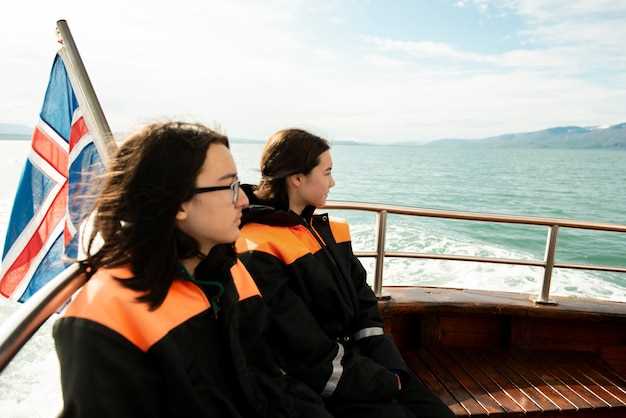
Move to a window and sit with a straight back; simple breathing and a steady gaze on the horizon usually ease sickness.
Eat a small cracker and light meals to settle the stomach; this simple step lowers the trigger and keeps the gut calm for a while.
Stay hydrated: sip water or electrolyte drinks regularly; avoid large gulps, which can worsen the feeling and invite vomiting.
For traveling ones who get sick, this simple routine usually works and prevents triggering a long bout.
If you were traveling on wild seas, these steps tend to produce faster calm and keep you able to function while underway.
Limit physical movement during peak motion episodes; if you were active, lie down with the head down and keep movement minimal for a few minutes, then resume gradually.
Fresh air helps; open a hatch or stand in a breeze and avoid overpowering odors; this supports more ease for most travelers.
Track meals and avoid conflicting foods and smells; plan ahead so you can eat bland items when the situation allows.
When symptoms spike, stop meals for a moment, then reintroduce small sips of fluids and bland foods to reduce the chance of vomiting.
This section also emphasizes practical advice: medications, hydration, and steady movement work together to keep travelers more capable and reduce the impact of motion on the body.
| Action | Why it helps |
|---|---|
| Move toward fresh air and window seating | Provides a simple movement that lowers sickness triggers and improves comfort for most travelers when the wind is favorable. |
| Eat a cracker with small meals | Calms the stomach and prevents abrupt changes in motion that can worsen queasiness for the sick. |
| Stay hydrated with regular sips | Supports hydrated status and blood pressure, reducing the chance of vomiting and aiding recovery. |
| Use medications if advised | Follows trusted advice and can prevent prolonged discomfort in many travelers. |
| Limit movement during peak motion | Gives your physical system time to reset; easing movement lowers the urge to push forward too soon. |
| Ventilate and avoid conflicting smells | Fresh air lowers triggers from odors and wind, helping the body settle. |
Section 3: Pre-trip planning to reduce motion sickness
Take ginger about 30–60 minutes before you set off; use 250–500 mg capsules or an equivalent amount from fresh root or tea, not exceeding 1 g in a day; if mild discomfort returns, a small second dose may be taken after 4–6 hours, but avoid large doses.
Keep crackers or plain toast on hand; bland foods help keep the stomach stable, and avoid heavy, fatty meals that can worsen the unwell feeling down the line; have part of a light meal at places you trust from a reputable market guide so you don’t forget the basics.
Hydration matters: sip water regularly; electrolyte drinks are fine, and open availability of a non-alcoholic option helps when seas are choppy; avoid alcohol in the hours before the first motion begins and during the initial stage of the course; caffeine should be moderate as it can contribute to dehydration.
Position and sensory cues: choose a spot with minimal motion, preferably forward or midship; keep eyes on the horizon and see stable landmarks; open air decks help; avoid prolonged reading and seeing only a moving panel; schedule short breaks to breathe and stretch, as others may benefit when their input matches the surroundings.
Planning and supplies: read reviews from trusted market sources about motion-friendly products; before a voyage, consider a compact kit with ginger, crackers, and a bubka snack for steady calories; scientists explained that ginger acts on the GI tract and sensory pathways, and in instance trials it reduced vomiting and motion discomfort compared with placebo; read labels, take taking notes, and begin by testing these measures on a shorter local trip to build confidence and keep the voyage safe for their comfort.
Section 3: Hydration, meals, and on-board foods to prevent nausea
Drink water regularly and keep a steady intake to maintain a sound system when waves move. Start with 0.5 liter before you go, then sip 150–200 ml every 15 minutes during the first hour to avoid a sick feeling. These small refills beat dehydration and help you recover faster.
Electrolyte beverages support the body’s system by replacing salts and minerals lost in sweat. Choose options with modest sugar and sodium (about 300–600 mg per liter) or add a pinch of salt to plain water. Avoid high-sugar drinks that can unsettle the stomach, especially on longer rides; keep the mix plain and easy to move through the gut.
Meals should be plain and easily digestible: dry crackers, plain toast, white rice, bananas, applesauce, and small portions of yogurt. Eat every few hours rather than a single large plate; these choices keep the stomach calm on moving days and reduce the sick feeling compared with heavy meals. If you’re shopping at the market, steer away from fried items close to the helm.
Ginger is a simple ally: use fresh slices in tea, ginger chews, or candied pieces. Start sipping ginger tea 15–20 minutes before a rough ride and keep a small piece in your pocket or at the seat for slow chewing. Ginger can help you feel more steady and less sick on the way.
On-board foods should be portable and light: saltine crackers, pretzels, almonds, fruit, and small yogurt cups. Store in a sealed container to avoid odors; these items are easy to move around and fit in a plain place on deck. Consider a small bubka piece for a quick energy lift, especially when you’re traveling through tougher stretches. These joys, found at the market, can also include cherchi for variety.
Seat choice and horizon watching reduce motion signals: opt for a window seat near the front when conditions are choppy. Fix your gaze on the horizon rather than the waves to ensure fewer conflicting cues for the brain. If you’re feeling off, sit near the helm for a moment and breathe; ease comes with consistent, slow breaths and steady intake.
Over the years, these routines help sailors stay capable and more resilient. If you feel confused, return to basics: sip, chew ginger, and eat small, plain bites. There’s joy in simple habits that keep you moving, even when the ride is plain rough. These moves beat a tough stretch and make traveling more comfortable, more than you might think.