


 العربية
  English (UK)
  Русский
  日本語
日本語  한국어
한국어  Magyar
  Türkçe
  Español
  Čeština
  Svenska
  Português
  Ελληνικά
  Suomi
Suomi  Nederlands
  Română
  Italiano
  Français
  Polski
  Українська
  Deutsch
  简体中文
简体中文  Slovenčina
  How to Choose the Right Marine Mechanic for Your Boat">

Verify certifications and read references first to work with a reputable, highly skilled mechanic. Understand your boat’s needs for maintenance, and ask for a clear turnaround plan. Get a written estimate that itemizes labor, parts, and any anticipated damage control work.
Look for a shop in your area with transparent pricing, a strong reputation, a solid warranty policy, and a track record on boats similar to yours. A reputable facility will list certifications from recognized bodies and show client feedback. Ask how they handle parts suppliers and whether they can diagnose issues on-site safely.
Ask for their step-by-step approach to diagnosing problems and preventing further damage. A good mechanic explains test procedures, tools, and how they verify repairs before returning the boat. Request a written plan that outlines maintenance intervals for your vessel and a realistic turnaround window.
Choose a partner who understands your boat’s uses, whether it’s a fishing boat, cruiser, or sports vessel. They should tailor maintenance to your area, climate, and sailing lines, and discuss warranty terms and what happens if you experience an issue after service.
Request references from other boat owners in your area who use the same services. Check reputation by contacting several clients and comparing turnaround times, pricing, and how warranty claims are handled. A solid mechanic will provide a transparent maintenance plan that fits your needs.
Finally, compare quotes and verify that the shop can deliver on time and safely. A reputable partner will match your needs, provide clear maintenance records, and stand behind their work with a warranty that comes with confidence. With the right technician as a partner, you keep your boat ready for sports use and everyday trips, protecting your investment and keeping lines of communication open.
Practical steps to select a trusted Florida mechanic and build connections with local dealers
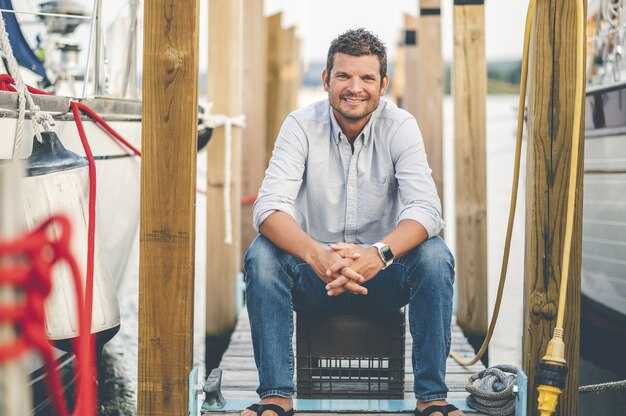
Start with a targeted shortlist of Florida mechanics who specialize in your boats and hold current licenses. When you call, ask for proof of insurance, references, and a concise summary of their experience with boats like yours in saltwater conditions. Verify they have hands-on experience with your hull type and note who the shop manager is.
Request written pricing and a breakdown of callouts, diagnostics, and parts. Ask when pricing changes with scope and ensure there is a clear path to a personalized estimate, plus a description of how they handle larger jobs and ongoing services. Compare these values across three shops to find the right balance of services and pricing, then invest time in the ones that demonstrate consistency and transparency.
Look for a master mechanic or a team with ABYC or NMMA credentials; these specialty credentials show they understand electrical systems, fuel and cooling, and corrosion control on boats. Ask about certifications, ongoing training, and the conditions under which they would recommend replacement parts versus repairs, so you can select options that match your long-term value and goals.
Visit the facility to inspect the workspace: check for organized bays, updated tools, a well-stocked parts cabinet, and documented service procedures. Ask what guarantees they offer, how they track information on each job, and who will be the point of contact if conditions change or delays arise.
Build connections with local dealers by attending service counters, speaking with the parts manager there, and introducing yourself as a serious boat owner. Share your needs, explain that you value a long-term relationship, and state that you invest in regular communication and feedback. If they trust you, they will provide callouts and recommendations that help you manage pricing, access specialty services, and obtain the right parts at the right times, ensuring you have reliable information and support when you need them.
Clarify Your Boat’s Needs: service scope, age, maintenance history, and critical systems
Start with a needs checklist: detail the service scope, age, maintenance history, and critical systems to guide every conversation with a mechanic.
Define the scope by listing tasks across engines, drives, electrical, plumbing, cooling, steering, and safety gear, covering various subsystems, so you can compare quotes on a like-for-like basis, and aid maintaining transparency in pricing.
For age, record engine hours, propulsion years, hull exposure, battery cycles, and past overhaul dates; attach receipts to build a deeper understanding of remaining life and likely parts needing attention.
Critical systems earn priority: engines, cooling, fuel system, exhaust, electrical distribution, steering, hydraulics, bilge pumps, and navigation electronics; map each to maintenance intervals and compliance requirements.
Use this detail to request personalized or tailored assessments from trusted hands. Make clear you want a plan that covers maintenance milestones and a long-term strategy, not just a quick fix.
Where to search: dealer service departments, large marina repair yards, and independent shops in austin; ask about reputation, recent jobs, and customers’ experiences, then request a few references. Compare pricing transparently and check what’s included in each quote.
When evaluating candidates, ask how they would review your maintenance history, what checks they will perform in a deeper inspection, and what a typical service window looks like for your engines and other critical systems. Ensure they can carry a detailed report and a clear scope that aligns with your boat’s needs.
By clarifying needs now, you’ll receive more accurate estimates, a personalized maintenance plan, and a path to keeping your boat reliable for the long-term.
Verify Credentials: licenses, certifications, insurance, and bonding

Choose a partner you can trust: verify licenses and insurance before authorizing any work on your boat. Place the work in capable hands and protect your investment and the longevity of critical systems.
Licenses: Confirm an active license with the state marine trades licensing board for the shop or individual. Record the license number, jurisdiction, and expiration. If you need clarity, call the board to verify the status and any disciplinary actions. Check that the license covers the specific work your boat requires (electrical, fuel, plumbing, or hull work).
Certifications: Look for specialty credentials that match your boat’s systems. ABYC-certified technicians, marine electrical or fuel system credentials, and factory-trained certifications from engine or propulsion brands show current knowledge of latest standards. Request certification IDs and renewal dates; verify them with the issuing bodies if needed, especially for complex diagnostics or dangerous repairs.
Insurance: Require a current certificate of insurance listing the shop as the insured and include coverage types: general liability, workers’ compensation, auto, and property damage. Confirm coverage limits (for example, a minimum of $1 million aggregate) and the policy period. Verify the COI with the insurer or agent and ensure it covers on-water work, transporting tools, and potential damage to your boat while repairs are underway. Call the insurer if you need confirmation.
Bonding: Ask for a surety bond and verify the bonding company. A bond protects against non-performance or incomplete repairs and can be used to recover costs if the work doesn’t meet agreed specifications. Ensure the bond amount matches the project scope and ask for the bond certificate you can share with your boat’s insurer or marina.
Verification process: Collect information this way and keep it handy for comparing options. Request copies of licenses, COI, and bond certificates; then check them against official databases or the issuing bodies. Call the licensing board and the insurer if anything looks unclear. This deeper lookup reduces risk when you invest in on-water work and helps you communicate with customers about what to expect from repairs and warranties.
Notes on checks and planning: while credentials matter, they are part of a broader approach. Ask for recent repair histories on similar boats, talk about parts replaced, and verify manufacturer-recommended procedures. Make sure the shop’s process includes documenting what was done, what parts were used, and the workmanship warranty. This information helps you compare options, understand price in context, and plan for future maintenance and technology upgrades.
When to move on: if any credential is missing, inconsistent, or cannot be verified, proceed to other options. A qualified partner will readily provide current licenses, clear COIs, and a valid bond; if not, continue with more checks or call a reliable marine trade association for guidance.
| اعتماد | What to verify | Where to verify | Red flags |
|---|---|---|---|
| ترخيص | Active status, jurisdiction, expiration | State licensing board website; direct call | Expired, suspended, name mismatch |
| Certification | Specialty areas and renewal | ABYC, OEM manufacturer training records | Outdated or generic credentials; missing renewal dates |
| التأمين | General liability, workers’ comp, property damage | Certificate of Insurance from insurer; verify coverage | No COI, insufficient limits, expired policy |
| Bonding | Surety bond for work quality and payments | Bonding company certificate; contact for verification | No bond or expired bond |
Assess Experience with Your Boat Make/Model and Florida conditions
Prioritize mechanics who have worked specifically on your boat make/model and Florida conditions. This alignment ensures what you need: familiarity with your propulsion, electrical layout, and corrosion risks across saltwater environments. Request a concise record of similar jobs and verify outcomes. Never rely on generic credentials; ask for photos, parts lists, and the before/after details that prove reliability. The tech understands Florida-specific wear, so you can trust who handles this environment.
To evaluate, start with what you expect from a successful repair or preventive maintenance plan. Gather candidates, then compare these elements across each profile and proposal. Thus, you can see who consistently delivers results across projects around the coast and at the beach.
- Make/model alignment: What models have you repaired, and do you understand the nuances of your engine type, drive, steering, and electrical systems?
- Florida conditions: Have you worked in salt air, heat, humidity, and waves around beaches from Miami to St. Pete? What challenges did you encounter and how did you address them?
- Record and jobs: Can you provide a record of similar jobs, including parts used, labor steps, and owner follow-up? Are there references from boats around Florida coastlines?
- قطع الغيار والضمان: ما هي قطع الغيار التي تستبدلها عادةً في هذا الطراز، وما هي الضمانات المصاحبة للعمل؟
- المهلة الزمنية والشفافية: ما هي نافذتك الزمنية النموذجية لبدء التشخيص على رصيف الميناء والوقت المتوقع لإكماله؟ هل تقدمون فحوصات في الموقع وخطة صيانة موثقة؟
- التكنولوجيا والوثائق: ما هي أدوات التشخيص وتسجيل البيانات التي تستخدمها؟ وهل تحتفظ بسجلات رقمية يمكنك مشاركتها عبر Boatsetter أو رابط سحابي؟
- التوفر والنطاق: أين مقركم، وما هو الموقع الذي تغطونه، وما مدى سهولة الوصول إلى قاربكم في المرسى أو الوصول إلى الشاطئ؟
- الموثوقية عبر الخدمات: هل تتعامل مع الكهرباء والوقود والسباكة والتوجيه معًا، أم تحيل إلى متخصصين؟ تأكد من أن النهج متسق ومنسق بشكل جيد عبر المهن.
- البدء والمشاركة: ما هي الوظائف المشمولة في الخدمة الأولية، وماذا تتضمن العملية من البداية إلى النهاية؟
- نهج المقارنة: هل تقدم مقارنة واضحة للخيارات المقترحة حتى أتمكن من اختيار أفضل مسار للعمل؟
بالإضافة إلى ذلك، تأكد من أن الفني يفهم تفاصيل صناعة قاربك وبيئة فلوريدا تحديدًا. في المحادثات، اذكر ما تتوقعه لفحص القارب وهو على الرصيف، وما الذي يعتبر خدمة كاملة، وما الذي سيتم تسليمه في التقرير النهائي. تعتمد التوصية القوية على الردود الموثقة ومقارنة جنبًا إلى جنب. هناك قيمة في التحقق المتبادل من ملف التعريف على Boatsetter مع المراجع المحلية؛ ضع في اعتبارك الموقع وتفاصيل الساحل، حيث أن المحترف الذي يمكنه مقابلتك بالقرب من المرسى في منطقتك هو الأفضل. إذا كانت هناك فجوة في موقع الفني أو سجله، فانتقل إلى المرشح التالي لتجنب التأخير، ولا ترض أبدًا بتأكيدات غامضة. لا يوجد خطر في طلب هذه التفاصيل.
هناك، استخدم خطة وصول واضحة: ضع جدولًا زمنيًا، وأدرج المهام، وتتبع النتائج. يقدم المرشح القوي خطة متسقة تغطي العمل الوقائي والإصلاحات الطارئة والرعاية طويلة الأجل. عند الانتهاء، احتفظ بتوصية قصيرة للآخرين: توقعاتهم، وما يجب تجنبه، وكيفية الاتصال بك للمشاريع المستقبلية في فلوريدا، حتى تحافظ على قاربك في أفضل حالاته حول العواصف والشمس والتحولات الموسمية. ضع في اعتبارك أيضًا "أوستن" كعلامة في عمليات البحث لقياس الخبرة عبر الأسواق، ثم أعط الأولوية للمطابقات المحلية لظروف المياه الواقعية في فلوريدا.
طلب عروض أسعار شفافة: معدلات العمالة، وقطع الغيار، والجداول الزمنية، وشروط الضمان
اطلب عرض أسعار مكتوبًا ومفصلاً مقدمًا. حدد أسعار العمالة وتكاليف قطع الغيار والجداول الزمنية المتوقعة وشروط الضمان. يتيح لك ذلك توقع التكاليف الكاملة والتخطيط وفقًا لجدول السفينة.
أسعار العمالة والنطاق: يجب أن يتضمن عرض الأسعار المعدل بالساعة، والساعات المقدرة لكل مهمة، وإجمالي المبلغ الذي لا يجب تجاوزه. قم بتضمين أي حد أدنى أو رسوم سفر تنطبق عندما يكون القارب في مرسى بالم. قارن بين الخيارات للتأكد من حصولك على قيمة عادلة للعمل وتجنب الرسوم المفاجئة.
قطع الغيار والمصادر: تحديد أرقام القطع والعلامات التجارية، وتحديد ما إذا كانت جديدة أو مجددة، أصلية (OEM) أو بديلة، ومن سيقوم بتوريدها؛ مع تضمين الضرائب ورسوم القطع المسترجعة والشحن والمواعيد النهائية لإعادة القطع المسترجعة. طلب بند ضمان منفصل على قطع الغيار حتى تعرف التغطية والجداول الزمنية في حال تعطل أحد الأجزاء.
الجداول الزمنية والمعالم: أدرج تاريخ البدء، والنوافذ الزمنية للأعمال على الرصيف، والاختبارات، والتجربة البحرية، وخطوات الطوارئ في حال تغير الطقس أو المد والجزر. قم بتضمين إشعار بالتغييرات في الجدول الزمني حتى تتمكن من تعديل خطط المرسى دون تعطيل.
شروط الضمان: تحديد مدد الضمان للعمالة وقطع الغيار، ونطاق التغطية، والاستثناءات، وإجراءات تقديم المطالبة، وكيفية تنفيذ الخدمة بموجب الضمان. لهذا السبب يساعدك الضمان الواضح والمفصل على معرفة ما يمكن توقعه إذا كان هناك خطأ ما.
الفهم والتحقق: اطلب من الميكانيكي أن يشرح لك الخطة، وتأكد من فهمه لاحتياجات سفينتك، وخصوصيات نظام الوقود، وتوقعات الأداء. قم بتضمين فحص سريع لخطوط الوقود وسلامة النظام للتحقق من أن الخطة تتطابق مع الواقع.
القرار والخطوات التالية: مقارنة الخيارات، والتأكد من صلاحية الأسعار لفترة محددة، والاختيار بناءً على القيمة وليس السعر فقط. بناء علاقة مع المتجر الذي يعطي الأولوية للتواصل الشفاف لأصحاب السفن والطواقم الذين يقدرون التحديثات الواضحة. في حال استشارة Boatsetter للحصول على خيارات، تأكد من أن السعر يتماشى مع تلك التقديرات.
تقييم خيارات الدعم: الضمانات، وخدمة المتابعة، وشبكة الموزعين في فلوريدا
ابدأ بضمان مخصص يغطي محركك وأنظمتك الرئيسية لمدة 12 شهرًا على الأقل، مع شروط واضحة للأجزاء والعمالة ورسوم السفر والاستثناءات. استفسر عن قابلية التحويل، وما الذي يغطيه الضمان فعليًا، وأي متطلبات صيانة للحفاظ عليه ساري المفعول. تذكر مراجعة التفاصيل الدقيقة واطلب ملخصًا مكتوبًا. خذ وقتك لمقارنة ثلاثة عروض وحساب ما تتطلبه كل خطة للبقاء صالحة. يجب تفصيل أسعار الضمانات ومقارنتها عبر العروض؛ يشير الضمان القوي إلى التزام الوكيل وإنشاء سجل قوي مع فريق الميكانيكيين والفنيين. تسمح لك بعض برامج الوكلاء بتخصيص التغطية حسب حجم القارب أو نوع المحرك أو مستوى الاستخدام، لذا حدد خطتك قبل التوقيع.
خدمة المتابعة مهمة. اطلب مستوى متابعة محددًا بعد كل إصلاح: ما الذي يشمله، ومن يغطي الزيارات المستقبلية إذا ظهرت مشكلة متكررة، وما مدى سرعة استجابة الورشة. اطلب مقابلة مدير يمكنه تقديم سجل خدمة موجز وتعيين تذكيرات للصيانة القادمة. ابحث عن خيارات التشخيص عن بُعد، والدعم في الماء، وأوقات استجابة مضمونة. يقدم أفضل وكلاء فلوريدا فحوصات ما بعد الخدمة وتحويلًا سريعًا للاستفسارات المتعلقة بالضمان، ثم يمكنك الاعتماد على نفس الفريق لتلبية الاحتياجات المستقبلية.
تؤثر جوانب شبكة الوكلاء في فلوريدا على الموثوقية على المدى الطويل. تقلل الشبكة الكبيرة والمتصلة جيدًا أوقات الانتظار وتوسع الوصول إلى قطع الغيار الأصلية. اسأل عن مستوى الدعم الذي تتلقاه لصنع وقوة محرك القارب الخاص بك، وما إذا كانت الشبكة لديها فنيين متخصصين لأنظمة الديزل أو المحركات الخارجية أو القوارب الشراعية، وما هو معدل وقت التسليم المعتاد لقطع الغيار؛ قد تختلف الأسعار حسب الطراز والمنطقة والمكون. اطلب بيانًا واضحًا عن مدى توفر قطع الغيار وجدولًا زمنيًا ثابتًا لأجور العمل إن أمكن. إذا كنت تستخدم Boatsetter، فراجع ملفات تعريف الفنيين وملاحظات المديرين لتقييم مدى الملاءمة، ثم اتصل بالوكيل لتأكيد التوفر والتسعير. يوجد في فلوريدا عدد أكبر من الوكلاء على طول الساحل وفي الموانئ الداخلية الرئيسية، وتوفر هذه الحزمة قيمة إضافية لبعض المشترين. تختلف الأنظمة البحرية عن أنظمة السيارات، لذا اعتمد على قطع الغيار البحرية بدلاً من كتالوجات السيارات. تساعدك خطط الخدمة المخصصة وسجل قطع الغيار القوي عبر الشبكة على قضاء المزيد من الوقت في الماء.