


 العربية
  English (UK)
  Русский
  日本語
日本語  한국어
한국어  Magyar
  Türkçe
  Español
  Čeština
  Svenska
  Português
  Ελληνικά
  Suomi
Suomi  Nederlands
  Română
  Italiano
  Français
  Polski
  Українська
  Deutsch
  简体中文
简体中文  Slovenčina
 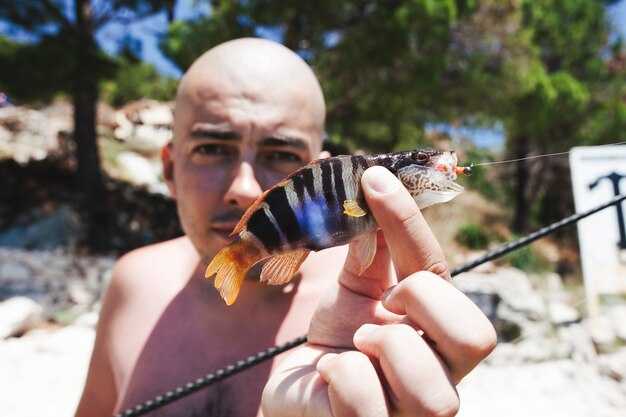 How to Catch Catfish – Expert Tips on Bait, Gear, Techniques">

Start with locating a hole on a shallow downstream bend where the current slows and structure concentrates prey. countyfeatures such as submerged timber, rock ledges, and a wide bottom profile draw the most active fish; scan the shore for signs of sunfish activity and feeding along the edge.
Set up a sliding rig on a robust tackle setup with a sturdy line, a 2–4 oz weight, and a strong circle hook. Use a sunfish chunk or whole sunfish as the lead piece, keeping the mouth of the fish oriented toward the point. Employ a hybrid setup that blends weight and sensitivity, ideal for bottoms and snag-rich runs. Cast across a range of depths from shallow to mid-column, and be ready to adjust the leader length depending on cover.
Execute the retrieval with rhythm: cast along the downstream edge and let the bait settle; when a tug comes, pause, then sweep the rod tip and feed line to keep contact. The slowest bites often arrive after the weight settles near the bottom; stay patient, guard against snags, and let every test teach you the water. If you love quiet patience and precise timing, this approach is rewarding, because the fish gravitate toward the bait, bringing steady action from them.
Adapt to the river’s rhythm because the pattern depends on season, current, and light. In your home waters, mark where you find them most often: near holes, along the shore, or downstream from big structure; note how often bites occur at dawn or dusk. sometimes the best bites come after a short adjustment, so move a few arm lengths and recheck the line. The reward is steady, and the tackle you build today will pay off every outing.
Practical Catfish Angling Guide
Use a minimum 20–30 lb mainline with a 12–24 in leader, a 2–3 oz sliding weight, and a sturdy circle hook. Anchor down in coves where riprap lines the shore and current slows; present them just off the bottom where the edge structure holds fish. Keep the line taut to register quick takes, and adjust your position with each cast based on water clarity. These setups have fished reliably across coastal bays and okaloosa lagoons.
For attractants, use sucker chunks, mullet pieces, crawlers, and a dough ball option; try your favorite combination and test each element to isolate results. The stink of natural scents matters; use unique presentations to improve response. With clear water, go lighter; with stained water, extend the longer leader and let scent linger. In okaloosa coves near riprap, this approach shines. If you fish into longer sessions, stock extra chunks; they stay effective across tides.
Target zones by depth: flathead favor deeper edges, striped cats lurk near structure at night; place one line toward deeper pockets and another toward shallower zones to cover multiple possibilities. As advised by local captains, adjust angle and use staggered lines for easier detection of subtle taps. Each cast should bring the offering within reach of likely holds, and when you see a line twitch, give a firm but controlled set. Fished this way, you can feel the difference between a light nudge and a real bite, easy to distinguish; determined by tide and wind, keep your stance steady and read the current before the next cast.
| Condition | Setup | الملاحظات |
|---|---|---|
| Calm, clear water near coves | 20–30 lb line, 12–24 in leader, 2 oz weight, circle hook; sucker or mullet chunks | Present just off the bottom, near riprap |
| Murky water, dusk | Longer leader, dough ball, crawlers | Stink attractants boost visibility; okaloosa spots respond well |
| Deep flats with current | Anchor down; two rigs aligned to hold in cross-current | Target flathead more; maintain minimum tension |
Choosing the right bait for catfish by species and water conditions
Start with live shad on forked-tail rigs in slow-moving lakes spanning acres; this choice yields the most rewarding bites for blues and flatheads when temperatures hover between 60 and 78°F. Place the set-up near the bottom and tend the line through weed edges and along creeks, where fish frequently pass by in sunshine.
Channel catfish in public waters respond well to cut shad or chicken liver. Use a robust set-up with 2–4 oz weights and a strong leader, and fish near submerged logs or along back eddies where current slows. If the bite is slow, wait the minimum time before swapping baits, then switch to a stinkier option or a fresh cut to keep their attention through the day.
Blue catfish prefer bigger offerings in large reservoirs or lakes well over 100 acres. Go with live shad or large cut bait, targeting depths of 20–40 feet when temperatures rise into the 70s. Use 6–10 inch baits on multi-hook rigs and a heavier line to hold bottom in current. In stained water, add scent and adjust leaders to keep the bait inside the backwash that blues patrol.
Flathead catfish bite best on live fish such as bluegill or shad, often around submerged wood and logs. Target slow-moving channels and brushy cover near Woodruff areas or other woody structure; use bottom rigs with heavy weights and circle hooks sized 6/0–10/0. In lakes with clear water, offer natural presentations; in murk, lean toward larger, stronger baits to trigger sight and bite signals.
Water conditions dictate placement: in lakes with clear water, mimic natural forage and keep baits steady near cover; in acres of murky water, increase bait size and scent to reach fish through the glassy or turbid layers. Orlando-area public lakes and similar states demand frequent changes in depth and distance from shore, especially on sunny days when fish back off to cooler zones. If a bite is determined by line movement rather than visible strike, adjust depth and switch to shad or cut bait that matches what the fish have been feeding on.
Hook types and rigs for flathead, channel, and blue catfish
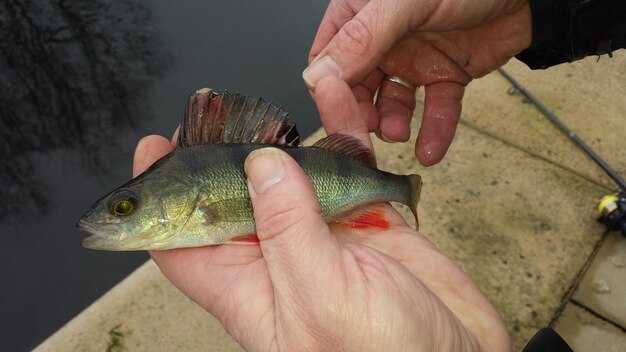
Begin with a Santee Cooper bottom rig: 6–8 oz weight, bead, and barrel swivel, plus a 12–18 in leader to a circle hook for blue catfish; switch to a large J-hook or curved point for flatheads. Spooled braided line provides the necessary strength, and a stout knot keeps connections secure. In muddy current, add weight to pin the rig to the bottom. This setup tend to hold in current and minimize snagging near cover, creating reliable opportunities from tailwaters to deep holes.
Flathead-focused configuration relies on direct bottom contact: a single large hook (5/0–8/0) on a 12–24 in leader with a bottom-hugging stance. A Texas rig with a slip sinker works well, or run a dropper loop with a curved hook to keep the bait near the riverbed. Use 6–8 oz in moderate flow to maintain contact; a straight or curved hook aids clean hooksets on big fish.
Channel cat rigs favor simplicity and quick, solid hookups: a bottom setup with a slip-sinker and one or two hooks, weights 1–4 oz, and circle hooks (#4/0–#7/0) to minimize gut hooking. A short dropper leader keeps the bait in the strike zone while the main line moves with current. In calmer water, a Texas rig offers dependable performance with a single hook and light weight (1–2 oz).
Blue catfish demand heavy tackle and reinforced connections: 8–12 oz weights in flowing water, 60–100 lb class braided line, and long leaders. Either Santee Cooper or Texas rigs work well; circle hooks boost hookup efficiency and reduce handling stress. In slow tailwaters, try artificial lures such as crankbaits to locate fish, then switch to dough balls or paste-based attractants mounted on the hook to seal the bite.
General setup notes: plan from the ramp, coordinate with friends, and begin early in the season when flows are favorable. Use spooled braided line for performance, keep weights heavy enough for muddy conditions, and choose hooks with curved or straight profiles based on bite style. Such rigs tend to deliver, even when fish hold deep or lurk near cover, and they translate well across multiple water bodies and seasons.
Rods, reels, lines, and terminal tackle for freshwater catfishing
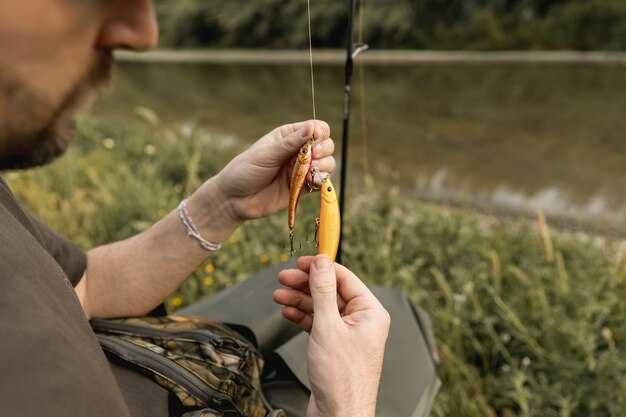
Best starting setup for freshwater catfish is a 7-foot to 7.5-foot rod with medium-heavy action, paired with a sturdy reel and smooth drag. Use about 200 yards of 20 lb braided line backed by 12- to 15-lb monofilament, or run straight braid for deep, beefy control. This setting lets you bring them out of dense cover and patches across acres of water, turning the battle into a controlled, powerful fight.
Line choice and handling: Braided mainline delivers very sensitive feel and strong performance, while a fluorocarbon leader 20–40 lb resists abrasion from rocks and timber. Soak the leader before tying to reduce knot slip in cold water. This setup offers a fantastic balance between learning and control, especially when you fish near sunfish and striped patches that mark weed lines and feed zones across acres.
Terminal tackle: Use hooks sized 4/0–8/0, with circle or wide-gap shapes depending on bite style. A sliding sinker above a bead and swivel prevents line twist; pair with a 20–40 lb fluorocarbon leader for abrasion resistance when fishing into timber and dense cover. This arrangement stays strong in a battle and keeps big fish from tearing off.
Rigging and setting: Approach this sport with a simple rig that works in wintering pools and dense cover. If youd prefer simplicity, begin with the Carolina rig. Tie knots with a reliable palomar or improved clinch; keep line setting taut as you probe patches in acres of water, including weed beds and sunfish schools. Their feeding tends to be gorging during warm spells, so stay focused and smooth, happily turning learning into solid results.
Baiting tactics: fresh bait vs. stink bait, scent trails, and presentation
Begin with live beef bullheads as your main attractant; harvested from a licensed fishery, these fish stay dense in a cooler and deliver strong aroma. Thread 2–4 on a sliding leader so the hook sits 6–12 inches off the bottom, then cast along the shore, side channels, and maidencane patches where activity is highest. Access public ramps and prepare for early drives; plan year-round trips, looking for movement near structure and chasing the target in the same area. In the Weohyakapka fishery and nearby public waters, this setup produces consistent results.
تُطلق رأس الثور الطازجة والحية نبضات عطرية منعشة في المياه الصافية؛ أما في الظروف العكرة أو الغنية بالتيارات، ضع جاذبًا قائمًا على الأسماك المتعفنة لتوسيع نطاق الرائحة خلف التركيبة. استخدم كميات معتدلة لتعطير الماء دون إغراق التركيبة؛ فالأقل غالبًا ما يكون أكثر، ويمكنك التجديد كل 20-30 دقيقة خلال الظروف المستقرة، مما يجعل الأثر يملأ عمود الماء.
آثار الروائح: دع التيار يدفع الرائحة على طول القاع نحو المنطقة المستهدفة؛ اركض على طول حواف القصب، وجيوب الأعشاب، والانحدارات حيث يتركز الغطاء الكثيف للأسماك. يساعد العرض المتدحرج في الحفاظ على اتصال الطعم بالقاع مع السماح للرائحة بالانجراف نحو نفس المنطقة. تستجيب المسطحات المائية التي يتم الوصول إليها عبر نقاط الوصول العامة بالقرب من مصايد Weohyakapka جيدًا عندما تضع الخيوط في مواجهة الرياح والتيار.
المظهر مهم: استخدم إعدادًا انزلاقيًا لإبعاد الطعم عن الأعشاب والتحكم في العمق. نوّع بين عمليات الإنزال بالانجراف البطيء والانجرافات الثابتة الأطول لتغطية نفس القسم؛ حافظ على تقديم الطعم على ارتفاع 6-12 بوصة فوق القاع عند وجود هيكل، وانزل إلى عمق أكبر حيث يرتفع القاع إلى درجة أكثر انحدارًا. قم بتشغيل خطوط متعددة من الشاطئ لزيادة التغطية، خاصة خلال جلسات الصباح الباكر أو أواخر الظهيرة، ونسق مع الزملاء على نفس القارب لعمليات قيادة فعالة؛ هذا النهج يجعل من السهل التكيف مع تغير الظروف.
ملاحظات ميدانية: سجّل الأحوال الجوية، وصفاء المياه، والمواد الجاذبة التي أحدثت تفاعلاً؛ ابحث عن علامات النشاط الخفي - طين مضطرب، أو خطوط استيقاظ، أو ضربات ذيل - واضبط بسرعة. في المناطق العامة القريبة من الشاطئ وأشجار القصب الكثيفة، يمكنك تحقيق نتائج ثابتة على مدار العام عن طريق الحفاظ على إمداد ثابت من العروض الحية المحصودة بنكهة اللحم البقري. شارك التحديثات مع أورلاندو، ومصايد الأسماك في Weohyakapka، والمصادر الإخبارية القريبة للبقاء على اطلاع وإنتاج نتائج ضد نفس الأنواع المستهدفة.
قضمات القراءة والتوقيت: كيفية تحسين الضربات حسب الموسم والوقت من اليوم
خطط لاستهداف الأسماك خلال فترات الشفق - الفجر والغسق - عندما تبرد المياه قليلًا ويزداد النشاط. في الأنظمة الشرقية والشمالية الشرقية، تهيئ هذه الساعات عبر المسطحات الضحلة وبالقرب من الأحراش المسرح لإشارات لدغة أكثر وضوحًا واستجابات أسرع.
- الربيع: اندفاع ما بعد التفريخ والتغذية في المياه الضحلة
- أفضل الأوقات: من الفجر إلى منتصف الصباح، وخاصة بالقرب من الشاطئ ونقاط الوصول على طول الأنهار والخلجان مثل مصب نهر أبالاتشيكولا.
- قضمات القراءة: توقع اصطيادًا أسرع عندما تندفع الأسماك إلى مناطق 2-8 أقدام حول تجمعات الأعشاب وحول المواقع التي تتجمع فيها أسماك القاروص الكبيرة وأنواع أخرى بشكل فضفاض؛ ابحث عن سحبات قصيرة ومحددة وإمالة ثابتة للخيط حيث تنقض الأفواه.
- ملاحظات حول الأنماط: تحب هذه الأسماك التنقل عبر الجيوب الدافئة وتحب الهياكل التي تكسر التيار؛ استخدم طعوم صناعية تهتز تحاكي الشاد والعلف الآخر، ثم انتقل إلى تجهيزات أعمق إذا تحول الصيد إلى عرض البحر.
- توجيهات بشأن المعدات والطُعم: خطط للعمل على الشواطئ المكشوفة ونقاط الوصول بالقوارب باستخدام معدات متوسطة الحركة؛ حافظ على الطعوم في نطاق 2-4 بوصات لإغراء الضربات الأبطأ والمتعمدة الشائعة في أواخر الربيع.
- الصيف: الحرارة تبطئ وتيرة العضة؛ زِد التركيز لأقصى حد.
- أفضل الأوقات: عند الفجر أو قرب غروب الشمس؛ في حرارة النهار، تنزلق الأسماك إلى المياه العميقة أو تحت النتوءات، لذا انتقل إلى أعماق 6-20 قدمًا والهياكل الشجرية على طول الضفاف أو عبر القنوات.
- قضمات القراءة: أبطأ عمليات الأخذ تأتي عندما يرتخي الخيط للحظة قبل سحبة قوية؛ راقب هزات الرأس الدقيقة والقضمة اللطيفة على البوصة الأولى من الخيط بينما يؤمن السمك الطعم.
- ملاحظات حول الأنماط: استهدف المواقع التي يمكنها الوصول إلى خطوط حرارية أعمق ومدارس القُصْ الحَوْصَليّ؛ خطط للعمل حول الثيران وروافد القاع الأخرى التي تتغذى بكثافة على سقوط القُصْ السطحي.
- إرشادات بشأن المعدات والطُعم: استخدم طُعمًا صناعيًا كرنكبيت يُحاكي أسماك الشاد المتجمعة في أسراب وعدّل طريقتك إلى سحب أبطأ وأكثر منهجية؛ احتفظ بالمعدات بالقرب من الغطاء النباتي ولكن تجنب الإفراط في وضعها في الجدران البحرية المفتوحة.
- الخريف: تتسع نافذة التغذية؛ تصبح اللدغات حاسمة.
- أفضل الأوقات: قبل الفجر وبعد الغسق، مع جيوب من الطقس الدافئ الذي يطيل النشاط؛ عبر أنظمة الأنهار الكبيرة، تُظهر المواقع على طول الساحل الشمالي الشرقي وإلى الأحواض الشرقية ضربات متسقة في الأعماق الضحلة إلى المتوسطة.
- عند القراءة: توقع سحبات أقوى أو انخفاضًا مفاجئًا حيث تندفع التجمعات النشطة إلى مناطق 4-12 قدمًا؛ تحدث العديد من اللدغات عندما تدور الأسماك من بين الأعشاب إلى المياه المفتوحة بالقرب من الهيكل.
- ملاحظات حول الأنماط: تتجمع الأسماك حول الحافات الضحلة والنقاط؛ التركيز على نقاط الوصول وحواف الشاطئ حيث تدفع الأمواج الطعم.
- إرشادات حول المعدات والطُعم: أعطِ الأولوية للطُعم الموثوقة التي يمكن رميها جيدًا من الشاطئ أو القوارب؛ خطط لاستخدام مزيج من طرق العرض الضحلة والمتوسطة العمق، مع التبديل المتكرر بين الأنماط التي تحاكي سمك الشاد والطعوم الصناعية العدوانية.
- الشتاء: جبهات باردة، تحسس صبور، قبضات أعمق
- أفضل الأوقات: أواخر الصباح إلى أوائل الظهيرة عندما تتشكل بقعة دافئة ضحلة بعد التعرض للشمس؛ ابحث عبر القنوات الأعمق وحول الهياكل التي تحتفظ بالحرارة المتبقية، بما في ذلك بقايا الفُرش وضفاف الأنهار المشمسة.
- لدغات القراءة: تكون اللدغات هي الأبطأ والأكثر تعمدًا؛ راقب الحد الأدنى من حركة الخيط قبل أن يتحول السحب إلى شد ثابت، وغالبًا ما تشعر وكأنه شد طفيف في الأسفل.
- ملاحظات حول الأنماط: استهدف نقاط الوصول ومواقع بحرية تحتوي على الشاد القانصة وأعلاف أخرى؛ خطط للصيد حول الأسماك الرأسية (bullheads) وغيرها من الكائنات القاعية التي تتجمع بالقرب من الغطاء الأعمق.
- إرشادات المعدات والطعم: استعمل خيوطًا أثقل وإيقاعًا أبطأ وأكثر صبرًا؛ فكّر في استخدام طعوم أكبر أو عروض طبيعية لتحفيز التقاط الفم في الماء البارد.
أساسيات الاستراتيجية الموسمية: ركز على المواقع التي تتواجد فيها الأعشاب والهياكل التي تحتفظ بالطعم، وقم بالإعداد بالقرب من نقاط الوصول والضفاف وعبر أعمدة المياه حيث تتحرك تجمعات الفرائس. في منطقة أبالاتشيكولا والمياه الشرقية الأخرى، تحقق بانتظام على طول كل من الضفاف والقنوات العميقة لتحقيق أكثر النتائج اتساقًا. خطط للصيد من القوارب أو الشاطئ والتكيف مع الإعداد - غالبًا ما تركب النافذة المثالية للعضات الطقس ودرجة حرارة الماء: عندما يكون الجو هادئًا، تزداد رؤية الأسماك النشطة بالقرب من خطوط الأعشاب، وعندما ترتفع الرياح، تدفع الظلال والهيكل الموجود تحت الماء التغذية المستمرة. عبر مواقع متعددة، سترى تحولًا في متوسط السرعات؛ يتعلم أفضل القراء استكشاف المناطق الأقل نشاطًا، ثم التركيز على النقاط الواعدة ביותר باتباع نهج صبور ومنهجي. قم بزيارة نقاط الوصول وأكوام الأعشاب بانتظام عبر طرقك المفضلة في الشمال الشرقي للحفاظ على تحديث الخطة ولاكتشاف تحول في النشاط من الفجر حتى الغسق.