


 العربية
  English (UK)
  Русский
  日本語
日本語  한국어
한국어  Magyar
  Türkçe
  Español
  Čeština
  Svenska
  Português
  Ελληνικά
  Suomi
Suomi  Nederlands
  Română
  Italiano
  Français
  Polski
  Українська
  Deutsch
  简体中文
简体中文  Slovenčina
 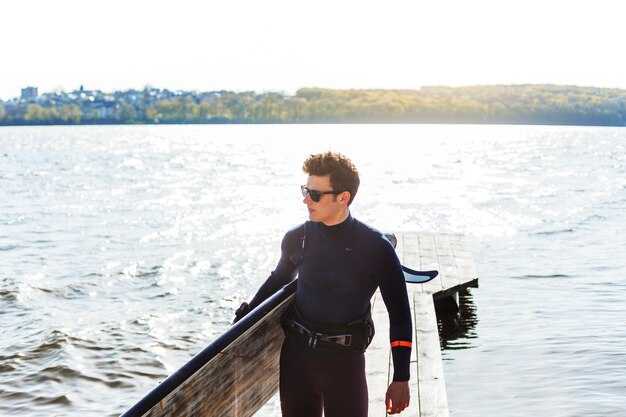 Hit the Water – Washington Watersports Activities Guide for Adventure Seekers">

احجز جولة كاياك مصحوبة بمرشد في جزيرة بينبريدج لتنطلق في رحلة الرياضات المائية في واشنطن. إنهم يوفرون المعدات والإحاطات المتعلقة بالسلامة والمسارات المُعدة لكل مستوى مهارة، من المبتدئين إلى المتمرسين.
تقع على طول الواجهة البحرية وفي ممر لين، وتتجمع تجهيزات المعدات على waterways تتراوح ما بين الخلجان الهادئة والقنوات المد والجزر. وهي توفر تأجيرًا مناسبًا للمبتدئين، وجلسات بحيرة أو بحر مُوجَّهة، وتعليمات تتكيف مع تغيرات الرياح والتيارات المتغيرة.
إليك هذا: list من الأنشطة الأساسية التي تسعد باستمرار الباحثين عن المغامرة: التجديف وقوفًا على الألواح في بحيرة واشنطن و بوجيه ساوند، والتجديف بقوارب الكاياك البحرية على طول الواجهة البحرية، ورحلات الإبحار السريعة من جزيرة بينبريدج، واستكشاف الممرات المائية المحمية بقوارب صغيرة. ابحث عن المشغلين الذين ينشرون ملخصات سلامة واضحة ونوافذ زمنية للعودة حتى تتمكن من تخطيط جدول زمني لنصف يوم أو ليوم كامل.
For a more thrilling ادفع، طارد الأمواج على الشواطئ الساحلية القريبة من الموانئ الحضرية، جرب رياضة ركوب الأمواج شراعيًا أو التزلج الشراعي في الجيوب الأكثر تهوية، أو انطلق في مسار متعدد المحطات يتتبع المناظر الطبيعية المتنوعة - من النسور الصلعاء فوق مصبات الأنهار إلى الشلالات المتدفقة من جبال كاسكيد بعد ذوبان الربيع. إذا فاجأتك عاصفة مفاجئة، حافظ على هدوئك واثني ركبتيك واتبع دليلك. توفر الخلفية الألبية صورًا ظلية مذهلة أثناء التجديف أو التجديف أو الإبحار.
Community مبادرات التأكيد على السلامة، وأخلاقيات مشاهدة الحياة البرية، وصيانة المعدات. يحافظ المشغلون على نقاط انطلاق نظيفة، ويوفرون سترات نجاة (PFDs) بأحجام متعددة، ويقدمون أسعارًا مناسبة للعائلات، مع خصومات موسمية في منطقة لين وفي جزيرة بينبريدج.
هل أنت مستعد للانطلاق؟ ابدأ من سياتل. urban الشواطئ، والتوغل في الخلجان الهادئة في بينبريدج، واكتشاف الممرات المائية المتنوعة في المنطقة التي تجعل واشنطن مركز جذب للباحثين عن المغامرة.
دليل البدء السريع للرياضات المائية في ولاية واشنطن
ابدأ بفحص سريع للمارينا: احجز المعدات في عدد قليل من المارينا، واختر جولات بصحبة مرشدين - أو دروس أساسية، وقم بتحديد موقعين قريبين ليومك الأول على الماء.
لحماية النظم البيئية الطبيعية، اختر المشغلين الذين يركزون على الحفاظ على الشواطئ والموائل. ابدأ بمسارات المياه الهادئة في بحيرة واشنطن أو بحيرة ساماميش للمبتدئين، ثم انتقل إلى أقسام الأنهار في سفوح جبال كاسكيد لخوض تحدٍ. إذا كنت تطارد سمك السلمون والسوكي، فحدد توقيت جولتك حول مواسم الهجرة وشاهد الحياة البرية من المواقع المخصصة لتقليل الإزعاج.
أبرز الأماكن والأنشطة: يوفر التجديف وقوفًا على بحيرة واشنطن سهولة الانطلاق وإطلالات على المدينة؛ وتوفر رحلات الكاياك في سنوكوالمي أو سكايكوميش منحدرات مياه بيضاء سريعة؛ والجولات المصحوبة بمرشدين - تغطي أساسيات السلامة والحياة البرية المحلية؛ وتمتلئ الفصول الدراسية بسرعة في الصيف، لذا احجز مبكرًا.
السلامة والإزالة المدعومة من الإدارة: تشجع الإدارة استخدام سترات النجاة وقواعد المرور المائي وإزالة القمامة من الشواطئ. انضم إلى المبادرات المحلية لحماية النظم البيئية الأكبر ودعم الموائل الصديقة لسمك السلمون الأحمر. إن مشاركة النصائح مع زملائك المتجدفين تحافظ على الروح عالية ورأسك صافيًا.
أبرز المعالم حسب المنطقة: يوفر بحيرا واشنطن وساماميش رحلات يومية سهلة مع مراكز تأجير في العديد من المراسي؛ توفر سنو كواليمي وسكايكوميش مياه بيضاء خفيفة إلى معتدلة على مقربة من سياتل؛ توسع بحيرة شيلان وبحيرة ويناتشي خيارات التجديف في البحيرة مع الخلجان الهادئة والطرق الأطول؛ توفر منطقة نهر هوه التجديف المحاذي للمحيط في أيام ذروة الموسم؛ خطط من أواخر يوليو إلى سبتمبر لأنشطة سمك السلمون الأحمر والسلمون، وتواصل مع مشغل محلي لتنسيق الجولات مع ذروة الهجرات ومبادرات الحفاظ على البيئة المحلية.
أفضل مسارات التجديف بالكاياك المناسبة للمبتدئين في ولاية واشنطن
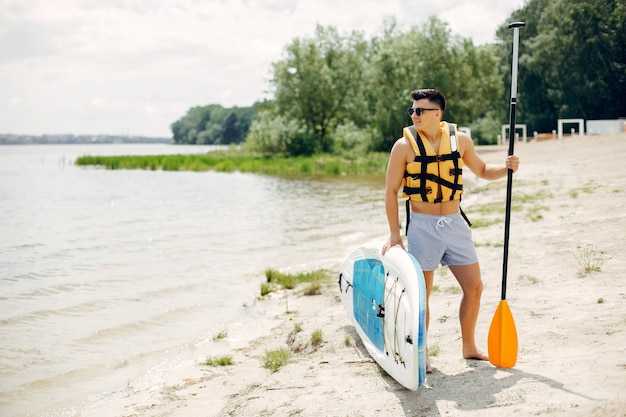
ابدأ ببحيرة يونيون في سياتل، وهي بداية رائعة للمبتدئين بفضل المياه الهادئة والملاحة المباشرة. في غضون ساعة تقريبًا، يمكنك الدوران حول الجانب الشرقي، والاستمتاع بمنظر القوارب السكنية وأفق المدينة. يوفر وفرة الخلجان المحمية توازنًا جيدًا بين ممارسة المناورة والتجديف المريح، مما يجعل هذه على الأرجح الرحلة الأولى الأكثر شعبية في الولاية.
لتجربة أطول ولا تزال سهلة، يوفر منتزه بحيرة ساماميش الحكومي ممرًا مائيًا محميًا مع مسار دائري مناسب للمسافات الطويلة. خطط لمسافة 6 أميال تقريبًا لتناسب جولة لمدة ساعتين، مع خطوط ساحلية تستضيف الطيور المائية والعائلات على طول الطريق. يوفر هذا المسار متسعًا من المساحة لتحسين ضرباتك مع الحفاظ على الهدوء لجولة مسائية أو جلسة عند غروب الشمس.
تُعتبر بحيرة راتل سناك، بالقرب من نورث بيند، بمثابة إحماء سريع مع خلفية درامية لسلسلة جبال الكاسكيد. يوفر مسار دائري أو ذهابًا وإيابًا بطول ميلين ممارسة سهلة للملاحة في المياه الضحلة، بينما تؤطر أشجار الصنوبر والجدران الصخرية المنظر. وتكون البحيرة ذات مناظر خلابة بشكل خاص عند غروب الشمس أو خلال فترة استرخاء من الغروب إلى المساء، عندما يخفف الضوء المساحات حول الخط الساحلي وتتخذ المياه سطحًا زجاجيًا.
إذا كنت ترغب في تباين ساحلي، فإن جرين ليك وبحيرة ستيفنز القريبة توفران خيارات مباشرة بالقرب من المدن الكبيرة. تظل هذه المياه جيدة للمبتدئين وتتيح لك التركيز على التوازن والتوجيه دون المغامرة بعيدًا عن الشاطئ. تحقق دائمًا من ظروف الرياح وحركة المرور المحلية، واستخدم فحص السلامة الروتيني للحفاظ على سلاسة الرحلة وممتعتها.
| Route | الموقع | Distance | Waterway | Best Season | Highlights | Tips |
|---|---|---|---|---|---|---|
| منطقة سياتل | حوالي ٦ أميال | بحيرة مياه عذبة | Spring–Fall | إطلالة على الأفق، سهولة الوصول من متنزه غاز ووركس | ابدأ باكرًا أو عند غروب الشمس للحصول على مياه أكثر هدوءًا | |
| بحيرة ساماميش | نواحي إيسكوا | حلقة بطول 6 أميال تقريبًا | بحيرة مياه عذبة | Spring–Fall | المياه والحياة البرية المحمية على طول الشواطئ | حلقات داخلية أقصر للمبتدئين |
| بحيرة راتل سنيك | بالقرب من نورث بيند | ~2 miles | بحيرة مياه عذبة | Spring–Fall | خلفية شلال متتالي، تجديف سهل | انتبه لتموجات الرياح؛ الاصطفاف بالقرب من بداية الدرب. |
| البحيرة الخضراء | منطقة سياتل | ~3 miles | بحيرة مياه عذبة | All year | يسهل الوصول إليه من المناطق الحضرية، مزدحم ولكنه قابل للإدارة | تجنب أوقات الذروة في نهاية الأسبوع؛ خطط لجلسة عند شروق الشمس أو غروبها |
أفضل مواقع التجديف وقوفًا بالقرب من بوجيه ساوند
توصية: ابدأ بشاطئ ألكي، ويست سياتل، لرحلة تجديف سريعة وسهلة للمبتدئين فوق المياه الهادئة مع إطلالات على الأفق وسهولة الوصول من الموانئ القريبة.
ومن هناك، استكشف المواقع التي يمكن الوصول إليها والتي تحقق التوازن بين مناظر الشاطئ والحياة البرية ومواقع الانطلاق السهلة لرحلة يومية شرق مركز المدينة. يساعد المرشدون المحليون وقسم الحدائق في الحفاظ على الرحلات آمنة ومريحة ومتوافقة مع ملاحظات دعاة الحفاظ على البيئة بشأن تكاثر الأسماك والموائل الساحلية.
- شاطئ ألْكي، ويست سياتل - واجهة بحرية صاخبة بشريط ساحلي رملي طويل ومراسي متعددة توفر معدات للإيجار ودروسًا. انطلق من المنحدر العام أو رصيف قريب، وانزلق فوق المياه الزجاجية، وراقب مواقع النسر في الأعلى. يمتد المسار موازيًا لأفق المدينة، مع أقسام هادئة مثالية للتعلم وجيوب محمية مثالية للراحة وتبادل النصائح مع طاقمك.
- منتزه غولدن غاردنز، بالارد - ساحل بحري محمي مع خلجان محمية ومناطق ضحلة تناسب المبتدئين. تتميز المنطقة بعمليات إطلاق سهلة من الشاطئ ومجموعة تأجير على طول الجادة بالقرب من المنتزه، بالإضافة إلى دورات مياه ومقاهي قريبة للاستراحة السريعة. توقع وجود طيور وفقمات متكررة، ولمحات من سمك السلمون الذي يتكاثر في اتجاه مجرى النهر خلال الموسم، وهي قصص شائعة يتبادلها دعاة الحفاظ على البيئة حول موائل بوجيه ساوند والحياة السمكية.
- منتزه ميدوديل بيتش، إدموندز - شواطئ رملية واسعة ومدخل لطيف يوفران ظروفًا ثابتة للتجديف لمسافات أطول. انطلق من الجزء السفلي، واستمتع بتيار خفيف نحو المضيق، واستمتع بخط ساحلي طويل يشجع على الاستكشاف. ترتفع الجروف المشجرة فوق الشاطئ، مما يوفر الظل ومشاهدة الحياة البرية وتباينًا مرحبًا به مع الماء. قد تكتشف النسر العرضي وتجمعات الأسماك بالقرب من الصخور بينما تتوقف في نقاط محمية.
- منتزه كاركيك، سياتل - شاطئ ساحلي مشجر يتميز بأجواء طبيعية حقيقية في قلب المدينة. انطلق من منحدر المنتزه، وجدف مرورًا بغابات الأرز، وراقب الطيور أثناء ركوبك الأمواج اللطيفة. هذا المسار مناسب للمجدفين لأول مرة، ويمكن للمرشدين تصميم جولات لتناسب قيود الوقت أو مستويات الطاقة. تحافظ إدارة المتنزهات في سياتل على نقاط الوصول ومسارات البداية، مما يضمن رحلات سهلة تجمع بين إطلالات على الشاطئ والمناظر الطبيعية المشجرة.
- خليج بورت تاونسند، منطقة فورت ووردن - تجديف خلاب شرق المضيق مع رياح موثوقة وثقافة تجديف مرحبة. تقدم العديد من المراسي خدمات التأجير ومجتمع متنامٍ من المرشدين للرحلات اليومية من الواجهة البحرية لبورت تاونسند. توقع وجود حياة برية متنوعة على طول الشاطئ، وراقب الفقمات والنسور في الأعلى؛ تدعم هذه المنطقة جريان تكاثر سمك السلمون في الموسم، وهي قصص شائعة قد تسمعها من دعاة الحفاظ على البيئة.
- خليج سنكلير وخليج أويستر في بريميرتون - ممرات مائية محمية مع مجموعة متنوعة من نقاط الانطلاق وقنوات لطيفة. سجّل الوصول في مراسي بريميرتون والمتجر المحلي على طول الجادة المطلة على الواجهة البحرية للحصول على المعدات والنصائح؛ يمكن للأدلة رسم خرائط للطرق التي تمر بأحواض بناء السفن والأراضي العشبية والموائل البحرية. توفر المنطقة مياه موثوقة ومشهد تجديف ترحيبي، مع جروف مشجرة في الداخل وطيور تحلق في الأعلى.
كما تستضيف البحيرات القريبة مثل بحيرة يونيون وبحيرة واشنطن أيام تجديف يمكن الوصول إليها، خاصة في أيام الأسبوع. lakes توفر خلفيات حضرية وشواطئ هادئة، مما يجعلها مثالية لبناء الراحة قبل التوسع إلى طرق Puget Sound.
الإيجارات وقوائم المعدات وكيفية الاستعداد ليوم على مياه ولاية واشنطن
احجز معدات الإيجار قبل 48 ساعة من أحد متاجر التجهيزات المحلية في ولاية واشنطن لتأمين اللوح أو قوارب الكاياك المناسبة، خاصة للرحلات في عطلة نهاية الأسبوع على طول ساحل المحيط الهادئ أو حول مياه ولاية أوريغون. استلم المعدات من المكتب في يوم المغادرة، وتأكد من المقاسات، ورتب خيارًا احتياطيًا إذا كان العنصر المفضل غير متاح.
قائمة المعدات: قم بإعداد حقيبة مدمجة وشاملة تغطي السلامة والدفء والتطبيق العملي. تشمل العناصر الأساسية سترة نجاة شخصية (PFD) لكل مشارك، وصفارة، وحقيبة جافة مع طبقات احتياطية، وسترة واقية من المطر، وطبقات أساسية ماصة للرطوبة، وقبعة ونظارات شمسية، وواقي شمسي، وزجاجة ماء (لتران للجلسات الأطول)، ووجبات خفيفة، ومصباح أمامي أو مصباح يدوي مقاوم للماء، وأداة متعددة الاستخدامات، وشريط إصلاح، وحبل رمي صغير. أضف حافظة هاتف مقاومة للماء، ومنشفة، وأحذية احتياطية مناسبة للمياه والصخور. إذا كنت تجدف في مياه المحيط الهادئ الباردة، فقم بتضمين جوارب وأحذية خفيفة من النيوبرين وقفازات خفيفة.
التحضير للظروف والمسار: تحقق من توقعات الطقس لمدة 48 ساعة وسرعات الرياح والتيارات والانتفاخات الحالية. راجع أوقات المد والجزر إذا كنت بالقرب من مصبات الأنهار أو في المياه المفتوحة. ضع خطة محافظة مع نقاط خروج واضحة وفحوصات الرفيق. كن على دراية بحدودك وقم بتكييف وتيرتك مع ظروف المياه وضوء النهار وحمولة المعدات.
بمفردك أو بصحبة مرشد: في الرحلات الفردية، تدرب على مبادئ الإنقاذ الذاتي الأساسية واحتفظ بجهاز مشحون بغلاف مقاوم للماء وخطة بسيطة؛ وشارك خط سير الرحلة ووقت العودة المتوقع مع صديق أو مع المكتب. أما بالنسبة للمبتدئين في مياه ولاية واشنطن، فإن الرحلة المصحوبة بمرشد تقلل المخاطر وتبني المهارات.
الإعادة والعناية: عند العودة إلى المكتب، قم بإزالة الطين وشطف المعدات وتجفيف كل شيء قبل التخزين. افحص المعدات بحثًا عن التآكل أو التلف، ودوّن الملاحظات حول المشكلات في نموذج الإيجار، ورتّب لإزالة أو استبدال المعدات إذا لزم الأمر. احتفظ بالمعدات الاحتياطية في حقيبة جافة وضعها داخل وسيلة النقل الخاصة بك لتجنب وجود أميال من المعدات في الصندوق.
نصائح السلامة والقواعد والمعدات لحمايتك في الماء
تحقق من جهاز التعويم الشخصي (PFD) الخاص بك قبل كل رحلة لتجنب المفاجآت على الماء. ارتدِ سترة نجاة مناسبة (النوع الثالث للتجديف) وقم بتوصيل صافرة. تتضح أهمية وجود خطة احتياطية إذا انخفضت الرؤية، ففي ولاية واشنطن يمكن أن تتحول الظروف بسرعة؛ ابقَ قريبًا من مجموعتك والتزم بالقنوات المحددة. ارتدِ ملابس مناسبة لدرجة حرارة الماء والرياح، وأحضر طبقات إضافية، وكُن مستعدًا بخطة في حال تغير الظروف. هذا النهج ينطبق أيضًا على الولايات الأخرى.
قواعد المنتزه والسلامة الشاملة: احترام اللافتات المنشورة، والبقاء في القنوات المخصصة، والحفاظ على مسافة آمنة من المراكب المائية الأخرى. احترام مناطق الموائل وتجنب إزعاج الحياة البرية؛ على الطرق المزدحمة حول الأراضي الجزيرة، قم بالإبطاء عند نقاط الوصول وإفساح المجال للمجدفين والبحارة. إذا اتجهت نحو شلال أو مدخل خلاب، فقلل السرعة واترك مساحة للآخرين. عند الإطلاق من أرصفة وسط المدينة أو الشواطئ الخاصة، تحقق من الوصول واتبع إرشادات مكتب المنتزه.
خمس قطع أساسية يجب أن تكون معك دائمًا في أيام المغامرات: سترة نجاة من النوع الثالث (Type III PFD) لكل مشارك؛ وصافرة صغيرة الحجم؛ وحقيبة جافة مقاومة للماء لحماية الهاتف والخريطة والملابس الاحتياطية؛ وكيس رمي الإنقاذ أو حبل طفو؛ ومصباح أمامي أو مصباح يدوي مقاوم للماء مع بطاريات إضافية. يمكن وضع مجموعة السلامة الكلاسيكية في حقيبة جافة صغيرة الحجم. بالنسبة للجولات النهرية أو الشلالات، قم بتضمين خوذة وجوارب وأحذية من النيوبرين وقفازات. احزم طبقة واقية من المطر وواقيًا من الشمس كجزء من المجموعة المُعدة.
قبل الانطلاق، شارك خطتك مع صديق أو مكتب الميناء المحلي، بما في ذلك مسارك ووقت العودة المتوقع وإمكانية الوصول إلى الطريق للخروج السريع في حالة تدهور الأحوال الجوية أو المائية. في الرحلات التي تستغرق عدة أيام، احمل خريطة مطبوعة وتحقق مع مكتب المتنزهات الحكومية بشأن عمليات الإغلاق أو الوصول. استخدم جهاز لاسلكي بحري أو تطبيق طقس لمراقبة الظروف أثناء نزهتك، واحتفظ بعلبة مقاومة للماء لهاتفك. يترجم هذا النهج إلى ولاية واشنطن والولايات الأخرى.
حافظ على الموائل واستمتع بوفرة الحياة على طول مياه واشنطن: امنح الحياة البرية مساحة، وتجنب دوس الشواطئ، واحترم المِلكيات الخاصة واللافتات المنشورة. إذا كانت رحلتك تمر بشلال، فتدرب على الاقتراب الآمن وتجنب الصخور الزلقة. عندما تخطط ليوم بالقرب من ساحل خلاب، اختر طريقًا منطقيًا واحمل حقيبة جافة إضافية للمعدات التي قد تبتل على طول الطريق. إذا وصلت إلى جزيرة باينبريدج أو نقطة انطلاق جزيرة أخرى، راجع اللوائح المحلية في مكتب المنتزه قبل أن تنطلق.
الموسم والطقس: التخطيط للتزلج الشراعي وركوب الأمواج الشراعية والإبحار
ثبّت نافذة رياح مع توقعات واضحة لمدة 5-7 أيام، مستهدفًا رياحًا شمالية غربية ثابتة تتراوح سرعتها بين 15 و25 ميلًا في الساعة لركوب الأمواج شراعيًا والتزلج الشراعي مع وضع خطة احتياطية في حال دفعت العواصف نحو 35-40 ميلًا في الساعة. يأتي يوم مثير عندما تبقى تحولات الرياح تدريجية، ويبقى الماء قابلاً للقراءة، ويمكنك الركوب على الحافة بثقة. إذا قمت بزيارة خلال الربيع أو الصيف أو أوائل الخريف، فستجد أقوى الظروف وأكثرها موثوقية على طول الساحل الشمالي الغربي، في حين أن الشتاء يجلب عواصف استثنائية تتطلب معدات أكثر دفئًا وضوابط أكثر صرامة للمخاطر.
تُظهر المناطق الساحلية في واشنطن ومنطقة بيوجيه ساوند أنماطًا مميزة. ففي الجانب الغربي، توفر فصول الربيع وحتى الخريف تيارات حرارية موثوقة ومياهًا أكثر هدوءًا في الخلجان المحمية، مع هبات رياح قوية في عرض البحر تبلغ ذروتها خلال مرور الجبهات الهوائية. وفي الجزء الشرقي من الولاية، توفر البحيرات الداخلية الكبيرة رياحًا ثابتة بعد الظهر يمكن أن تصل إلى نطاق 20-30 ميلًا في الساعة في الأيام الحارة، ولكن تظل المياه أكثر برودة ويمكن أن تنخفض الرؤية مع ضباب البحيرة. وفي جميع المناطق، تتراوح درجة حرارة المياه حول 50-60 درجة فهرنهايت (10-16 درجة مئوية) في الشتاء وترتفع إلى حوالي 54-60 درجة فهرنهايت (12-16 درجة مئوية) في الصيف، لذا خطط لارتداء بدلة جافة أو بدلة غوص سميكة للجلسات الأطول ولا تقلل من شأن البرودة مباشرة بعد غروب الشمس.
لركوب الأمواج شراعيًا والتزلج الشراعي، خطط لأيام مرنة عندما تكون نطاقات الرياح مستقرة ويمكن التنبؤ بها. توفر الشواطئ المحمية على طول البلدات الصغيرة هدوءًا أنظف وانطلاقات أسهل، بينما يوفر المحيط المفتوح في عرض البحر عواصف أقوى ومنحدرات أكبر للخبراء. يستفيد الإبحار من ضوء النهار الأطول في الصيف والتحولات العضوية في الأفق مع انخفاض الشمس، مما يمنحك هوامش آمنة لضبط الأشرعة والتغييرات. إذا كنت في المناطق الشرقية، غالبًا ما تترافق النوافذ المختارة بعناية بعد الظهر مع درجات حرارة البحيرة الأكثر برودة، مما يجعل فترات الراحة ضرورية للحفاظ على معنوياتك في المسارات الأطول فوق الماء.
تُضفي مشاهدة الحياة البرية بُعدًا تذكاريًا لا يُنسى على خطتك. يمكن لمشاهدة الحيتان والطيور البحرية على طول الساحل أن تؤثر على مسار رحلتك وأماكن الراحة على الشاطئ، لذا شارك خط سير رحلتك مع الأندية المحلية واحترم مناطق الحياة البرية للمساعدة في الحفاظ على البيئة للمواسم القادمة. وأنت تطارد الريح، ستلاحظ الأفق والمحيط والميناء تتوهج معًا بطريقة تبدو احتفالية تقريبًا، تذكيرًا بأن هذه الأنشطة تربطك بنظام بيئي ساحلي أوسع وإيقاعاته الصغيرة الخالدة.