


 العربية
  English (UK)
  Русский
  日本語
日本語  한국어
한국어  Magyar
  Türkçe
  Español
  Čeština
  Svenska
  Português
  Ελληνικά
  Suomi
Suomi  Nederlands
  Română
  Italiano
  Français
  Polski
  Українська
  Deutsch
  简体中文
简体中文  Slovenčina
 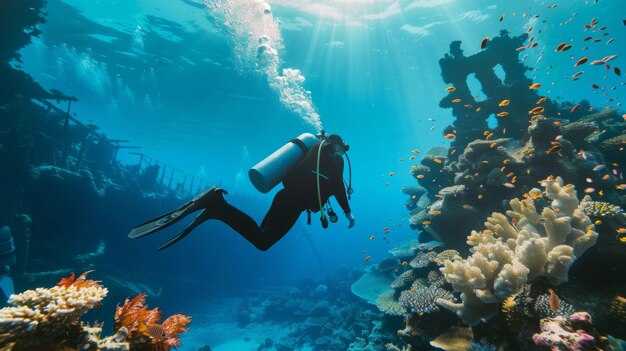 Everything You Need to Know About Scuba Diving – A Comprehensive Guide">

ابدأ بمركز معتمد واستأجر المعدات لجلساتك الأولى تحت الإشراف. بالنسبة للمبتدئين، يبني هذا النهج عادات السلامة، ويحسن الطفو، ويساعدك على الحكم على مستوى راحتك قبل إجراء عملية شراء كبيرة. ستجد هنا إرشادات عملية حول اختيار التدريب والمعدات والوجهات التي تتناسب مع خطتك. يوفر البرنامج الذي تختاره بداية قوية دون تكلفة غير ضرورية.
Core items للمرحلة الأولى، قم بتضمين قناع يغلق بإحكام، وزعانف مناسبة، ومنظم يتنفس بسلاسة، وجهاز التحكم في الطفو، وأسطوانة، وحزام أوزان، وبدلة مناسبة لدرجة حرارة الماء. نماذج موجودة للرحلات في المياه الدافئة والمواقع الخارجية الباردة. تقوم المراكز بشكل روتيني بإجراء فحوصات للمعدات قبل الجلسات للتأكد من الأختام وحالة البطارية والخراطيم، مما يضمن عمليات التنظيف والسلامة قبل دخولك الماء. يتيح لك استئجار المعدات للجلسات الأولية الحفاظ على المرونة أثناء التعلم.
تتبع مسارات التدريب للمبتدئين مجموعة منظمة من الدورات والتدريب العملي. يستخدم المدربون واضحة models لتدريس الطفو والموازنة وإجراءات الطوارئ. يغطي المنهج إدارة الهواء وإجراءات الرفيق والعناية بالبيئة. تقدم العديد من البرامج بطاقات اعتماد تتحقق من تقدمك وتفتح الأبواب أمام الجلسات الخاضعة للإشراف في المراكز الشريكة here وفي الخارج. لا ينبغي لهذا النهج تخطي خطوات السلامة الأساسية.
عندما تخطط لنزهة، قم بتقييم البيئة البحرية ودرجة حرارة الماء والرؤية وظروف التيار. لـ adventurous بالنسبة للمبتدئين، اختَر موقعًا ضَحلاً وهادئًا وانتقل تدريجيًا إلى الشعاب المرجانية الأكثر تنوعًا مع ازدياد ثقتك بنفسك. توفر عمليات تنظيف الشعاب المرجانية ومشروعات العلوم المواطنة طرقًا عملية للمساهمة أثناء التعلم؛ وتنظم العديد من المراكز فعاليات مع المنظمات المحلية،, here وفي الخارج، مما يمنحك خبرة عملية في كل شعاب مرجانية. ابحث دائمًا عن رفيق، واتبع قائمة تحقق قبل الدخول، وحافظ على رطوبة جسمك في بدلة الغوص الخاصة بك لتبقى مرتاحًا.
اقترب من السفر بذكاء عن طريق رسم خطة بسيطة. راجع بعض خطط الرحلات الموثوقة models: دورة محلية لمدة يومين، وبرنامج داخلي في عطلة نهاية الأسبوع، وعرض لمدة أسبوع في الخارج لتعزيز التعرف على الموائل البحرية. تحقق من الطقس وقواعد التأشيرة وسياسات الأمتعة لنقل المعدات؛ احصل على تصريح طبي وتأمين سفر. تأكد من أن البرنامج يشمل صيانة المعدات والإشراف في الموقع وردود فعل بناءة بعد كل جلسة حتى تعرف ماذا items تحتاج إلى إحضار مقابل الإيجار.
بعد الانتهاء من التدريب الأولي، تنضم إلى شبكة من المراكز والمدربين وعمليات التنظيف المستمرة التي تتوافق مع اهتماماتك. التطور واضح: تبدأ بالمهارات الأساسية، وتبني الثقة، وتشارك في تجارب أكثر تعقيدًا تعمق معرفتك بالبيئات البحرية. توفر التجربة أ great شعور بالإنجاز وفرص لا مثيل لها لدعم المشاريع والمجتمعات المستقبلية، والأمل.
أساسيات الغوص: مرجع سريع
أتقن التحكم في الطفو في المياه الضحلة من خلال تمرين موجه مدته 60 ثانية وإيقاع تنفس ثابت للعثور على خط الأساس الخاص بك وتقليل استخدام الهواء.
قم بإجراء فحوصات مناسبة للمعدات مع رفيقك قبل الجلسة تحت الماء: حالة الأسطوانة، وظيفة المنظم، الأوزان، وخطتك، مع التأكد من أنها تتطابق مع الظروف المحلية.
اختر وجهات شهيرة ذات رؤية يمكن الاعتماد عليها وتيارات معتدلة؛ راجع الإرشادات البيئية وتجنب الموائل الحساسة لحماية الحياة تحت الماء.
حافظ على التواصل محكمًا: اتفق على إجراءات الدخول والصعود، وحدود العمق، وأقصى وقت متاح في القاع قبل أن تهبط؛ وتأكد أيضًا من إشارات الطوارئ.
اختبارات ومهارات في الماء: تدرب على تعديلات الطفو المتحكم بها واستعادة المنظم بتنسيق موجه، مع توثيق النتائج من أجل الوضوح.
حافظ على الوتيرة المناسبة وقلِّم؛ إن حرصك على البقاء ضمن الحدود يحسن السلامة وكفاءة الهواء; اهدف إلى تحقيق التوازن المثالي بين العمق والطفو.
احمل شيئًا مرئيًا للمساعدة في الإشارة وكن مستعدًا لحالات الطوارئ؛ احترم القواعد البيئية وتجنب التفاعلات مع الحياة البرية خارج المسافات الآمنة.
تعلّم من الدراسات والتدريب العملي: اقرأ ملاحظات المشغل ودراسات حول الظروف المحلية؛ استخدم هذه النماذج لتكييف نهجك.
ابحث عن فرص للنمو: تدرب مع مرشدين ذوي خبرة في مياه ضحلة ونقية؛ تحدَّ نفسك تدريجيًا بينما تزدهر مهاراتك وتتعلم قراءة التيارات من حولك.
سجّل الملاحظات وابنِ وضوحًا: سجّل التاريخ والظروف والرؤية والتيارات ودرجة حرارة الماء والملاحظات لإثراء جلستك القادمة.
اختيار القناع والزعانف والمنظم وجهاز التحكم في الطفو (BCD) الأول لك
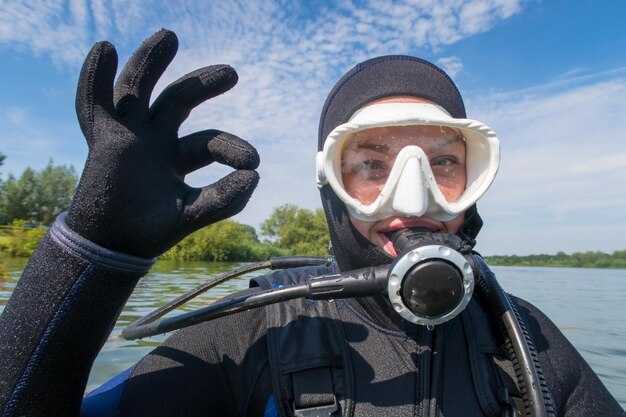
Recommendation: اختر قناعًا منخفض الحجم بحافة سيليكون ناعمة وعدسات زجاجية مقسّاة لضمان إحكام موثوق ورؤية واضحة، مما يقلل التسربات ويوفر الوقت في الماء.
لتعلّم الفرق بين خرافة ومفهوم واقعي حول ملاءمة القناع، اختبر ثلاثة أحجام في ماء دافئ واضغط برفق للتحقق من الإحكام دون إجبار الحافة. ابحث عن إحكام مريح لا يترك علامات بعد إزالة القناع، واختر مجال رؤية يناسب ملامح وجهك ومستوى راحتك. بالنسبة لفصيلتنا، الراحة مهمة: فالقناع الذي يتنفس معك يدعم الهدوء ويساعدك على أن تصبح بثقة ثابت عندما تستكشف حول الأسماك والكائنات الحية الأخرى في الشعاب المرجانية.
Fins تحتاج إلى تحقيق توازن بين الكفاءة والمرونة. ابدأ بشفرات قصيرة إلى متوسطة الطول للمبتدئين، ثم جرب شفرة أطول إذا اكتسبت ساقيك قوة أكبر وأردت مزيدًا من الانزلاق. تأكد من أن جيب القدم يتلاءم بشكل مريح مع الجوارب القصيرة الخاصة بك، واضبط الشريط على شد مريح حتى لا تصاب بتقلصات في الكاحلين بعد قضاء بعض الوقت في الماء. مثل هذه الإعدادات تحسن قوة الدفع بجهد أقل وتسمح لك بالتقدم مع efficiency في حركاتك.
منظم تتمحور الاختيارات حول البساطة والموثوقية. اختر مرحلة أولى متوازنة مقترنة بمرحلة ثانية توفر جهد استنشاق قابل للتعديل. تأكد من أن قطعة الفم تتطابق مع عضتك، وتحقق من التوافق مع خليط الغاز وظروف البيئة المخطط لها. نظام تنفس يعمل بسلاسة reduces يقلل من إجهاد الفك ويبقيك مركزًا على اللحظة، وليس على المعدات.
BCD تعتمد الخيارات على احتياجاتك للطفو ومدى ملاءمتها. يساعد الطراز المشابه للسترة أو الذي ينفخ من الخلف مع جيوب الأوزان المدمجة على توزيع الوزن بالتساوي ويدعم سهولة التعامل على السطح. تأكد من أن قدرة الرفع مناسبة لمعداتك الكاملة، وتدرّب على المنفاخ والمفرّغ في المياه الضحلة، وتأكد من سهولة الوصول إلى أزرار التحكم. إن الإعداد المتكامل يجعل التحكم في الطفو أكثر سهولة و enhances السلامة أثناء التعديلات السريعة.
اختبارات تشكل في شكل خطة تدريجية العمود الفقري لعملية شراء ذكية. ابدأ باختبارات الملاءمة والراحة في حوض سباحة أو منطقة ضحلة، ثم قم بإجراء جلسات قصيرة في المياه الهادئة لتقييم التنفس والطفو والحركة. حافظ على كتابة plan مع تواريخ وأصناف المعدات وملاحظات حول الراحة ومعدل ضربات القلب والإرهاق. هذا متكامل يساعدك هذا النهج على تحديد الفوائد كميًا ويجعل العملية complete لغواص جديد يريد أن يصبح أكثر قدرة مع مرور الوقت،, learn المعدات، والمضي قدمًا بثقة، لا خوف.
من الناحية العملية، ابدأ بقناع واحد مُحكم ومناسب، ثم أضف زعانف ومنظم وغطاء بي سي دي في تسلسل مرحلي. هذا plan يحافظ على تركيز ميزانيتك، ويختبر المعدات بدقة، ويبني trust في معداتك. والنتيجة هي تجربة هادئة وتعاونية تدعم القلب والعقل أثناء ممارسة المهارات والاستمتاع tranquility, ، واستكشف العالم تحت الماء تدريجيًا بإعداد كامل وموثوق.
Choosing a Neoprene or Hybrid Wetsuit for Different Water Temperatures
Baseline choice for most conditions is a 3/2 mm fullsuit. Depending on temperatures and your warmth tolerance, you may keep that thickness or upgrade to a 4/3 mm for cooler days. For tropical nights, a 2/2 mm or a hybrid with thinner limbs typically suffices; you can rent a couple of options to compare before buying, depending on temperatures.
Warm to mild temps around 24–29°C (75–85°F) respond well to a 2/2 mm fullsuit, or a 2/1 mm shorty for maximum mobility on calm days. Typically, flexible models help explore without overheating. If you plan shorter sessions or frequent site changes, rent a few options to compare how they feel on the water and in the air.
Cooler temps 20–24°C (68–75°F) call for a 3/2 mm or a 4/3 mm. A fleece lining adds efficient warmth without bulk. Hybrid variants–neoprene on the torso with lighter limbs–balance mobility and insulation, letting you stay calm while you learn new skills under changing skies and currents.
Cold temps below 18°C (64°F) demand a 4/3 mm or 5/4 mm, with gloves and booties as needed. If you expect longer undersea sessions or stronger on-site exposure, a fully insulated torso in a hybrid can keep warmth steady without slowing you down. Night conditions may require a touch more coverage, especially when winds pick up.
Hybrid wetsuits excel when temperatures swing across locations or during longer outings. They reinforce insulation where you need it most while keeping limbs nimble for precise movements, which helps plan and execute movements with clearer focus on skills and safety. Include these models in your evaluation when you want to explore different configurations at once, especially if you plan to travel between sites with varying climates.
Fit matters most: check seams, neck closure, and cuffs, and avoid any water flush that fattens fatigue. If you rent, test several options in a short session and ask about exchange terms. Before a trip, include the wetsuit choice in your plan along with tanks and other gear to ensure everything aligns with your planned routes and durations.
Undersea scenery and the arising wonders of marine life become more accessible when you choose a suit that fits well. A properly fitted layer lets you move slowly and observe species without distraction, turning lessons into confident practice, and what you learned on previous trips helps you refine a plan that keeps every outing comfortable, safe, and rewarding.
Mastering Core Skills: Buoyancy Control, Mask Clearing, and Regulator Recovery
Begin with neutral buoyancy in shallow water by tuning weight, trimming your body, and following a consistent breathing pattern. This approach makes you more controllable and reduces environmental impact, a great benefit for marine ecosystems. In many popular programs, these three drills form the first steps toward entry-level certification, and practicing them often leads to greater clarity and confidence in water. Virtual practice simulations help reinforce the protocols between sessions, and studies show that combining dry-run rhythm with real-water feedback deepens understanding. The tranquility of a calm pool aids focus, and for students who rent gear, clear checklists make practice safer and more efficient.
Buoyancy Control
- Weighting and trim: start with a baseline weight so you can hover with lungs relaxed at roughly 4–6 m; test by hovering at eye level and performing slow, controlled fin kicks; readjust in 0.5–1 kg increments until you hold a stable position with minimal finning.
- Breathing and depth management: use slow, steady breaths; inhale to rise, exhale to descend; do not hold your breath while adjusting depth; pause briefly after each breath to recheck your level.
- Body position and finning: maintain a near-horizontal posture, keep your head neutral, and use small ankle movements to minimize drag; practice hover drills for 15–20 seconds, then translate 5–10 m while keeping depth.
- Drills and feedback: complete a hover drill, a vertical control drill, and a slow translation drill; request feedback from a buddy or coach and compare with a depth gauge or computer readout; repeat as you deepen your practice.
Mask Clearing
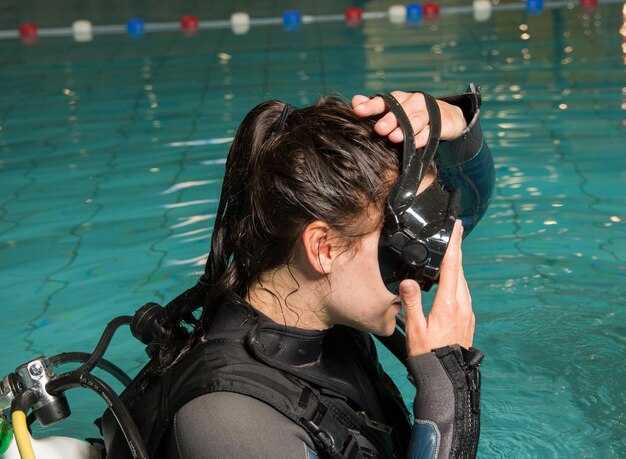
- Preparation: signal to your buddy, set a confident seal on the mask, and make a small initial exhale through the nose to test the purge before water enters the eyes.
- Clear technique: tilt your head back slightly, press your palm against the mask, and exhale through the nose to push water out; keep eyes open as you assess surrounding conditions and mask fit; if water remains, repeat calmly in shallow water.
- Stability: practice in shallow water with neutral buoyancy; progress to maintaining depth while clearing and staying relaxed.
- Alternatives: for stubborn water, use the purge method by exhaling through the mouth while keeping the mask pressed; avoid large head movements; keep motions smooth and controlled.
Regulator Recovery
- Scenario awareness: if the regulator becomes free or lost, signal, maintain buoyancy, and scan for an alternate air source; keep your buddy within sight and follow site protocols.
- Air source and swap: grab the secondary air source firmly, then if needed release the primary and reseat it; keep a steady breath rate while making the switch.
- Reconnect and purge: once air is established, reseat the primary regulator, purge to clear water, and verify a secure seal before resuming normal breathing.
- Practice: run this protocol in shallow water with a buddy in controlled conditions; repeat until movements are smooth and signals are quick.
Buddy System Protocols: Pre-Dive Checks, Communication Signals, and Shared Air Procedures
Always perform a buddy check before you enter the water. Youre pairing with your buddy should start with the three core components: mask, regulator, and buoyancy control device, then verify tanks, weights, and exposure protection. Confirm your gas supply is enough for the planned profile, and check that gauges or computers display safe readings. Follow established protocols and finalize the plan by agreeing on depth limits, turnaround times, and ascent rates to keep safety a shared priority.
Before entering the water, run through the pre-dive checklist with your buddy: mask seal and strap tension, regulator function on both stages, BCD inflation and deflation, and tank pressure with a backup gas plan. If you rent gear, inspect for wear and secure fittings. Test breathing by briefly sharing air to confirm regulator response. Check surface conditions, agree on depth and ascent rate, and log the plan as part of your safety programs. Ensure you and them remain calm; these steps reduce anxiety and improve relaxation while maintaining discipline.
Establish clear communication signals before diving, and use them consistently underwater. Youre both responsible for safety, so agree on a simple set of signals for OK, low air, and need to ascend. For shared air, practice the buddy-breathing protocol in calm water: the receiver takes the donor regulator, both stay neutrally buoyant, and you swap roles only when safe. If separation occurs, maintain contact, ascend together while monitoring each other, and never ignore a signal from your buddy. Practice these initiatives with every project or training session so you find tips that fit your programs and the worlds you explore during diving.
Practical Dive Planning: Gas Management, Depth Limits, and Weather Assessment
Apply a rule-of-thirds gas plan for every scuba outing: bottom time, contingency, and reserve. For a 12 L cylinder at 200 bar, usable gas is about 2400 L, so roughly 800 L goes to each portion. With a calm, low-workload pattern (SAC ~15–18 L/min) this yields about 40–60 minutes at 18–20 m, about 25–35 minutes at 25 m, and 20–25 minutes at 30 m; subtract ascent and safety stops and adjust downward for currents or entanglement risk. Always surface with a buddy and keep a pony bottle on destinations without easy fills. This disciplined approach reduces stress during controlled surface intervals and increases the benefits for your team. Think of it as protection for this scuba outing, whether you are looking at shipwrecks or reefs and you care about the species around you.
Gas management during the mission relies on tests and protocols. Before entering, confirm gas status with your SPG and perform a quick checklist: mask seal, regulator free-flow tests, and buoyancy check. Use the formula: UsableGas = TankVolume × Pressure; BottomTime = UsableGas / SAC, then apply the rule-of-thirds to keep time in the water, contingency, and reserve balanced. Experienced teams think about two recent outings to calibrate actual SAC and adjust for different destinations, such as shipwrecks versus reefs. If you are looking at heavier workloads, raise SAC to 25–35 L/min and shorten bottom times accordingly. This planning minimizes risk and makes you look confident when you are considering underwater operations.
Depth limits depend on certification and area conditions. For recreational boundaries, stay within 18–30 m and adjust for area conditions and experience. In areas with currents, overhead environments like shipwrecks require tighter planning and buddy protocols. When a shipwreck is the destination, plan entry and exit routes, carry a line cutter, surface marker buoy, and a conservative gas reserve. As you look for wildlife, keep your fins quiet to avoid stressing fish and other species. The importance of following license requirements is clear, and you should align with organizations that regulate activities to stay compliant. This approach keeps you ready for deeper wreck explorations on a future trip.
Weather assessment begins long before stepping off the boat: check forecasts 24–48 hours ahead from reliable organizations; review wind, swell, tides, and currents for the area. On the day, verify surface conditions and re-check if winds shift or currents strengthen beyond your plan. Look for shelter options in your area and choose destinations that minimize wave impact; if conditions look marginal, postpone or relocate to a protected cove. Time the exit to line up with your surface interval and keep emergency plans accessible.
Equipment readiness combines a workout, a full equipment check, and clear protocols. Pack essential items such as a spare mask, spare O-ring, light sources, signaling devices, and a cutting tool. Before entry, verify you have current license details and any required documentation, and confirm your buddy carries theirs. Use standard protocols: mutual gas checks, signal rehearsals, and exit strategy tests, including contingency plans for currents or entanglements. If you notice something off, pause, communicate, and re-check all steps with your partner.
Advancements in equipment and training continually reshape safety. Leverage digital tools for weather updates and gas tracking and stay current with the organizations that publish standards. A well-documented log from each trip supports improvements in gas time estimates for different destinations and conditions. By maintaining a sharp understanding of risks and applying practical planning, you reduce the chance of incidents and increase the enjoyment of every underwater experience.