


 العربية
  English (UK)
  Русский
  日本語
日本語  한국어
한국어  Magyar
  Türkçe
  Español
  Čeština
  Svenska
  Português
  Ελληνικά
  Suomi
Suomi  Nederlands
  Română
  Italiano
  Français
  Polski
  Українська
  Deutsch
  简体中文
简体中文  Slovenčina
  European Sailing Bucket List – Top Destinations for Your Voyage">

ابدأ بقوس ربيعي على طول السواحل الصخرية والخلجان الرملية الناعمة، حيث تدعو الرياح المنتظمة القبطان إلى اختبار كفاءته في المرحلة الأولى. يجب ترتيب التسلسل لتقليل الانتفاخ، مع موانئ محمية مُدرجة في تقدم منطقي. اعرف حدود القارب، وتحقق من التغطية التأمينية، وقم بإجراء إحاطة للطاقم قبل الإبحار. بداية عملية ترسخ الانضباط وتقلل المخاطر وتحافظ على القدرة على التنبؤ بالجدول الزمني. قم بتعبئة ألعاب ملاحة مدمجة لممارسة العقد والرسم البياني وتحديد العوامات خلال اللحظات الأكثر هدوءًا.
توفر مجموعة اليونان بعد ذلك طيفًا واسعًا: خلجان محمية، وبلدات مطلية باللون الأبيض، وحانات تلبي احتياجات مجموعة من عشاق الطعام. تنقل بين الرياح عندما تهدأ، وفضل الأرصفة الجيرية، وارسو في الخلجان الصغيرة التي تبقى هادئة عند الغسق. يتوقع سكان البحر الأبيض المتوسط مياهًا مضيئة، ومؤنًا واضحة، ومسارات تجمع بين المحطات الثقافية ومراحل سباق خفيفة، لذا أعط الأولوية لمراسي تسمح لك بتمديد ساقيك على الشاطئ دون تسرع.
بينما تواصل الإبحار على طول ساحل كرواتيا، توقع رؤية رؤوس صخرية بارزة، ومنتزهات على شاطئ البحر تفوح منها رائحة الملح، وخلجان كريستالية. تشمل المعالم البارزة أسواق سبليت، وشرفات هوار، والجزر الصغيرة المتناثرة في كورناتي. خطط لمحطات توقف ضرورية في المراسي مع توفير جيد وتأمين جاهز؛ توفر المراسي بالقرب من المتنزهات الوطنية ملاذًا من المدن المزدحمة. إضافة لمسة مميزة برحلة قصيرة إلى تركيا عبر الساحل التركي الجنوبي، مع المأكولات البحرية الطازجة والمقاهي المطلة على الميناء والأسواق التي تحتفي بالحياة البحرية في البحر الفيروزي؛ يزداد الإثارة وأنت تمر بين الخلجان التي تتوهج بعد غروب الشمس.
بعيدًا عن الطرق المألوفة، ضع في اعتبارك النوافذ الموسمية التي تتوافق مع مياه البحر الأبيض المتوسط الأكثر هدوءًا؛ واحتفظ بالمعرفة في سجل مخصص وقم بالتعديل مع القباطنة المحليين. تزدهر الرحلة عندما يشعر كل مرفأ وكأنه فصل دراسي، مع إتقان الناتجة عن التجربة الواقعية، و الـ best الذاكرة هي الليلة التي تطبخ فيها على سطح السفينة تحت النجوم، ولا تزال تتزود بالوقود. excitement للمحطة التالية. تفتح خطة الرحلة المُعدة جيدًا حديقة من الاحتمالات التي تكافئ التخطيط الدقيق والاستكشاف الجريء والمحسوب وعقلية لا تتوقف عن التعلم أبدًا.
مسارات عملية ومحطات توقف في أنحاء أوروبا

ابدأ في مايوركا، بالما دي مايوركا، وارْسُ في بورت دي سولير أو كالا راتخادا، وخزّن المؤن، وأكّد الحجز والتأمين قبل المغادرة. هذه البداية في المياه المفتوحة تقدم مجموعة من القفزات القصيرة التي تحافظ على الإثارة عالية وتقلل من الرحلات الطويلة التي تستغرق ليالٍ عديدة. في مايوركا، تختبر الهندسة المعمارية الشهيرة في المدينة القديمة، والثقافة الحيوية، وسهولة الوصول إلى الخلجان الهادئة المثالية للسباحة وأيام طويلة على سطح السفينة تطل على آفاق واضحة. أفضل نافذة تمتد لعدة أشهر من أواخر الربيع إلى الخريف، عندما تكون الرياح ثابتة والبحار قابلة للإدارة.
- مايوركا ← مينوركا ← إيبيزا: يومان إلى ثلاثة أيام بين كل توقف؛ تشمل أبرز المعالم الخلجان الهادئة والسباحة في المياه الصافية الكريستالية، والهندسة المعمارية الساحلية في بالما وماهون؛ الممرات قصيرة، مما يجعل هذه المرحلة عملية؛ ستجد مارينا للإيجار على طول الطريق لدعم المؤن وفحوصات السلامة؛ مما يزيد من سهولة المسار.
- إيبيزا ← كورسيكا عبر خليج ليون: 4-5 أيام؛ تشمل أبرز المعالم المنحدرات الحمراء الدراماتيكية وباستيا وأجاكسيو والساحل الملون المطل على البحر المفتوح؛ خطط لفترات استقرار جوي ثابتة وتأكد من فحص التأمين والمعدات الموجودة في متناول اليد؛ تبني المعابر عبر الخليج الواسع خبرة عملية في الإبحار.
- كورسيكا ← سردينيا (ألغيرو/أولبيا) ← ساحل ليغوريا (بورتوفينو، جنوة): 3-5 أيام؛ تشمل أبرز المعالم المنحدرات المطلة، ومجموعة من المدن الساحلية، والمياه الزرقاء والخضراء مع الهندسة المعمارية التاريخية على طول الشاطئ؛ ستستمتع بالخلجان المحمية ومحطات السباحة الصافية؛ خطط لمزيج من المناطق المحمية والممرات المفتوحة.
- البندقية/ترييستي ← ساحل إستريا ← الجزر الكرواتية (كورناتي، هفار) ← الغرب الأيوني (كورفو، باكسوس، ليفكادا): 6-9 أيام؛ تشمل المعالم البارزة المدن المسورة والأسواق الملونة والمعمارية الدرامية في المدن الساحلية؛ يوفر الطريق الشرقي مسافات أطول ومناطق أكثر تنوعًا للاستكشاف؛ ستجد شبكة تأجير قوية وتغطية تأمينية موثوقة أثناء انتقالك إلى البحر الأدرياتيكي وما وراءه إلى المجموعة الأيونية؛ تتطلب المعابر عبر البحر الشرقي قراءة متأنية للأحوال الجوية.
نصائح عملية: أكّد شروط الإيجار التي تغطي نطاقات قضائية متعددة، واحرص على حمل وثائق تأمين حديثة، واحتفظ بمجموعة خرائط ملاحية محمولة. جهّز مجموعة معيارية من المؤن وقطع الغيار ومعدات السلامة لتقليل وقت التعطل في المناطق المزدحمة. خطط بالأشهر - عادةً ما توفر الفترة من مايو إلى أكتوبر أفضل رياح وليالي أكثر هدوءًا وفرصًا أكبر للسباحة. حافظ على جدول زمني مرن، مما يساعد على التكيف مع الطقس وخيارات الموانئ مع الحفاظ على مستوى عالٍ من الإثارة. اختر المراسي ذات الإطلالات الواضحة على الخط الساحلي، حيث ترتفع الهندسة المعمارية والثقافة فوق الماء، واحترم دائمًا المناطق المحمية والقواعد المحلية في كل منطقة تزورها.
- الإيجار والتأمين: تحقق من التغطية في كل دولة يتم المساس بها، وتأكد من وجود بوليصة تأمين عبر الحدود، واحتفظ بنسخ رقمية بالإضافة إلى بطاقة رقم هاتف الطوارئ المحلي.
- المؤن والوقود: قم بتخزين مجموعة متنوعة من المواد الغذائية غير القابلة للتلف، وخطط للتوقف في الموانئ التي بها محلات سوبر ماركت، وتحقق مسبقًا من أرصفة الوقود وساعات عمل المضخات.
- عند الإبحار في الممرات المائية: استخدم التوجيه بناءً على الأحوال الجوية للمسافات الطويلة، وخاصة عبر الخليج وبين الجزر؛ حافظ على جهاز قياس الأعماق ونظام التعرف الآلي (AIS) نشطين أثناء العبور في المياه المفتوحة.
- المراسي والسلامة: استهدف المناطق ذات المحامل المحمية في الرياح الشرقية، وتَجنب الخلجان المزدحمة، واختر المواقع التي تطل على الخلجان الخلابة لتحسين السباحة اليومية ومشاهدة غروب الشمس.
- أبرز المعالم الثقافية: استمتع بعينات من الثقافة المحلية والمعمار في الخلجان والمدن، حيث تقدم الأسواق والمقاهي والمعارض لوحة نابضة بالحياة تكمل ساحلًا ملونًا.
عندما تتقاطع هذه المسارات، ستكتسب خبرة عملية وجمالًا وتقديرًا أعمق للثقافة البحرية التي تنبثق من مناطق متنوعة، مع لحظات تشعر فيها بالإعجاب في كل خليج.
برنامج رحلة كورسيكا إلى سردينيا لمدة 7 أيام: محطات يومية ومرافئ محمية ومراس ليلية
ابدأ في أجاكسيو، وادفع على طول الساحل الغربي الذي تلفحه الشمس إلى بروبريانو لقضاء أول ليلة مشمسة في ميناء محمي.
انطلق من بروبيريانو، وانعطف جنوبًا نحو بونيفاسيو، واستبدل المياه المفتوحة بمرسى يحيط به قباب من الحجر الجيري ورسو هادئ ليلاً.
اعبر إلى سانتا تيريزا دي غالورا في الطرف الشمالي لسردينيا، بمياه ساكنة عند الفجر ومرسى محمي في الانتظار.
استمر في التنقل بين الجزر داخل أرخبيل لا مادالينا، حيث تخلق الشواطئ البيضاء والمياه الصافية مراسيًا مثالية مهيأة للاستكشاف بواسطة قوارب صغيرة ورشيقة.
تحافظ الرحلة من لا مادالينا إلى كانيجوني على وتيرة لطيفة، مما يسمح لطاقم يعيش على متن يخت مدمج بالاستمتاع بأسواق المأكولات البحرية ذات النكهة النابولية والمغارات الرومانسية تحت أشعة الشمس. يبقى المسار داخل منطقة يمكن التحكم فيها، مما يوفر الكثير من الفرص لممارسة الملاحة والمناورة في المياه المحمية.
بينما يمتد الأفق قليلاً من كانيجوني إلى غولفو أرانشي، تظل الخلجان مُشمسة والمراسي محمية لقضاء ليلة تحت النجوم. يعكس هذا الجزء فرصة لمقارنة صخب كوستا سميرالدا بهدوء أكثر حميمية ومستوحى من غوزو وسانتوريني في الخلجان والموانئ القريبة.
تختتم المرحلة من غولفو أرانشي إلى أولبيا بدائرة قصيرة في مرسى أولبيا، وهو موقع يبدو صغيرًا بما يكفي ليشعر بالحميمة ولكنه متصل بعالم أوسع من طرق التنقل بين الجزر في منطقة البحر الأبيض المتوسط.
| Day | الساق (من → إلى) | Distance (NM) | مَرسَى / مَرفَأ آمِن | الملاحظات |
|---|---|---|---|---|
| 1 | أجاكسيو ← بروبريانو | 60 | مارينا بروبريانو (الميناء الداخلي) | ممر قصير ومحمي؛ زاوية دخول سهلة؛ شواطئ رملية بيضاء قريبة. |
| 2 | بروبريانو ← بونيفاسيو | 40 | مرفأ (رصيف) بونيفاسيو | خلفية من المنحدرات والقباب؛ مرسى هادئ في المساء؛ خيارات تموين جيدة. |
| 3 | بونيفاتشيو ← سانتا تيريزا دي غالورا | 28 | مارينا سانتا تيريزا دي جالورا | عبور قصير في المياه المفتوحة؛ مرسى محمي جاهز لقضاء ليلة على الشاطئ. |
| 4 | سانتا تيريزا دي غالورا ← لا مادالينا | 30 | كالا غافيتّا / لا مادالينا | التنقل بين الجزر داخل الأرخبيل؛ مراس مثالية للسباحة في المساء. |
| 5 | لا مادالينا ← كانيجوني | 25 | مارينا كانيجْيوني | مرفأ محمي؛ سهولة نقل القوارب الصغيرة إلى الشاطئ؛ استكشاف الأسواق المحلية. |
| 6 | Cannigione ← Golfo Aranci | 40 | مارينا جولفو أرانسي | امتداد أطول ولكنه محمي جيدًا؛ توقف اختياري في الخلجان الصغيرة على طول الطريق. |
| 7 | غولفو أرانشي ← أولبيا | 12 | Olbia Marina | Final short leg; return flow to base area, easy provisioning, sunset over the harbor. |
Tip: this plan keeps segments small enough to maintain steady crew morale, while offering ample sheltered options and night moorings. The cuisine around Corsican markets blends well with naples-inspired seafood, and the overall experience carries a sun-soaked, idyllic vibe suitable for both newcomers and seasoned skippers. Expect opportunities to compare Greece, turkey, and gozo memories with Santorini-style coves, all within a single island-hopping circuit that remains manageable and rewarding.
Dalmatian Coast navigation: recommended sequence, anchorages, and marina tips
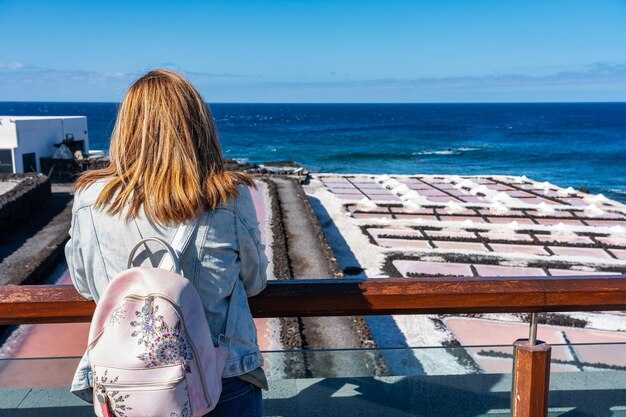
Begin in Split; it offers reliable spring weather, easy provisioning, and a robust marine network. A minimum two-person crew suits a compact charter of six to eight passengers, leaving room for quiet days at anchor and lively evenings in harbor towns.
- Split
Why: a natural launch pad with sheltered harbors nearby, immediate access to provisioning, and readable weather forecasts. Sail south toward Hvar after a morning check of wind shifts. Gulf-style inlets around the harbor provide secure mooring before long passages.
- Anchorages: sheltered coves around Marjan and Kaštela Bay; Stobreč Cove offers a quick, calm anchor on calmer evenings.
- Marina tips: ACI Marina Split is reliable for bunkering, pump-out, and bathrooms; use nearby harbors for quiet evenings ashore. Night life concentrates in the old town, restaurant options are plentiful, and a short bus ride takes passengers to scenic viewpoints.
- Hvar (north coast and secluded bays)
Why: a scenic crossing with easy hops between coves; the islands cluster around this zone, delivering idyllic scenery and Mediterranean charm. This leg also helps learn local wind tendencies as you approach the swell-free channels between islands.
- Anchorages: Dubovica Bay on the southern coast for a quiet break; Stari Grad Bay offers simple protection and easy dinghy access to the town.
- Marina tips: ACI Marina Hvar provides reliable services; look for adjacent quiet bays to enjoy meals at sea and a visit to a waterfront restaurant in Hvar Town after a relaxed night sail.
- Korčula (Lumbarda and Vela Luka zones)
Why: a natural step south with protected waters, leading toward Mljet. Naval channels between Korčula and nearby islands are straightforward and add variety for passengers who enjoy island scenery.
- Anchorages: Lumbarda Bay on Korčula’s eastern shore; Prigradica in a sheltered east-coast pocket, popular with charters for short hops.
- Marina tips: ACI Marina Korčula handles routine services; if staying longer, consider small private berths in adjacent coves or the town harbor. Expect welcoming tavernas with local seafood and a relaxed night atmosphere.
- Mljet (Pomena and Polače areas)
Why: a wooded, natural break with national-park scenery; water stays cool and clear, ideal for a daybreak sail before continuing south. The calm water here invites a slower pace, good for families and guests who enjoy a break from heavier currents.
- Anchorages: coves near Pomena and Polače provide solid protection; the surrounding islands create a tranquil backdrop for a quiet night.
- Marina tips: Mljet has smaller public harbors rather than large ACI marinas; anchor and use local facilities if available, and plan a shore visit to the Mljet National Park for a short excursion. Restaurants nearby offer rustic Mediterranean flavors.
- Elaphite archipelago (Lopud and Koločep)
Why: a scenic cluster between Mljet and Dubrovnik, offering playful channels and shallow passages suitable for short hops. This section is a marvel for those who enjoy idyllic coves and natural scenery.
- Anchorages: quiet bays near Lopud, with a preferred stop at Sunj Bay for a protected layday; Koločep provides sheltered anchorages and friendly local moorings.
- Marina tips: Lokrum and Lopud offer limited formal marinas; use harbor pontoons where available, and enjoy a beachfront dinner at one of the island tavernas. Bathrooms and wash facilities are typically simple but sufficient in peak season.
- Dubrovnik area (Gruž, Lokrum, and Cavtat)
Why: southward progression culminates near Dubrovnik; the old town view from the water is iconic, while nearby Lokrum and Cavtat provide calmer options for nights before your final crossing or return.
- Anchorages: near Lokrum for short hops before docking; Cavtat Bay offers quiet nights and easy tender rides to the waterfront; Gruž hosts a practical marina scene for larger crews.
- Marina tips: ACI Marina Dubrovnik in Gruž is well equipped; plan a day to stroll the walls, enjoy the harbor restaurants, and refresh supplies. If you prefer a more private option, Cavtat’s marina and harbor quay provide a refined finish with good bathrooms and accessible amenities.
- Optional extension: Pelješac peninsula and backward leg toward the channel
Why: a natural extension for a longer voyage; the coastline becomes more rugged, with quiet coves sheltered from stronger winds. This leg adds Kefalonia- or Cornwall-like rugged beauty in a localized Adriatic context and lets passengers absorb a broader Riviera vibe.
- Anchorages: sheltered bays along the Trstenik and Ston coasts; consider a quick swing by the Pelješac crossing for a taste of coastal villages and island-inspired dining.
- Marina tips: local private moorings or small family-run ports provide basic services; plan ahead for fuel and groceries, and keep a flexible schedule to enjoy a late-night meal at a seaside restaurant before a final leg back toward your homeport. This segment blends natural scenery with island-hopping charm, offering a restful break after a busy itinerary.
Greek Islands hopping: sequence of Santorini, Mykonos, Paros, and Naxos with wind windows
Begin with Santorini at dawn to catch a calm sea along the blue coastline, then sail to Mykonos within the morning wind window. This sequence makes eight days on the water feel easy, with quiet anchorages and sandy coves between caldera views and whitewashed lanes. Here, a mindful pace suits a foodie, a hiker, and a traveler chasing summer vibes.
Santorini to Mykonos leg: about two to four hours, depending on wind. The crossing spans roughly 60 to 80 km, with speeds typically 12 to 18 knots in a normal summer window. Drop anchor near a quiet spot with sand and clear water, then explore Mykonos by day and enjoy nightlife after sunset.
Mykonos to Paros leg: about 25 to 40 km, usually one to three hours. Winds often shift to a comfortable NW breeze by late morning, letting you sail between the two with long, vast horizons. Paros offers soft sand beaches and a coastline sheltered by coves; visiting tavernas and a few foodie spots is easy.
Paros to Naxos leg: roughly 20 to 40 km, typically one to two hours. Eastward across blue water reveals a vast coastline with beaches and quiet hillside trails; anchor near soft sand for a swim, then hike between villages in the evening. Naxos keeps a robust heritage and great seafood to try after a day on deck.
Practical notes: secure insurance and check marina fees, fuel stops, and mooring rules along the east Aegean corridor. If you lack a skipper, ensure you possess the needed license for a bareboat trip; otherwise hire a skipper for ease. Having eight nights on board lets you balance on-deck time with visits to markets and tavernas. Here you’ll savor quiet coves, long coastlines, and fragrant seafood; capri vibes appear in a few bays, while dalmatian spray and Côte-inspired scenery recall Capri or Amalfi in mood.
Balearic Islands sprint: Mallorca, Menorca, Ibiza, Formentera–best timing and moorings
Begin in Palma de Mallorca in late May or early June. Fully secure berths at Club Náutico de Palma and Port de Palma, and clarify a 7–9 day loop that keeps daily legs to 30–60 miles. This window yields lighter trades, longer daylight, and calmer harbours, ideal during cruising with a light breeze and plenty of time to enjoy everything along the coast, making the sailing especially agreeable.
The coastline of Mallorca is gloriously varied; the Tramuntana range is unesco-listed, shaping an epic backdrop as you are sailing north from Palma toward Sóller and Alcúdia. In Palma Bay, anchor at Mallorca’s harbours or Port de Sóller during your first night, then consider Cala Portals or Cala Llamp if the wind shifts. Having plenty of options, you can adjust the schedule day by day while staying fully protected.
Next hop is Menorca. The channel between the two islands is a manageable offshore leg of roughly 60–70 miles, depending on winds. In Menorca, Maó Harbour (Port de Maó) offers credentials and a full range of services, while Ciutadella’s marina provides a charming town visit within walking distance. Distances between harbours and coves are short, so you can anchor in coves such as Cala Morell or Cala en Blanes when berths are tight. If you spent extra time ashore, Cala en Blanes offers a pleasant berth within steps of a town.
Ibiza attracts two solid mooring clusters: Marina Botafoch in Ibiza Town and Port de Sant Antoni on the west coast. From there a 45–60 mile hop to Formentera’s La Savina harbour connects to a blissful microcosm of coves and white-sand beaches. La Savina is the main harbour with plenty of berths and a short ride to the island’s roads toward a foodie loop into Es Pujols and the farms of Es Caló; this leg is a must-see for culinary fans. Formentera’s slow pace yields timeless, culinary experiences and a foodie world within reach, with plenty of opportunities to explore towns like Sant Francesc Xavier and Es Caló de San Agustín.
Book moorings well in advance and keep credentials up to date; check weather and channel forecasts; plan another backup stop in case of a change in wind. Those coming from greece or croatias, this route keeps everything within reach and offers a different flavor of island life; however, you will spend days in which the coastlines reveal themselves gloriously, with harbours and towns along the way. Having a flexible plan is important; the itinerary runs through towns with mass appeal and plenty of quiet anchorages where you can sleep with the sound of waves.
In sum: this loop suits a calm, unhurried sailing mindset; the worlds within reach; a route with must-see harbours and towns; plenty of anchorages and a timeless, culinary sequence that showcases a foodie culture across four islands. Clarify the exact day-by-day plan with the crew, and you will have a route that feels like miles of coastline to savor, with capri, ischia and croatias set as comparisons for those seeking Mediterranean contrasts.
Norwegian fjords summer sail: ideal window, port calls, and safety checklists
Choose mid-June to early August as the ideal window: long daylight, stable breezes, and reliable forecasts. Start in Bergen, then flow into Geirangerfjord and Flåm, circle toward Naeroyfjord, and push into the Sognefjord corridor with sheltered anchorages in coastal villages, back to Bergen to complete the loop. there are three main passages where views dominate the landscape.
Daily legs aim for 5–6 hours of sailing, with the rest spent exploring shorelines, hiking, and sampling seafood. Sheltered bays near Flåm and Olden help first-time crews ease into rhythm, while Geiranger and Sogndal provide dramatic scenery. The schedule should be adaptable, letting sand beaches, hiking trails, and viewpoints guide longer breaks along sheltered channels.
Practical safety checklist: verify life jackets sized to all aboard; confirm life raft service; test VHF radio; check AIS; ensure GPS plotter backups; carry updated paper charts; have a float plan shared with a shore contact; verify engine and bilge pump readiness; inspect lines, fenders, anchors, and dinghy; stock water and provisions for at least three days; ensure weather source and tide data; finalize an emergency drill before departure.
This route appeals to first-time sailors and adventurous crews alike, with flexible legs that adapt to wind and swell. At calm moments, a larger circle through fjords reveals spectacular views–sheer cliffs, cascading falls, and glacier-fed rivers. When conditions tighten, shorter hops keep the crew comfortable while preserving the sense of exploration. Each location offers practical options for anchorage, supply stops, and shore excursions.
Advancing beyond these waters, a broader package might link mallorca, croatias, greeces, cornwall, and spain as land extensions. A charter can thread these segments into a coherent arc, balancing long passages with culinary discoveries, harbor strolls, and lively events. This approach covers everything a curious crew needs, drawing everyone, including first-time travelers, into a flexible plan that suits pace and budget. The ionian coast can be appended as a separate leg for a contrasting scenery.