


 العربية
  English (UK)
  Русский
  日本語
日本語  한국어
한국어  Magyar
  Türkçe
  Español
  Čeština
  Svenska
  Português
  Ελληνικά
  Suomi
Suomi  Nederlands
  Română
  Italiano
  Français
  Polski
  Українська
  Deutsch
  简体中文
简体中文  Slovenčina
 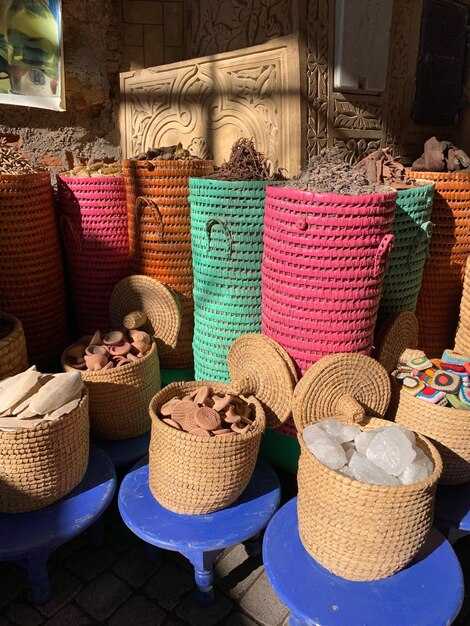 Embera Village – Indigenous Culture & Handicrafts in Panama">

احجز رحلة قارب إرشادية في مجموعة صغيرة عند الفجر للوصول إلى مستوطنة على ضفة النهر ومشاهدة النسيج الحي وصناعة الخرز والأشكال المنحوتة. تمت دعوة الرحالة العظماء للمشاركة في نشاط عملي موجز، وهو حياكة خرزة ابتدائية على نول وتجربة سوار بسيط من ألياف النخيل. تبقى المجموعة صغيرة لتتيح تفاعلًا شخصيًا مع الصُّنَّاع.
خلال الموسم الجاف، تلامس أشعة الشمس مدخل بحيرة هادئ بينما تنجرف الغيوم في الأعلى. يؤدي المشي لمدة 15 دقيقة من الرصيف إلى بضع برك ثم ينفتح على ساحة الحرف. لسنوات، اتبع المسافرون هذا التسلسل: مشاهدة عرض توضيحي سريع، وطرح الأسئلة، والشراء مباشرة من الحرفيين، مما يضمن حصول الحرفيين على عوائد عادلة مع بقاء الحرفة نابضة بالحياة.
السلامة هام: ارتدِ أحذية متينة، والتزم بالمجموعة، واحتفظ بالأشياء الثمينة في حقيبة جافة. تجنب الخوض العميق في أقسام المياه الهائجة؛ اتبع المرشد دائمًا. إذا كنت تخطط لتنزه قصير، فاختر أحد المسارات المستوية واترك وقتًا كافيًا للصور ومحطات الراحة.
تَ reflecting أسعار العناصر جودة العمل الحرفي المبذول: تتراوح أسعار السلال الصغيرة والمشغولات الخرزية عمومًا بين $15 إلى $50, ، حُصُر منسوجة أكبر $60–$120, ، وتختلف الأوعية المنحوتة حسب الحجم. يجب على أي شخص يستكشف هذه المنطقة إحضار منشفة للمس النهر وسترة خفيفة للاستعداد للأمطار المفاجئة؛ التذاكر للفرد الواحد، مع تحديد مواعيد في الساعة 9:00 و 11:30، بناءً على الطقس وظروف النهر. يستغرق eine einfache demonstration حوالي ساعة، يتبعها جلسة أسئلة وأجوبة موجزة. يمكن للمجموعة ترتيب جلسة ثانية إذا لزم الأمر لضيق جدول الأعمال.
خطة تجربة قرية إمبيرا

احجز مرشدًا مرخصًا لبرنامج رحلة لمدة يومين لمجموعة صغيرة لتحقيق أقصى قدر من الانغماس. ابدأ من رصيف على ضفاف البحيرة وامشِ إلى المدرجات المشجرة؛ ويبقى الإيقاع معتدلاً، وسيُصمّم مرشدنا كل خطوة بما يتناسب مع اهتماماتك. يتتبع المسار المياه، ويمر بأفق جبلي، وقد يكشف عن بركان بعيد في الأيام الصافية. توفر هذه اللقاءات تبادلات مباشرة مع المضيفين المحليين ومهارات عملية يمكنك تطبيقها في استكشافاتك المستقبلية. تحتفظ الأرض بأقاليم صغيرة متنوعة؛ ستتعلم كيف تعمل الحدود وحقوق الاستخدام في هذه المنطقة، مع الاحترام والموافقة من المضيفين.
- اليوم الأول - الوصول والتوجيه والمشي على ضفاف البحيرة
- الاجتماع عند رصيف البحيرة; إحاطة حول السلامة، وقواعد السلوك، ومراجعة سريعة لأساسيات اللغة.
- سِرْ لمسافة 4–6 كم على طول طريق ومسلك في الغابة؛ توقف عند نقطة مراقبة أعلى لدراسة التضاريس ومسطحات المياه في البحيرة.
- مقدمة عن النباتات الصالحة للأكل وتحذير بشأن السموم؛ لا تتناول أبدًا أي شيء ما لم يتم التحقق منه من قبل المرشد.
- اليوم الثاني - السفر النهري والأنشطة المغامرة
- التجديف أو الإبحار بالزورق في مساحة هادئة؛ اختر فرق تجديف أصغر حجمًا لزيادة السلامة؛ فحص المعدات والتحقق منها مرة أخرى؛ يمكن ترتيب هذه الجولات.
- التوقف لمشاهدة الحياة البرية وأخذ استراحة قصيرة على ضفة نهر؛ والتحدث عن المكان وعلاقة الناس بالماء والأرض.
- أمسية تبادل ثقافي: قصص، عروض عملية لفن الخرز يقدمها حرفيون؛ عرض لفنون الخرز والنسيج كجزء من الفن اليومي بدلاً من تصنيفها كصناعات يدوية.
- اليوم الثالث - كن جزءًا من الحياة اليومية والمغادرة
- مشاركة عملية في نشاط حرفي بسيط، وتعلم التقنيات والأنماط؛ يمكنك تجربة تصميم بسيط لأخذه إلى المنزل.
- وجبة تتضمن البرتقال والمكونات المحلية الأساسية؛ احترام التفضيلات الغذائية ومشاركة الوصفات إذا طُلب ذلك.
- يمكن إنهاء الرحلة والعودة عبر الطريق البري أو بالقارب؛ مع إمكانية تمديد الإقامة أو تعديل الأيام لمزيد من المغامرات.
نصائح عملية: أفضل فترات هي الأشهر الأكثر جفافاً؛ أحضر معك معدات مطر خفيفة الوزن، وواقيًا من الشمس، ومجموعة إسعافات أولية مدمجة. بعد المشي، يمكنك التفكير فيما تعلمته؛ هذه الخطة تناسب وتيرتك؛ اسأل المرشد عن الأجزاء شديدة الانحدار والرحلات الطويلة. يمكن تعديل الترتيبات لتتناسب مع شهية المسافرين للمغامرة ومستوى طاقة المجموعة؛ لا توجد إخفاقات في خط سير الرحلة هذا، وستكتسب فهمًا أعمق للأرض وشعبها. طعم البرتقال ألذ عند مشاركته مع الأصدقاء؛ يمكنك أيضًا إحضار هدية صغيرة لشكر المضيفين.
قرية إمبيرا: ثقافة السكان الأصليين، المشغولات اليدوية، الانزلاق بالحبال، فوهة بركان وإطلالات جبلية في بنما
احجز خط سير رحلة بصحبة مرشدين ومجموعات صغيرة يمزج بين لقاء ثقافي ورحلة مليئة بالأدرينالين وارتفاع إلى فوهة بركان؛ اختر مشغلًا مرخصًا يؤكد على السلامة، وفحوصات المعدات الموثقة، والجداول اليومية المتوافقة مع ظروف الصباح. على الرغم من أن الصباح يكون أكثر برودة وإشراقًا، إلا أن هذا يبدأ مبكرًا لتحقيق أقصى قدر من الرؤية وتقليل الحرارة. يوفر هذا الترتيب توازنًا مثاليًا بين الطبيعة والحرف اليدوية والإثارة.
خلال زيارة للقرية، يعرض الحرفيون المحليون أعمال النسيج، والخرز، والأوعية المنحوتة؛ وتُستمد هذه القطع من أصباغ نباتية مورقة وأخشاب مستدامة، مما ينتج تذكارات ملونة للحياة اليومية وقصص السفر. وبالنسبة لأولئك الذين يشتركون في الاهتمام بالحياة البرية، توقعوا لقاءات مع حيوانات الغابة على طول المسارات وسوق صغير يقدم البرتقال الطازج.
تتقاطع مقاطع الانزلاق بالحبل مع مظلات قمم الأشجار مع أقفال أمان على الأحزمة؛ يغطي المرشدون إجراءات السلامة قبل البدء، وتتراوح الخيارات من جولة أقصر إلى خط أطول وأكثر تحديًا. من الممكن إقران التحليق بنزهة أكثر هدوءًا في الغابة للحصول على تجربة متكاملة.
تمنح رحلة الحفرة إطلالات بانورامية واسعة على الجبال في جميع أنحاء المنطقة؛ في الأيام الصافية، ينفتح خط السماء على الوديان الخضراء والتلال البعيدة، بينما يعزز الهواء المنعش الانغماس في التجربة. من الحافة، غالبًا ما سترى أحواض الأنهار وغطاء الغابات يمتد إلى الأفق.
نصائح عملية: اصطحب معك الماء وبعض ثمار البرتقال للحصول على طاقة سريعة؛ وارتدِ طبقات ملابس تسمح بالتهوية وجوارب متينة؛ واستخدام واقي الشمس وطارد الحشرات يعزز الراحة في الهواء الرطب. تحقق من Verfügung للحصول على التصاريح والوصول الموجه؛ يتعاون العديد من المشغلين مع المجتمعات المحلية بموجب الإرشادات الفيدرالية لضمان التعويض العادل. هذا الاستعداد يجعل التجربة أكثر أمانًا وأكثر فائدة.
اللوجستيات وآداب السلوك: تقلل أحجام المجموعات المحدودة من الازدحام والضغط على المرشدين، الذين تشرح فرقهم المتمرسة بيئة الغابات المطيرة والأعراف الثقافية وأهمية التقاليد الحرفية. يفتخر هؤلاء المهنيون بمشاركة القصص الأصيلة والممارسات الآمنة، لذا استمعوا إلى نصائحهم حول اللقاءات مع الحيوانات وكيفية الاستجابة إذا ظهرت الحياة البرية بالقرب من المسار. تظل السلامة أولوية مشتركة طوال التجربة.
زيارة محترمة: كيفية التعامل مع مضيفي إمبيرا والإرشادات المجتمعية
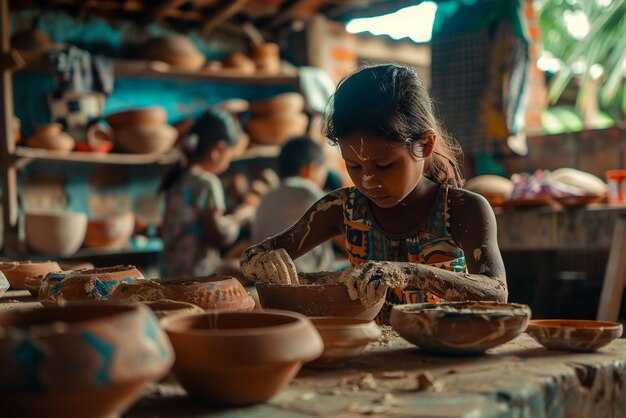
اطلب الموافقة الصريحة دومًا قبل دخول أي مسكن؛ في هذا البلد، قد يناديك المضيفون إلى الأمام فقط بعد الترحيب بك، لذا انتظر تلك الدعوة وراقب من العتبة بدلًا من الدخول كزائر.
ملابس الأمور المهمة: ارتدِ ملابس محتشمة بأكمام طويلة بألوان طبيعية، واخلع القبعات في الأماكن المغلقة عند الطلب، وتجنب ارتداء الإكسسوارات المزخرفة لتجنب تشتيت الانتباه في الأماكن الاحتفالية.
تتطلب الصور إذنًا؛ اطلب دائمًا قبل التقاط صور للأشخاص أو الاحتفالات - خاصة أثناء الشياطين العروض أو الأشياء المقدسة؛ إذا تم منح الإذن، شارك نسخًا لاحقًا وتجنب اللقطات القريبة المتطفلة للأطفال أو كبار السن.
عند الوجبات أو المواد الغذائية شارك بامتنان في العروض المقدمة، واقبل فقط ما يمكنك استهلاكه؛ ادعم اقتصاد الكوماركا بالشراء من الباعة المحليين المعتمدين، واحترم ممارسات الغذاء التقليدية بدلًا من استيراد المنتجات من الخارج.
حماية التنوع البيولوجي عن طريق البقاء على المسارات المحددة بالقرب من المياه و pools, ، مع الحفاظ على ضفاف الأنهار والمناطق المظللة؛ يُرجى عدم الإزعاج mammals أو غيرها من الحيوانات البرية، والتخلص من جميع النفايات للحفاظ على الطبيعة ظلال و tree مظلات على طول الخط الموسمي.
اختر مُرشدًا مُرخصًا من الكوماركا؛ هذا تصنيف يدعم التوزيع العادل للدخل والبرامج المجتمعية؛ كن ready لتعلّم الآداب المحلية، وتجنب الضغط على المضيفين للحصول على خصومات، ومواءمة الأنشطة مع الأحداث الجارية. season and a respectful adventure plan.
The coastal كوستا and inland trails offer snorkeling and river experiences only in designated zones; follow signage, listen to hosts, and keep your pace for a safe rambling journey that does not disturb native flora or fauna; obtain permission before entering restricted zones.
Look for clear signals of welcome and communicate in simple terms; you should be looking for consent before any hands-on involvement; if in doubt, pause and consult a translator to avoid missteps during an activity called a community gathering, ensuring you are ready to adapt with verfügung and mutual respect.
Authentic Handicrafts: identify genuine crafts and a simple bargaining approach
Ask guides at the dockside markets to spotlight verified works; be ready to compare several items and stand firm on a fair target price; ask about the item’s origin and materials, and rely on the location where it was crafted to assess authenticity; use a plan to track prices across sellers in anderen markets.
Genuine pieces show natural fibers, hand finishes, and motifs tied to forests, reefs, and the water; look for maker signatures or workshop tags; in fonseca coastal stalls, floß-inspired reedwork and shell inlays are common; examine workmanship and the coloration from wasser-based dyes; authenticity increases when a piece lists a specific workshop and the craftsperson’s name; a brief conversation with the seller often reveals the story behind the piece; the oceans influence becomes clear in the designs, reflecting a strong sense of place along shores and rivers.
Simple bargaining method: greet well, ask for the price, and propose a target around 60% of the initial quotation, adjusted by material quality and workmanship; if the seller counters, offer a package deal for multiple items to leverage value; stand your ground, but show respect, and be prepared to walk away if terms don’t improve; your macht grows when you demonstrate readiness to resolve the exchange on fair terms; when you agree, request a small tag with the maker’s name to support the creator and their workshop, strengthening the local economy.
Plan a practical route between markets to compare similar pieces along flussufer routes and near forest edges; drive between locations on a clear day, and nach a few purchases take a break at beaches or a reef-side café to review what you’ve learned; grab empanadas for a quick snack and enjoy the relaxation by the sea; if rain interrupts, switch to covered stalls and continue; long conversations about provenance help anyone assess dauer and classification, especially when rainfall shapes material choices and colors; plane travel can connect you to higher-demand hubs, but true value remains rooted in the work and its located origins.
With mindful preparation you’ll discover authentic artifacts that carry a real sense of craft, history, and place; guides and locals will help you compare pieces, while you balance price with value, ensuring a fair outcome for both buyer and maker, and leaving you with a memorable journey marked by quality, respect, and discovery.
Zip Line Details: required gear, safety checks, and recommended routes
Put on a full-body harness, helmet, gloves, and sturdy boots before approaching the launch platform. Required gear includes a dual-lock carabiner, trolley, backup safety line, and a harness with proper straps; pack a compact bag with water and lebensmittel for a quick trek. Ready families can expect a route that takes you through dense vegetation and over small streams in the Chiriquí reserve location, offering great canopy views and chances to see animals and beaches along the course. The launch place is clearly marked to keep the group together, making the trek comfortable.
Safety checks: Before release, inspect anchors and the main cable for wear or corrosion; confirm carabiners are locked and the trolley rolls freely; verify the braking system on both ends works; ensure the backup line is secured and the weather is acceptable for the ride. The guide oversees the procedure, and perform a quick test slide on a low segment to confirm comfortable handling. keine delays occur if checks are thorough.
Routes: Recommended options include easy legs of roughly 0.5–0.8 miles suitable for family beginners, a moderate leg of 1.2–2 miles that crosses wider vegetation corridors, and a longer leg up to 3 miles spanning rivers and steep canyons. All start at the launch site in the reserve near vegetation and wildlife; optimal times are morning or late afternoon when visibility is high and animals are active; including rest stops and photo opportunities, the experience remains comfortable and memorable for groups from nearby regions, with miles logged depending on chosen path. This glide is ground-suspended, not a plane ride; applicants may see rafts on river sections and occasional fishing activity downstream, adding to the sense of place even on a warm day.
| Item | التفاصيل | الملاحظات |
|---|---|---|
| العتاد | Full-body harness, helmet, gloves, trolley, dual locking carabiners, backup line, pack with water | Keep pack light; lebensmittel and beef jerky work well for quick energy |
| Safety checks | Inspect anchors and cable for wear, ensure carabiners locked, trolley rolls smoothly, brakes functional, weather suitable | Guide conducts checks; keine delays occur when thorough |
| Routes | Easy: 0.5–0.8 miles; Moderate: 1.2–2 miles; Long: up to 3 miles; features vegetation, river sightlines | Start at launch site in Chiriquí reserve; best moments in morning/late afternoon |
Extinct Volcano Crater Access: trail options, permits, and best weather windows
Recommendation: book a licensed guide and secure the permit 2–3 days before the attempt; start at dawn to catch the blue light over the crater and finish before noon. Dress in kleidung suitable for variable humidity, carry a light rain shell, and keep hydration decently high; taxi transfers to the trailhead are common from the gateway town, but arrange in advance, especially in peak months.
-
Crest Rim Circuit
Distance: ~6.2 km; Elevation gain: ~420 m; Time: 3–4 hours; Difficulty: moderate. Highlights: crater edge viewpoints, a calm wasser spray along exposed sections, waterfalls in fern gullies, and stretches where you can witness blue morning light. Best window: February–April; start before 06:00 to maximize visibility. Note: permit and guide are muss for crossing the upper slopes; route surface includes roots and gravel, so decent footwear is essential.
-
River Approach via Chagres Drainage
Distance: ~9.5 km; Elevation gain: ~520 m; Time: 5–7 hours; Difficulty: challenging. Features: canyon routes, forest corridors, multiple wasser crossings, and chances to observe island-like channels among lowland wetlands throughout the trek. Permits required; a local guide is strongly advised. Best months: December–April; risk of swollen streams outside the dry window is higher. The trail offers longer, solitude-rich sections for those aiming to Beobachten wildlife.
-
Skyline via Old Service Road
Distance: ~7.8 km; Elevation gain: 350–450 m; Time: 4–5 hours; Difficulty: moderate. Attributes: gradual grade, open ridges with scattered shade, and several lookout points where you can witness crater terrain from above. Suitable for a decent pace with alternating stretches of strewn gravel and compact dirt; best in the dry season. Requires a permit; local operators often offer this as a combined package with a short boat transfer if needed, and they can arrange a taxi to the starting point.
Permits and procedure: contact the regional reserve authority to obtain authorization; permits are issued per party and require listing all participants; typical fees range from 10–25 USD per person and may include guide services; carry a printed or digital permit during the entire ascent; a licensed guide is mandatory for most routes and is often bundled with the excursion; bring ID and a sample itinerary if requested by staff; in some weeks, entry slots are limited, so muss booking be done in advance through the official channel.
Best weather windows and seasonal notes: the dry span spans roughly December through April; the peak visibility and longest daylight occur from February to April; plan to start early and finish by late morning to avoid sun glare and afternoon heat. The wetter months, roughly May through November, bring cloud cover and frequent showers; river levels rise, and some paths may be unstable. Consider the trip subject to weather alerts; if storms build, delay the ascent. In clear mornings you may see a spiegel-like blue horizon and a calm crater lake; if humidity is high, you’ll experience mist and cooler temps near dawn.
Practical tips and logistics: arrive from the gateway town by bus or pre-arranged shuttle; the routes pass through diverse regional habitats and may cross through small rural streets and farmland borders; plan for several hours in decent footing and bring enough water, snacks, and a compact first-aid kit. For gear, kleidung and sturdy hiking shoes are non-negotiable; pack a compact rain layer, sunscreen, and a hat. Ensure you have a designated subject with your guide for safety briefings; always carry a map or waypoint device, and avoid wandering onto unofficial tracks. If you want a smoother start, arrange a taxi to the trailhead the day before and reconfirm pickup times, as lateness can shorten your observation window and limit what you can witness before dusk. This destination rewards patience: stay focused on the path, respect reserve rules, and keep dogs and other pets on leash to protect both animals and the environment.
Notes on accessibility and essentials: expect moderate ascent and uneven footing; some sections are rocky and require attention to footing; unused equipment or extra gear (spare clothes, additional layering, and a compact flashlight) can make a big difference in cooler or damp conditions; if you encounter opcións with crowded streets or markets nearby, plan your transit with a local partner who knows the best route to the isthmus region’s gateway. Always check current subject-specific restrictions and reserve advisories before departure.
Mountain Views & Photo Spots: timing, locations, and lighting tips
Start at first light on the northern ridge above the valley for the cleanest light and sharpest silhouettes. The air is crisp, the lush slopes awaken, and the sky reveals a spectrum of color that sets the scene for dramatic cascades of shadow and tone.
Three dependable spots allow a balanced portfolio: a) the overlook along the main road above the streets, framing distant volcanic peaks with a sweeping panorama; b) a riverside terrace where emerald canopy meets a broad horizon and the sea beyond glints on calm mornings; c) a rocky headland where colorful dawn reflections skate across shallow reefs offshore and the coastline forms a natural frame.
Lighting tips include shooting during the golden hour for saturated, warm tones, and blue hour for cool silhouettes that pop against the darkening sky. Use a polarizer to deepen skies and mute glare on water, bracket three frames to capture the volume of light, and keep ISO low with a sturdy tripod to preserve detail in low light while avoiding noise as light shifts with cloud cover.
Wildlife and terrain notes: iguanas are likely to bask on sunlit rocks, and daily cloud movement shapes shadows across the slopes. Beware of non-plant hazards, such as poison plants in damp zones, and plan for extreme weather by packing rain gear. If exploring the coast, you can catch incredible reflections off calm lagoons and the reefs offshore, while the surrounding البلد offers a tapestry of scenery that rewards persistent shooting. Historical routes once enslaved laborers built these paths, a reminder to move with respect and observe local guidelines. Be mindful of wassereinspeisung signals at taps and fill bottles before heading back to your destination.